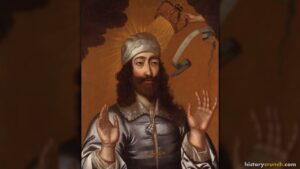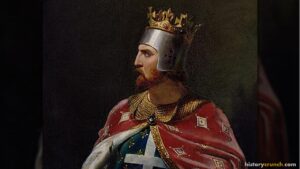
Education in the Middle Ages was very different from education today. For most people in medieval Europe, formal schooling was not available, and the ability to read and write was rare outside of the Church and the nobility. However, education in the Middle Ages was not entirely absent. The Catholic Church played a central role in preserving and transmitting knowledge throughout the period, and the Middle Ages also saw the establishment of some of the earliest universities in European history. In general, access to education in the Middle Ages depended greatly on a person’s social class, gender and connection to the Church.

What Was Education Like in the Middle Ages?
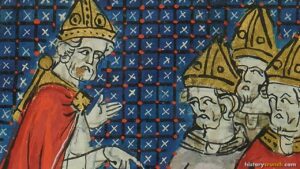
Education in the Middle Ages refers to the ways in which knowledge and skills were taught and learned during the medieval period in Europe, which lasted from approximately the 5th century to the 15th century. Following the fall of the Western Roman Empire in 476 CE, much of the educational infrastructure that had existed under Roman rule collapsed along with it. Schools, libraries and centers of learning that had been common in the Roman world largely disappeared in western Europe during the Early Middle Ages. As a result, the Catholic Church became the primary institution responsible for preserving knowledge and providing education throughout the Middle Ages.
Why did the Catholic Church become the main provider of education after the fall of the Western Roman Empire?
Role of the Catholic Church in Education
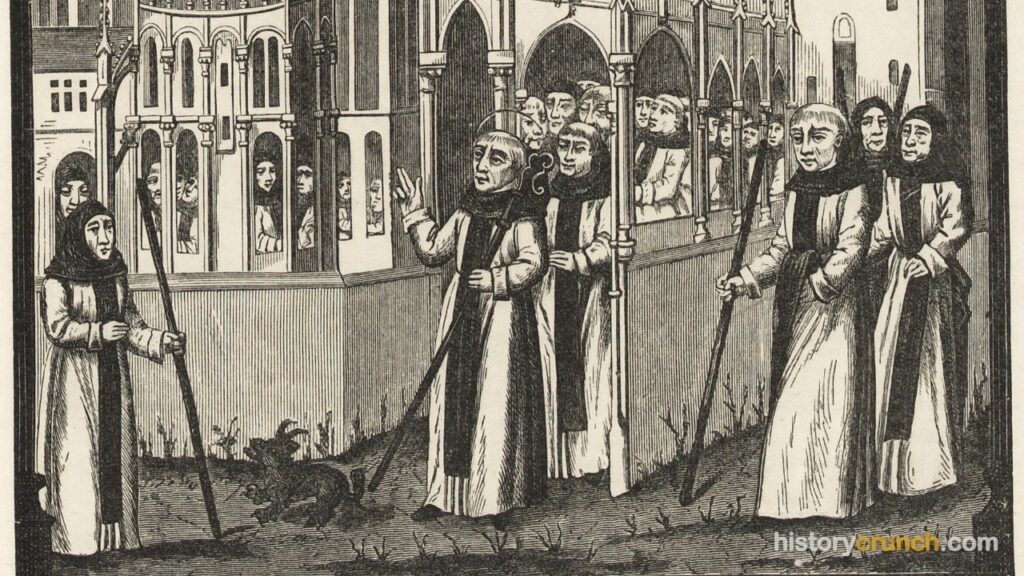
The Catholic Church was by far the most important provider of education in the Middle Ages. Throughout the medieval period, the Church ran most of the schools that existed in Europe and controlled access to books and learning. For instance, monasteriesCommunities where monks lived, worked, and copied ancient texts to preserve knowledge. were among the most important centers of learning in the Middle Ages. Monasteries were communities of monks who dedicated their lives to religious practice, and many of them also devoted significant time to copying and preserving ancient texts. This work was enormously important because it helped keep alive the knowledge of ancient Greek and Roman writers, philosophers and scientists that might otherwise have been lost during the turbulent centuries of the Early Middle Ages.
Cathedral schools were another important form of education connected to the Catholic Church in the Middle Ages. Cathedral schools were attached to the great cathedrals of medieval Europe and offered instruction in a range of subjects to boys who were being trained for roles in the Church. The curriculum of cathedral schools was generally based on the seven liberal arts, which were divided into two groups. The first group, known as the triviumThe first group of the seven liberal arts: grammar, rhetoric, and logic., included: grammar, rhetoric and logic. The second group, known as the quadriviumThe second group of the seven liberal arts: arithmetic, geometry, music, and astronomy., included: arithmetic, geometry, music and astronomy. As such, education in cathedral schools was broad in scope but was primarily intended to prepare students for a life of religious service rather than for secularRelated to non-religious life and careers, outside the authority of the Church. careers.
FactsthatCrunchIn medieval monasteries, monks carried out the careful work of hand-copying ancient texts to keep the knowledge of Greek and Roman writers alive through the Early Middle Ages.
Rise of Universities in the Middle Ages
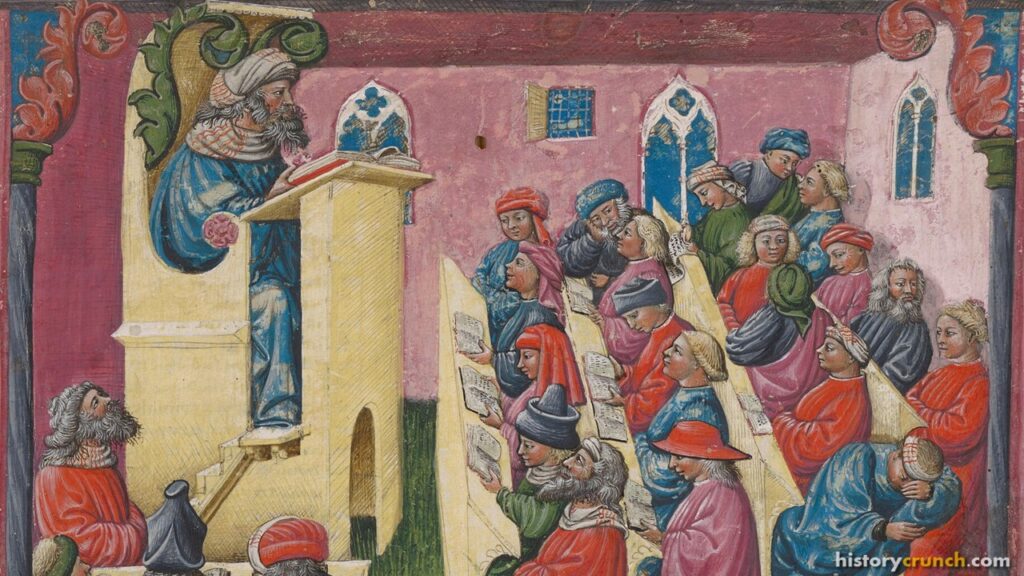
One of the most significant developments in education in the Middle Ages was the rise of universities. Universities were institutions of higher learning that offered instruction in a wide range of subjects beyond the basic curriculum of cathedral schools. The first universities in Europe emerged during the High Middle Ages, beginning in the 11th and 12th centuries. For instance, the University of Bologna in Italy, which was founded in 1088 CE, is considered to be the oldest university in the world. Other important universities followed, including the University of Paris, the University of Oxford and the University of Cambridge.
Medieval universities offered instruction in several main areas of study, including: theology, law, medicine and philosophy. Students who attended universities were generally young men from noble or wealthy families, as the cost of attending was beyond the reach of most peasants. The language of instruction at medieval universities was Latin, which was the common language of the Church and of educated people across Europe. As such, a university education in the Middle Ages was closely tied to the Catholic Church and to the social elite of medieval European society. With that said, the rise of universities during the Middle Ages was an enormously important development in the history of education, as these institutions helped lay the groundwork for the intellectual advances of the Renaissance and the modern university systems of today.
Education for Peasants in the Middle Ages
For the majority of people in the Middle Ages, who were peasants living and working on the land under the feudal systemThe medieval social structure in which peasants worked land owned by lords in exchange for protection., formal education was simply not available. Most peasants could not read or write, and there were no schools designed to educate the children of serfs or common farmers. Instead, peasant children learned the skills they needed for life by working alongside their parents and other adults in their community. Boys generally learned the farming skills of their fathers, while girls learned the domestic skills of their mothers, including cooking, spinning, weaving and caring for children.
With that said, the Catholic Church did provide some basic religious education to peasants through the local parish church. For instance, parish priests were responsible for teaching their congregations the basics of the Christian faith, including prayers, the Ten Commandments and the key teachings of the Church. This religious instruction was conducted orally rather than through reading and writing, since most peasants were illiterateUnable to read or write.. As such, for the vast majority of people in the Middle Ages, education was informal, practical and closely tied to the demands of daily life and religious practice.
FactsthatCrunchPeasant children in the Middle Ages had no schools to attend, so they learned by working beside their parents every day. That hands-on training was a direct product of the feudal system, which tied peasant families to the land and to the labor that kept the system running.
Boys learned the farming skills of their fathers, while girls learned cooking, spinning, weaving, and child care from their mothers, passing the same work down through each generation.
Education for the Nobility in the Middle Ages
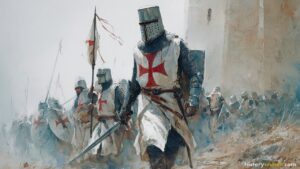
The children of noble families in the Middle Ages had access to a much higher level of education than the children of peasants. Noble boys were typically educated by private tutors or sent to cathedral schools, where they received instruction in reading, writing, Latin, music and the basics of religion and philosophy. For boys from the highest noble families, education was also closely connected to the path toward knighthood. As such, noble boys were trained not only in academic subjects but also in the physical and military skills expected of a knight, including riding horses, using weapons and understanding the code of chivalryA code of conduct governing the behavior and values expected of a medieval knight..
Noble girls also received some education, though their learning was generally more limited in scope than that of boys. For instance, noble girls were typically taught to read and write, as well as skills such as needlework, music and the management of a large household. Some noble girls also received instruction in languages and basic arithmetic. With that said, the education of noble girls was primarily intended to prepare them for the role of wife and mother in a noble household, rather than for participation in public or intellectual life. As such, while noble children in the Middle Ages had significantly greater access to education than peasant children, the content and purpose of their education was still heavily shaped by the expectations of their social class and gender.
FactsthatCrunchBoth noble boys and noble girls received far more education than peasant children did. The content of their learning differed sharply, with boys trained for public and military life and girls trained for domestic and household responsibilities.
Education and the Renaissance
The development of education in the Middle Ages had a profound impact on the events that followed, particularly the Renaissance. The universities and monasteries of the Middle Ages played a crucial role in preserving and transmitting the ancient Greek and Roman texts that Renaissance thinkers would later rediscover and build upon. For instance, the monks who copied ancient texts in their monasteries helped ensure that the works of philosophers such as Aristotle and Plato survived through the difficult centuries of the Early Middle Ages and were available to later scholars. As well, the universities of the Middle Ages helped establish a tradition of intellectual inquiry and debate that would eventually contribute to the new ways of thinking that defined the Renaissance.
Furthermore, the invention of the printing press by Johannes Gutenberg in the mid-15th century had a transformative effect on education that helped bring the Middle Ages to an end. The printing press made books much cheaper and more widely available, which allowed more people across Europe to access knowledge and ideas for the first time. This expansion of literacy and access to learning was one of the key factors that helped spark the Renaissance and contributed to the broader intellectual changes that marked the end of the medieval period.
FactsthatCrunchIn the mid-15th century, Johannes Gutenberg completed work on his printing press in Germany, a machine that could reproduce books far faster than any monk copying by hand. Until that moment, books in medieval Europe had been rare and expensive, kept mostly in monasteries and universities where only clergy and wealthy students could reach them. Scholars across Europe wondered whether this new machine would truly change who could hold knowledge in their hands.
Significance of Education in the Middle Ages
In conclusion, education in the Middle Ages was limited in its reach but enormously important in its impact. The Catholic Church, through its monasteries, cathedral schools and universities, preserved and transmitted knowledge through one of the most difficult periods in European history and laid the groundwork for the intellectual advances of the Renaissance and beyond. As such, understanding education in the Middle Ages is important for gaining a complete picture of how knowledge and learning developed in Europe and how the medieval period helped shape the modern world.
FactsthatCrunchFollow the chain from top to bottom. Tap any step to read what happened.
Explore Middle Ages · 476 – 1500 CE
Keep exploring Middle Ages with these History Crunch resources.
Key Vocabulary
Monasteries
Trivium
Quadrivium
Secular
Chivalry
Illiterate
Feudal system
Frequently Asked Questions
Who could get an education in the Middle Ages?
Access to education depended on a person’s social class, gender, and ties to the Church. Members of the clergy and children of nobles had the best chances to learn. Most people were peasants, so they received little or no formal schooling.
What were the trivium and quadrivium?
The trivium and quadrivium were the two groups of the seven liberal arts taught in cathedral schools. The trivium covered grammar, rhetoric, and logic. The quadrivium covered arithmetic, geometry, music, and astronomy.
What was the first university in Europe?
The University of Bologna in Italy, founded in 1088 CE, is considered the oldest university in the world. Other early schools followed, including Paris, Oxford, and Cambridge. These medieval universities taught theology, law, medicine, and philosophy, all in Latin.
How did peasant children learn in the Middle Ages?
Peasant children learned by working beside their parents rather than attending school. Boys picked up farming skills, while girls learned cooking, spinning, weaving, and child care. The local parish priest also taught basic religious ideas out loud, since most peasants could not read.
How did medieval education lead to the Renaissance?
Monasteries and universities preserved ancient Greek and Roman texts that Renaissance thinkers later rediscovered. Monks copied works by Aristotle and Plato so they survived the Early Middle Ages. The printing press, invented in the mid-1400s, then spread books and learning widely across Europe.
Cite This Article
To cite this article as a source, use one of the formats below.
MLA: Millar, B. “Education in the Middle Ages: A Detailed Summary.” HistoryCrunch, 16 October 2026, https://historycrunch.com/education-in-the-middle-ages/.
APA: Millar, B. (2026). Education in the Middle Ages: A Detailed Summary. HistoryCrunch. https://historycrunch.com/education-in-the-middle-ages/
Chicago: Millar, B. “Education in the Middle Ages: A Detailed Summary.” HistoryCrunch. October 16, 2026. https://historycrunch.com/education-in-the-middle-ages/
Sources
- Chris Wickham, Medieval Europe.
- Barbara Rosenwein, A Short History of the Middle Ages.
- Fordham Medieval Sourcebook