The Nuremberg Laws were a set of racist and antisemitic laws enacted by Nazi Germany on September 15th, 1935, during the Nazi Party Rally in Nuremberg. These laws were used by the Nazi regime to persecute the Jewish population of Germany. For instance, the Nuremberg Laws set the legal foundation for the discrimination of Jewish people in German society and ultimately, their annihilation during the Holocaust. Today, the Nuremberg Laws are seen as important aspects of the history of Nazi Germany, the Holocaust and World War II.
WHAT WAS THE HOLOCAUST?
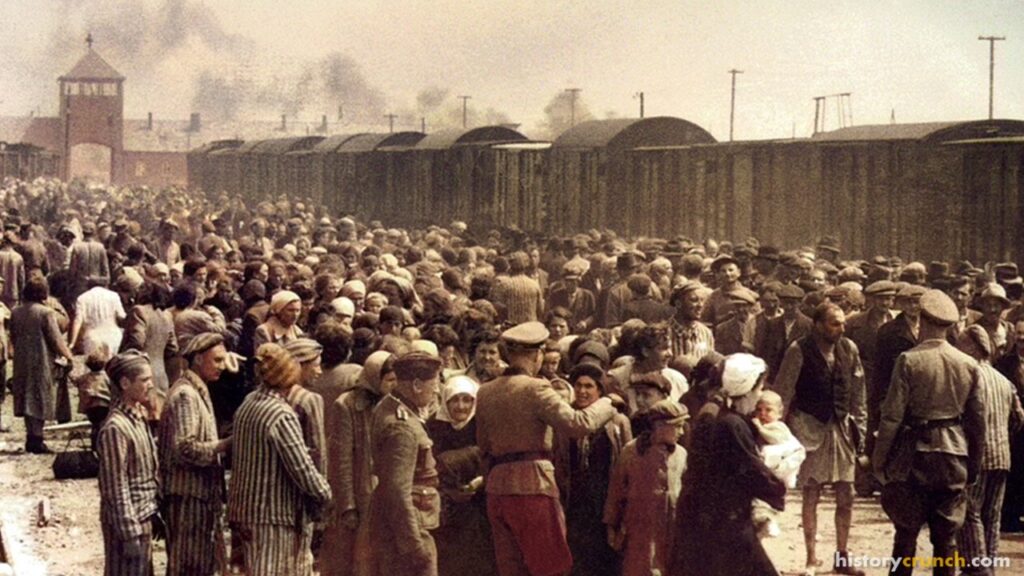
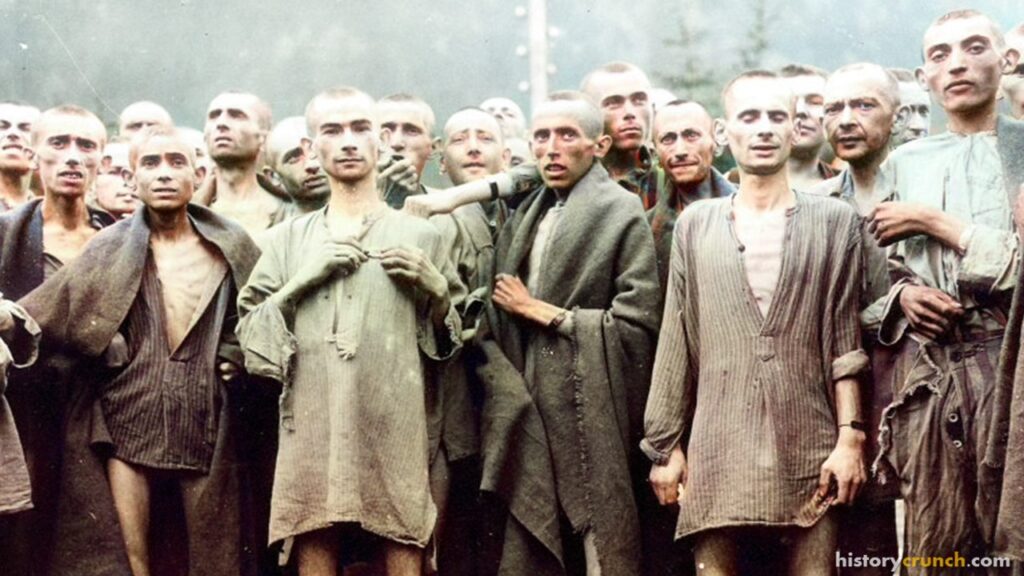
The Holocaust is one of the most important events of the 20th century and is perhaps the most significant genocide in human history. A genocide is a mass killing of a group of people for ethnic, religious or racial reasons. The term ‘holocaust’ refers to death by fire in reference to the way that people were executed during the event. It unfolded during the reign of Adolf Hitler in Germany and the major events of World War II. During the Holocaust, which occurred from 1933 to 1945, over 11 million people were executed. In total, 6 million were Jewish people, while the other 5 million included several other groups, including: disabled people, homosexuals, communists, Soviet and Polish prisoners of war, gypsies, and other religious and ethnic minorities.
NUREMBERG LAWS – SUMMARY
The first stage of the Holocaust was the Nuremberg Laws. First passed in 1935, the Nuremberg Laws made German Jewish people second class citizens and banned sexual relations and marriage between Jewish people and persons of German blood. Officially, the Nuremberg Laws were two laws, the Reich Citizenship Law and the ’Law for the Protection of German Blood and Honor’. The goal of the laws for the Nazis was to limit the ability of Jewish genetic traits to spread and to legalize discrimination against Jewish people in Germany. In general, the Nazi regime carried out several different forms of discrimination against undesirable people in society, including: economic discrimination, social discrimination and political discrimination. The Nuremberg Laws best represent social discrimination, because the laws isolated Jewish people within their own country and outlawed them from expressing a sense of connection with the nation.
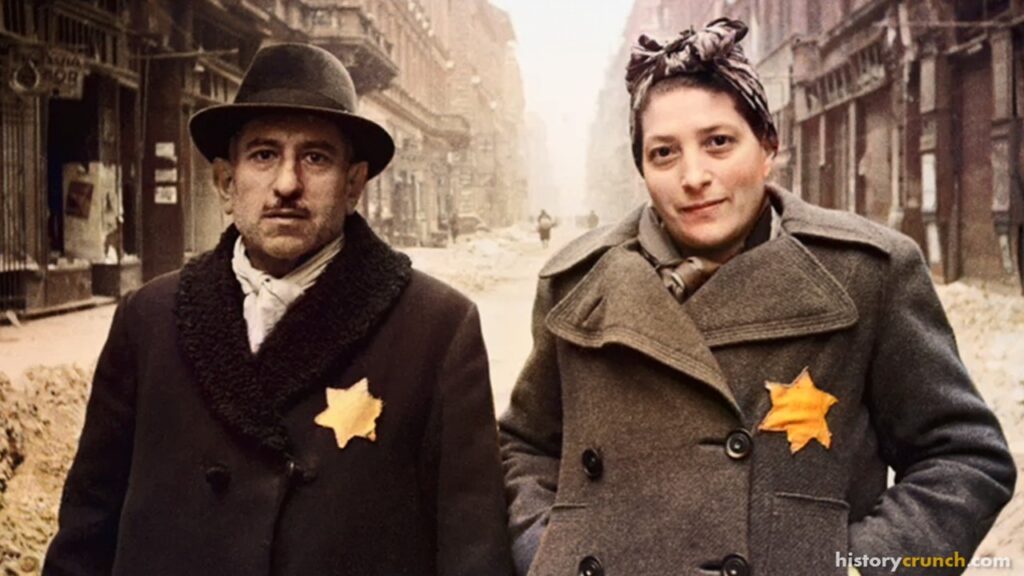
The Nuremberg Laws had devastating effects for Germany’s Jewish population. For instance, they were expelled from schools, universities and government jobs. As well, they were socially isolated, economically disadvantaged and denied the ability to marry or associate freely. These laws also paved the way for future Nazi policies, including forced deportations, establishment of the ghettos, and eventual cruelty in Nazi-controlled concentration and death camps.
NUREMBERG LAWS – FULL TEXT
Reich Citizenship Law of September 15th, 1935
Article 1
1. A subject of the state is a person who enjoys the protection of the German Reich and who in consequence has specific obligations toward it.
2. The status of subject of the state is acquired in accordance with the provisions of the Reich and the Reich Citizenship Law.
Article 2
1. A Reich citizen is a subject of the state who is of German or related blood, and proves by his conduct that he is willing and fit to faithfully serve the German people and Reich.
2. Reich citizenship is acquired through the granting of a Reich citizenship certificate.
3. The Reich citizen is the sole bearer of full political rights in accordance with the law.
Law for the Protection of German Blood and German Honor of September 15th, 1935
Moved by the understanding that purity of German blood is the essential condition for the continued existence of the German people, and inspired by the inflexible determination to ensure the existence of the German nation for all time, the Reichstag has unanimously adopted the following law, which is promulgated herewith:
Article 1
1. Marriages between Jews and subjects of the state of German or related blood are forbidden. Marriages nevertheless concluded are invalid, even if concluded abroad to circumvent this law.
2. Annulment proceedings can be initiated only by the state prosecutor.
Article 2
1. Extramarital relations between Jews and subjects of the state of German or related blood are forbidden.
Article 3
1. Jews may not employ in their households female subjects of the state of German or related blood who are under 45 years old.
Article 4
1. Jews are forbidden to fly the Reich or national flag or display Reich colors.
2. They are, on the other hand, permitted to display the Jewish colors. The exercise of this right is protected by the state.
Article 5
1. Any person who violates the prohibition under Article 1 will be punished with a prison sentence.
2. A male who violates the prohibition under Article 2 will be punished with a jail term or a prison sentence.
3. Any person violating the provisions under Articles 3 or 4 will be punished with a jail term of up to one year and a fine, or with one or the other of these penalties.
Frequently Asked Questions
What were the two Nuremberg Laws?
The Nuremberg Laws were the Reich Citizenship Law and the Law for the Protection of German Blood and Honor. The first stripped Jewish people of full citizenship and made them second class citizens. The second banned marriage and sexual relations between Jewish people and those of German blood. Both were passed on the same day in 1935.
When and where were the Nuremberg Laws passed?
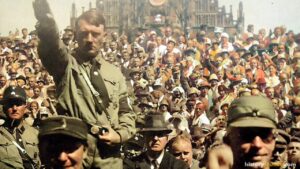
The Nuremberg Laws were passed on September 15, 1935, during the Nazi Party Rally in Nuremberg, Germany. The city hosted large yearly rallies that showed off Nazi power. Naming the laws after Nuremberg tied them to these public displays. The German parliament, called the Reichstag, adopted them without opposition.
How did the Nuremberg Laws affect Jewish people in Germany?
The laws pushed Jewish people out of German public life and stripped away their rights. They were expelled from schools, universities, and government jobs. They also faced social isolation and could no longer marry or associate freely. These effects left them exposed to even harsher measures later.
Why did the Nazis create the Nuremberg Laws?
The Nazis created the laws to legalize discrimination against Jewish people and to keep Jewish traits from spreading. They falsely believed that pure German blood was needed for the nation to survive. The laws gave this racist belief the force of official policy. They mark a clear example of social discrimination by the Nazi regime.
How did the Nuremberg Laws connect to the Holocaust?
The Nuremberg Laws are seen as the first stage of the Holocaust because they set the legal path toward mass murder. By stripping rights, they made later cruelty easier to carry out. They paved the way for forced deportations, ghettos, and concentration and death camps. The Holocaust killed about 6 million Jewish people between 1933 and 1945.
Cite This Article
To cite this article as a source, use one of the formats below.
MLA: Beck, Elias. “Nuremberg Laws: A Detailed Summary.” HistoryCrunch, 16 September 2026, https://historycrunch.com/nuremberg-laws/.
APA: Beck, E. (2026). Nuremberg Laws: A Detailed Summary. HistoryCrunch. https://historycrunch.com/nuremberg-laws/
Chicago: Beck, Elias. “Nuremberg Laws: A Detailed Summary.” HistoryCrunch. September 16, 2026. https://historycrunch.com/nuremberg-laws/
Sources
- Jerry Bentley & Herbert Ziegler, Traditions & Encounters: A Global Perspective on the Past.
- J.M. Roberts & Odd Arne Westad, The Penguin History of the World.