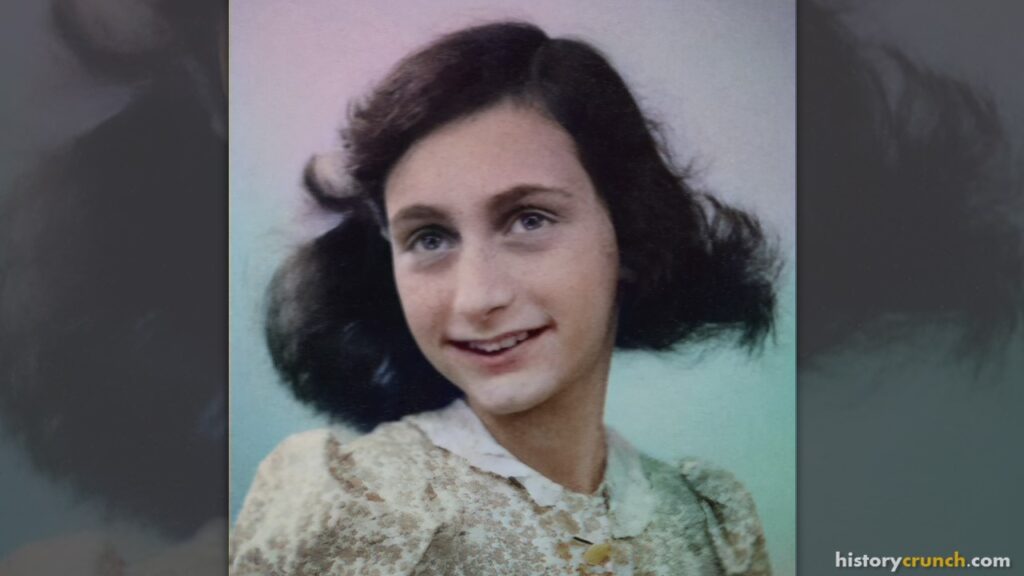
Anne Frank is one of the most well-known victims of the Holocaust, and is today known as an inspiring and influential figure. She gained fame following the end of the Holocaust and World War II when her diary was published. In it she chronicled the experiences of her and her family as they hid from the Nazis in a house in Amsterdam. She eventually died as part of the events of the Holocaust.
ANNE FRANK – EARLY LIFE
Anne was born in Frankfurt, Germany on June 12th, 1929 to Jewish parents. She lived with her father, Otto, her mother, Edith, and her older sister Margot. The family moved to Amsterdam in 1933 after Otto obtained work there helping a business to start up. Also in 1933, Adolf Hitler was appointed Chancellor of Germany and the Nazi Party began carrying out anti-Semitic actions against Jewish people living in Germany. As a result, many Jewish families fled Germany at this time, including Anne Frank’s. In Amsterdam, Anne attended a school and is remembered by classmates as loving reading and writing.
ANNE FRANK – AMSTERDAM
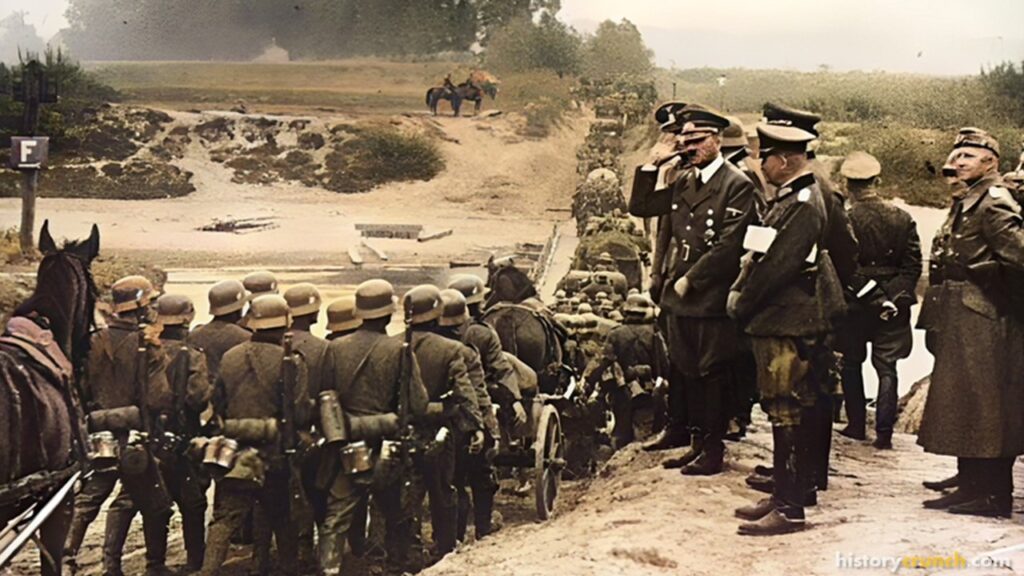
In September of 1939 Nazi Germany invaded Poland and World War II in Europe began. After a period of waiting, which historians refer to as the Phony War, German forces invaded Belgium and later the Netherlands on their way to defeat France in the Battle of France. By 1940, Germany had full control over Amsterdam and a Nazi-controlled government was established. The government persecuted the Jewish people living in Amsterdam at the time and socially isolated them with anti-Semitic laws. As a result, Otto Frank attempted to get his family to the United States but was unable to obtain the necessary permissions.
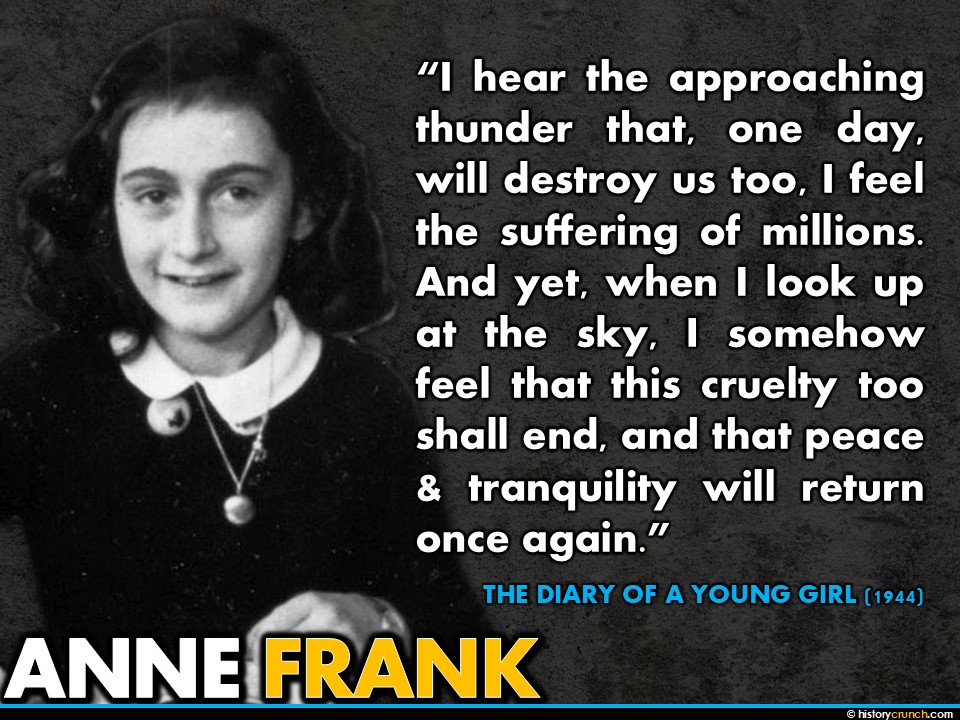
On her 13th birthday, which was June 12th, 1942, Anne received an autograph book from her parents which she used instead as a diary. The family went into hiding just a few weeks later on July 6th. The family moved into a living space above Otto’s business, along the canals of Amsterdam, with the support of several of his most trusted employees. They referred to the space as Achterhuis meaning ‘Secret Annex’. Access to the living space was hidden behind a bookcase to avoid the Nazis from finding the family. Since the family could not leave for fear of capture Otto’s employees entirely supported them by bringing them food and news of the war. Another Jewish family joined the Franks on July 13th, which included two parents and a 15 year old son. In her diary, Anne commented about being happy that there were more people to talk to but also wrote about the frustration of living in crowded conditions. Anne’s diary was an outlet for her to express her feelings about all sorts of things, including: her relationships with those in hiding with her, her feelings on the war, and her ideas about life in general.
ANNE FRANK – AUSCHWITZ
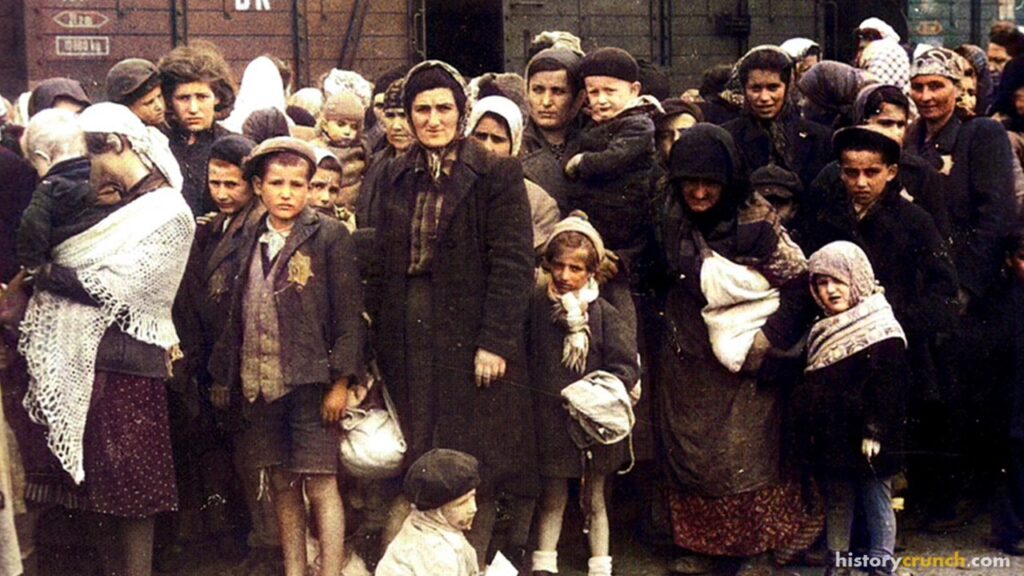
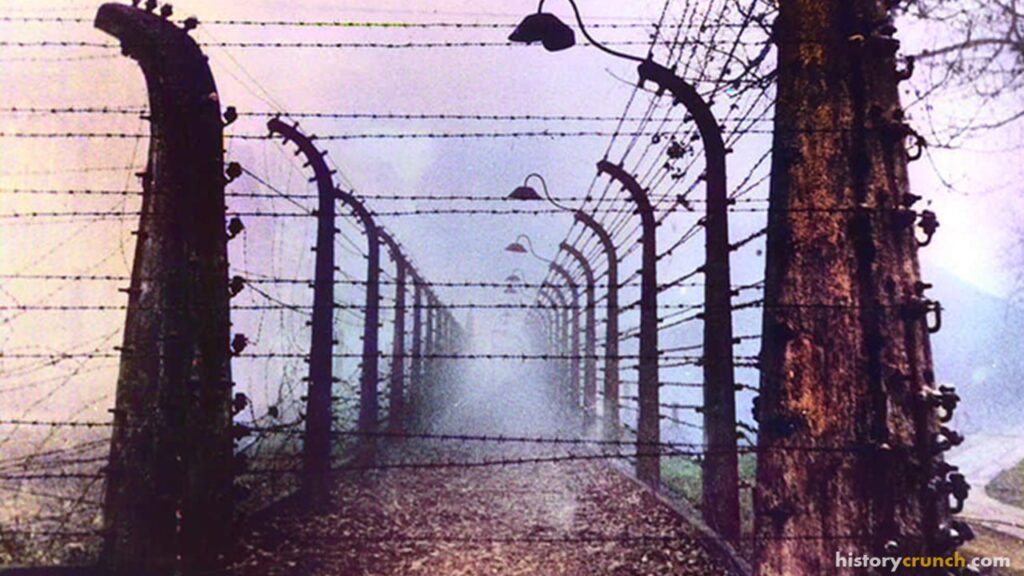
The family remained in the ‘Secret Annex’ for two years, until they were arrested on the morning of August 4th, 1944 by Nazi SS and Gestapo forces. It is unclear how the Nazi officials were made aware of the hiding place but many historians have argued it could have been a betrayal by one of those supporting the family or a coincidence as the Nazis searched the business. Regardless, the family was detained and imprisoned and interrogated by the Nazis before being sent to labor camps. In fact, the entire family was placed upon one of the last trains to Auschwitz. They arrived in Auschwitz in September of 1944 and Otto was immediately separated from his wife and daughters. Anne, her sister and her mother were saved from the gas chambers and selected for hard labor. Not knowing what happened to her father, Anne believed he had been killed in the gas chambers. However, he had also been saved from the gas chambers and was placed in a men’s camp within Auschwitz.
Life in Auschwitz for the Franks was difficult as it was for all prisoners. Due to the horrible and unsanitary conditions, disease spread easily among the prisoners and Anne was afflicted with scabies soon after arriving. Scabies is an infectious skin condition caused by mites that burrow into the person’s skin. On October 28th, 1944, Anne and Margot were part of a group that was relocated to Bergen-Belsen, a concentration camp in northern Germany. Anne’s mother, Edith, was left behind and died from starvation. While in Bergen-Belsen, the health of both Margot and Anne deteriorated. Survivors reported that Margot was so ill that she was unable to leave her bunk and Anne was extremely thin and suffering. In early 1945, a typhus outbreak spread through the camp and killed over 17,000. Many historians believe that this outbreak, along with other diseases, was the likely cause of death for both Margot and Anne. It is generally believed that they died in either February or March of 1945, just weeks before the British liberated the camp on April 15th. The sisters were buried in a mass grave near Bergen-Belsen.
ANNE FRANK – DIARY AND LEGACY
Anne’s father, Otto, survived his imprisonment in Auschwitz, and after discovering the deaths of his wife and daughters returned to Amsterdam and their ‘Secret Annex’. There he was given Anne’s writings, which Miep Gies, one of the family’s helpers, had saved from the hiding place after the Nazis arrested them. Among the writings was Anne’s diary, which he was astonished to read, considering it contained her most private thoughts and feelings. He also recognized the importance of the work due to its subject matter. It was officially published in 1947. Since then it has been published in more than 60 languages and read by millions across the world.
Today, Anne is remembered as a powerful author who chronicled one of the worst times in human history. Her story has served as a reminder of the innocence of youth and the capability of people to carry out countless harms on one another based on misguided world views.
Frequently Asked Questions
Who was Anne Frank?
Anne Frank was a young Jewish girl who died during the Holocaust and later became famous for her diary. She hid from the Nazis with her family in Amsterdam during World War II. Her writings recorded her thoughts while in hiding.
How old was Anne Frank when she died?
Anne Frank was 15 years old when she died at the Bergen-Belsen concentration camp. She is believed to have died in February or March of 1945, likely from typhus. This was just weeks before British troops freed the camp on April 15th, 1945.
Where did Anne Frank hide during the war?
Anne Frank hid in a secret living space above her father’s business in Amsterdam. The family called it the Achterhuis, which means “Secret Annex.” Access to the space was hidden behind a bookcase, and trusted employees brought the family food and news.
How was Anne Frank’s diary published?
Anne Frank’s diary was published in 1947 by her father, Otto, who survived Auschwitz. A family helper named Miep Gies had saved the writings after the Nazis arrested the family. The diary has since been translated into more than 60 languages and read by millions.
Why is Anne Frank important today?
Anne Frank is important because her diary gives a personal view of one of the worst times in history. Her honest writing helps readers understand the fear and hope of those hiding from the Nazis. Her story is a lasting reminder of the harm that hateful views can cause.
Cite This Article
To cite this article as a source, use one of the formats below.
MLA: Beck, Elias. “Anne Frank: A Detailed Biography.” HistoryCrunch, 16 September 2026, https://historycrunch.com/anne-frank/.
APA: Beck, E. (2026). Anne Frank: A Detailed Biography. HistoryCrunch. https://historycrunch.com/anne-frank/
Chicago: Beck, Elias. “Anne Frank: A Detailed Biography.” HistoryCrunch. September 16, 2026. https://historycrunch.com/anne-frank/
Sources
- J.M. Roberts & Odd Arne Westad, The Penguin History of the World.
- Jerry Bentley & Herbert Ziegler, Traditions & Encounters: A Global Perspective on the Past.