Thomas Newcomen was a pioneering inventor whose work laid the groundwork for the Industrial Revolution. Known primarily for developing the first practical steam engine, Newcomen’s contributions to engineering and industrial technology were pivotal in transforming industries reliant on manual labor and animal power.
 FactsthatCrunch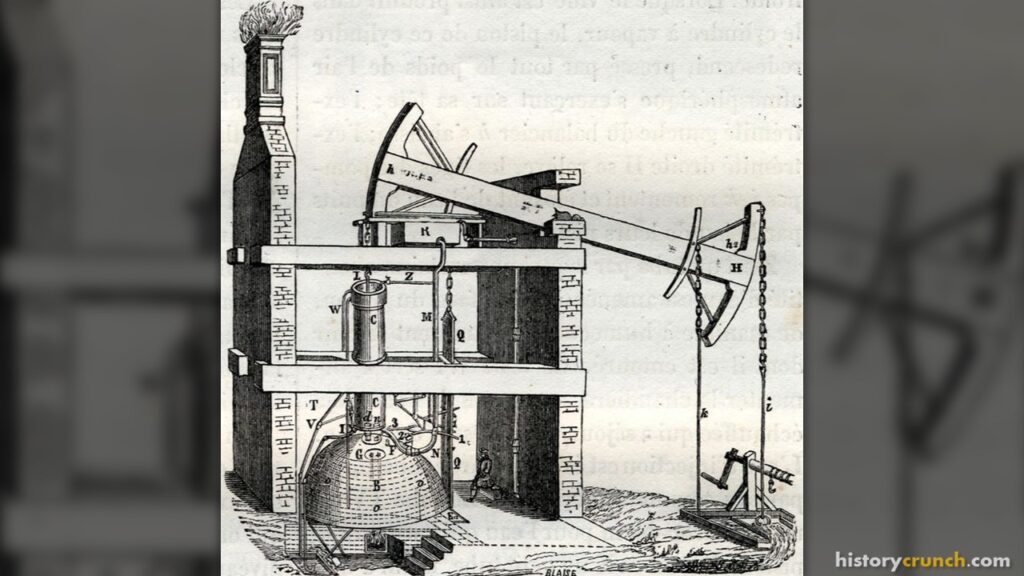
Thomas Newcomen – Early Life
Thomas Newcomen was born in Devon, England in 1664. Little is known about his early education, but it is likely that he received some schooling typical for a boy of his background, which included basic reading, writing, and arithmetic. His upbringing in a bustling port town would have exposed him to various trades and the emerging needs of the industrial age.
FactsthatCrunchThomas Newcomen – Invention of the Steam Engine
As a young man, Newcomen worked as an ironmongerA person who sells iron goods and hardware tools. in Devon. Newcomen produced items for Cornish tin mine owners who often complained that they were struggling to deal with flooding in their mines. Traditional methods of removing water from the mines were slow and hard work. Newcomen realized that he could help the tin mine owners. He developed a pump engine that used a pistonA sliding piece inside a cylinder that moves up and down to create mechanical force. in a cylinderA tube-shaped chamber in which a piston moves to produce engine power.; it was the first of its kind. As such, Newcomen is often remembered today as the inventor of the steam engine, which revolutionized life for people during the Industrial Revolution. Newcomen went into partnership with Thomas Savery, who held a patent on an earlier steam pump. The partnership ensured that Newcomen did not infringe on Savery’s patentAn official legal right that stops others from copying or using someone’s invention without permission..
Following the partnership, Newcomen was able to work freely. The first piston pump engine was installed in the coal mine at Dudley Castle. The pump was able to raise 10 gallons [38 liters] of water from a mine that was over 156 feet [48 meters] deep much faster than men had ever been able to. Although the engine was reliable and was able to work 24 hours a day, it was inefficientWasting more fuel or effort than necessary to get the job done.. Despite this, the Newcomen engine was used across England and helped during the Industrial Revolution by helping mines to continue functioning without getting flooded.
 FactsthatCrunch
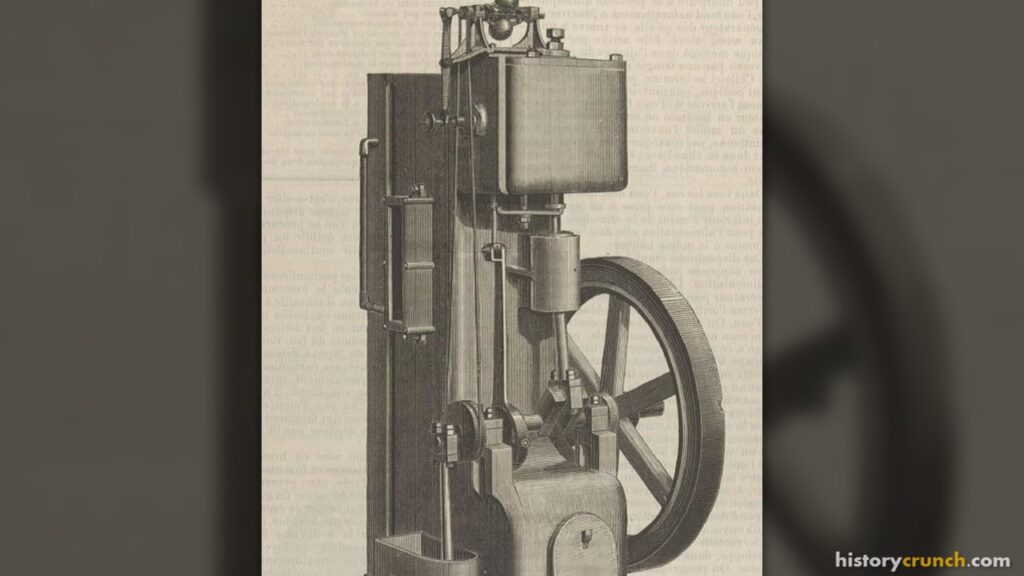
Newcomen's atmospheric steam engine used steam and cold water to create a vacuum that pulled a piston down and drove a pump to lift water out of flooded mines.
Thomas Newcomen – Death and Legacy
By 1729, the year that Newcomen died, there were over 100 Newcomen engines in mines across Britain and Europe. Newcomen’s engine was a monumental step forward in industrial technology and had far-reaching impacts on various industries. Later, James Watt famously improved upon Newcomen’s original design and the steam engine became a fixture for life during the Industrial Revolution.
 FactsthatCrunch
By 1729, how many Newcomen engines were working in mines across Britain and Europe?
Industrial Revolution timeline · 1760 – 1840
Key Vocabulary
Ironmonger
Piston
Cylinder
Patent
Vacuum
Inefficient
Frequently Asked Questions
Who was Thomas Newcomen?
Thomas Newcomen was an English inventor who built the first practical steam engine. He was born in Devon, England, in 1664 and worked as an ironmonger. His engine helped power the early Industrial Revolution by solving a common mining problem.
What did Thomas Newcomen invent?
Newcomen invented the first practical steam pump engine that used a piston moving inside a cylinder. It was designed to pump water out of flooded mines. Miners had struggled to remove water using slow, hard methods before his machine appeared.
How did the Newcomen engine work?
The Newcomen engine used steam to create a vacuum that pulled a piston inside a cylinder. This motion drove a pump that lifted water from deep mines. It could run 24 hours a day, though it wasted a lot of fuel and was not very efficient.
Where was the first Newcomen engine installed?
The first Newcomen engine was installed at a coal mine near Dudley Castle. It raised water from a mine over 156 feet (48 meters) deep much faster than workers could. This success led to the engine spreading to mines across Britain and Europe.
How is Newcomen connected to James Watt?
James Watt later improved Newcomen’s original engine design and made it far more efficient. Watt’s changes helped the steam engine become a key part of the Industrial Revolution. Newcomen’s work provided the foundation that Watt built upon.
When did Thomas Newcomen die?
Thomas Newcomen died in 1729, by which time more than 100 of his engines were in use. These machines worked in mines across Britain and Europe. His invention was seen as a major step forward in industrial technology.
Cite This Article
To cite this article as a source, use one of the formats below.
MLA: Beck, Elias. “Thomas Newcomen: A Detailed Biography.” HistoryCrunch, 26 September 2026, https://historycrunch.com/thomas-newcomen/.
APA: Beck, E. (2026). Thomas Newcomen: A Detailed Biography. HistoryCrunch. https://historycrunch.com/thomas-newcomen/
Chicago: Beck, Elias. “Thomas Newcomen: A Detailed Biography.” HistoryCrunch. September 26, 2026. https://historycrunch.com/thomas-newcomen/
Sources
- Fordham Modern History Sourcebook
- Robert C. Allen, The Industrial Revolution: A Very Short Introduction.
- Emma Griffin, A Short History of the British Industrial Revolution.
- The Science Museum Group