World War I, often referred to as the Great War, had a profound impact on the world. For instance, World War I was the first truly global war. Today, it is remembered for the horrors of trench warfare, the sacrifice of millions of soldiers, and the impact it had on the rest of the 20th century. This article explores the main impacts of World War I and their lasting effects on the course of history.
 FactsthatCrunch
What did the Treaty of Versailles and other peace treaties create out of the collapsed empires at the end of World War I?
Political Impacts of World War I
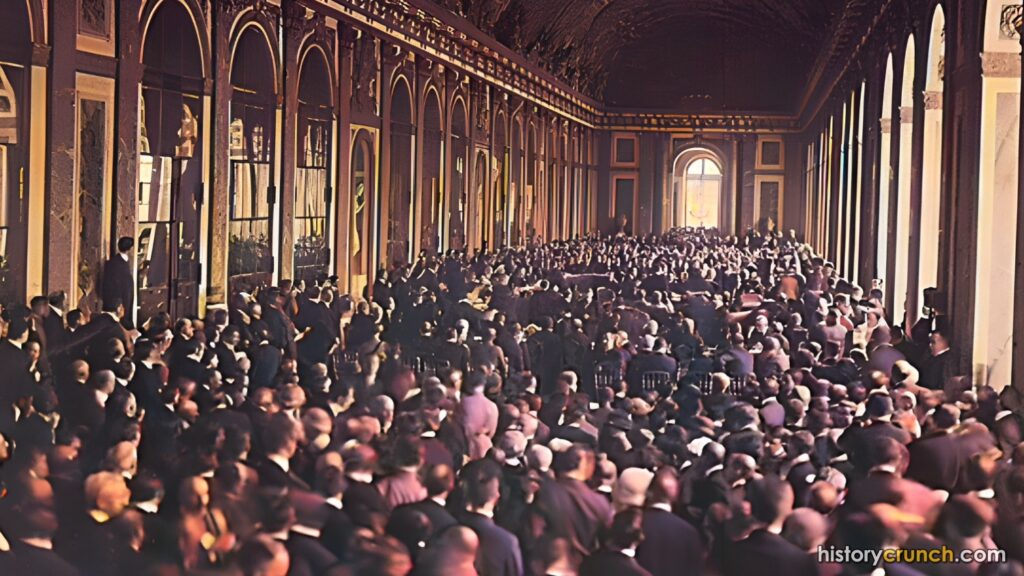
World War I had a strong impact on the political landscape of the time, including the collapse of empires and the redrawing of borders. For instance, the Treaty of Versailles and other peace treaties essentially ended and broke apart the Austro-Hungarian, Ottoman, Russian, and German Empires, giving rise to new nation-statesIndependent countries organized around a shared national identity, several of which were created after empires collapsed at the end of World War I. and altering the political landscape of Europe and the Middle East. These changes laid the groundwork for future conflicts and shaped the balance of power in the 20th century.
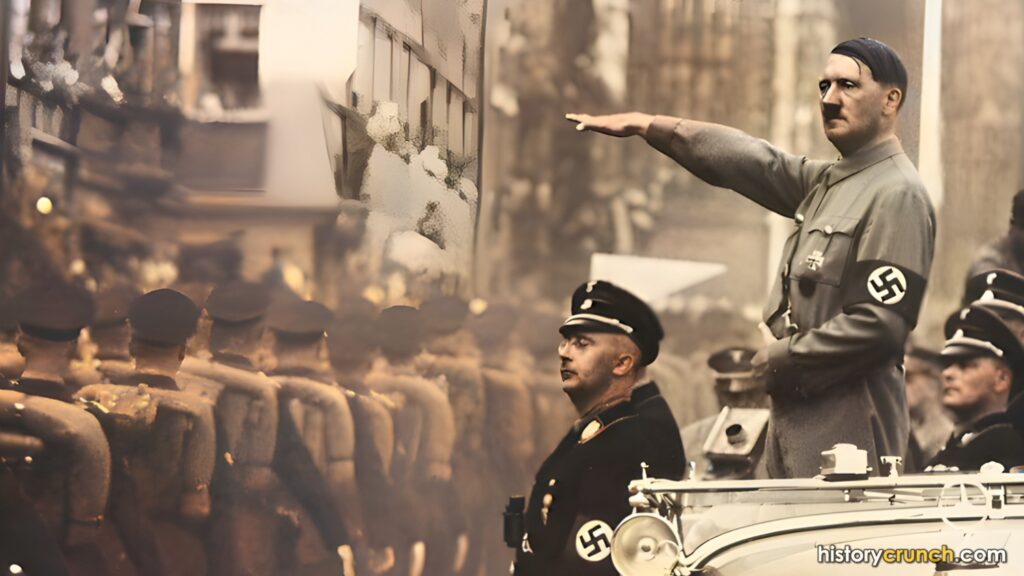
In fact, historians today now view the outcome of World War I, and the Treaty of VersaillesThe peace agreement signed after World War I that imposed harsh penalties on Germany and broke apart several empires. in particular, as a major cause of World War II. The Treaty of Versailles imposed harsh consequences on Germany and led to the rise to power of Adolf Hitler. In particular, Hitler rose to power in Germany in the 1930s with a promise to return Germany’s national pride following the embarrassment of the Treaty of Versailles and losses in World War I.
 FactsthatCrunch
Economic Impacts of World War I
Another important impact of World War I was the economic turmoil it created. For instance, World War I led to inflation, unemployment, and economic upheaval throughout Europe. The war drained national treasuries, strained resources, and disrupted trade and production networks. The resulting economic hardships contributed to social unrest, political radicalizationThe process by which people move toward extreme political views, often driven by hardship or anger., and the rise of extremist ideologies such as fascism and communism.
 FactsthatCrunch
The Treaty of Versailles forced Germany to accept full blame for World War I and pay massive war reparations, which helped collapse the German economy and drive unemployment and inflation to crisis levels through the 1920s.
World War I drained national treasuries across Europe, disrupted trade, and caused inflation and unemployment that lasted well into the 1930s. These economic pressures fed political radicalization and helped extremist ideologies such as fascism and communism attract mass followings.
Social Impacts of World War I
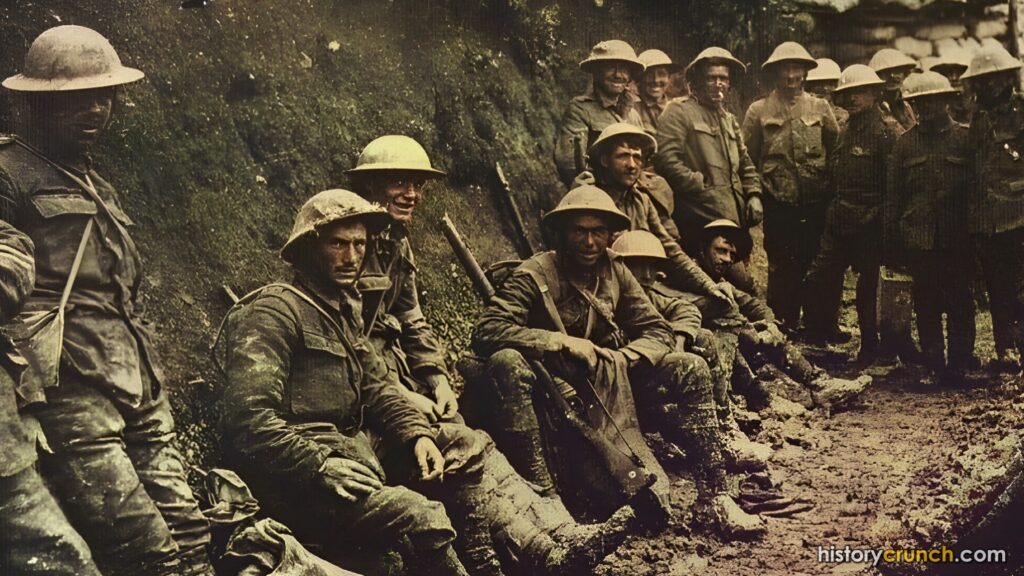
World War I is also remembered today for the devastation it caused for both civilians and military personnel. The use of new weapons and the horrible conditions of the trenches led to over 38 million civilian and military casualtiesPeople killed, wounded, or otherwise lost during a war, both military and civilian. during the course of the war. In fact, remembrance ceremonies occur on November 11th every year in honor of the sacrifice that many of these young soldiers made during the course of World War I.
The war’s unprecedented scale and brutality left deep scars on societies, contributing to a sense of collective loss. The trauma of the war inspired artistic movements such as DadaismAn artistic movement born from the trauma and disillusionment of World War I that rejected traditional forms and logic. and SurrealismAn artistic movement inspired partly by the war that explored the unconscious mind and themes of alienation and despair., as well as literary works that explored themes of alienation and despair.
 FactsthatCrunch
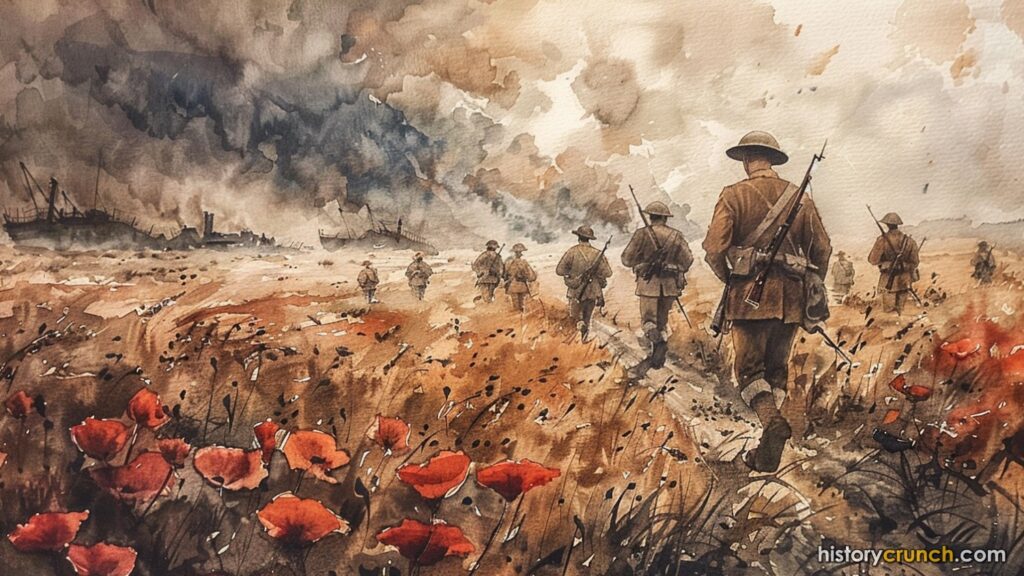
The red remembrance poppy comes from a 1915 poem written by a Canadian doctor serving on the Western Front.
John McCrae wrote "In Flanders Fields" after a friend was killed near Ypres, describing the poppies that grew among the soldiers' graves. The poem became famous during the war, and poppies are still worn every November 11th to remember those who died.
Technological Impacts of World War I
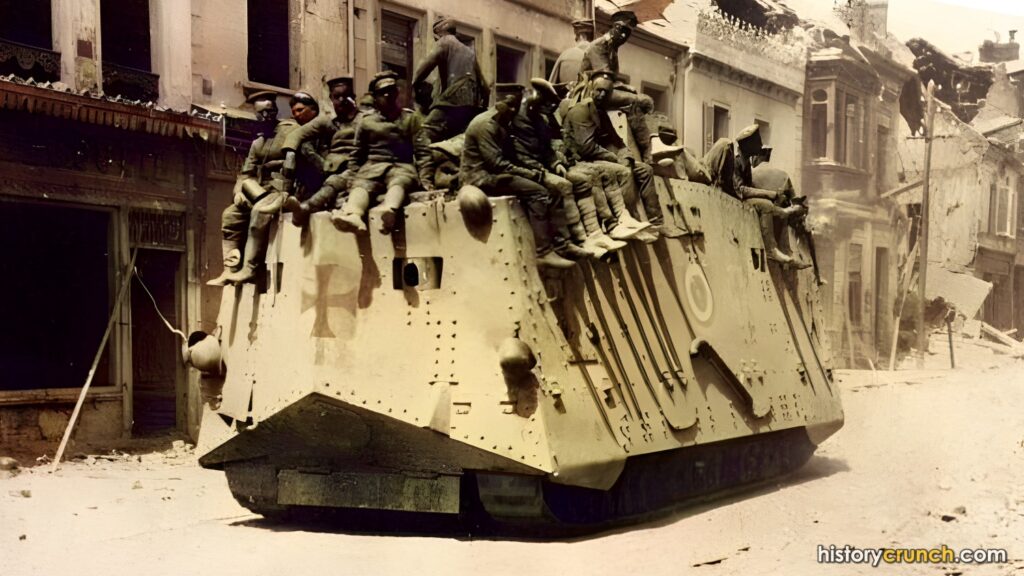
The final main impact of World War I was the advancements made in weapons technology, which contributed to the death and devastation of the war. For instance, World War I witnessed unprecedented technological advancements and innovations in warfare. The use of tanks, airplanes, poison gas, and trench warfare tactics revolutionized military strategies and tactics. These advancements had far-reaching impacts for future conflicts and laid the groundwork for modern warfare.
Key Vocabulary
Treaty of Versailles
Nation-states
Radicalization
Fascism
Dadaism
Surrealism
Casualties
Frequently Asked Questions
What were the main impacts of World War I?
World War I had major political, economic, social, and technological impacts. Politically, it broke apart several empires and redrew the borders of Europe and the Middle East. It also wrecked national economies and killed millions, while pushing warfare into a deadly modern age.
How did World War I lead to World War II?
The Treaty of Versailles placed harsh terms on Germany, which many Germans deeply resented. This anger and the economic hardship that followed helped Adolf Hitler rise to power in the 1930s. He promised to restore national pride after the defeat, and historians now see these events as a major cause of World War II.
Which empires collapsed because of World War I?
The war ended the Austro-Hungarian, Ottoman, Russian, and German Empires. Peace treaties broke these empires apart and created new nation-states in their place. This reshaped the political map of Europe and the Middle East for the rest of the century.
How many people died in World War I?
World War I caused more than 38 million military and civilian casualties. New weapons and the terrible conditions in the trenches made the fighting especially deadly. Remembrance ceremonies are still held every year on November 11th to honor those who died.
What new technology was used in World War I?
World War I introduced tanks, airplanes, and poison gas to the battlefield. Combined with trench warfare, these tools changed military strategy in lasting ways. Many of these advances laid the groundwork for modern warfare in later conflicts.
How did World War I affect art and culture?
The trauma of the war inspired new artistic movements such as Dadaism and Surrealism. Writers also produced works that explored feelings of alienation and despair. These changes reflected a widespread sense of loss caused by the war’s scale and brutality.
Cite This Article
To cite this article as a source, use one of the formats below.
MLA: Beck, Elias. “Impacts of World War I: A Detailed Summary.” HistoryCrunch, 28 September 2026, https://historycrunch.com/impacts-of-world-war-i/.
APA: Beck, E. (2026). Impacts of World War I: A Detailed Summary. HistoryCrunch. https://historycrunch.com/impacts-of-world-war-i/
Chicago: Beck, Elias. “Impacts of World War I: A Detailed Summary.” HistoryCrunch. September 28, 2026. https://historycrunch.com/impacts-of-world-war-i/
Sources
- Imperial War Museum
- Fordham Modern History Sourcebook
- Hew Strachan, The First World War.