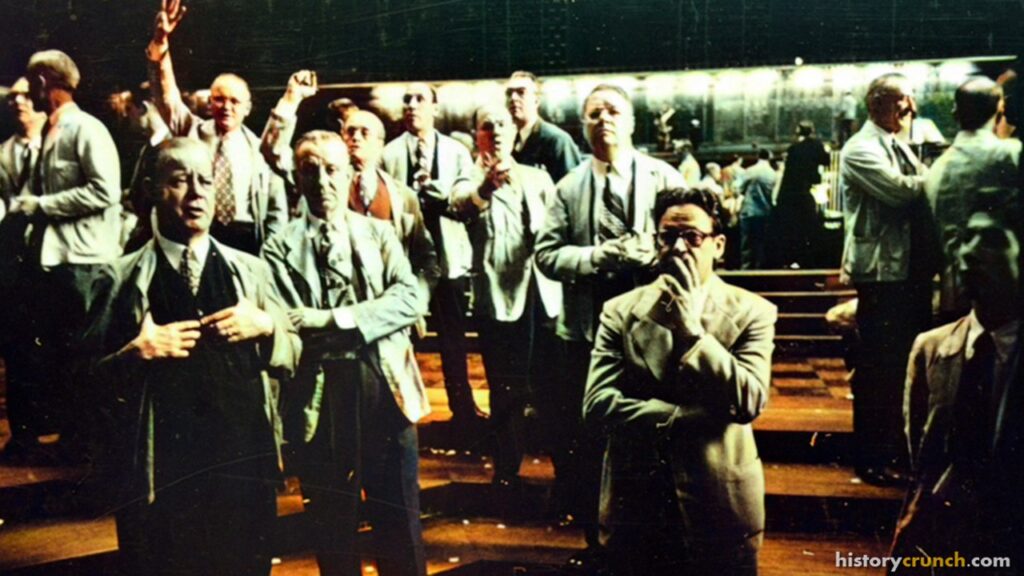
Supply and demand is a key principle in economics and is especially important in right-wing economic systems such as laissez-faire capitalism and free market economies. Supply and demand is the concept that explains how prices are determined in a market. As well, it plays an important role in terms of how buyers and sellers interact to decide what is produced, how much is produced, and the price that goods and services are.
WHAT IS ECONOMICS?
Economics is the study of how societies handle the distribution of money (wealth) and the production of goods and services. There are several different types of economic systems that historians and economists have identified throughout history, but the study of economics is usually centered around two main concepts, which include microeconomics and macroeconomics. Some key elements of any economic system which are important to understand are supply and demand, the boom and bust cycle, employment and government intervention.
SUPPLY AND DEMAND – SUMMARY
In any economy there are producers and consumers. Producers are the individuals and companies who supply goods and services for others to purchase. Consumers are the individuals and companies who purchase those goods and services. In a government-controlled economy, such as a command economy, the actions of producers and consumers are heavily regulated and controlled by central planners. However, laissez-faire capitalism holds that the government should leave producers and consumers alone and instead allow the forces of supply and demand to control the economy.
For instance, in his book ‘Wealth of Nations’ Adam Smith introduced the idea of the ‘invisible hand’. Simply put, the ‘invisible hand’ is the idea that the market forces of supply and demand should drive the economy of a country. Producers should be free to produce any good or service they want and consumers should be allowed to purchase any good or service. The success of a particular good or service would therefore be conditional on its ability to appeal to a large base of consumers. In turn, supply and demand would also be responsible for setting the price of any given good or service. For example, if a product was in short supply, but was in heavy demand, the price of the product would be at its highest. The reverse situation would see the price of the product plummet to its lowest possible price. When the supply and demand of a particular good or services are at the same level it is referred to as equilibrium.
As well, supply and demand would also be responsible for setting the wages of workers. If there are many people with the same skill set and only a few jobs, then the wage that a worker could demand would be quite low. Whereas, if the worker has a specialized skill set that not many other possess, then he or she could demand a higher wage. Therefore, laissez-faire capitalists argue that limiting the government and allowing the forces of supply and demand to control the economy is the best means of setting appropriate prices and wages for the producers and consumers in society.
Several factors can influence supply and demand. For demand, factors include income levels, consumer preferences, prices of related goods, and population size. For supply, factors such as production costs, technology, taxes, and weather conditions can all have an impact. For instance, a poor harvest might reduce the supply of wheat, raising its price, while a rise in income could increase demand for luxury goods since people have more money to spend. These shifts affect market equilibrium and can lead to new prices and quantities being established.
SUPPLY AND DEMAND – SIGNIFICANCE
The concept of supply and demand is significant because it helps explain how markets function in an economy and why prices change for particular goods and services. Furthermore, it allows businesses to make better decisions about production and pricing and helps governments understand how fiscal policies affect the economy. For example, when demand for a particular item increases over time, manufacturers increase production, leading to technological innovation and lower costs over time. Similarly, when supply is limited, prices rise, signaling to producers to increase output.