Roles of Men and Women in the Aztec Empire: A Detailed Summary

Roles of Men and Women in the Aztec Empire
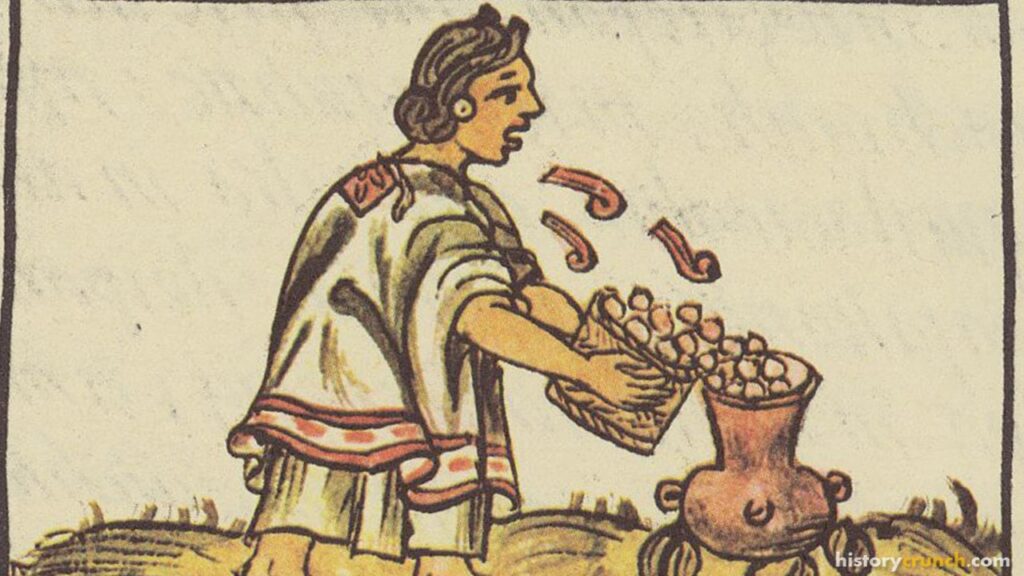
Aztec Women from Florentine Codex.

Table of Contents

The roles of men and women in the Aztec Empire varied based on tradition and the social structures of Aztec society. This article details the differences between men and women in Aztec daily life.

The roles of men and women in the Aztec Empire were important to the overall culture and daily life of the Aztec people. For instance, Aztec men were primarily warriors, farmers, and craftsmen, responsible for defending the empire and providing for their families. On the otherhand, Aztec women generally managed the household, cooked, wove textiles, acted as midwives, or merchants. While men dominated political and military life, women played crucial roles in religion, trade, and maintaining social structure.

WHO WERE THE AZTEC?

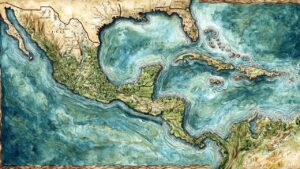
The Aztec Empire was a civilization in central Mexico that thrived in the time before the arrival of European explorers during the Age of Exploration.  Throughout its history as a civilization the Aztec Empire expanded across much of central Mexico and other surrounding areas, to become the most dominant and powerful people in the region.  Tenochtitlan, the main Aztec city (or altepetl), was the center of this vast empire.
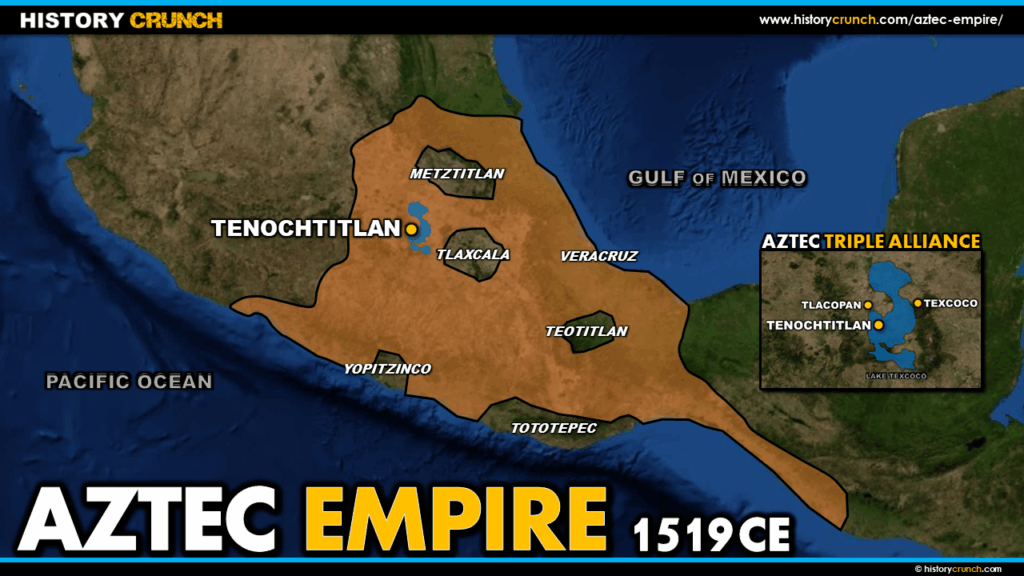
Map of the Aztec Empire and Aztec Triple Alliance
Map of the Aztec Empire and Aztec Triple Alliance by History Crunch

ROLES OF MEN AND WOMEN

There were several different forms of work in the Aztec Empire.  As such, Aztec men and women had very different roles.  In general, men were expected to do more laborious work while women were expected to work in the household and care for the family.  For example, women were tasked with caring for young children, preparing meals and repairing clothing.  Some women worked as artisans or craftspeople and sold their creations in the many different markets that were so important to the Aztec economy.​ 

Aztec Food and Farming
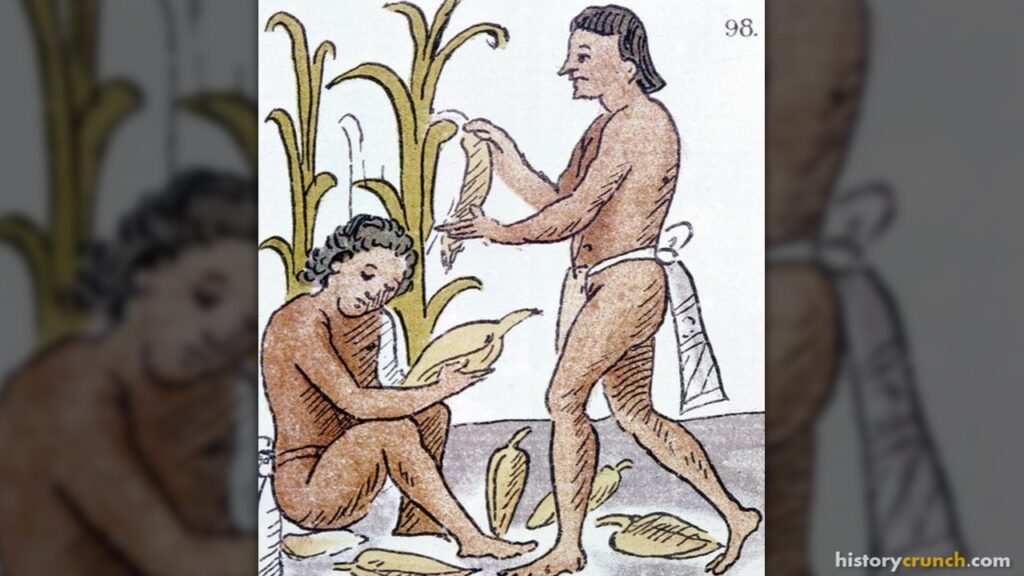
Aztec farmers harvesting maize (corn).

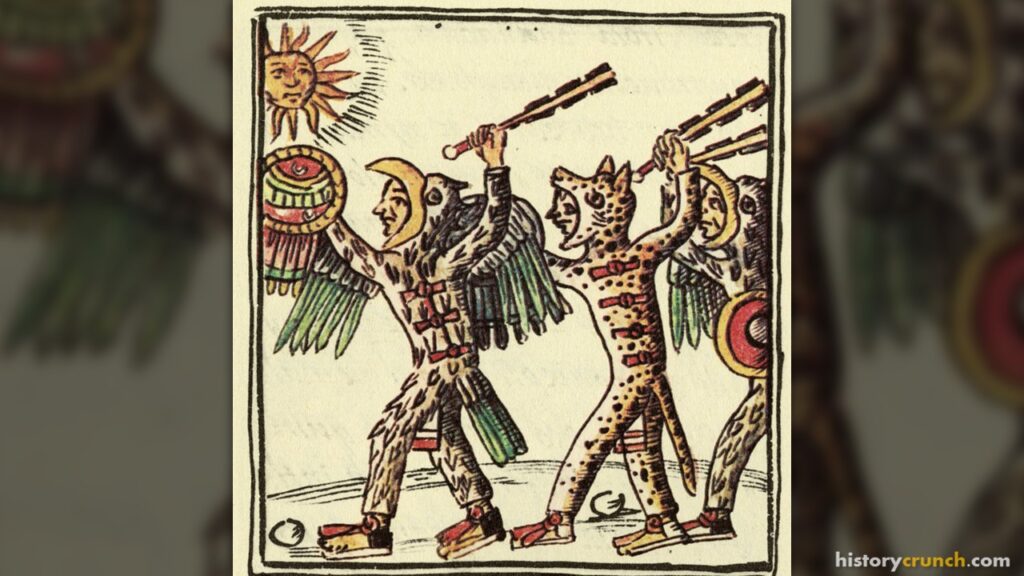
For their part, men worked in several different occupations, including: farmer, artisan, craftsman, merchant, warrior, priest or government official.  For instance, commoners or middle class citizens in the Aztec Empire (who were referred to as macehualtin) mostly worked as farmers growing crops such as maize (corn), beans and squash.  Some, who were skilled artists and creators, worked as artisans and sold their goods at market.  The Aztec referred to skilled artisans as tolteca after the earlier Toltec civilization that the Aztec admired.  The commoners were also required to work, at different times, to build and maintain the temples and public buildings in the Aztec city of Tenochtitlan.  Some macehualtin worked as merchants in the markets by selling and trading different types of goods.  Furthermore, some men worked as long distance traders, which were referred to as pochteca.  These men carried goods from vast distance across the Aztec Empire to different markets.  As well, all Aztec men were expected to serve time in the Aztec military as a warrior.  For instance, the boys trained from a very young age to use different types of Aztec weapons and the rules and conduct of battle.  Men of the noble class (pipiltin) were trained from a very young age to serve as high priests or in top government positions.  These people oversaw the many Aztec ceremonies and festivals, and carried out the functions of the Aztec government.​

Flower Wars in the Aztec Empire
Aztec Warriors from the Florentine Codex.
Facebook
X
Reddit
Pinterest
LinkedIn

We strive to produce educational content that is accurate, engaging and appropriate for all learners. If you notice any issues with our content, please contact us and let us know!

AUTHOR INFORMATION
Picture of Elias Beck

Elias Beck

I'm a passionate history and geography teacher with over 15 years of experience working with students in the middle and high school years. I have an Education Degree with a focus in World History. I have been writing articles for History Crunch since 2015 and love the challenge of creating historical content for young learners!
Aztec Aqueducts and Water Systems.
Aztec Empire

Aztec Aqueducts and Water Systems: A Detailed Summary

The Aztec aqueducts and water systems allowed the island city of Tenochtitlan to grow into one of the largest cities in the world. The Aztecs built aqueducts, dikes, dams, and canals to bring in fresh water and hold back floods. These structures were a key part of the success of the Aztec Empire.

Aztec Slavery (Tlacotin).
Aztec Empire

Aztec Slavery (Tlacotin): A Detailed Summary

Aztec slavery, known as tlacotin, made up the lowest class in Aztec society. Unlike later colonial slavery, it was not hereditary, and slaves could own property, marry, and even buy their freedom. Learn how people became slaves and how they could regain their liberty.

Aztec Chinampas (Floating Gardens).
Aztec Empire

Aztec Chinampas (Floating Gardens): A Detailed Summary

Aztec chinampas, or floating gardens, were human-made islands built on shallow lakes to grow food. These fertile plots fed the huge city of Tenochtitlan and remain a famous example of Aztec engineering that still survives near Mexico City today.

Quetzalcoatl
Aztec Empire

Quetzalcoatl (Aztec God): A Detailed Summary

Quetzalcoatl was one of the most significant Aztec gods. Often depicted as a serpent with bright feathers, Quetzalcoatl, was an important god throughout Mesoamerican history and societies and was not just related to the Aztecs.

Artistic representation of Aztec Housing.
Aztec Empire

Aztec Housing: A Detailed Summary

Aztec housing revealed a family’s place in society, from tiny mud-brick huts to grand stone palaces. Homes ranged from one-room commoner dwellings to noble houses with courtyards and gardens. Nearly every home, rich or poor, also had its own steam bath.