German unification in 1871 was one of the most important events of the 19th century, and its impacts reshaped the map of Europe and helped set the stage for the two world wars of the 20th century. Before 1871, the German-speaking lands of central Europe were a scattered collection of separate states. Once they were joined together into the German Empire, a powerful new nation appeared at the center of the continent almost overnight. The effects of this change were felt in politics, economics, military affairs, and the daily lives of ordinary people across Europe.
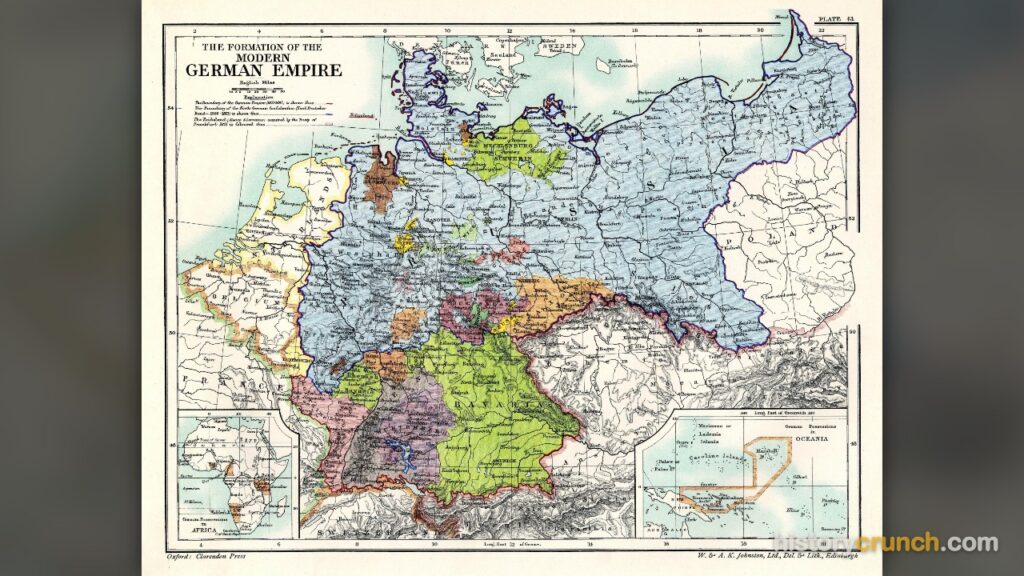
German unification refers to the process by which dozens of independent German-speaking kingdoms, duchies, and free cities were brought together into a single unified country under the leadership of Prussia. This process was driven by the rise of nationalism and was carried out by the Prussian statesman Otto von Bismarck through a mix of careful diplomacy and three short but decisive wars. The impacts of unification are the many changes, both immediate and long-term, that followed the creation of this new empire.
What Was Nationalism in 19th-Century Europe?
The impacts of German unification cannot be understood without first understanding the age of nationalism in which they took place. Nationalism is the belief that people who share a common language, culture, and history should belong to the same nation and govern themselves. During the 1800s, this idea spread quickly across Europe and inspired many groups to seek their own independent countries.
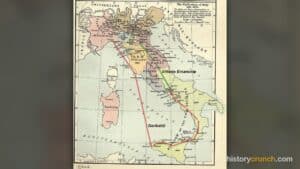
In the German-speaking lands, nationalism grew stronger after the defeat of the French emperor Napoleon Bonaparte in 1815. More specifically, students, teachers, and members of the middle class began to argue that the many separate German states should be joined into one nation. For decades this dream seemed unlikely, since the region was divided into more than 30 separate states, each with its own ruler and its own laws. In fact, a similar wave of nationalism was also unifying Italy during the same period, which shows how powerful the idea had become across the continent.
How Did Unification Change the Balance of Power in Europe?
One of the most important impacts of German unification was that it shattered the balance of power that had kept Europe relatively stable since 1815. After the defeat of Napoleon, the leading European nations had met at the Congress of Vienna and arranged the continent so that no single country could dominate the others. The sudden appearance of a large, unified Germany at the heart of Europe upset that careful arrangement.
Before unification, the German-speaking lands had little combined military or economic strength. After 1871, however, the German Empire was immediately one of the strongest powers on the continent. This shift alarmed the other great powers, especially France and Britain, who now had to rethink their alliances and their military plans. In reality, the creation of Germany forced every major nation in Europe to adjust to a new and more dangerous political landscape.
What Were the Effects on France?
The impacts of German unification fell especially hard on France, which had been humiliated in the Franco-Prussian War of 1870 to 1871. The final act of unification took place when the German Empire was proclaimed in the Hall of Mirrors at the Palace of Versailles, just outside Paris. Holding this ceremony on French soil was a deliberate insult that made the defeat even more painful for the French people.
The war ended with the Treaty of Frankfurt, signed on May 10th, 1871. Under the terms of the treaty, France was forced to give up the territory of Alsace and most of Lorraine to Germany and to pay a huge financial penalty of five billion francs. These harsh terms created deep and lasting resentment in France. For instance, many French people spent the following decades hoping to win back the lost provinces and to take revenge on Germany, and this bitterness became a major source of tension between the two countries.
How Did Unification Affect Germany’s Economy and Industry?
Another major impact of German unification was rapid economic growth and industrialization. Before 1871, the separate German states had different currencies, tariffs, and systems of weights and measures, which made trade difficult. Bringing these states together created a single large market where goods, workers, and money could move freely.
As a result, Germany industrialized at an astonishing speed in the decades after unification. Factories, railroads, coal mines, and steelworks expanded quickly, and the new nation soon became one of the leading industrial powers in the world. More specifically, Germany’s output of coal, iron, and steel grew until it rivaled and even surpassed that of older industrial nations such as Britain. This industrial strength gave Germany both wealth and the ability to build a modern and powerful military.
What Changes Happened Inside the New Germany?
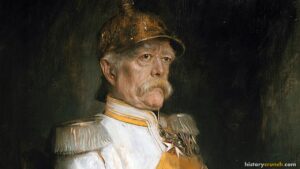
Unification also transformed the way Germans were governed and how they thought of themselves. The new German Empire was a federal state made up of 25 separate territories, but it was firmly dominated by Prussia. The Prussian king became the German emperor, or Kaiser, and Otto von Bismarck became the first chancellor of the empire.
The empire created a national parliament called the Reichstag, along with a single system of laws, currency, and postal service that tied the states more closely together. At the same time, Bismarck worked to strengthen a shared sense of German identity. In fact, he sometimes did this through harsh policies, including efforts to reduce the influence of the Catholic Church, in a campaign known as the Kulturkampf, which is a German term meaning “culture struggle.” These changes helped turn a loose collection of states into a single modern nation, though not everyone inside the empire felt equally welcome.
How Did Unification Lead Toward the World Wars?
Perhaps the most far-reaching impact of German unification was the way it helped set Europe on the path to war. After 1871, Bismarck built a complex system of alliances designed to keep France isolated, because he feared the French would one day seek revenge for their defeat. Over time these alliances hardened into two large and opposing groups of nations.
France’s anger over the loss of Alsace and Lorraine, combined with Germany’s growing military ambitions, fed directly into the arms race and the alliance systems that became major causes of World War I. For example, both France and Germany roughly doubled the size of their armies between 1870 and 1914. Later, under Kaiser Wilhelm II, Germany also began building a large navy that alarmed Britain and added to the rivalry. When war finally broke out in 1914, the tensions created by unification decades earlier were among its deepest roots. The overall consequences reached even further, since Germany’s defeat in World War I and the harsh peace that followed later helped create the conditions that led to World War II.
Significance of Impacts of German Unification
The impacts of German unification were significant because they changed Europe more completely than almost any other event of the 19th century. First, unification created one of the most powerful nations in the world almost overnight, turning a fragmented region into a leading military and industrial empire. This new strength gave Germany a central role in European affairs that it had never held before.
Second, the impacts were significant because they broke the balance of power that had kept Europe stable and replaced it with rivalry, suspicion, and competing alliances. As stated above, the resentment between France and Germany and the arms race that followed contributed directly to the outbreak of World War I. In this way, a single event in 1871 helped shape the entire course of the 20th century.
Finally, the impacts of German unification were significant because they created the modern German nation that still exists today. The economic, political, and national changes that began in 1871 laid the foundation for a country that would remain one of the most important nations in Europe, for both good and ill, for generations to come.
Frequently Asked Questions
What were the main impacts of German unification?
The main impacts of German unification were the creation of a powerful new nation, a shift in the European balance of power, rapid industrialization, and rising tensions that helped lead to World War I. Unification also produced a modern federal government and a stronger sense of German national identity. Together these changes affected nearly every country in Europe.
Why did German unification anger France?
German unification angered France because it followed France’s humiliating defeat in the Franco-Prussian War and involved the loss of the provinces of Alsace and Lorraine. The German Empire was even proclaimed at the Palace of Versailles, near Paris, which made the defeat feel like a national insult. Many French leaders then spent decades hoping to recover the lost land.
How did unification make Germany powerful?
Unification made Germany powerful by combining the resources, populations, and economies of many separate states into one large nation. A single market allowed trade to grow and helped Germany industrialize faster than almost any other country in Europe. Its growing wealth and factories also allowed it to build a strong modern army and navy.
Did German unification cause World War I?
German unification did not directly cause World War I, but it created many of the long-term conditions that led to it. The rivalry between France and Germany, the arms race, and the system of competing alliances all grew out of the changes that unification set in motion. These tensions were building for more than 40 years before the war finally began in 1914.
Who was in charge of Germany after unification?
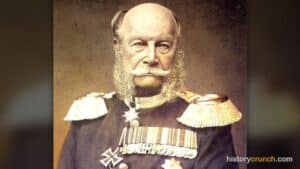
After unification, the Prussian king Wilhelm I became the first German emperor, known as the Kaiser, while Otto von Bismarck served as the first chancellor. Bismarck controlled much of the empire’s policy and diplomacy for nearly 20 years. Prussia remained the dominant state within the new German Empire.
Cite This Article
To cite this article as a source, use one of the formats below.
MLA: Millar, B. “Impacts of German Unification: A Detailed Summary.” HistoryCrunch, 12 August 2026, https://historycrunch.com/impacts-of-german-unification/.
APA: Millar, B. (2026). Impacts of German Unification: A Detailed Summary. HistoryCrunch. https://historycrunch.com/impacts-of-german-unification/
Chicago: Millar, B. “Impacts of German Unification: A Detailed Summary.” HistoryCrunch. August 12, 2026. https://historycrunch.com/impacts-of-german-unification/
Sources
- Norman Davies, Europe: A History.