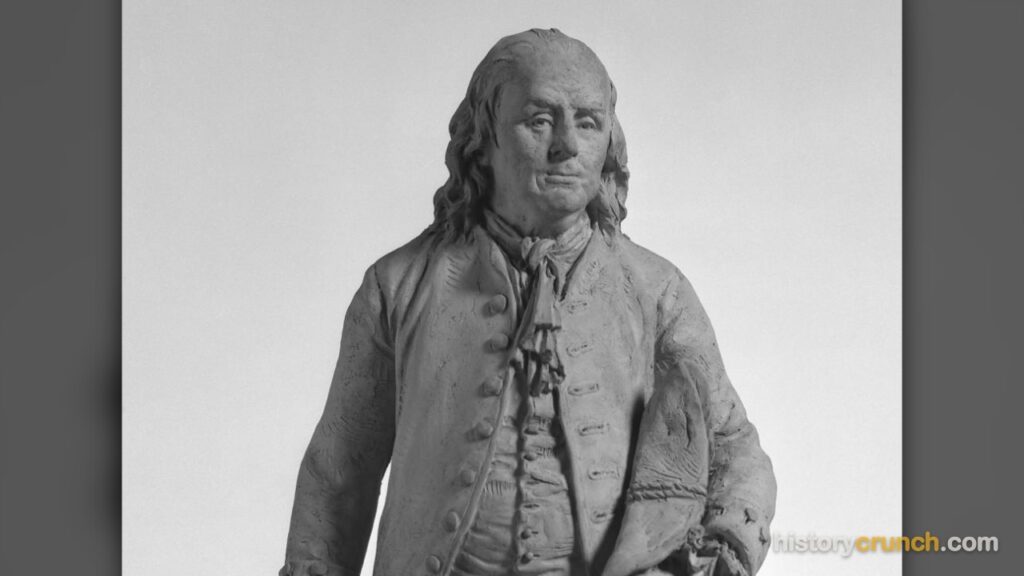
The Age of Enlightenment stands as one of the most important influences on the American Revolution, because it gave the American colonists the ideas they used to justify breaking away from Great Britain and building a new kind of government. The Age of Enlightenment was an intellectual movement of the 1600s and 1700s that encouraged people to rely on reason, science, and individual rights instead of tradition and unquestioned authority. When the colonists began to challenge British rule, they turned to these new ideas about natural rights, government by consent, and the limits of political power. As stated above, the Enlightenment did not cause the Revolution by itself, but it shaped the way colonists thought about freedom, fairness, and the purpose of government.
In simple terms, the Age of Enlightenment was a period in which famous thinkers and philosophers questioned the basic foundations of society, including the role of government, the source of authority, and the rights of ordinary people. Its ideas spread through books, pamphlets, newspapers, salons, and coffeehouses, and they eventually crossed the Atlantic Ocean to the thirteen colonies in North America. There, educated colonists read and debated these ideas, and the ideas slowly became part of how they viewed their relationship with Britain.
What Was the Age of Enlightenment?
The Age of Enlightenment, also known as the Age of Reason, was an intellectual movement that grew powerful in Europe during the 18th century. Enlightenment thinkers such as John Locke, Baron de Montesquieu, Jean-Jacques Rousseau, and Voltaire offered new and revolutionary ideas about authority, the role of government, and the structure of society. In fact, these thinkers encouraged people across Europe, and later the world, to question tradition and consider new ways of living.
The movement built on earlier developments such as the Renaissance, the Scientific Revolution, and the Protestant Reformation. Enlightenment thinkers believed that the laws of nature could be discovered through observation and reason, and that human society could be improved through careful thinking rather than blind obedience. More specifically, many of them argued against absolute authority and instead favored limits on the power of kings and governments.
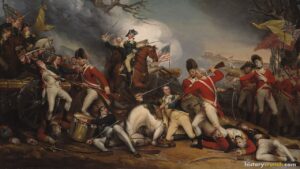
These ideas did not stay in Europe. They inspired major historical events such as the American Revolution in 1776 and the French Revolution in 1789. As stated above, the Enlightenment laid the foundation for modern democracy, human rights, and modern scientific thinking, and its influence reached directly into the thirteen American colonies.
Which Enlightenment Ideas Reached the American Colonies?
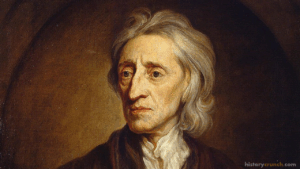
The most important Enlightenment idea to reach the colonies was the concept of natural rights. John Locke, a British philosopher often called the “Father of Liberalism,” argued that all people are born with natural rights to life, liberty, and property. Furthermore, he argued that it was the role of government to protect these rights, not to take them away.
Locke also developed the idea of the social contract. In simple terms, this was the belief that legitimate government depends on the consent of the governed, meaning the people agree to be ruled in exchange for protection of their rights. Locke went a step further and argued that if a government failed to protect these rights or became tyrannical, then the people had the right to resist it and even replace it.
Another key thinker was Baron de Montesquieu, a French philosopher who studied how governments could be organized to protect liberty. He suggested that governments should be divided into three branches, the executive, the legislative, and the judicial, to prevent any single leader from gaining too much power. This idea, known as the separation of powers, would later shape the government of the new United States.
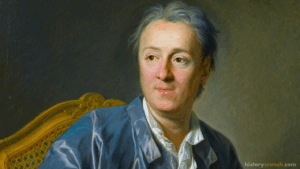
Other thinkers added to this pool of ideas. Jean-Jacques Rousseau argued that all government rested on a social contract created by the people themselves, and he insisted on the equality of citizens. Voltaire, meanwhile, championed freedom of speech and religious toleration. Together, these thinkers gave the colonists a powerful vocabulary of liberty, equality, and rights.
How Did Enlightenment Ideas Spread in the Colonies?
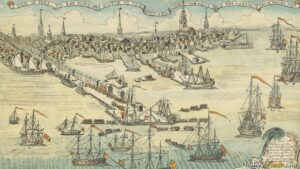
Enlightenment ideas spread to the colonies through the rise of print culture. Books, pamphlets, and newspapers made it possible to share new ideas quickly and widely, even across a large ocean. Educated colonists, including many of the men who would become leaders of the Revolution, read the works of Locke and Montesquieu and discussed them in homes, taverns, and meeting halls.
One of the most powerful examples of this print culture was a pamphlet titled Common Sense, written by Thomas Paine and published in January of 1776. In plain language that ordinary people could understand, Paine argued that monarchy itself was an unjust form of government and that the colonies should declare independence. For instance, his pamphlet took complex Enlightenment ideas and made them accessible to a mass audience, which helped turn public opinion toward independence.
By the 1770s, many colonists no longer saw themselves simply as loyal British subjects who accepted rule by birth and divine right. Instead, a distinct colonial identity had been developing for generations, and Enlightenment ideas gave that identity a clear language of rights and self-government. In reality, the Revolution was an intellectual shift before it ever became a military conflict.
How Did the Enlightenment Shape the Declaration of Independence?
The clearest example of the Enlightenment’s impact on the American Revolution is the Declaration of Independence, adopted in July of 1776. The document was written mainly by Thomas Jefferson, who drew heavily on the ideas of John Locke. In fact, the Declaration reads almost like a summary of Locke’s theory of natural rights.
The Declaration stated that “all men are created equal” and that they are entitled to certain unalienable rights, including life, liberty, and the pursuit of happiness. This phrasing closely echoed Locke’s idea of life, liberty, and property, with Jefferson choosing the phrase “pursuit of happiness” instead. More specifically, the document argued that governments exist to protect these rights and that they draw their power from the consent of the governed.
The Declaration then applied Locke’s idea of the right to resist tyranny. It argued that when a government fails to protect the rights of the people, those people have the right to change or abolish it and to form a new government. In this way, the colonists used Enlightenment philosophy to justify their decision to separate from Britain and to explain that decision to the rest of the world.
How Did Enlightenment Ideas Shape the New American Government?
Enlightenment ideas did not disappear once independence was declared. They also guided the many decisions Americans made during and after the Revolutionary War, especially as they built new governments. Beginning in 1776, the individual states wrote their own constitutions, and many of these documents reflected Enlightenment principles such as the separation of powers and checks and balances.
These same principles later shaped the United States Constitution, which was adopted in 1787. Montesquieu’s idea of dividing government into three branches became the basic blueprint for the new national government, with a legislative branch, an executive branch, and a judicial branch that could check one another. As stated above, this design was meant to prevent any single person or group from gaining too much power.
In 1791, the Bill of Rights added written protections for individual rights such as freedom of speech, freedom of religion, and freedom of assembly. In reality, these protections were a direct expression of Enlightenment beliefs about natural rights and individual liberty. Enlightenment thinking also guided diplomacy during the war, as American leaders framed their struggle as a fight for universal rights in order to win support from France.
Significance of How did the Age of Enlightenment impact the American Revolution?
The Age of Enlightenment gave the American Revolution its ideas, its language, and its justification. Without Enlightenment concepts such as natural rights, government by consent, and the separation of powers, the colonists would not have had the intellectual tools to explain why they deserved independence or what kind of nation they wanted to build. In this way, the Enlightenment turned a dispute over taxes and self-government into a struggle over the very purpose of government.
The impact reached far beyond the Revolution itself. The founding documents of the United States, especially the Declaration of Independence and the Constitution, spread Enlightenment ideas to millions of people and became models for other nations. For instance, the French Revolution of 1789 and later independence movements in Latin America and elsewhere drew directly on the same ideas of liberty and popular sovereignty.
Finally, the language of the American founding proved difficult to contain. The idea that “all men are created equal” was later used by abolitionists, supporters of women’s rights, and civil rights leaders to demand that the nation live up to its own promises. As such, the Enlightenment’s influence on the American Revolution continues to shape debates about freedom and equality in the United States today.
Frequently Asked Questions
What was the Age of Enlightenment in simple terms?
The Age of Enlightenment was an intellectual movement of the 1600s and 1700s that valued reason, science, and individual rights over tradition and unquestioned authority. It began in Europe, where thinkers challenged the idea that kings ruled by divine right. Over time, its ideas spread across the world and helped inspire revolutions and new forms of government.
Which Enlightenment thinker had the biggest impact on the American Revolution?
John Locke had the biggest impact on the American Revolution because his ideas about natural rights and government by consent shaped the Declaration of Independence. Locke lived in the 1600s in England, long before the Revolution, yet his writings became extremely popular among colonial readers. His argument that people could resist an unjust government gave the colonists a clear reason to break away from Britain.
How did Enlightenment ideas travel from Europe to the colonies?
Enlightenment ideas traveled to the colonies mainly through printed books, pamphlets, and newspapers carried across the Atlantic Ocean. Wealthy and educated colonists purchased these works and discussed them in meeting halls, taverns, and private homes. Many colonial leaders, including future founders, also studied at colleges where Enlightenment texts were read and debated.
Did the Enlightenment cause the American Revolution?
The Enlightenment did not cause the American Revolution by itself, but it shaped how colonists understood the conflict. The Revolution was also driven by practical disputes such as British taxes, trade rules, and the denial of self-government. The Enlightenment mattered because it gave colonists the ideas they needed to explain why those actions were unjust and why independence was the answer.
How is the Enlightenment reflected in the United States Constitution?
The United States Constitution reflects the Enlightenment through its separation of powers and its system of checks and balances. These features came largely from Baron de Montesquieu, who argued that dividing government into three branches would prevent abuses of power. The Bill of Rights, added in 1791, also reflected Enlightenment beliefs by protecting individual freedoms such as speech and religion.
Cite This Article
To cite this article as a source, use one of the formats below.
MLA: Millar, B. “How did the Age of Enlightenment impact the American Revolution?: A Detailed Summary.” HistoryCrunch, 9 August 2026, https://historycrunch.com/how-did-the-age-of-enlightenment-impact-the-american-revolution/.
APA: Millar, B. (2026). How did the Age of Enlightenment impact the American Revolution?: A Detailed Summary. HistoryCrunch. https://historycrunch.com/how-did-the-age-of-enlightenment-impact-the-american-revolution/
Chicago: Millar, B. “How did the Age of Enlightenment impact the American Revolution?: A Detailed Summary.” HistoryCrunch. August 9, 2026. https://historycrunch.com/how-did-the-age-of-enlightenment-impact-the-american-revolution/
Sources
- Dorinda Outram, The Enlightenment.
- Roy Porter, The Enlightenment / Enlightenment: Britain and the Creation of the Modern World.