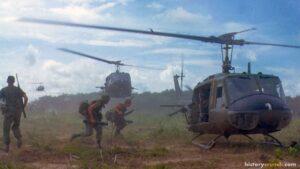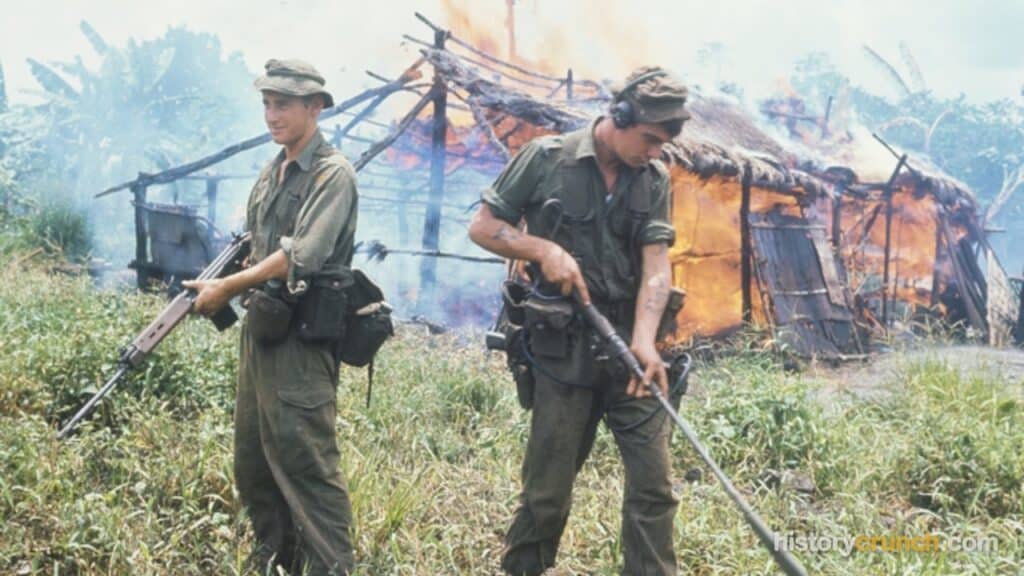
Guerrilla warfare was one of the most important features of the Vietnam War and helped shape how the conflict was fought and remembered. It allowed a smaller, less-equipped force to stand against the powerful military of the United States for many years. The Vietnam War was a major military conflict that took place primarily between 1955 and 1975, pitting the communist government of North Vietnam against South Vietnam and its principal ally, the United States. Within that struggle, communist fighters in the south relied heavily on ambushes, hidden tunnels, booby traps and hit-and-run attacks rather than large, open battles.
Guerrilla warfare is a type of fighting carried out by small, irregular groups of soldiers instead of large, formal armies. The word comes from the Spanish word guerrilla, which means “little war.” Instead of meeting the enemy in a direct, head-on battle, guerrilla fighters use surprise, secrecy and knowledge of the local land to strike quickly and then disappear. This style of combat is often chosen by a weaker force facing a stronger and better-armed opponent.
What Was the Vietnam War?
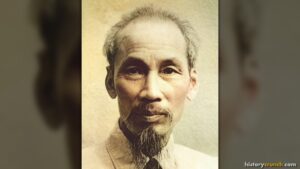
The Vietnam War was a long and violent conflict that lasted from 1955 until 1975 and became one of the most famous wars of the 20th century. It grew out of decades of tension linked to colonialism, nationalism and the ideological rivalry of the Cold War between the United States and the Soviet Union. The northern half of the country was controlled by communists led by Ho Chi Minh, while the south was governed by leaders supported by western democracies such as the United States.
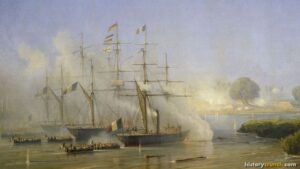
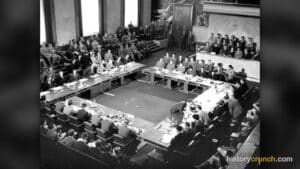
The roots of the war stretched back to the period of French colonial rule and the years of World War II, when Japan dominated the region. After Japan was defeated, France tried to regain control of Vietnam, but it was beaten at the battle of Dien Bien Phu in 1954. As a result, the country was divided along the 17th parallel, with communists holding the north and a separate government holding the south. In reality, this division set the stage for years of fighting as North Vietnam sought to unite the entire country under communist rule.
Because the United States feared the spread of communism, it entered the war militarily and played a large role for several years. American leaders followed a policy of containment, which aimed to stop communism from expanding around the world. As such, historians consider the Vietnam War to be a “proxy war” within the larger Cold War, with the north backed by the Soviet Union and China, and the south backed by the west.
Who Fought the Guerrilla War in Vietnam?
The main guerrilla fighters in the Vietnam War were the Viet Cong, a communist force based in South Vietnam that supported the north. The Viet Cong were made up of a mix of ordinary villagers, part-time fighters and trained soldiers who believed in uniting Vietnam under communist rule. Many of them lived among regular civilians, which made them extremely difficult for American and South Vietnamese troops to identify.
It is important to understand that the Viet Cong were not the same as the North Vietnamese Army, though the two often worked together. The Viet Cong operated inside the south as an insurgent force, while the North Vietnamese Army was a regular, organized military based in the north. More specifically, the Viet Cong and the northern army frequently coordinated joint attacks against American and South Vietnamese forces.
To supply their fighters in the south, the communists relied on the Ho Chi Minh Trail. This was a long network of paths that ran through the mountains and forests, often crossing into neighboring Laos and Cambodia. Along these routes, the north sent weapons, food and reinforcements, much of it supplied by allies such as the Soviet Union and China.
What Guerrilla Tactics Did the Viet Cong Use?
The Viet Cong relied on tactics designed to weaken a stronger enemy over time rather than defeat it in a single battle. One of the most common was the ambush, in which fighters hid in the jungle or fields and attacked American patrols by surprise. After striking, they would quickly retreat and vanish before the Americans could organize a full response. This approach is often called a hit-and-run tactic.
Another key tactic was blending in with the civilian population. Viet Cong fighters often dressed as ordinary farmers and villagers, which made it nearly impossible for American soldiers to tell friend from enemy. In fact, this created deep fear and suspicion among American troops, who could never be sure whether the people around them were harmless or dangerous.
The Viet Cong also made heavy use of booby traps, which were hidden devices meant to injure or kill enemy soldiers. The most famous of these were punji stakes, which were sharpened bamboo or wooden spikes placed at the bottom of a hidden pit. These stakes were often covered with a thin layer of leaves and sometimes coated with substances meant to cause infection in the wound. Other traps used hidden grenades and repurposed explosives, all built from cheap and easily available materials.
How Did Tunnels Help the Guerrilla Fighters?
One of the most remarkable features of the guerrilla war was the huge underground tunnel system built by the Viet Cong. The most famous of these were the Cu Chi tunnels, located near the city of Saigon in the south. Fighters and local villagers dug these tunnels by hand, often through hard clay soil that held its shape well and resisted bombing.
The tunnels served as a hidden world beneath the surface, complete with living quarters, storage areas, command posts and escape routes. From these underground bases, the Viet Cong could launch surprise attacks, then quickly disappear back below ground before American forces could catch them. The entrances were carefully hidden and made very small, which allowed the smaller Vietnamese fighters to slip through while making it hard for larger American soldiers to follow.
To fight this underground threat, the United States trained special soldiers known as tunnel rats. These men crawled into the dark, narrow tunnels to search for enemy fighters, weapons and supplies. It was extremely dangerous work, since the tunnels were often rigged with booby traps and defended by hidden guerrillas.
Why Was Guerrilla Warfare So Effective?
Guerrilla warfare was effective because it turned the strengths of the American military into weaknesses. The United States had powerful aircraft, tanks and heavy weapons, but these tools worked best in large, open battles. By refusing to fight in that way, the Viet Cong avoided the situations where American firepower was most deadly.
The dense jungles, rice paddies and mountains of Vietnam also gave the guerrillas a major advantage. Because the fighters knew the land far better than the Americans, they could move, hide and strike with great skill. As stated above, the lack of a clear front line meant that danger could come from any direction at any time, which wore down American soldiers physically and mentally.
Guerrilla warfare was also a political struggle as much as a military one. The communists worked hard to win the support of ordinary Vietnamese people in the countryside, which gave them food, shelter and information. This support made it possible for the guerrillas to keep fighting year after year, even as they suffered heavy losses.
Significance of Guerrilla Warfare in the Vietnam War
The significance of guerrilla warfare in the Vietnam War is that it allowed a weaker force to resist and eventually outlast one of the most powerful militaries in the world. Despite years of bombing and heavy casualties, the communist fighters continued to strike and survive, which slowly wore down American resolve. In reality, this style of fighting helped make the war long, frustrating and costly for the United States.
Guerrilla warfare also changed how the American public viewed the conflict. As the war dragged on with no clear victory, support in the United States weakened dramatically, and the anti-war movement grew. This loss of public support was a major factor that eventually pushed American leaders to withdraw from the war.
Finally, the guerrilla war in Vietnam became a lasting lesson in military history. It showed that advanced technology and overwhelming firepower do not guarantee victory against a determined enemy who uses unconventional tactics. For this reason, the tactics of the Viet Cong have been studied closely by militaries around the world in the decades since the war ended.
Frequently Asked Questions
What Is Guerrilla Warfare in Simple Terms?
Guerrilla warfare is a type of fighting in which small groups use surprise attacks and quick escapes instead of large, open battles. It is usually chosen by a weaker force that cannot win a direct fight against a stronger army. Fighters depend on secrecy, speed and knowledge of the local land to strike and then disappear before the enemy can respond.
Who Were the Viet Cong?
The Viet Cong were communist guerrilla fighters based in South Vietnam who supported the north during the war. Many were villagers and part-time soldiers who lived among ordinary people, which made them very hard to find. After Vietnam was reunited under communist rule in the mid-1970s, the Viet Cong were no longer needed as a separate fighting force and were disbanded.
What Were Punji Stakes?
Punji stakes were sharpened bamboo or wooden spikes used by the Viet Cong as a booby trap. They were placed at the bottom of a hidden pit and covered with leaves so that soldiers would fall onto them. The spikes were sometimes coated with harmful substances to cause serious infection, which made even a small wound dangerous in the hot, tropical climate.
Why Did the Viet Cong Dig Tunnels?
The Viet Cong dug tunnels to hide from American firepower and to move safely without being seen. The tunnels held living areas, supply rooms and command posts, allowing fighters to survive underground for long periods. They also made it possible to launch surprise attacks and then vanish before American forces could strike back.
Why Was It Hard for the United States to Beat Guerrilla Fighters?
It was hard for the United States to beat the guerrillas because their tactics avoided the large battles where American weapons were strongest. The fighters blended in with civilians and knew the jungle terrain far better than the Americans did. As a result, there was no clear front line, and American troops faced constant danger that slowly wore down their strength and morale.
Cite This Article
To cite this article as a source, use one of the formats below.
MLA: Millar, B. “Guerrilla Warfare in the Vietnam War: A Detailed Summary.” HistoryCrunch, 16 August 2026, https://historycrunch.com/guerrilla-warfare-in-the-vietnam-war/.
APA: Millar, B. (2026). Guerrilla Warfare in the Vietnam War: A Detailed Summary. HistoryCrunch. https://historycrunch.com/guerrilla-warfare-in-the-vietnam-war/
Chicago: Millar, B. “Guerrilla Warfare in the Vietnam War: A Detailed Summary.” HistoryCrunch. August 16, 2026. https://historycrunch.com/guerrilla-warfare-in-the-vietnam-war/
Sources
- Fredrik Logevall, Embers of War.
- Max Hastings, Vietnam: An Epic Tragedy.