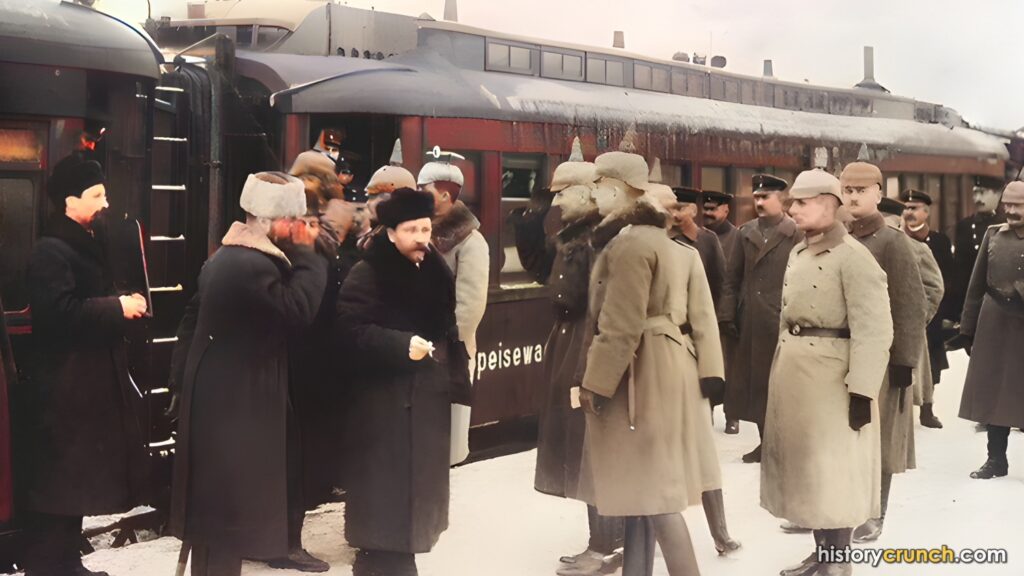
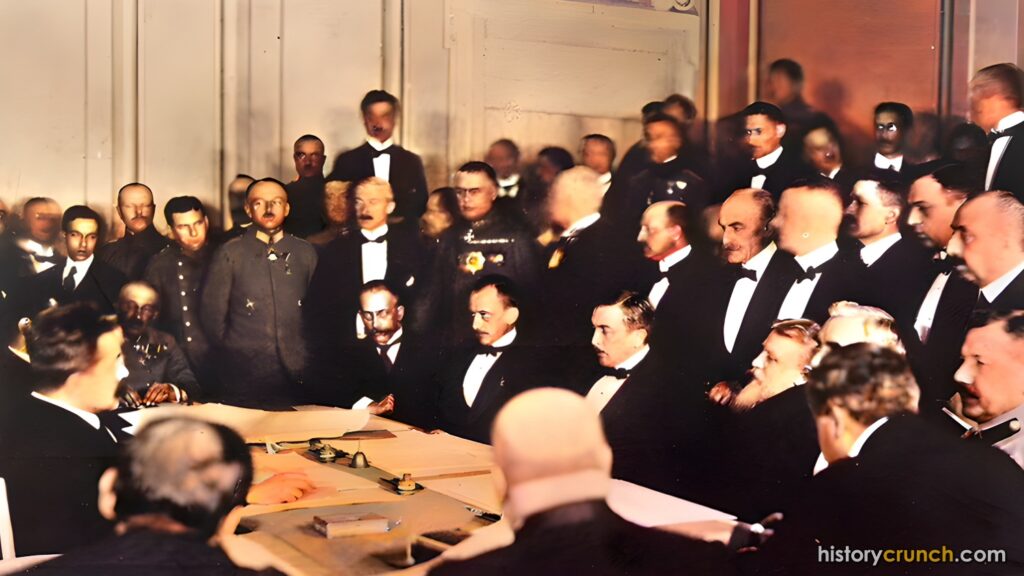
The Treaty of Brest-Litovsk was a peace treaty signed on March 3rd, 1918, between Soviet Russia (represented by the Bolshevik government led by Vladimir Lenin) and the Central Powers during World War I. The treaty marked Russia’s exit from the war and had significant implications for the Eastern FrontThe zone of fighting in World War I between Russia and the Central Powers in eastern Europe. of the war.
 FactsthatCrunch
Tap each impact to read what it led to.
Russia in World War I
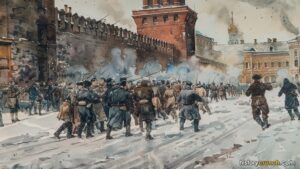
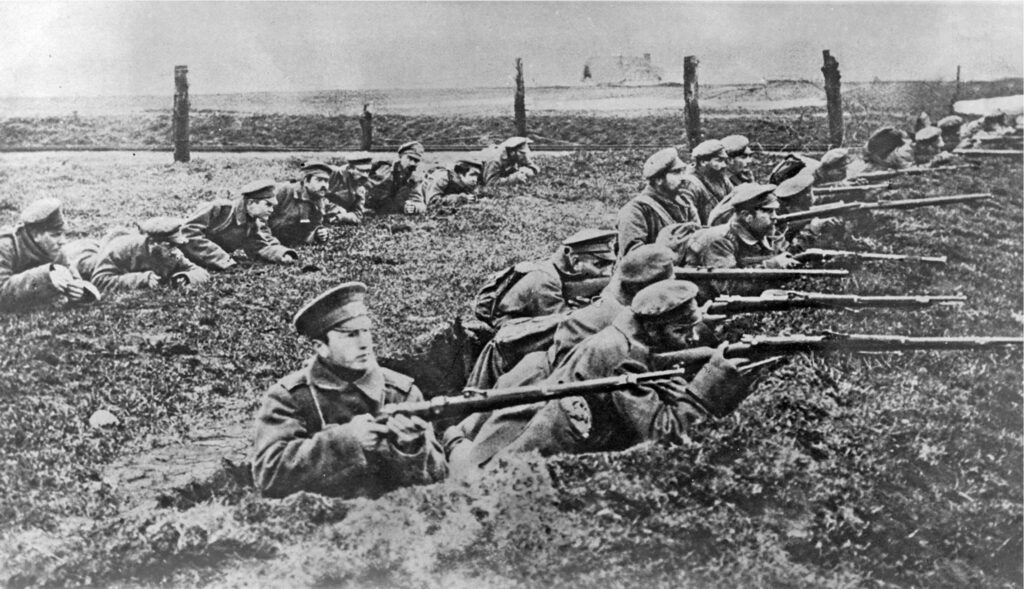
World War I was a devastating conflict for Russia and had profound impacts on the country, including the fall of Tsar Nicholas II and the rise to power of the BolsheviksThe revolutionary political group led by Lenin that seized power in Russia during the October Revolution of 1917.. While not necessarily a direct cause of the revolution, Russia’s participation in World War I worsened the existing problems of the country. For example, the strain that the war had on the economy, coupled with inadequate resources and military failures, led to widespread anger among the Russian population. Morale among Russian soldiers was incredibly low, as Russia suffered terrible losses during its battles with Germany in the First World War. In fact, the February Revolution of 1917 was, in part, a response to the deteriorating conditions and the loss of confidence in the tsarist regimeThe system of government ruled by the Tsar of Russia, which collapsed during the revolutions of 1917.‘s ability to address the challenges posed by the conflict.
As such, the Bolsheviks, who came to power in Russia after the October Revolution of 1917, were committed to ending Russia’s involvement in World War I. The war had been extremely costly for the country in terms of lives lost and economic resources. Furthermore, Vladimir Lenin promised to end Russia’s involvement in the war upon seizing power.
 FactsthatCrunch
The workers' and peasants' government, created by the Revolution of October 24-25 and basing itself on the Soviets of Workers', Soldiers' and Peasants' Deputies, calls upon all the belligerent peoples and their governments to start immediate negotiations for a just, democratic peace.
Lenin read these opening words of the Decree on Peace to the Second All-Russia Congress of Soviets in Petrograd the day after the Bolsheviks seized power, announcing to war-weary Russians that the new government would pull Russia out of World War I. That promise was carried out when the Treaty of Brest-Litovsk was signed on March 3rd, 1918.
Main Parts of the Treaty of Brest-Litovsk
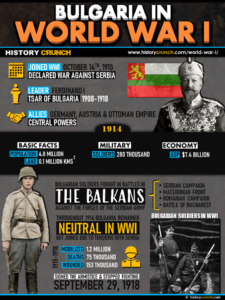
Peace negotiations took place at the city of Brest-Litovsk (now in modern-day Belarus) between Soviet Russia and the Central Powers, which included Germany, Austria-Hungary, Bulgaria, and the Ottoman Empire.
The terms of the Treaty of Brest-Litovsk were harsh for Russia. The treaty forced Russia to recognize the independence of Ukraine and Finland and to give up Poland and the Baltic states (Estonia, Latvia, and Lithuania). Additionally, large portions of Russian territory, including much of Belarus, part of the Caucasus region, and the western part of Russia itself, were cededFormally given up or surrendered territory to another country under the terms of a treaty. to the Central PowersThe alliance of nations fighting against the Allies in World War I, here including Germany, Austria-Hungary, Bulgaria, and the Ottoman Empire.. As a result, the treaty led to substantial territorial losses for Russia, amounting to about one-third of its population and agricultural resources. The surrendered territories were economically significant and included valuable farmland and industrial areas.
In addition to territorial losses, Russia also had to take some economic losses. The treaty required Russia to pay substantial reparationsPayments a defeated or weakened nation is forced to make to compensate the opposing side after a conflict. to the Central Powers and to give up a significant portion of its industrial infrastructure.
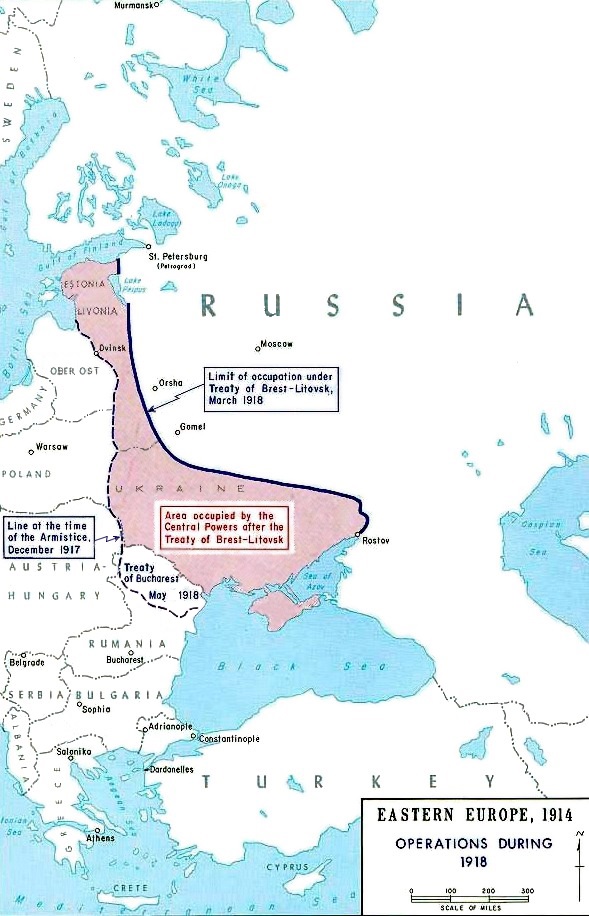
Significance of the Treaty of Brest-Litovsk
The Treaty of Brest-Litovsk effectively ended Russia’s participation in World War I on the Eastern Front. The Central Powers gained control over the surrendered territories, allowing them to focus their military efforts on the Western Front against the Allies. This was especially important for Germany, since it could now focus its forces on the Western Front and end its two-front warA military situation in which a country must fight enemies on two separate sides or regions at the same time. from the early years of World War I.
It was also significant to the Bolsheviks in Russia who used the Treaty of Brest-Litovsk as a means of strengthening their own power over the country. Russia was going through the events of the Russian Revolution and Russian Civil War, and the treaty allowed the Bolsheviks to gain a level of support from the Russian population due to meeting the promise of peace.
 FactsthatCrunch
What was the main military advantage Germany gained from the Treaty of Brest-Litovsk on the Western Front?
Explore World War I · 1914 – 1918
Keep exploring World War I with these History Crunch resources.
Key Vocabulary
Central Powers
Bolsheviks
Ceded
Reparations
Eastern Front
Tsarist regime
Two-front war
Frequently Asked Questions
When was the Treaty of Brest-Litovsk signed?
The Treaty of Brest-Litovsk was signed on March 3rd, 1918. It was agreed between Soviet Russia and the Central Powers during World War I. The signing took place in the city of Brest-Litovsk, which is now part of Belarus.
Why did Russia sign the Treaty of Brest-Litovsk?
Russia signed the treaty to end its involvement in World War I. The war had been very costly in lives and money, and morale was low. Vladimir Lenin and the Bolsheviks had promised peace when they seized power in the October Revolution of 1917.
What did Russia lose under the treaty?
Russia lost about one-third of its population and much of its farmland and industry. The treaty recognized the independence of Ukraine and Finland and took Poland and the Baltic states of Estonia, Latvia, and Lithuania away from Russia. Russia also had to pay reparations and give up valuable industrial areas.
Who were the Central Powers in the treaty?
The Central Powers included Germany, Austria-Hungary, Bulgaria, and the Ottoman Empire. They negotiated with Soviet Russia at Brest-Litovsk to end fighting on the Eastern Front. Germany gained the most, since it could then move forces to the Western Front.
Why was the Treaty of Brest-Litovsk important?
The treaty ended Russia’s part in World War I on the Eastern Front. This let Germany end its two-front war and focus on the Allies in the west. It also helped the Bolsheviks keep power, since they had promised the Russian people peace.
Cite This Article
To cite this article as a source, use one of the formats below.
MLA: Beck, Elias. “Treaty of Brest-Litovsk: A Detailed Summary.” HistoryCrunch, 30 September 2026, https://historycrunch.com/treaty-of-brest-litovsk/.
APA: Beck, E. (2026). Treaty of Brest-Litovsk: A Detailed Summary. HistoryCrunch. https://historycrunch.com/treaty-of-brest-litovsk/
Chicago: Beck, Elias. “Treaty of Brest-Litovsk: A Detailed Summary.” HistoryCrunch. September 30, 2026. https://historycrunch.com/treaty-of-brest-litovsk/
Sources
- John Keegan, The First World War.
- Fordham Modern History Sourcebook