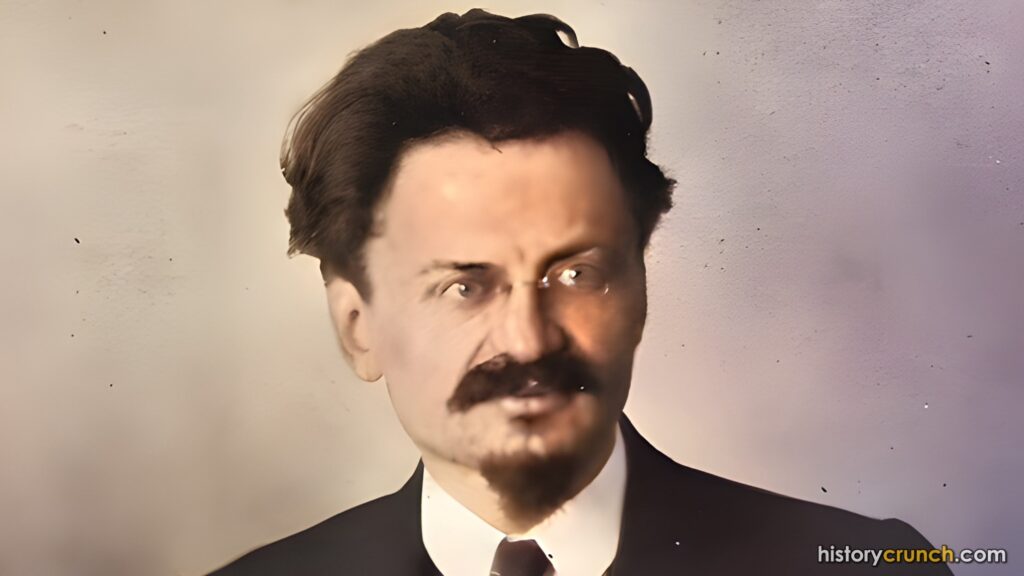
Leon Trotsky was born Lev Davidovich Bronstein on November 7th, 1879, in Yanovka, Ukraine. He played a pivotal role in the Russian Revolution of 1917 and the early years of the Soviet Union. Trotsky’s life was marked by his intellectual strengths, political strategies, and commitment to socialist ideals. This article explores the life and historical significance of Leon Trotsky.
Early Life of Leon Trotsky
Born into a Jewish family of prosperous farmers, Trotsky spent his early years in a small Ukrainian village. His parents provided him with a relatively comfortable upbringing, and young Lev demonstrated exceptional intelligence from an early age. Sent to Odessa for his education, he became involved in revolutionary activities during his teenage years. For instance, he joined various socialist movements, and in 1898, he became a member of the Russian Social Democratic Labor Party (RSDLP). Trotsky’s early activism led to his arrest, and he spent some time in Siberian exile. It was during this period of exile that he adopted the name ‘Trotsky’.
Role of Leon Trotsky in the Russian Revolt of 1905
Trotsky returned to Russia during the 1905 Revolution, where his eloquence and leadership skills quickly propelled him to the forefront of the revolutionary movement. Trotsky emerged as a key figure during the 1905 Revolution, serving as a leader of the Saint Petersburg Soviet. His strategic and organizational skills proved important during this period. While the revolution was suppressed, Trotsky’s influence within socialist circles grew, and he became known for his ability to mobilize and inspire.
Leon Trotsky and the Russian Revolution of 1917
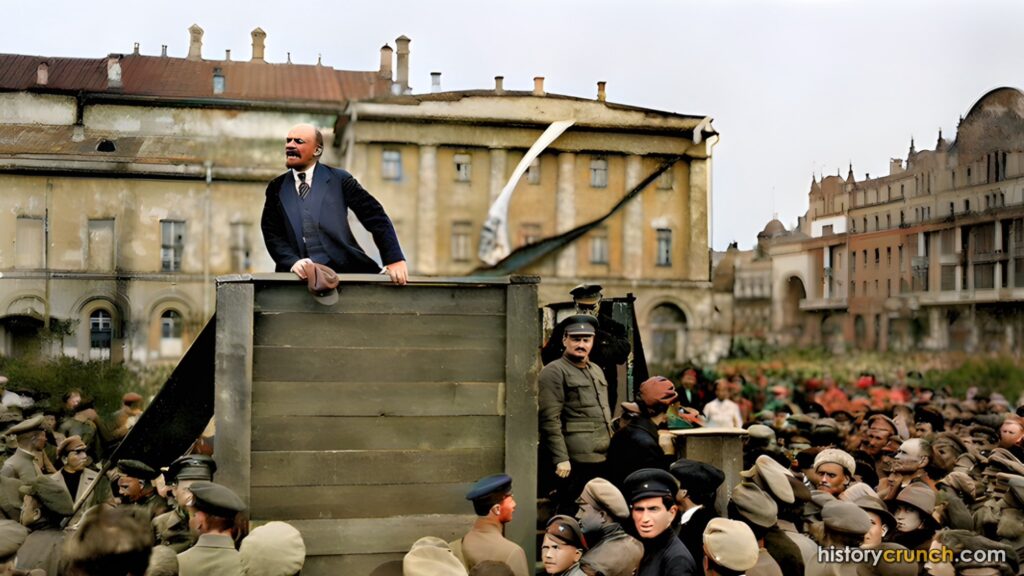
Leon Trotsky played a pivotal role in the Russian Revolution of 1917, shaping its course and contributing significantly to the success of the Bolsheviks. Prior to the revolution, Trotsky had a complex relationship with the Bolsheviks. Initially associated with the Mensheviks, Trotsky did not join the Bolsheviks until mid-1917.
Trotsky’s organizational skills and leadership qualities became particularly evident during the October Revolution. As the chairman of the Petrograd Soviet’s Military Revolutionary Committee, he effectively coordinated the Red Guard and Bolshevik forces. His actions led to the successful seizure of power by the Bolsheviks on October 25th, 1917.
During the Russian Civil War (1918-1922), Trotsky played a crucial role in organizing and leading the Red Army. His leadership skills were evident in military strategy, and he successfully defended Soviet Russia against the White Army and foreign interventionists. Trotsky’s role in the Civil War solidified his position as a prominent figure within the Bolshevik government.
Leon Trotsky versus Joseph Stalin
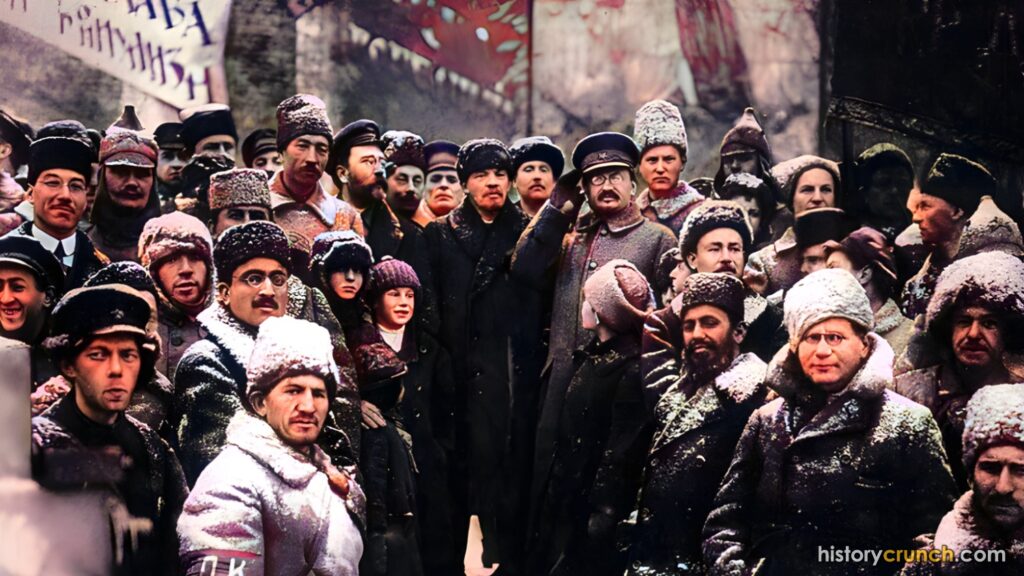
After Lenin’s death in 1924, a power struggle ensued within the Communist Party. Trotsky found himself on the opposing side of Joseph Stalin, particularly on matters of ideology and the future direction of the Soviet Union. Both men were prominent leaders in the newly formed Soviet Union and competed for the new role of leader. The power struggle proved important to the life of Trotsky and the history of the country.
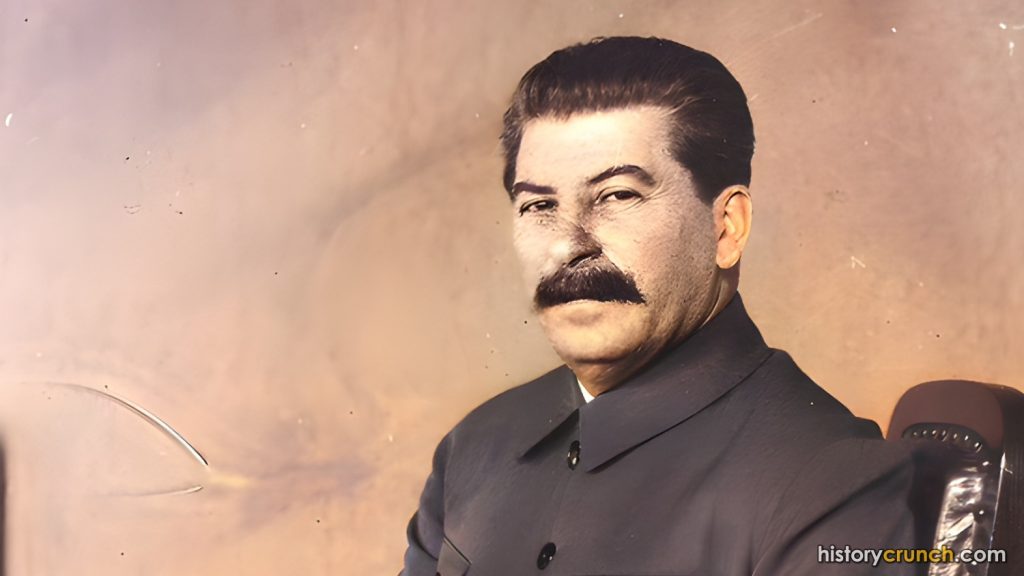
In particular, Trotsky opposed Stalin’s growing influence. Stalin, with his position as General Secretary of the Communist Party, skillfully outmaneuvered his opponents. He allied with key figures within the party and systematically eliminated opposition through purges and expulsions. As a result, Stalin ultimately won the leadership of the Soviet Union and forced Trotsky out.
Exile and Assassination of Leon Trotsky
In 1929, Trotsky was expelled from the Soviet Union and forced into exile. Despite this he continued his opposition to Stalin’s policies. Trotsky faced persecution, and on August 21st in 1940, he was assassinated in Mexico City by a Stalinist agent. In all, Trotsky was an important figure in the history of Russia and was of particular importance to the events of the Russian Revolution and Russian Civil War.