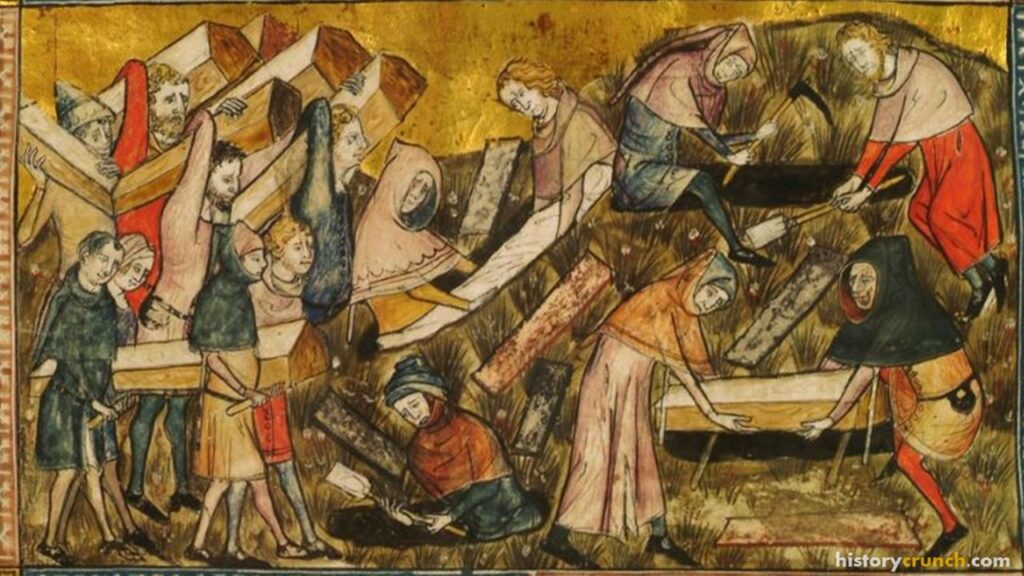
There were several main causes of the Black Death, as identified by historians. Further, the ‘Black Death’ is the term that historians use to describe the spread of the bubonic plague. It is one of the most significant events of the Middle Ages and had a profound impact on life for people of the time. In studying the history and significance of the Black Death historians have identified several key causes, including: rats, trade networks such as the Silk Road, warfare such as the Crusades, poor hygiene and a lack of medical understanding.
How did the Crusades help spread the bubonic plague toward Europe?

Trade Routes (Silk Road)
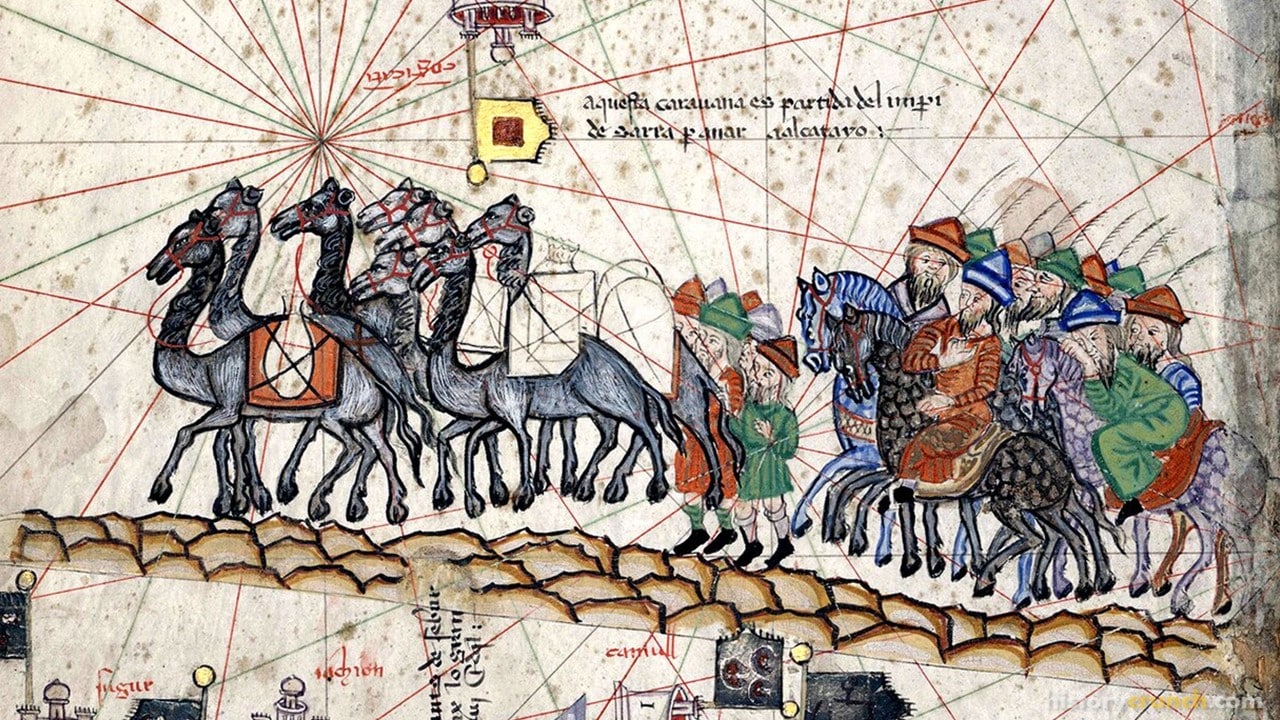
It is believed that the plague first began in Central Asia and spread to Europe through vast trade routes such as the Silk Road. Historians studying the spread of the plague discovered that the disease was spread by fleas that are commonly found on rodentsSmall mammals like rats and mice that carried the fleas responsible for spreading the plague. such as rats and mice. As such, it is now understood that the plague spread via trade routes as the rodents traveled in caravansGroups of traders traveling together, usually with animals, carrying goods across long distances. and on merchant ships. For instance, the first example of the plague arriving in Europe dates from 1347 CE when a Genoese merchant ship arrived in Sicily. The merchants on the ship were suffering from the effects of the plague, which included: flu-like symptoms, black and painful lumps that oozed blood and pus, and vomiting. The traders had just returned from a port city on the Crimean Peninsula in the Black Sea. While there they had encountered Mongol raiders from whom they supposedly received the disease. Therefore, the Silk RoadA vast network of trade routes connecting Asia, the Middle East, and Europe along which goods and diseases traveled. led to the spread of the plague because it allowed the infected rats to easily travel vast distances and come into contact with all sorts of new populations of people.
 FactsthatCrunch
What did the Silk Road allow that helped spread the plague from Central Asia to Europe?
Warfare
Similar to the Silk Road, warfare in the Middle Ages helped contribute to the spread of the plague. For example, the Crusades occurred in the centuries leading up to the start of the Black Death and set the stage for increased interaction between Europe and the Middle Eastern civilizations. The Crusades, which began in the 11th century, were a series of missions carried out by Christian Crusaders from Europe to recapture the Holy Land in the Middle East which was controlled by Muslims. Ultimately, the Crusades caused an exchange of people between Europe and Asia which allowed for the easier transport of the plague and infected rats.
FactsthatCrunchPoor Hygiene
The death tolls of the Black Death were massive, with as much as 50% of the population dying due to the plague. Several factors contributed to the spread of the plague and the overall Black Death. First, hygiene played a crucial role in the spread of the disease. Europe in the Middle Ages lacked the modern conveniences of sanitationSystems for managing human waste and keeping environments clean to prevent disease. and running water. Instead, human filth was often just dumped in the street. This situation caused rodents such as rats and mice to flourish which helped spread the fleas that carried the plague with them. As such, crowded cities and towns were often havens for the plague since it attracted rodents that were drawn to human activity.
FactsthatCrunchIn medieval towns, open waste disposal allowed plague-carrying rats and fleas to thrive just steps from where people lived and worked.
Lack of Medical Understanding
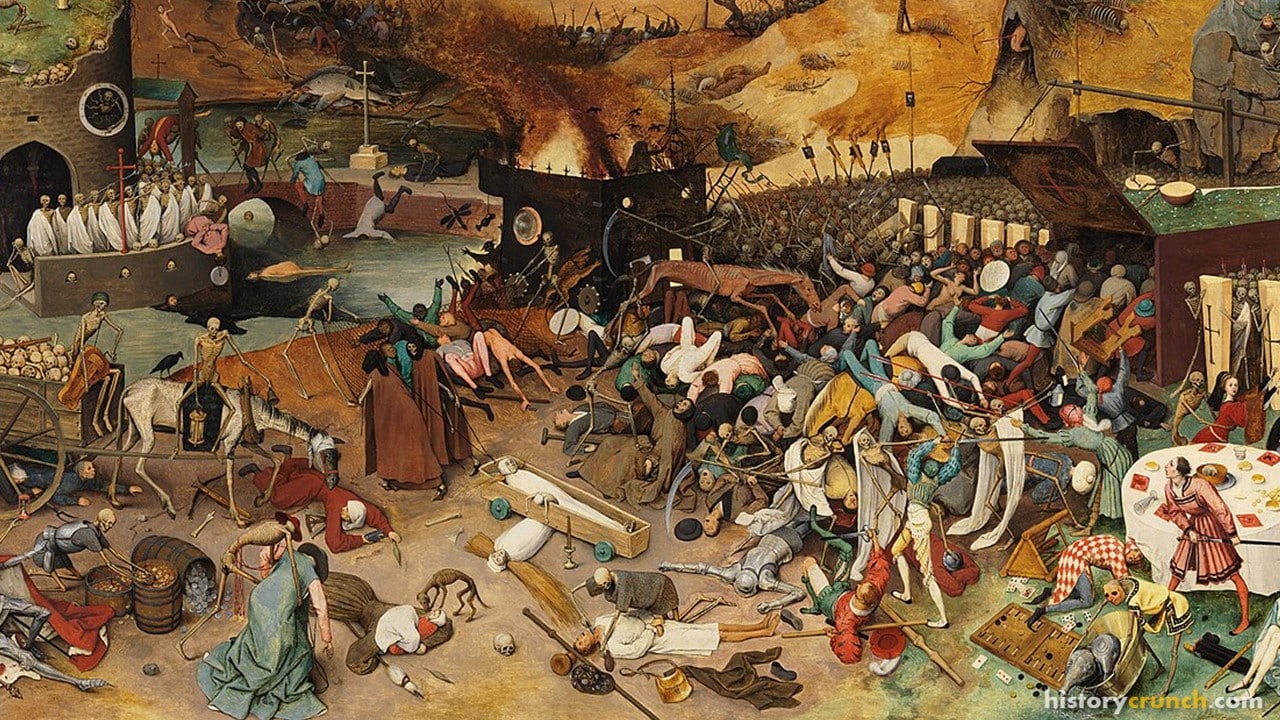
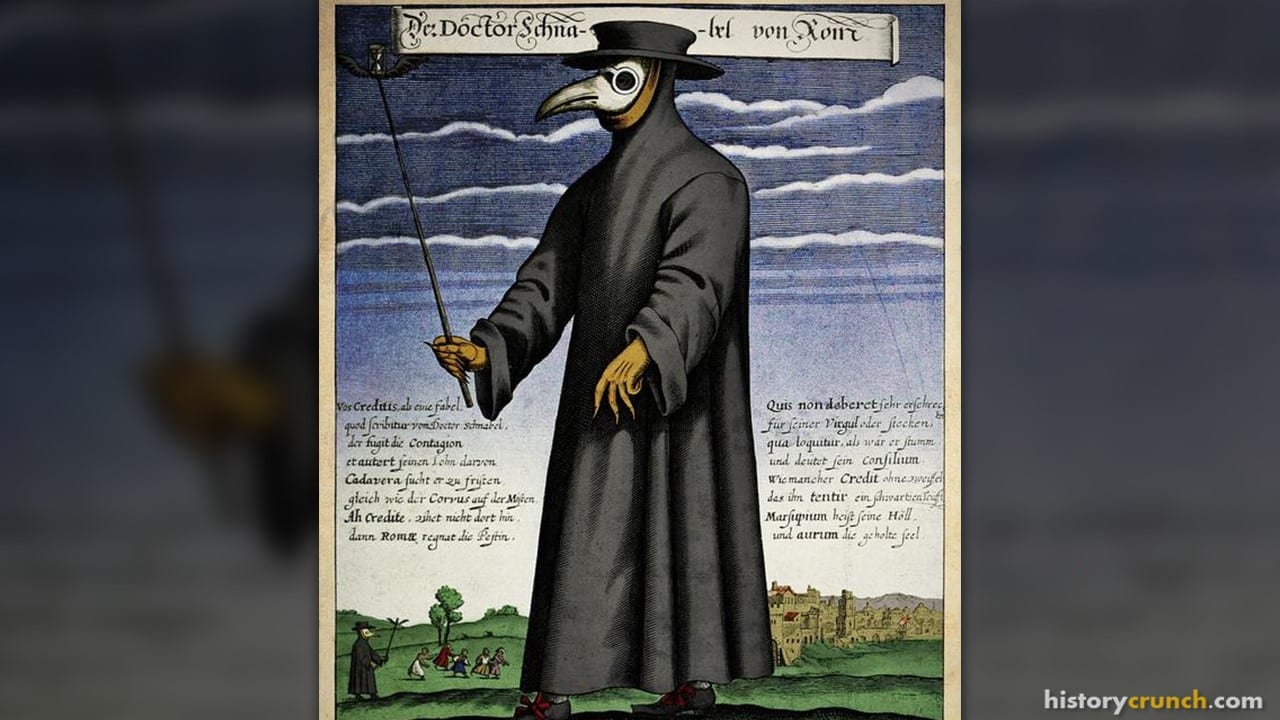
The second factor that caused the plague to lead to such high death tolls was the lack of understanding of the disease on the part of Europeans and doctors. At the time, there was little understanding of the connection between hygiene and disease. As a result, there were several different theories on the cause and spread of the disease, which were all ultimately incorrect. For example, during the Middle Ages, many medical doctors believed that human health was related to the movement of the planets. As such, many related the spread of the plague to the movement of the planets including Mars and Jupiter. Another common belief about the plague was that it was spread by certain ethnic groups. For example, immigrant groups and Jewish people were often blamed for the spread of the disease and were persecutedTreated cruelly and unfairly, often because of someone’s identity or beliefs. as a result. Next, some believed that the plague was a result of God’s will and was punishment for the actions of people. As such, many people turned to their faith during the crisis.
In all, the Black Death was an important event that fundamentally changed life for people across Europe and Asia. It was caused by the spread of the bubonic plague and caused massive death tolls wherever it occurred. It is remembered today as one of the most important pandemicsA disease outbreak that spreads across a very large area, affecting huge numbers of people. in all of human history and for its role in other major events and time periods, such as: the Silk Road, the Middle Ages and the Renaissance.
Medieval doctors believed the Black Death was caused by poisonous air called miasma, not by any kind of living creature or person-to-person contact.
Middle Ages timeline · 476 – 1500 CE
Key Vocabulary
Silk Road
Caravans
Rodents
Sanitation
Persecuted
Pandemic
Frequently Asked Questions
What actually caused the Black Death?
The Black Death was caused by the bubonic plague, a disease carried by fleas that lived on rodents like rats. When an infected flea bit a person, the disease passed into that person’s body. Poor hygiene and crowded towns let the rodents and fleas thrive, which helped the plague spread fast.
Where did the Black Death start?
The plague is believed to have started in Central Asia before moving west toward Europe. It first reached Europe in 1347 CE when a Genoese merchant ship landed in Sicily carrying sick sailors. Those traders had picked up the disease near the Black Sea, roughly 1,500 miles (2,400 km) away.
How did the Silk Road help spread the plague?
The Silk Road let infected rats and fleas travel huge distances inside trade caravans and merchant ships. As goods moved between Asia, the Middle East, and Europe, the disease moved with them. This constant travel brought the plague into contact with many new groups of people who had never faced it.
Why did so many people die from the Black Death?
As many as half of the people in some areas died because no one understood how the disease spread. Medieval towns had no running water or sewers, so waste was dumped in the streets and drew rats. Doctors had no real cure and often used treatments that did nothing to stop the plague.
What did people in the Middle Ages think caused the plague?
Most people had no idea that fleas and rats carried the disease, so they came up with wrong ideas. Some doctors blamed the movement of planets like Mars and Jupiter for making people sick. Others believed it was punishment from God, and sadly some blamed Jewish people and immigrants, who were then persecuted.
Cite This Article
To cite this article as a source, use one of the formats below.
MLA: Beck, Elias. “Causes of the Black Death: A Detailed Summary.” HistoryCrunch, 15 September 2026, https://historycrunch.com/causes-of-the-black-death/.
APA: Beck, E. (2026). Causes of the Black Death: A Detailed Summary. HistoryCrunch. https://historycrunch.com/causes-of-the-black-death/
Chicago: Beck, Elias. “Causes of the Black Death: A Detailed Summary.” HistoryCrunch. September 15, 2026. https://historycrunch.com/causes-of-the-black-death/
Sources
- Jerry Bentley & Herbert Ziegler, Traditions & Encounters: A Global Perspective on the Past.
- Ole J. Benedictow, The Black Death 1346-1353: The Complete History.