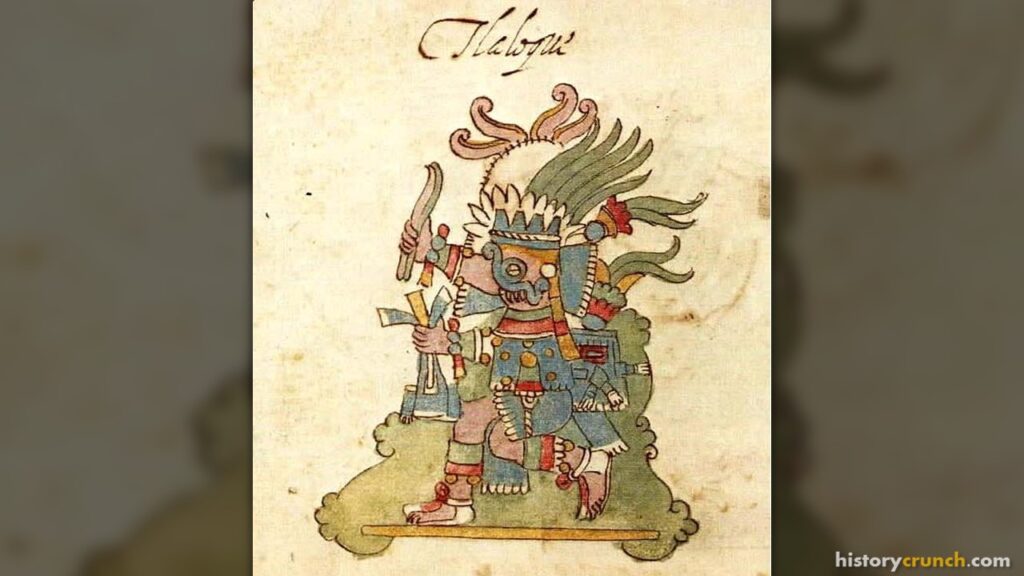
Tlaloc was one of the most significant gods in all of Aztec mythology. Tlaloc was the Aztec god of rain, water, and fertility. He was often depicted with large, round eyes and fangs, symbolizing his power over storms and the life-giving force of water. While he could bring abundance with rain, he was also feared for his ability to unleash destructive floods and droughts if not properly honored. As such, he was a god that was respected and celebrated by the Aztec people.
AZTEC GODS – OVERVIEW
The concept of ‘god’ in Aztec society is referred to as ‘Teotl’ in Nahuatl, the language of the Aztec. The Aztecs, like other Mesoamerican societies, had a wide pantheon of gods. The gods in the Aztec religion represented different aspects of life and the world for the Aztec people. The aspects that the gods represented included: culture of Aztec society and Mesoamerica, nature and the natural world, creation stories, fertility, food, death and the underworld, trade and excess or entertainment. Each god had different attributes and personality traits and were usually represented in distinct ways by the Aztec. Some could take human or animal form and were celebrated in festivals and rituals. There were many gods in the Aztec religion but some of the most prominent included: Huitzilopochtli, Quetzalcoatl, Tezcatlipoca, Mictlāntēcuhtli, Tlaloc, and Chicomecōātl.
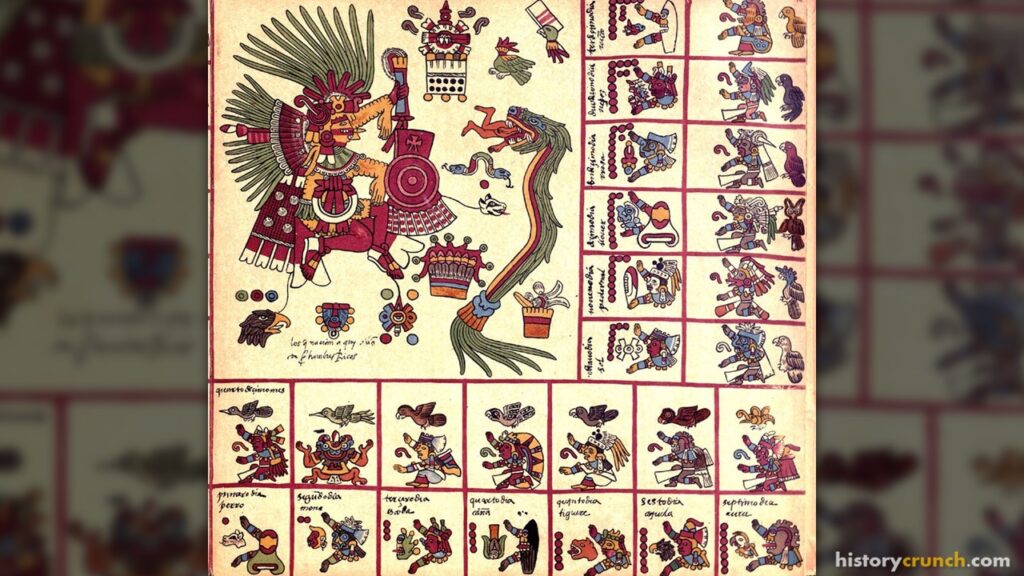
TLALOC – SUMMARY
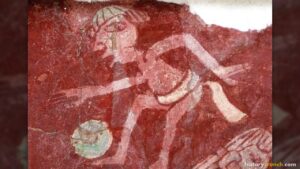
Tlaloc was an important god in Aztec religion. In Nahuatl, the Aztec language, Tlaloc translates to ‘earth’ and modern historians interpret the name as meaning ‘he who is made of earth’. The Aztecs considered him to be the god of rain, earthly fertility and water. He was a popular god throughout the Aztec Empire and widely recognized as a ‘giver of life’. The name Tlaloc is specific to the Aztec and their celebration of the rain god, however there is evidence of Mesoamerican people honoring a rain god going back to the city of Teotihuacan in the 1st century AD. As well, the Mayans worshipped a god similar to Tlaloc. While the Aztec considered Tlaloc to be a god that brought life, they also feared his wrath, because he also represented thunderstorms, floods, hail, and lightning. Due to his positive and negative nature he is often pictured with rain, maize (corn) and lightning. As well, his likeness is usually shown with goggled eyes and large fangs.
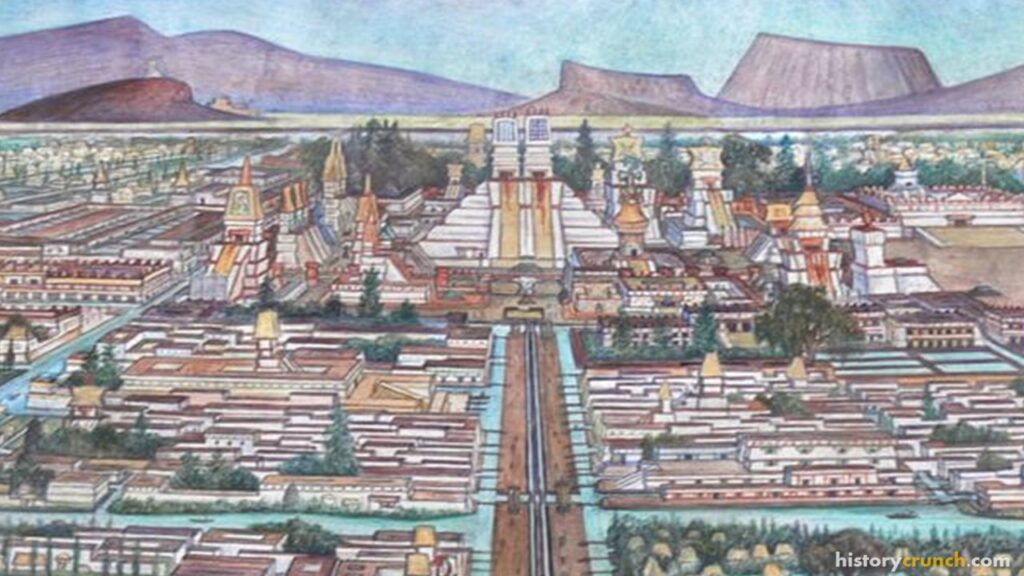
In the Aztec capital, Tenochtitlan, the Great Temple or Templo Mayor was built to worship both Tlaloc and Huitzilopochtli. There were two shrines built on top of the pyramid of Templo Mayor; one for both gods. This shows Tlaloc’s importance to the Aztec religion and culture. Offerings for Tlaloc were placed in the shrine and human sacrifices were often carried out in front of both. However, there was another, more important place of worship for Tlaloc, which the Aztec referred to as Mount Tlaloc. It was a mountain on the eastern edge of the Valley of Mexico and reached over 13,500 ft (4,100 meters) into the air. Mount Tlaloc was just over 40 miles east of Tenochtitlan and Aztec people would often carry out pilgrimages to the site to honor the rain god. There was a shrine on the mountain called Tlalocan, in reference to the place in the ‘upper world’ or ‘heavens’ that Tlaloc was said to command. The Aztec held many festivals in honor of Tlaloc, which included the sacrifice of children. The tears of the children were viewed as a good omen of rains for the harvest.