
The American Civil War is the story of a country that could not agree whether slavery should spread, tried to settle it three times by compromise, and then fought about it for four years at a cost of around 620,000 lives. This timeline starts in 1793, with the machine that made slavery profitable again, and ends in 1896, when the Supreme Court made segregation legal. The war settled that the states could not leave and that slavery was over. What freedom meant took another seventy years.
From the cotton gin in 1794 to Plessy v. Ferguson in 1896.
The American Civil War is the story of a country that could not agree whether slavery should spread, tried to settle it three times by compromise, and then fought about it for four years at a cost of around 620,000 lives. This timeline starts in 1793, with the machine that made slavery profitable again, and ends in 1896, when the Supreme Court made segregation legal. The war settled that the states could not leave and that slavery was over. What freedom meant took another seventy years.
People still argue about this, and the arguing is itself part of the history.
Slavery, and the four things people say instead.
1820, 1850, 1854. Three attempts to settle it, each shorter-lived than the last.
What each one did, and what kept breaking it.
Seven years of organized killing between pro-slavery and anti-slavery Americans, and it is not counted as the war.
One territory, two governments and a rehearsal.
The United States took half of Mexico and could not agree what to do with it.
New land, an old question, and thirteen years.
The Supreme Court tried to settle the argument permanently. It made compromise illegal.
One family's case, and what the ruling actually said.
Between Lincoln's election in November and Fort Sumter in April there were five months and several attempts.
What was tried, and why none of it held.
Before arguing about the politics, be clear about the thing being argued over.
The work, the law, the family and the sale.
The story is usually told as something done to people. What did they do?
Rebellion, escape, sabotage, and eventually enlistment.
In 1831 abolitionists were a tiny minority the North found embarrassing. In 1863 emancipation was federal policy.
A newspaper, a novel, a railroad and a raid.
The founders assumed slavery was dying. Within forty years it was the largest source of wealth in the country.
One machine, one purchase and a market in Britain.
Two armies of largely young, largely poor men, and a war often described as rich men's politics.
Volunteers, conscripts, substitutes and 180,000 Black soldiers.
The Union had more men, more factories and more railways from the start. It still took four years.
McClellan, Grant, Lee and the difference between them.
The usual account has three names in it. There were considerably more than three.
Writers, speakers, conductors, nurses and the enslaved women nobody named.
He said repeatedly in 1861 that he did not. In 1863 he emancipated. Both are true and the sequence matters.
What he said, when, and to whom.
The main speaker at Gettysburg talked for two hours. Nobody remembers a word of it.
What Lincoln actually said, and what he changed by saying it.
Lincoln expected to lose. He had the election anyway, and if he had lost the war would have been negotiated away.
August despair, September at Atlanta, November at the ballot box.
The North had more of everything. It still took four years and nearly lost an election over it.
Numbers, factories, railways, and the two years when none of it was enough.
Sherman burned a sixty-mile-wide strip of Georgia deliberately. He said it would end the war faster.
Scorched earth, civilians and an argument that has not gone away.
Everyone learns Gettysburg. The Confederacy was cut in half the next day, a thousand miles away.
Rivers, railways and the theater nobody teaches.
He lost his first battle against Lee and marched south anyway. Nobody had done that.
Six weeks, enormous casualties and a siege.
About 620,000 died. Old tactics met new weapons and nobody adjusted for two years.
Rifles, formations, medicine and disease.
Washington and Richmond are about a hundred miles apart. It took four years to cover it.
Five battles in the same stretch of Virginia.
It freed people in the places the Union did not control and left slavery alone where it did.
The wording, the timing, and what it changed anyway.
The Emancipation Proclamation let Black men enlist. Around 180,000 did, many of them formerly enslaved.
Enlistment, pay, prisoners and what it made impossible afterwards.
For a few years it worked. Black men voted, held office and sat in Congress. Then it stopped.
Twelve years, three amendments and the withdrawal that ended it.
The Constitution said the vote could not be denied by race. It was, for nearly a century, legally.
Poll taxes, literacy tests, violence and a Supreme Court.
Lee surrendered on 9 April. Lincoln was shot on 14 April. The plan for what came next died with him.
A surrender, a theater and a Reconstruction that went a different way.
The Thirteenth Amendment passed in December 1865. The Black Codes started within weeks.
Vagrancy laws, labor contracts and an amendment written to stop them.
Slavery ended and the country held together. Then look at 1877, and at 1896.
The two questions, and which of them was answered.
The reason was stated clearly in 1861 and became contested afterwards. That change is itself history.
Secession declarations, monuments and school textbooks.
The people who wrote the Constitution mostly assumed slavery would fade. Then in 1794 a machine made cotton fifty times faster to clean, and within forty years nearly two million people were enslaved and cotton was the country's largest export. Every time the United States got bigger, Congress had to decide whether the new land would be slave or free, and every answer it gave had a shelf life. The Missouri Compromise drew a line across the map in 1820 and held for 34 years.
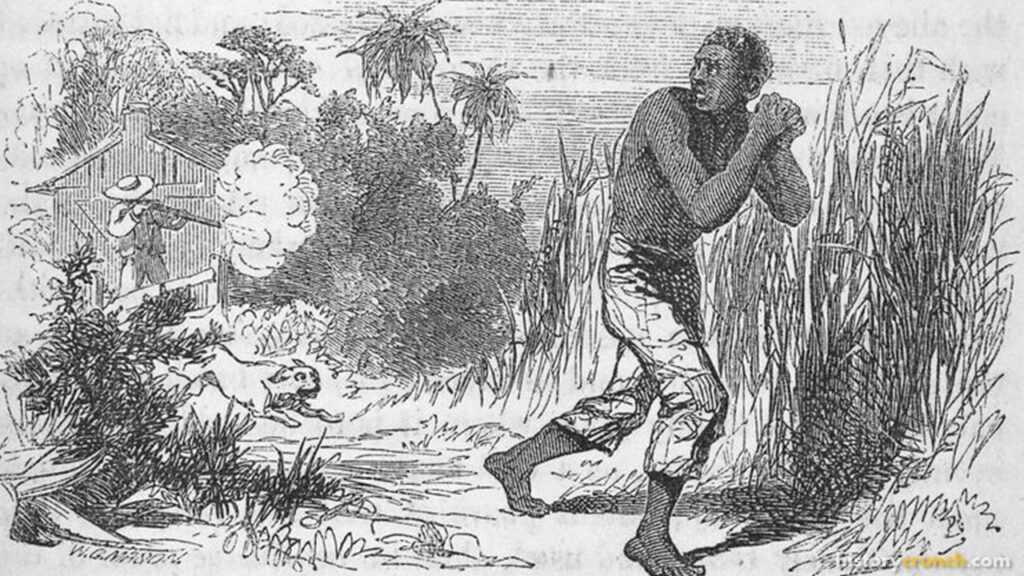
The Fugitive Slave Act of 1793 required that people who escaped slavery be returned to those who claimed to own them, wherever in the country they were found. A free state could not simply refuse.
LEARN MORESHOW LESSwhy it matters · key numbersLAWThis is the argument in miniature, sixty-eight years before the war. A country half slave and half free has to decide whose law wins when the two meet, and it never found an answer that held.
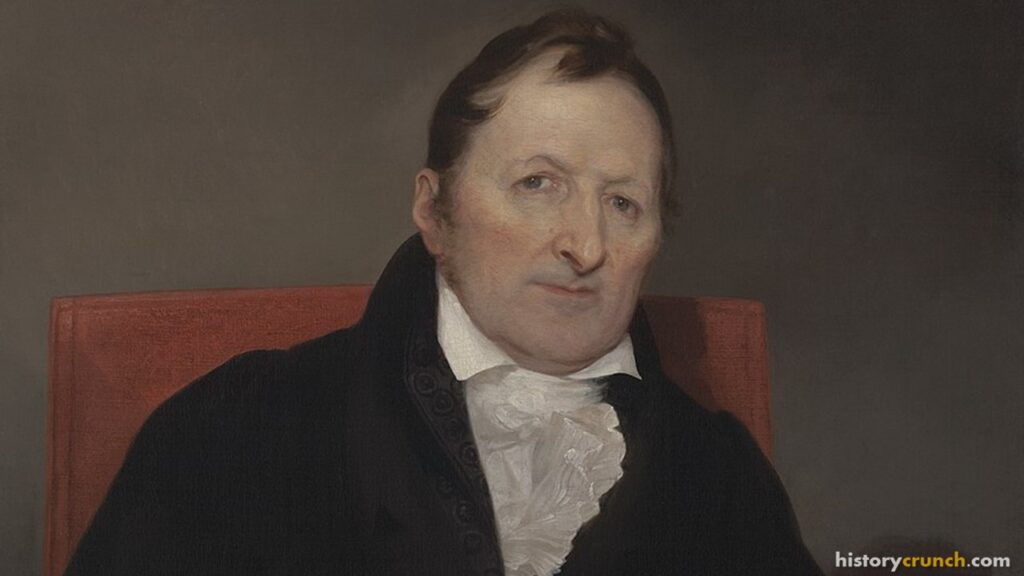
The cotton gin, patented by Eli Whitney in 1794, separated cotton fibre from seed dozens of times faster than by hand. Southern cotton production expanded enormously, and so did the demand for enslaved labor to grow it.
LEARN MORESHOW LESSwhy it matters · 1 key figureTECHNOLOGYMany Americans in the 1790s expected slavery to fade out because it was becoming unprofitable. One machine reversed that, and the South's whole economy reorganized itself around cotton and the people forced to pick it.
The United States bought the French Louisiana Territory from Napoleon Bonaparte in 1803, roughly doubling the size of the country. Every acre of it would eventually have to be free or slave.
LEARN MORESHOW LESSwhy it matters · key numbersPOLITICALEvery crisis on this timeline for the next fifty years is about new land. As long as the country was not growing, the balance held; the moment it grew, somebody had to decide.
The state of Louisiana was created out of the newly acquired land in 1812, and it allowed slavery.
LEARN MORESHOW LESSwhy it mattersPOLITICALThe first answer to the question the Purchase had raised, and it was yes. That set the expectation that the next territory would be asked the same question.
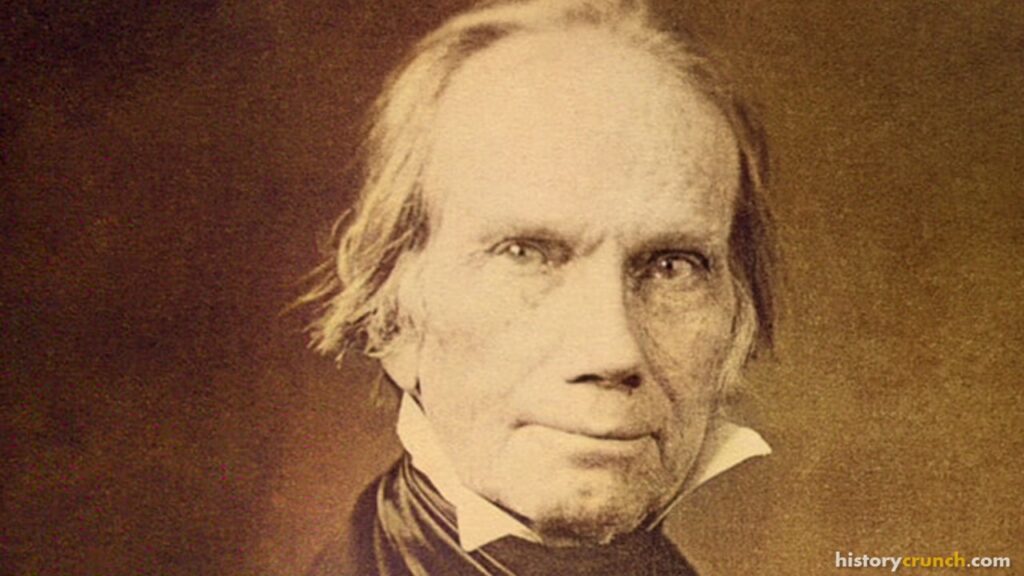
By 1818 Missouri had enough people to become a state. The Congressional debate on its status in 1819 became a crisis when a representative proposed admitting it only on condition that slavery be phased out there.
LEARN MORESHOW LESSwhy it mattersPOLITICALUntil this point the balance between free and slave states had been maintained without anyone having to say out loud what they were doing. Missouri forced them to say it.
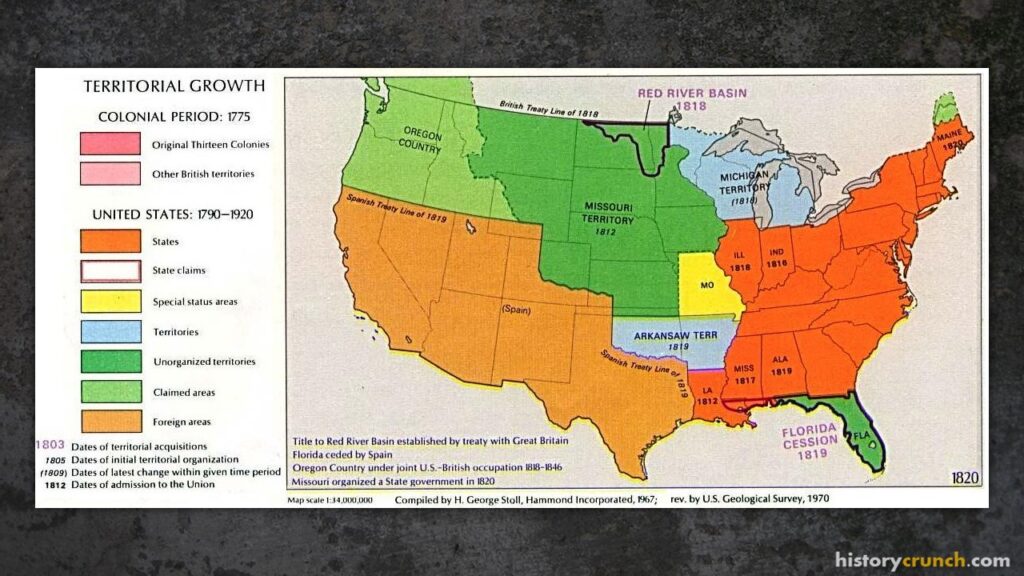
The Missouri Compromise of 1820 admitted Missouri as a slave state and Maine as a free one, and banned slavery north of the 36 degrees 30 minutes parallel in the rest of the Louisiana Territory.
LEARN MORESHOW LESSwhy it matters · key numbers · 1 key figureLAWIt worked for thirty-four years, which is why Americans came to treat it as almost part of the constitution. When it was repealed in 1854 the reaction was far bigger than anyone expected.
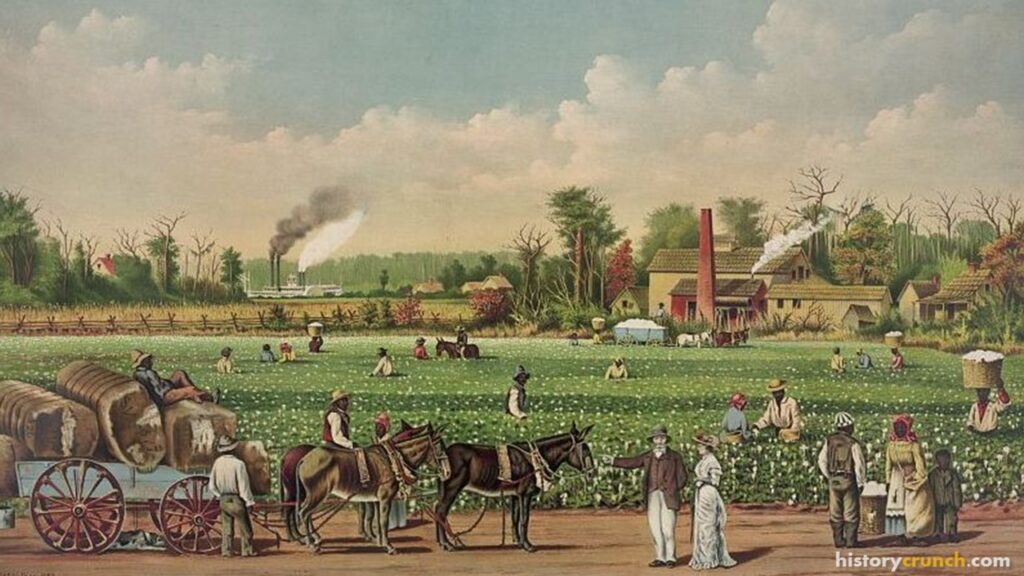
By 1830 there were nearly two million enslaved people in the United States, and the overwhelming majority of them were in the Southern states.
LEARN MORESHOW LESSwhy it matters · key numbersSOCIALThis is the number that makes compromise so hard. By 1830 slavery was not a practice the South had; it was the largest single form of wealth in the country, and no Southern politician could agree to end it and go home.
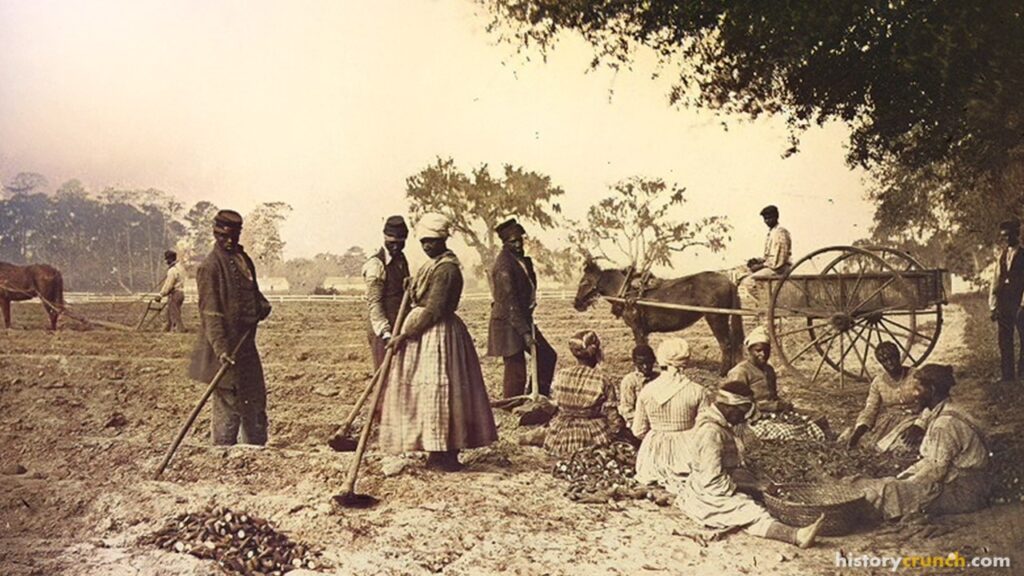
Enslaved people worked from before dawn to after dark on cotton, sugar, rice and tobacco plantations, under overseers, with no legal right to their own time, their own earnings or their own families.
LEARN MORESHOW LESSwhy it mattersSOCIALIt is easy to argue about slavery as a political question and never say what it was. Any honest account of the causes of this war has to start here rather than with the Senate.
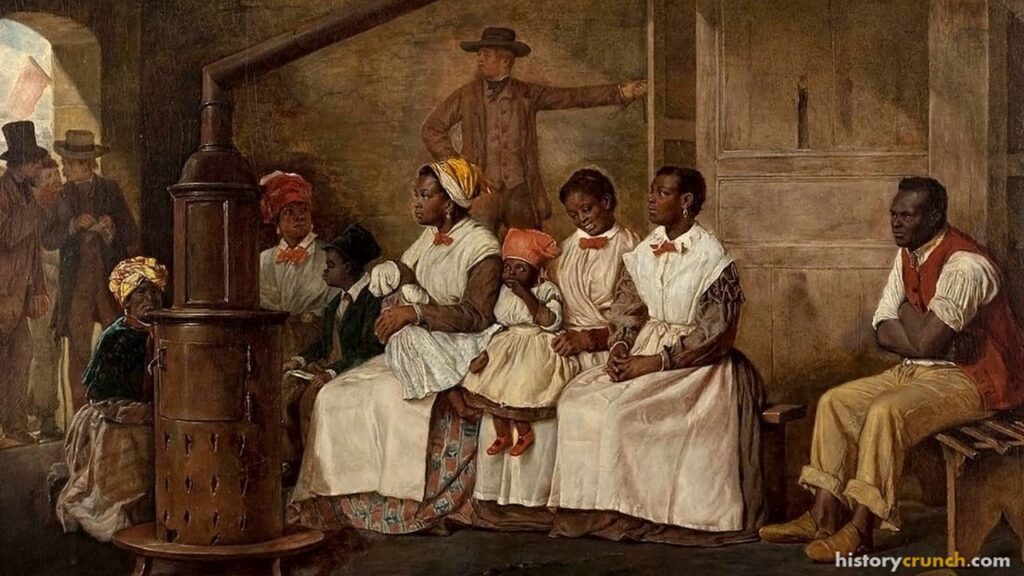
Enslaved people were bought and sold as property, and families were routinely separated by sale. Eyre Crowe painted a slave auction in Richmond in 1861 after witnessing one.
LEARN MORESHOW LESSwhy it mattersSOCIALThis is the single fact that the abolitionist movement built everything on, because it was the hardest for anyone to defend, and it is why Uncle Tom's Cabin worked the way it did.
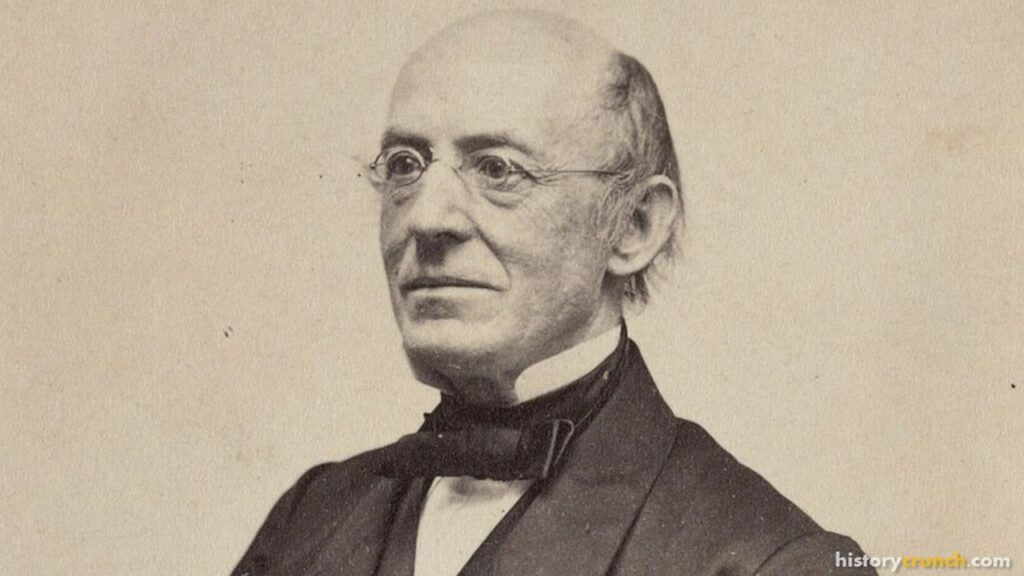
William Lloyd Garrison began publishing his abolitionist newspaper The Liberator on 1 January 1831, demanding immediate and unconditional emancipation rather than gradual reform.
LEARN MORESHOW LESSwhy it matters · 1 key figureIDEASAbolition had existed for decades as a polite argument for phasing slavery out slowly. Garrison made it a demand, which is what turned it into a movement and what made the South treat it as a threat.
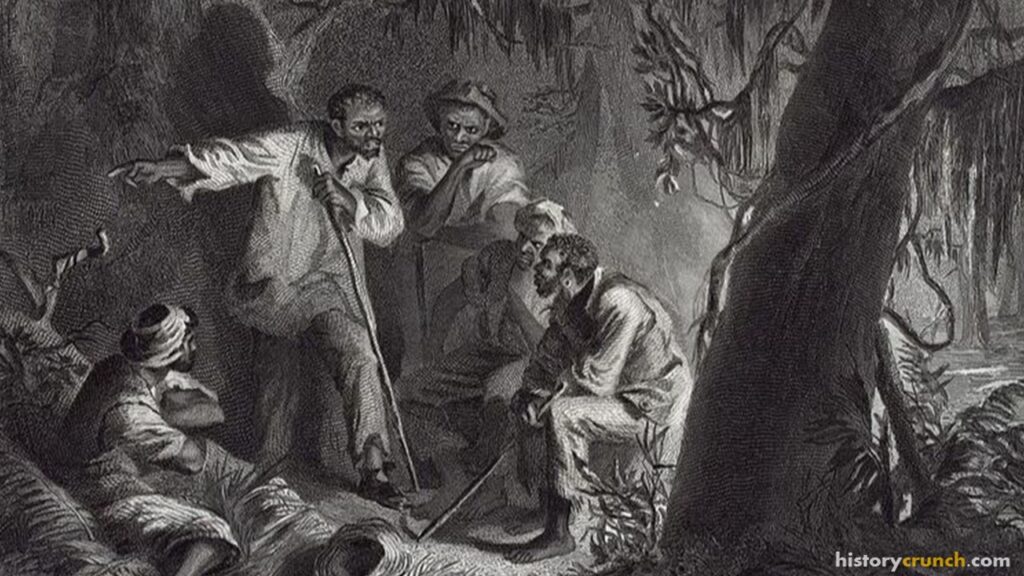
In August 1831 Nat Turner, an enslaved preacher, led a rebellion in Southampton County, Virginia. It was put down within days, and the reprisals against Black people in Virginia went far beyond those involved.
LEARN MORESHOW LESSwhy it matters · key numbers · 1 key figureSOCIALSouthern states answered by tightening the slave codes: restricting literacy, movement and assembly. Fear of another Nat Turner shaped Southern law and Southern politics for the next thirty years.
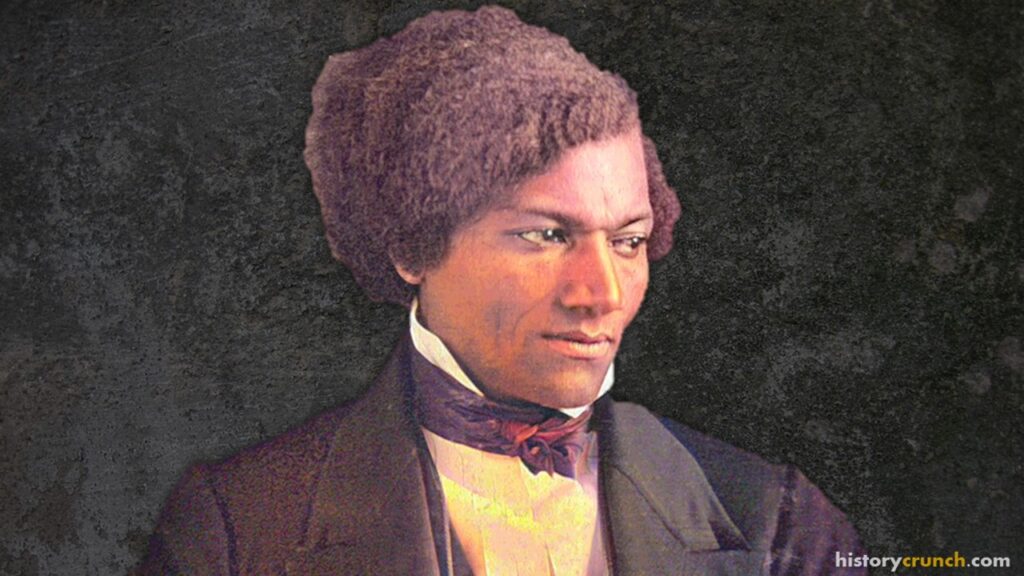
Frederick Douglass escaped slavery in Maryland in 1838 and became a writer, newspaper editor and the most widely heard speaker in the abolitionist movement. His autobiography was read on both sides of the Atlantic.
LEARN MORESHOW LESSwhy it matters · 1 key figureSOCIALPro-slavery arguments rested on the claim that enslaved people could not manage freedom. A man who had been enslaved, standing in front of an audience and out-arguing everyone in the room, was the answer to that and everybody knew it.
The United States annexed Texas in 1845. Texas had been an independent republic, and its annexation as a slave state was one of the triggers of war with Mexico.
LEARN MORESHOW LESSwhy it mattersPOLITICALMore land, and the same question again. The argument was never really about Texas; it was about what would be done with everything won from Mexico afterwards.
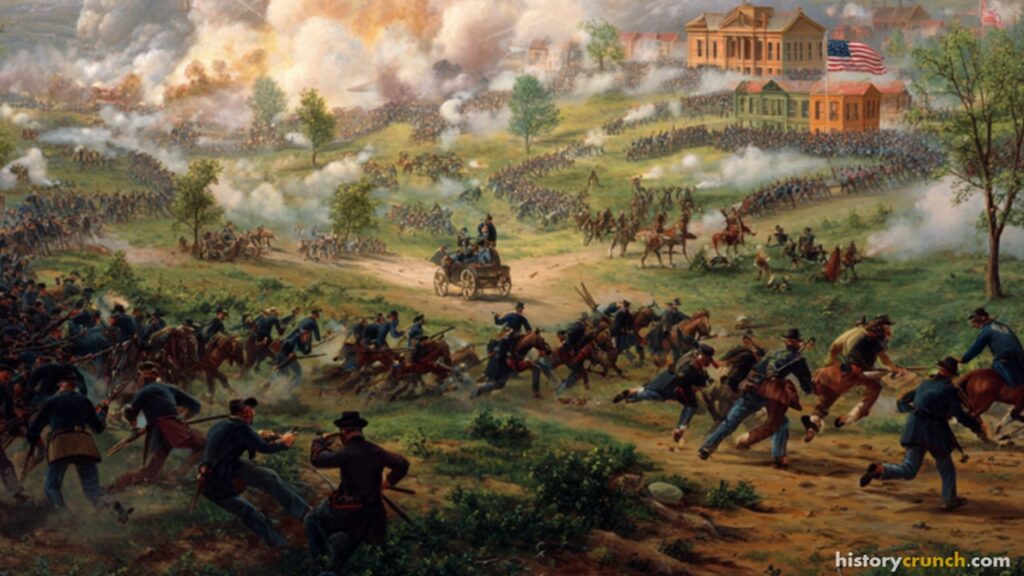
The Mexican-American War was fought from 1846 to 1848. The United States gained an enormous stretch of territory including California and the modern southwest, and immediately began arguing about whether slavery would be allowed there.
LEARN MORESHOW LESSwhy it matters · key numbersMILITARYA war fought for land produced a crisis about slavery within two years. Abraham Lincoln, then a young congressman, opposed the war, and the argument over the land it won is what put him in politics.
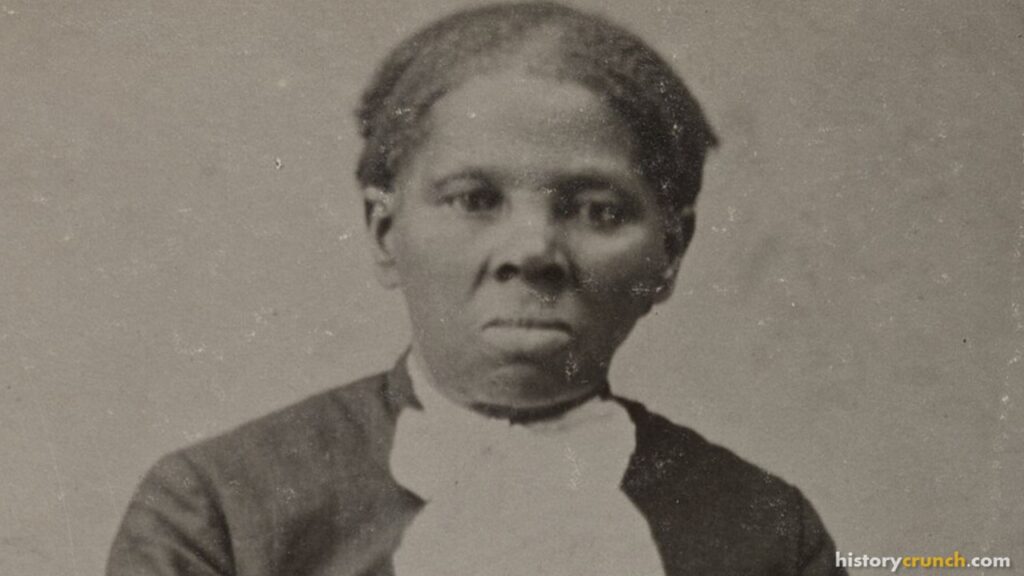
Harriet Tubman escaped slavery in Maryland in 1849. She then returned to the South repeatedly to guide others out along the Underground Railroad, at enormous personal risk, and was never caught.
LEARN MORESHOW LESSwhy it matters · 1 key figureSOCIALEscaping once is survival. Going back again and again is something else, and it is why she became the most famous conductor on the Underground Railroad and later worked as a scout for the Union army.
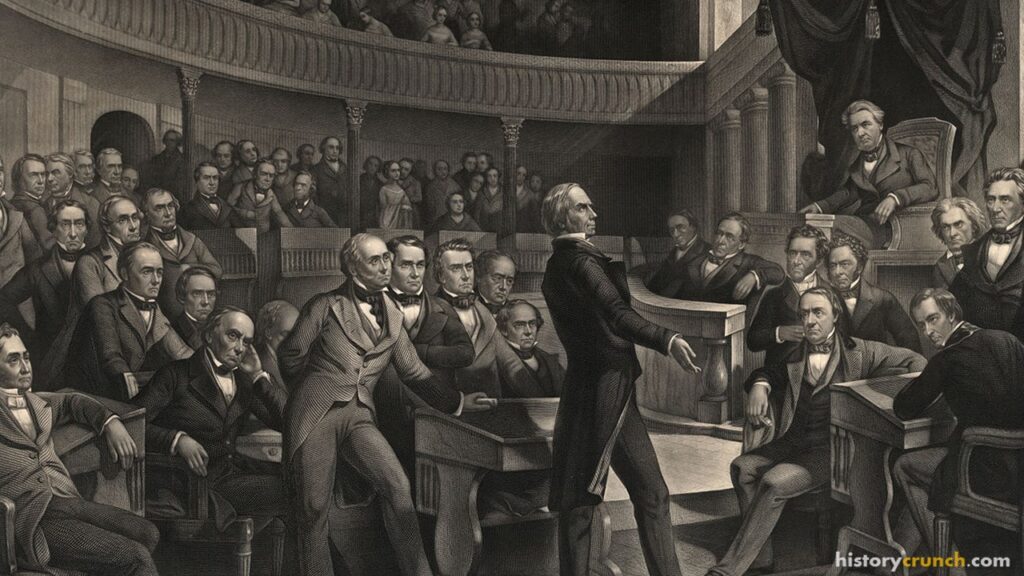
The Compromise of 1850 was a set of five bills passed by Congress in September 1850, dealing with the territory won from Mexico. California entered as a free state, and the South was given a far tougher Fugitive Slave Act in return.
LEARN MORESHOW LESSwhy it matters · key numbers · 1 key figureLAWIt bought ten years. Historians count it among the causes of the war because of what it cost: the new Fugitive Slave Act turned Northerners who had been indifferent to slavery into people forced to take part in it.
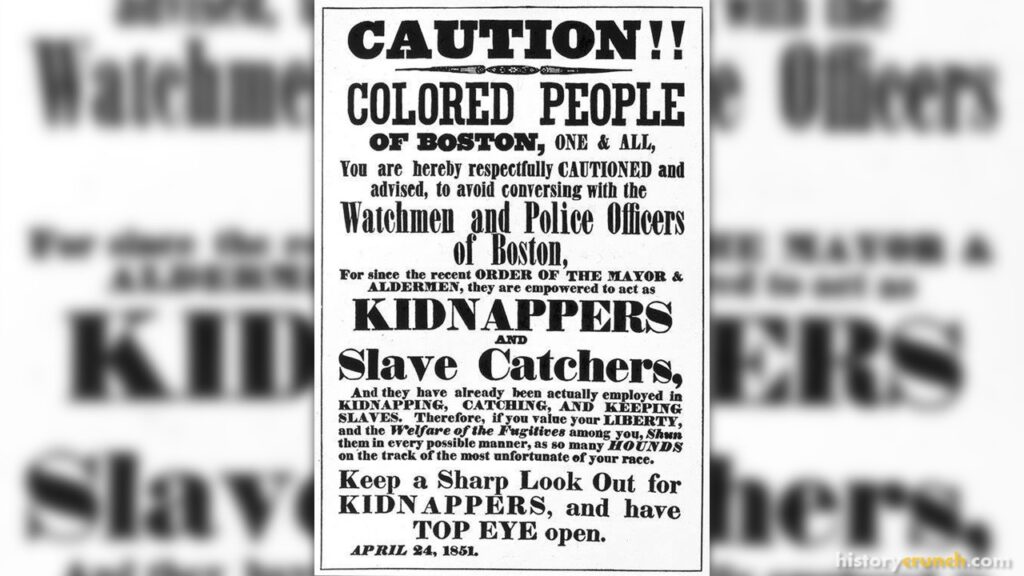
The Fugitive Slave Act of 1850 required escaped people to be returned to slavery, denied them a jury trial, and made ordinary Northern citizens legally obliged to assist in their capture.
LEARN MORESHOW LESSwhy it matters · key numbersLAWThis is the law that radicalized the North. A Bostonian who had never thought much about slavery could now be required to help catch somebody, and thousands refused, which is where the Underground Railroad grows from a trickle into a network.
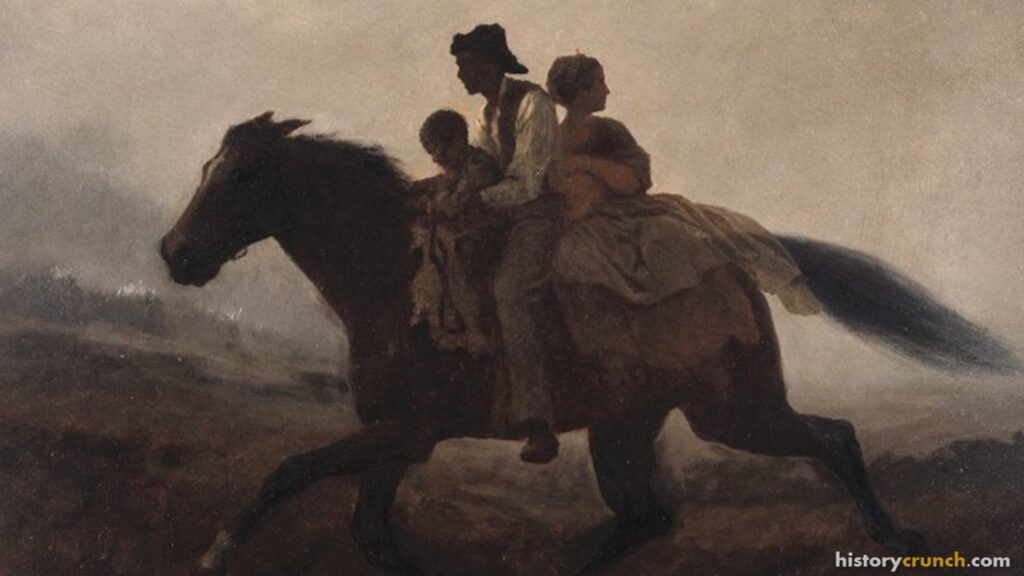
The Underground Railroad was a network of secret routes and safe houses used by enslaved people escaping north, run by free Black communities, formerly enslaved people and white abolitionists. It grew sharply after 1850.
LEARN MORESHOW LESSwhy it matters · 2 key figuresSOCIALIt was not a railroad and it was not underground, and it was not run by the people who usually get the credit. Most of the risk was carried by free Black communities and by the people escaping.
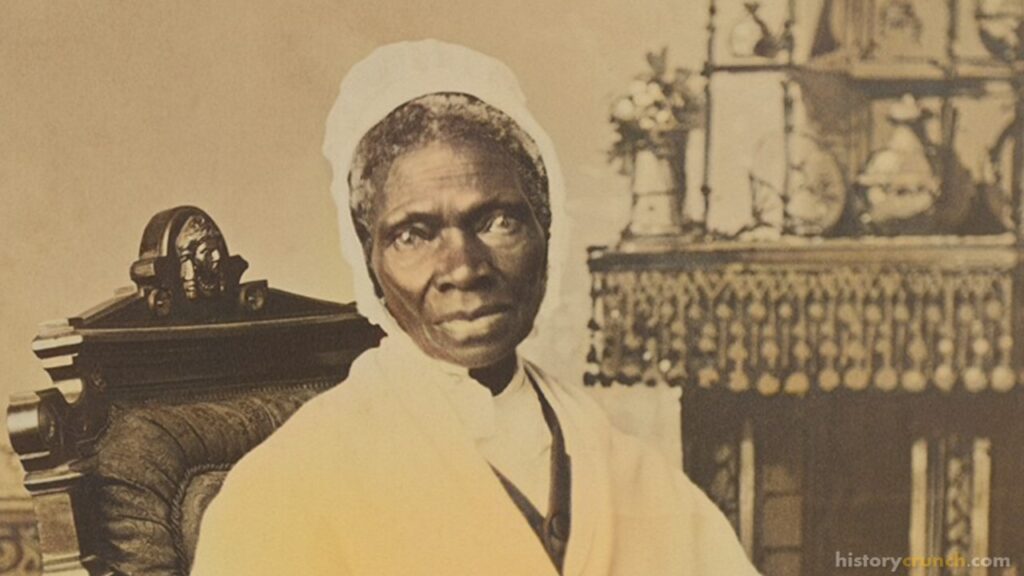
Sojourner Truth, born into slavery in New York and freed in 1827, became a travelling preacher and speaker for abolition and women's rights. Her speech at a women's convention in Akron, Ohio in 1851 is the one she is remembered for.
LEARN MORESHOW LESSwhy it matters · 1 key figureSOCIALShe insisted on both arguments at once, that slavery was wrong and that women were equal, at a time when most people campaigning for either were happy to drop the other.
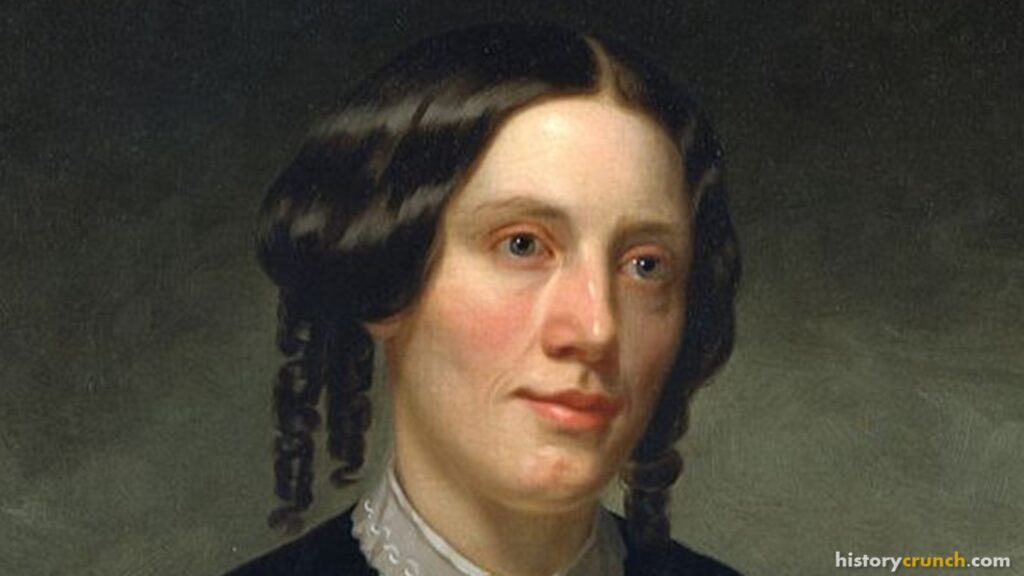
Harriet Beecher Stowe published Uncle Tom's Cabin in 1852, written in anger at the Fugitive Slave Act. It sold about 300,000 copies in the United States in its first year and was banned across much of the South.
LEARN MORESHOW LESSwhy it matters · key numbers · 1 key figureIDEASIt did what statistics could not: it made Northern readers care about individual enslaved people as characters. Southern writers answered it with dozens of novels of their own, which tells you how much damage they thought it had done.
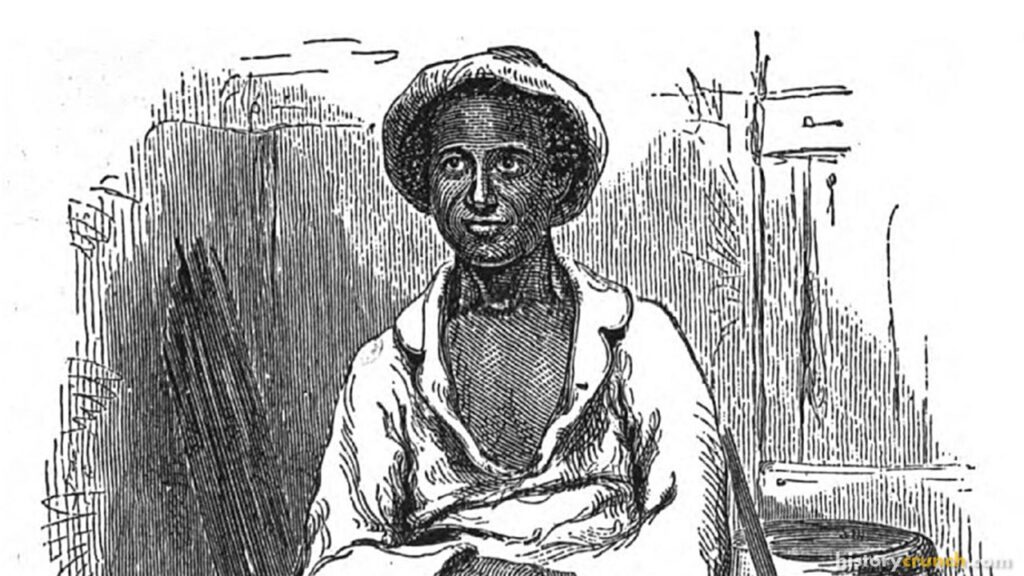
Solomon Northup was a free Black man from New York who was kidnapped in 1841 and sold into slavery in Louisiana. He was rescued in 1853 and published Twelve Years a Slave the same year.
LEARN MORESHOW LESSwhy it matters · key numbers · 1 key figureSOCIALHe had been free, legally, with papers, in a free state. The fact that it could happen to him at all is the sharpest available answer to anyone arguing that the law protected free Black Americans.
The Mexican War added half of Mexico to the map and reopened everything. The Compromise of 1850 held for four years and its Fugitive Slave Act made Northerners personally responsible for catching escaped people, which turned a distant argument into a local one. Kansas-Nebraska then tore up the 1820 line and handed the decision to settlers, who killed each other over it for seven years. In 1857 the Supreme Court ruled that Congress could not ban slavery anywhere, and there was no legal compromise left to make.
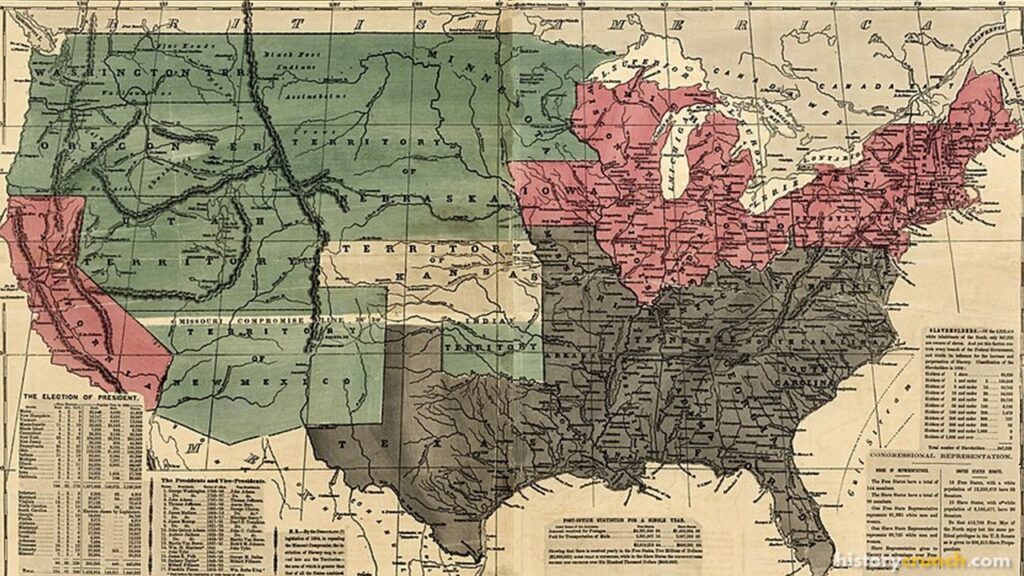
Stephen Douglas's Kansas-Nebraska Act of 1854 repealed the Missouri Compromise and left it to settlers in each territory to vote on whether to allow slavery. Douglas wanted the territories organized to clear the way for a transcontinental railroad.
LEARN MORESHOW LESSwhy it matters · key numbers · 1 key figureLAWThirty-four years of settled law undone for a railway route. It destroyed the Whig party, created the Republican party, and turned Kansas into a war, all within three years.
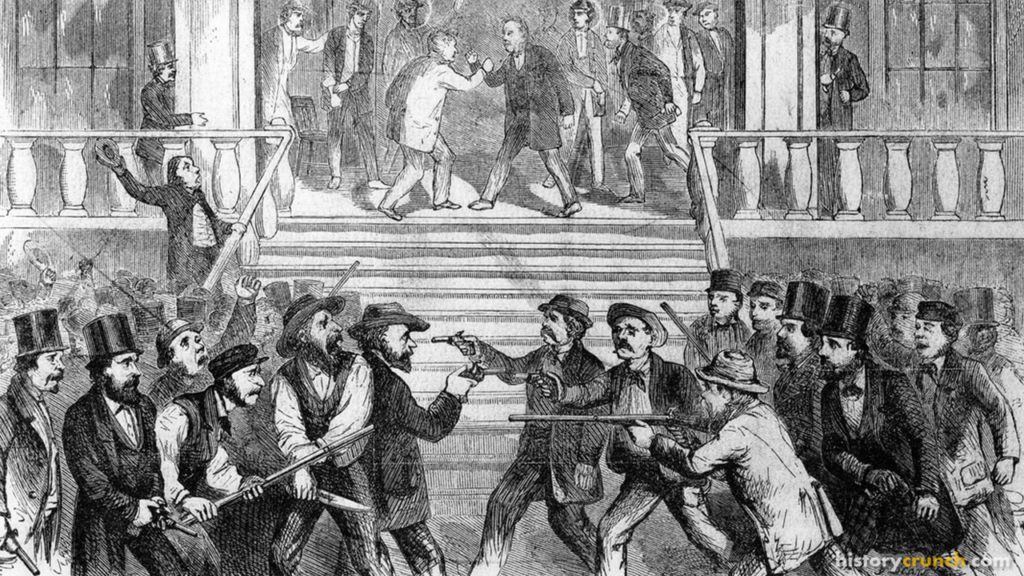
Letting settlers vote on slavery produced a rush of pro-slavery and anti-slavery settlers into Kansas, and then seven years of violence between them, from 1854 to 1861.
LEARN MORESHOW LESSwhy it matters · key numbersMILITARYThis is the American Civil War starting early, in one territory, with the same two sides and the same weapons. Anyone who thought the war came out of nowhere in 1861 had not been reading about Kansas.
The first election for the Kansas territory was held on 30 March 1855. Thousands of pro-slavery men crossed from Missouri to vote illegally, and a pro-slavery legislature was returned.
LEARN MORESHOW LESSwhy it mattersPOLITICALLetting people vote only settles things if the vote is honest. Popular sovereignty failed at the first attempt, and both sides drew the conclusion that force was the only thing that would decide it.
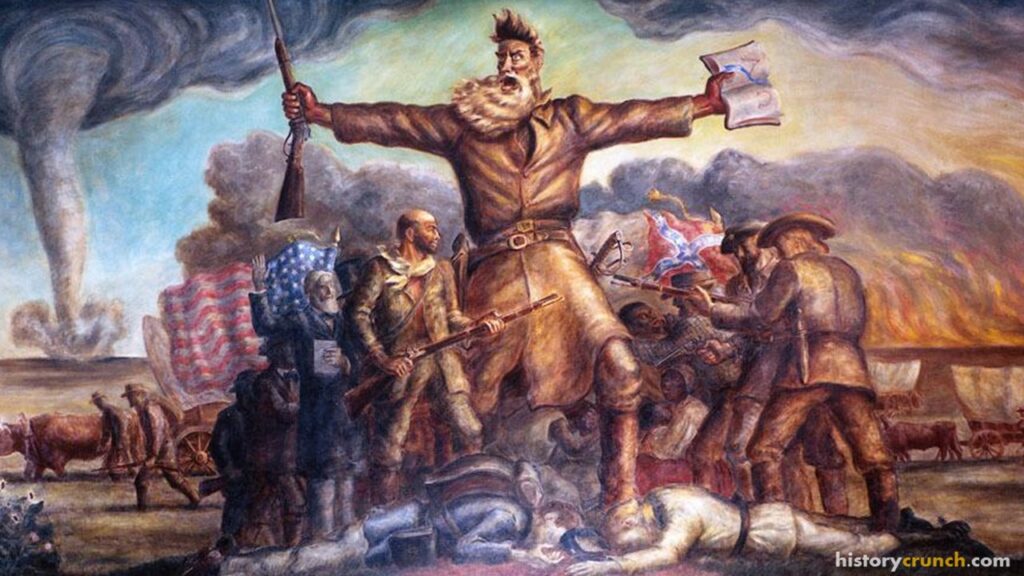
On 24 and 25 May 1856 John Brown and his sons killed five pro-slavery settlers in Kansas, in reprisal for an attack on the free-state town of Lawrence.
LEARN MORESHOW LESSwhy it matters · 1 key figureMILITARYBrown is the hardest figure on this timeline to place. He was right about slavery and he killed unarmed men in front of their families, and any honest account of him has to hold both of those at once.
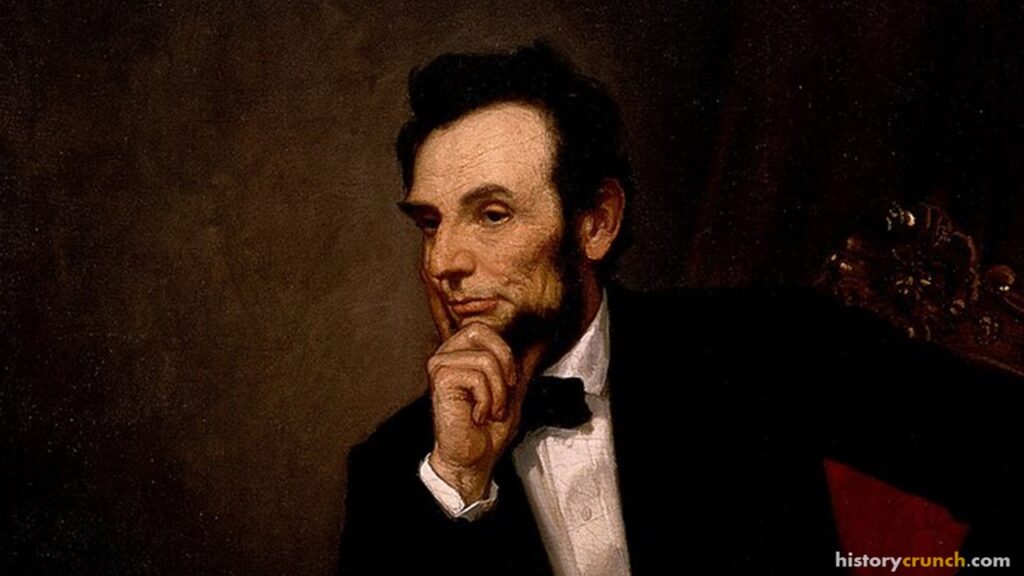
Abraham Lincoln joined the newly formed Republican Party in 1856. The party had been created in response to the Kansas-Nebraska Act, on a platform of stopping the spread of slavery into new territory.
LEARN MORESHOW LESSwhy it matters · 1 key figurePOLITICALNote the platform: not abolition, but containment. Lincoln's position in 1860 was that slavery should not spread, not that it should end where it was, and the South seceded over that.
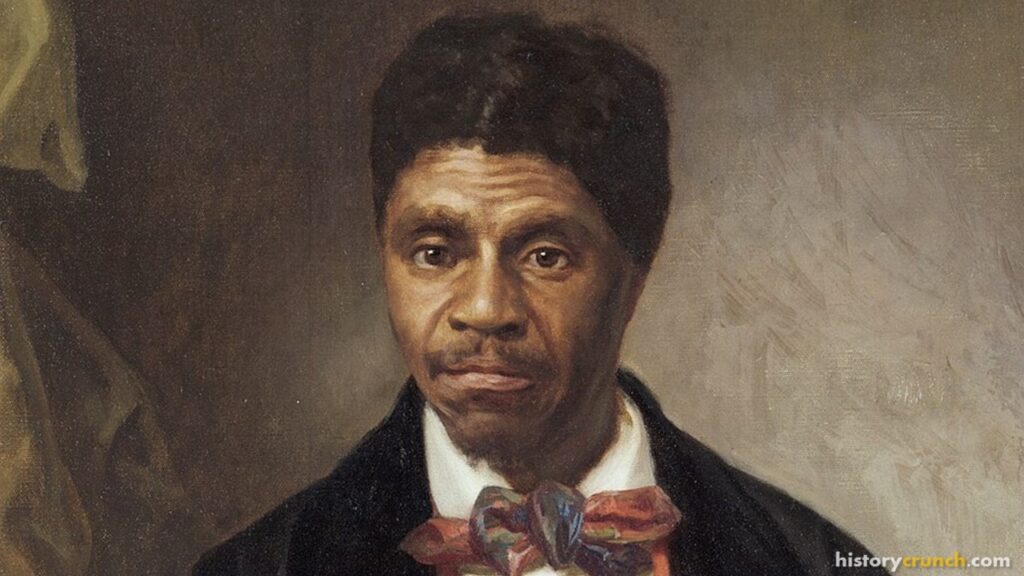
Dred Scott had been taken by his owner into free territory and sued for his freedom on those grounds. In 1857 the Supreme Court ruled against him, holding that Black Americans could not be citizens and that Congress had no power to ban slavery in the territories.
LEARN MORESHOW LESSwhy it matters · key numbers · 1 key figureLAWThe Court had tried to settle the argument permanently and instead made compromise impossible. If Congress could not ban slavery anywhere, then every territory was potentially slave, and the Republican party's entire platform had just been declared unconstitutional.
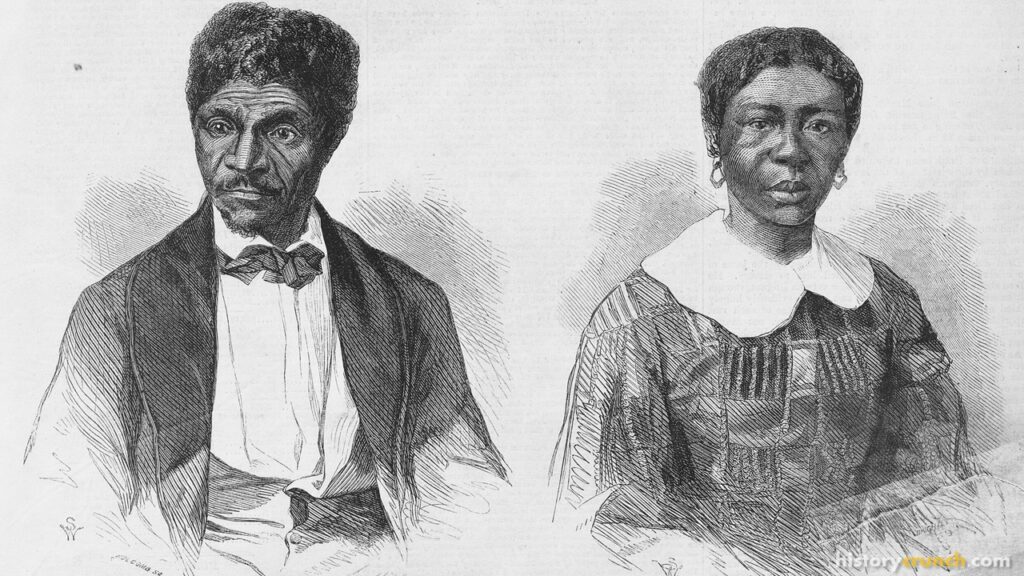
Dred Scott brought the case with his wife Harriet, who had her own claim. They were bought and freed by a private family a few months after losing, and Dred Scott died the following year.
LEARN MORESHOW LESSwhy it matters · 2 key figuresSOCIALThe case that helped cause a war was two people trying to get their family out of slavery. They lost, and then were freed anyway by an act of private charity, which tells you what the law was worth to them.
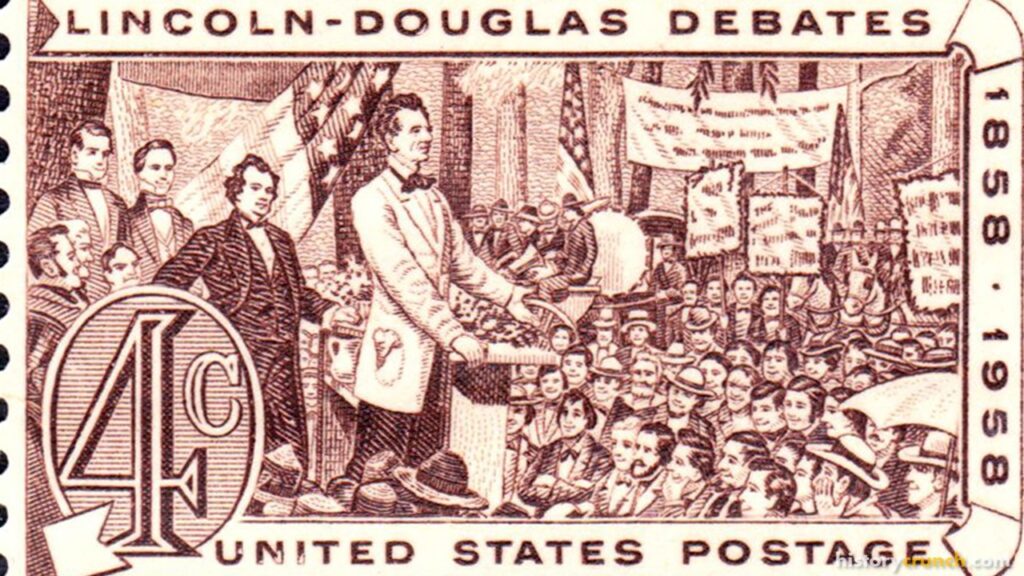
Abraham Lincoln and Stephen Douglas held seven debates in the 1858 Illinois Senate race, each lasting three hours in front of large crowds, and each almost entirely about slavery. Douglas won the seat.
LEARN MORESHOW LESSwhy it matters · key numbers · 2 key figuresPOLITICALLincoln lost and became nationally famous doing it. Two years later he was president, and Douglas was the man he beat.
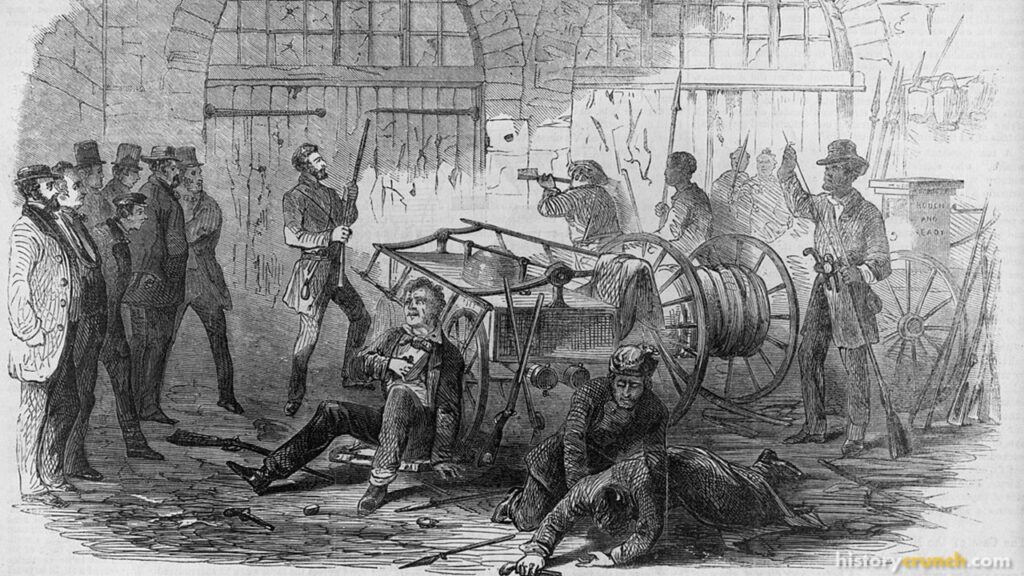
In October 1859 John Brown led eighteen men in a raid on the federal armory at Harpers Ferry, Virginia, intending to arm a general uprising of enslaved people. It failed within two days. Brown was tried and hanged.
LEARN MORESHOW LESSwhy it matters · key numbers · 1 key figureMILITARYMilitarily it was nothing. Politically it was enormous: the South read it as proof that the North intended to arm a slave rebellion, and Brown's calm dignity at his trial made him a martyr in the North, which confirmed the Southern fear.
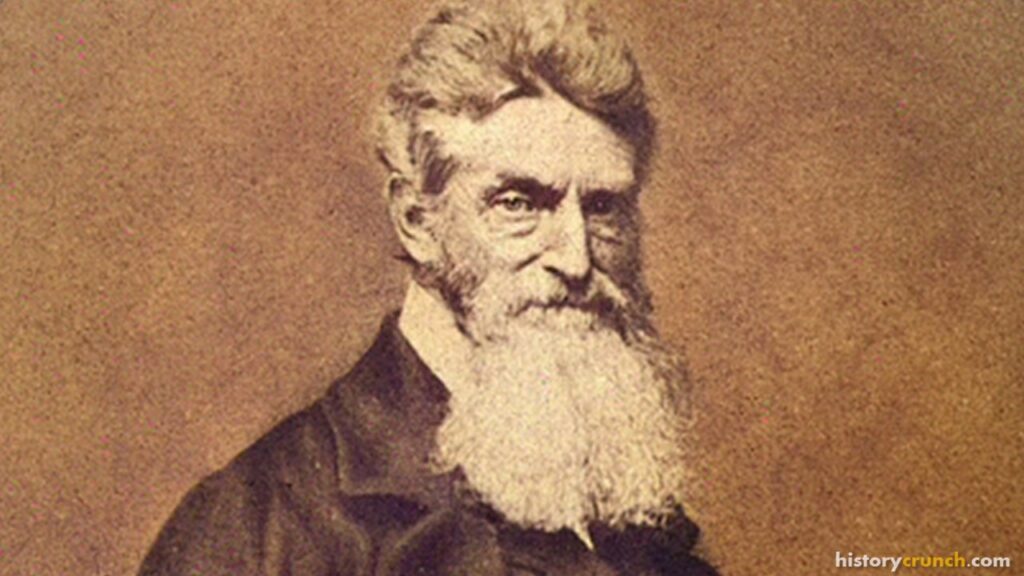
John Brown was hanged on 2 December 1859. Church bells were rung across the North, and Northern writers compared him to a saint. Southern newspapers printed the tributes as evidence of what the North really wanted.
LEARN MORESHOW LESSwhy it matters · 1 key figurePOLITICALBoth sides were now reading the same events and drawing opposite conclusions, and each side's reaction confirmed the other's worst fear. That is the shape of the last year before the war.
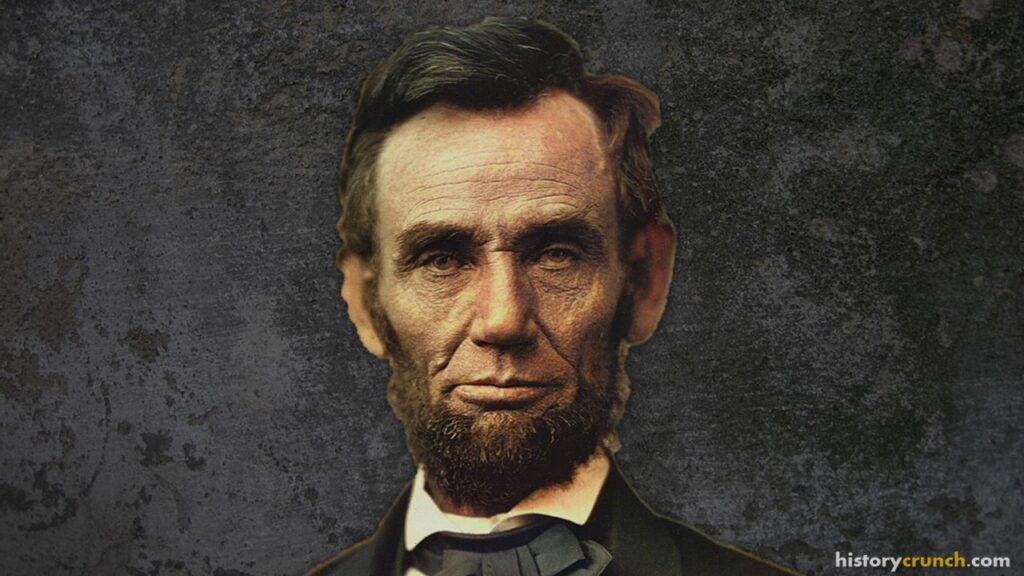
Abraham Lincoln won the presidential election of November 1860 as the Republican candidate, in a four-way race, without carrying a single Southern state. Southern leaders read his election as a threat to slavery.
LEARN MORESHOW LESSwhy it matters · key numbers · 1 key figurePOLITICALLincoln had promised only to stop slavery spreading, not to end it. The South seceded anyway, because the election proved the North could now win the presidency without them, and would keep doing it.
In December 1860, six weeks after Lincoln's election and three months before he took office, South Carolina became the first state to secede from the Union. Six more followed before he was inaugurated.
LEARN MORESHOW LESSwhy it matters · key numbersPOLITICALThe declaration of secession South Carolina published says exactly why it left, and it is about slavery, at length and without embarrassment. It is the best answer available to anyone who claims the war was about something else.
Lincoln won the 1860 election without carrying a single Southern state, which told the South it had permanently lost the argument. South Carolina left within six weeks and six states followed before he took office. He said in his first inaugural that he had no intention of interfering with slavery where it existed; five weeks later Confederate guns opened on Fort Sumter. Both sides expected a short war. First Bull Run in July ended that idea, and by the next spring Shiloh had produced more casualties in two days than every previous American war combined.
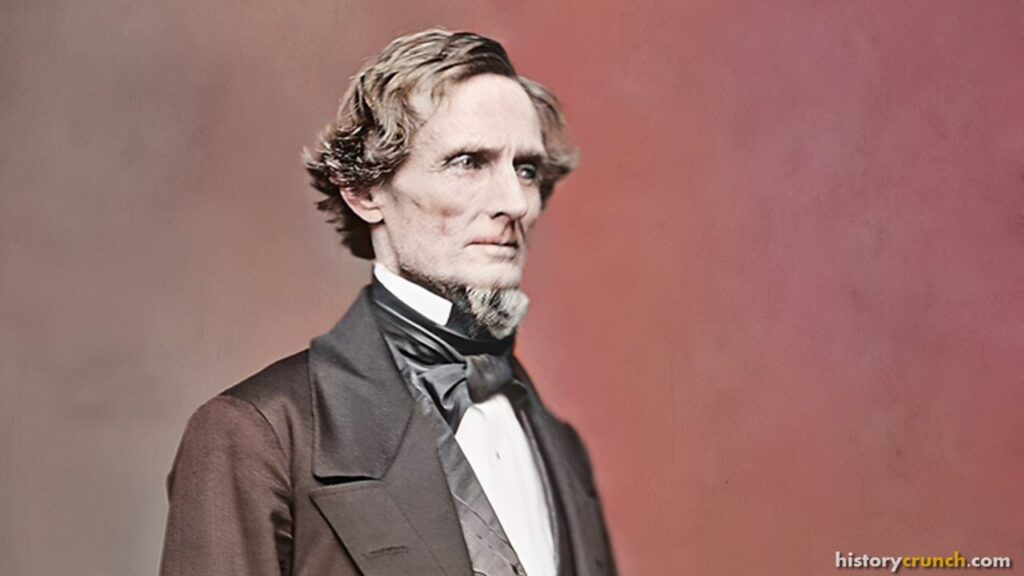
Seven seceding states met in February 1861 and formed the Confederate States of America, choosing Jefferson Davis as president. Four more states joined after the fighting began.
LEARN MORESHOW LESSwhy it matters · key numbers · 1 key figurePOLITICALDavis had not wanted the job and said so. The Confederacy spent the whole war arguing with itself about states' rights, which is awkward for a government founded on them and trying to raise an army.
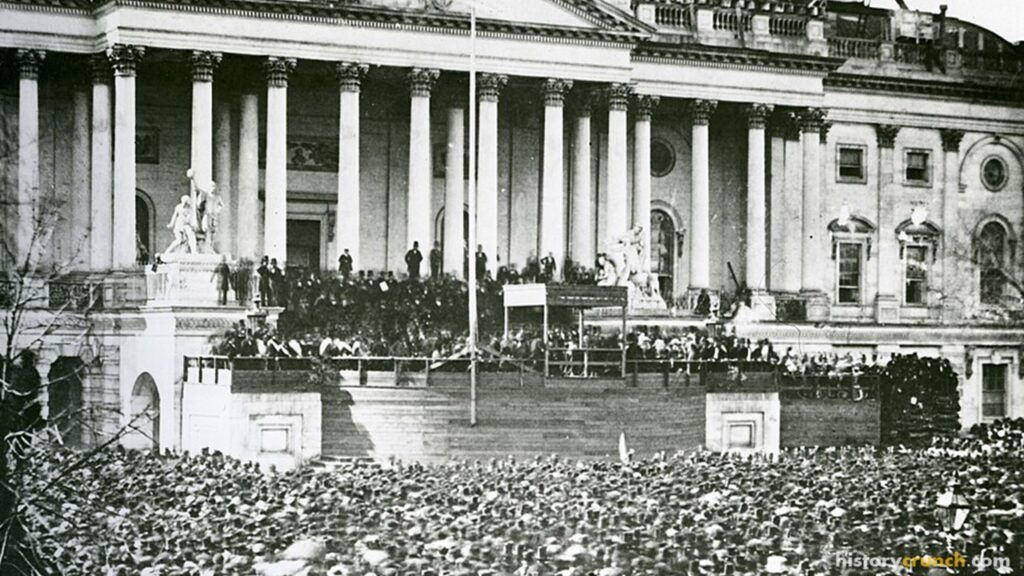
Abraham Lincoln took office on 4 March 1861. In his inaugural address he said he had no intention of interfering with slavery where it existed, and no right to, but that the Union could not be dissolved.
LEARN MORESHOW LESSwhy it matters · key numbers · 1 key figurePOLITICALHis position was narrower than either side claimed. He would not end slavery and he would not let states leave, and the war began over the second of those, not the first.
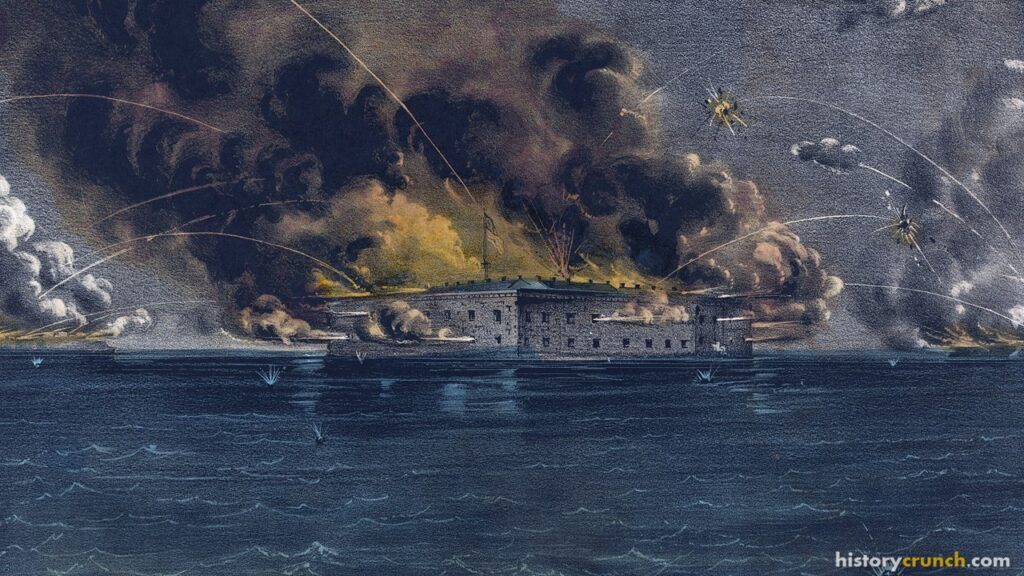
Confederate forces bombarded the Union garrison at Fort Sumter in Charleston Harbor over two days in April 1861. The fort surrendered. Nobody was killed in the bombardment itself.
LEARN MORESHOW LESSwhy it matters · key numbersMILITARYA war that killed more Americans than any other began with a two-day artillery duel in which nobody died. Four more states seceded within weeks of Lincoln calling for volunteers to put the rebellion down and ordering a blockade of every Southern port.
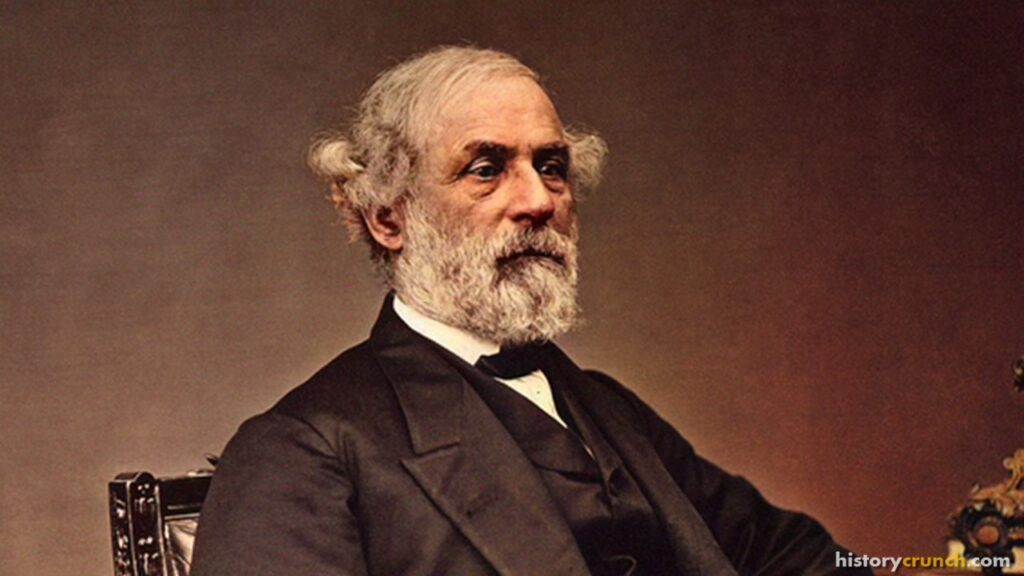
The Confederate capital moved to Richmond, Virginia in May 1861, about 100 miles from Washington. Robert E. Lee, offered command of the Union army, resigned instead and went with his state.
LEARN MORESHOW LESSwhy it matters · 1 key figurePOLITICALTwo capitals within a hundred miles of each other decided where most of the war was fought. And Lee's decision is the clearest case of how state loyalty could outrank national loyalty in 1861.
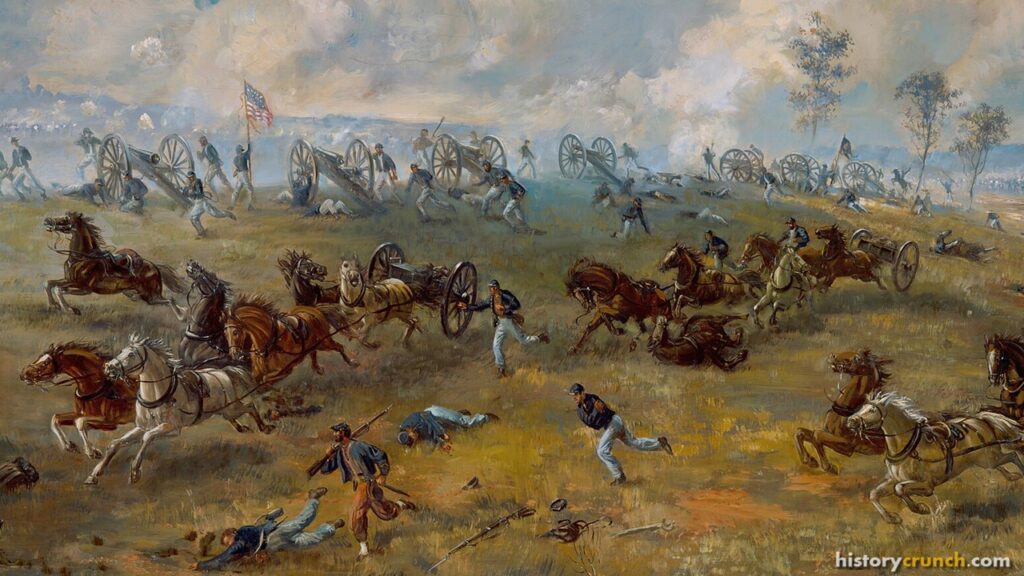
The first major battle was fought near Manassas, Virginia on 21 July 1861, about 25 miles from Washington. Civilians came out from the capital to watch. The Union army broke and ran, and so did the spectators.
LEARN MORESHOW LESSwhy it matters · key numbers · 1 key figureMILITARYBoth sides had expected one battle to settle it. Instead both armies discovered they did not know how to fight, the war went on for another three years and nine months, and both sides eventually had to fill their ranks by conscription.
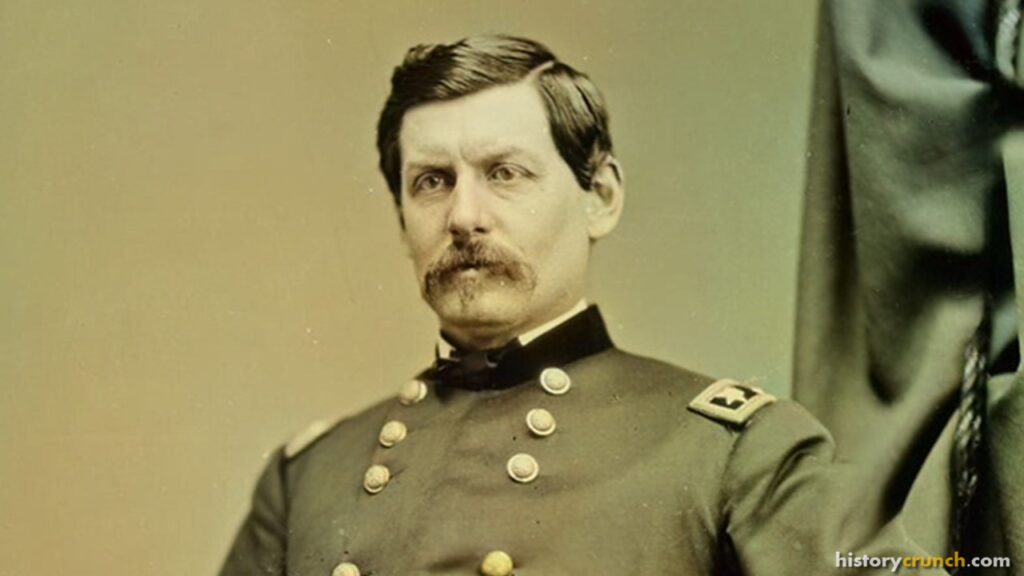
George McClellan took command of the Union army in the east after Bull Run. He was superb at organizing, training and supplying an army, and consistently unwilling to risk it in battle.
LEARN MORESHOW LESSwhy it matters · 2 key figuresMILITARYLincoln's central problem for three years was finding a general who would fight. McClellan is the reason the phrase exists, and Lincoln's frustration with him runs right through to Grant's appointment in 1864.
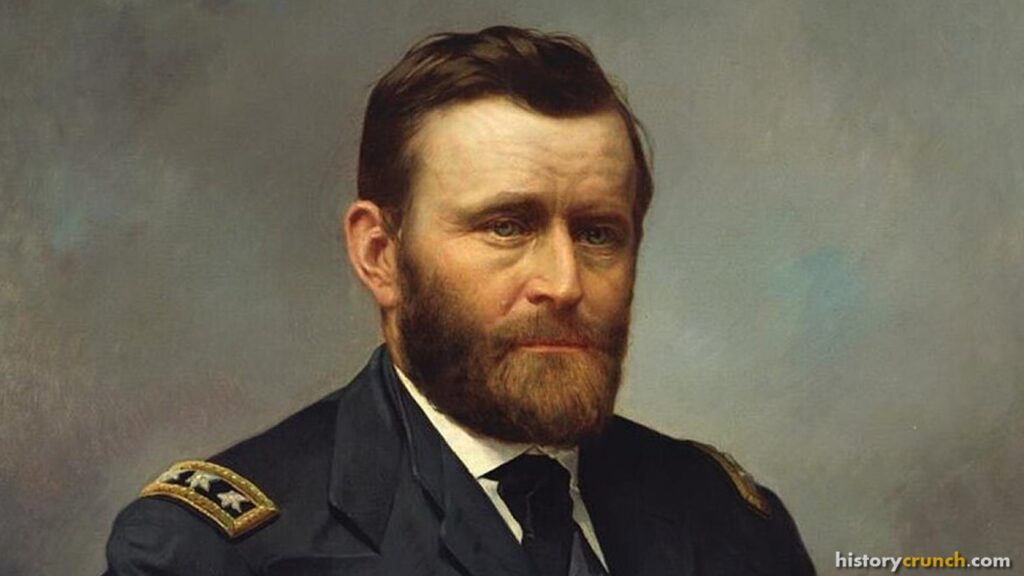
Ulysses S. Grant captured Fort Henry on the Tennessee River in February 1862 and Fort Donelson on the Cumberland days later, taking over 12,000 prisoners and opening two river highways into the Confederate heartland.
LEARN MORESHOW LESSwhy it matters · key numbers · 1 key figureMILITARYThis is where Grant appears. Asked for terms, he replied that only unconditional surrender was acceptable, and the newspapers turned his initials into Unconditional Surrender Grant.
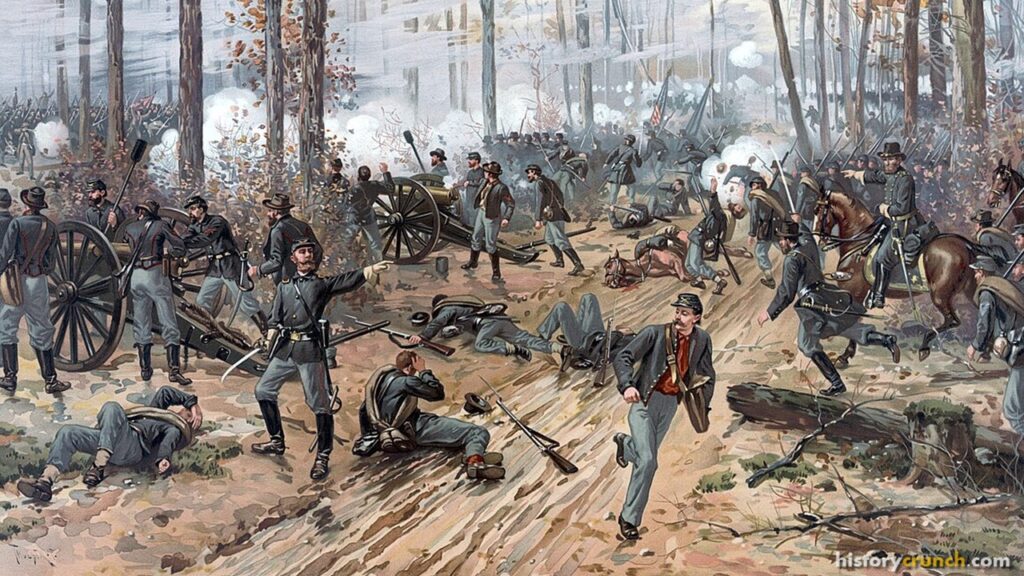
Fought on 6 and 7 April 1862 near Pittsburg Landing in Tennessee, Shiloh produced over 23,000 casualties in two days and shocked both sides with the scale of it. Grant was nearly driven into the river on the first day and counterattacked on the second.
LEARN MORESHOW LESSwhy it matters · key numbers · 1 key figureMILITARYMore Americans fell in two days at Shiloh than in all of America's previous wars combined. After Shiloh nobody on either side believed the war would be short or cheap.
Lee took the war north in September 1862 and was stopped at Antietam, on the bloodiest single day in American history. Lincoln had the Emancipation Proclamation written and waiting; he needed a victory so it would not read as desperation, and Antietam was close enough. From 1 January 1863 the war was openly about slavery, Britain and France could no longer consider backing the South, and Black men could enlist. About 180,000 did.
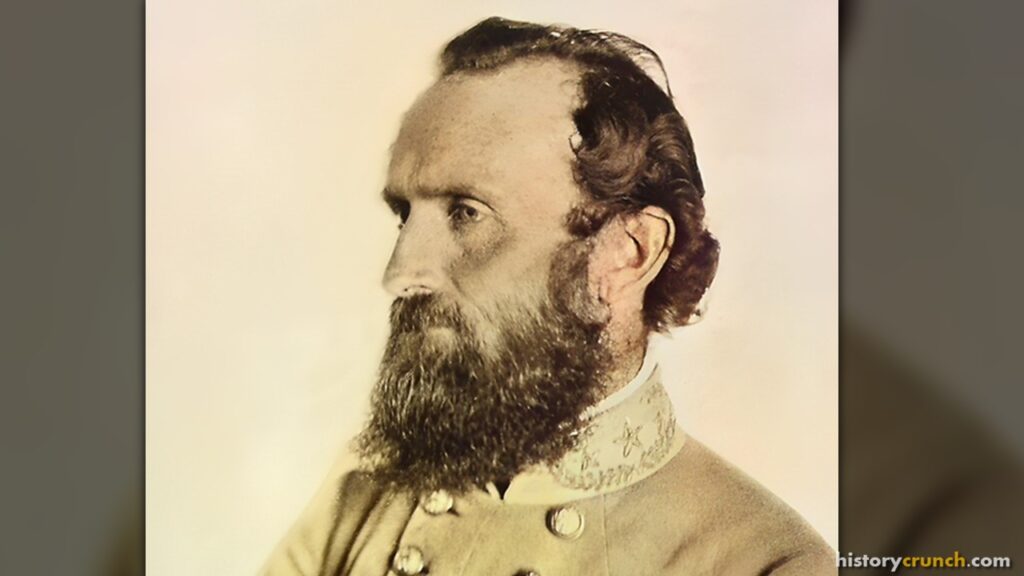
Lee and Jackson defeated a second Union army on the same ground as the first battle, in August 1862. The victory opened the way for Lee's first invasion of the North.
LEARN MORESHOW LESSwhy it matters · 2 key figuresMILITARYLee was now winning consistently in the east while the Union was winning in the west. He decided to invade Maryland to force a decision, and that decision came at Antietam three weeks later.
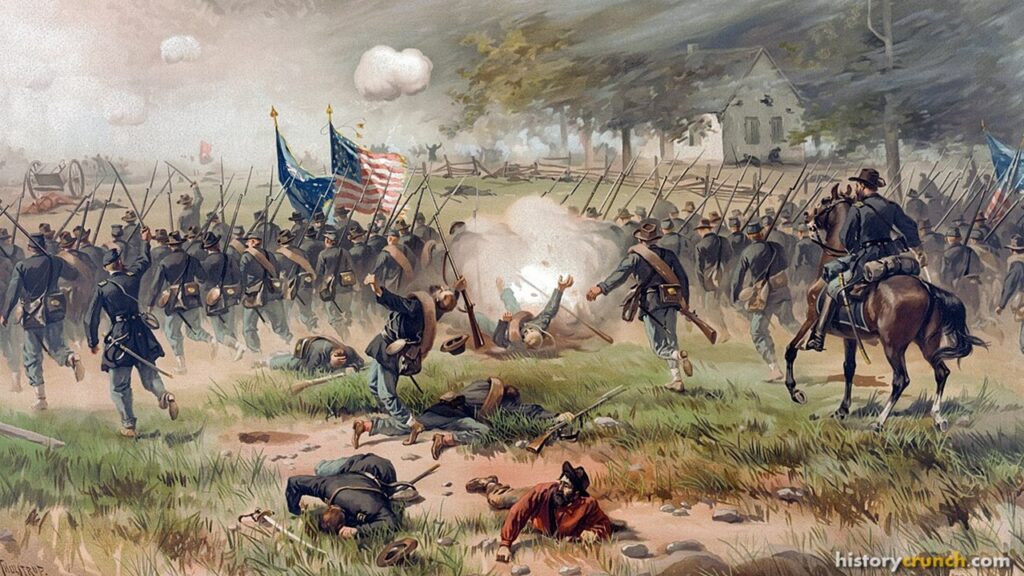
Fought on 17 September 1862 near Sharpsburg, Maryland, Antietam produced about 22,700 casualties in a single day and remains the bloodiest day in American military history. Lee's invasion was stopped and he withdrew to Virginia.
LEARN MORESHOW LESSwhy it matters · key numbers · 2 key figuresMILITARYTactically it was close to a draw. Strategically it was enough: Lincoln had been waiting for a victory to announce emancipation from a position of strength, and five days later he had one.
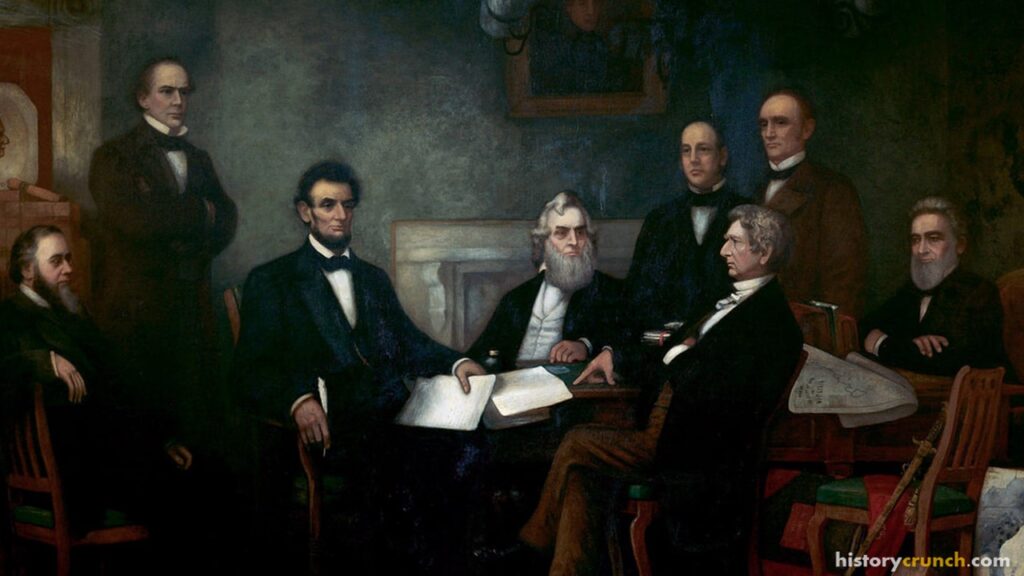
Five days after Antietam, Lincoln announced that from 1 January 1863 all enslaved people in states still in rebellion would be free. States that returned to the Union before then could keep slavery.
LEARN MORESHOW LESSwhy it matters · key numbers · 1 key figurePOLITICALRead the terms carefully: it freed people in the places the Union did not control and left slavery alone where it did. It was a war measure, and it also changed what the war was about, permanently.
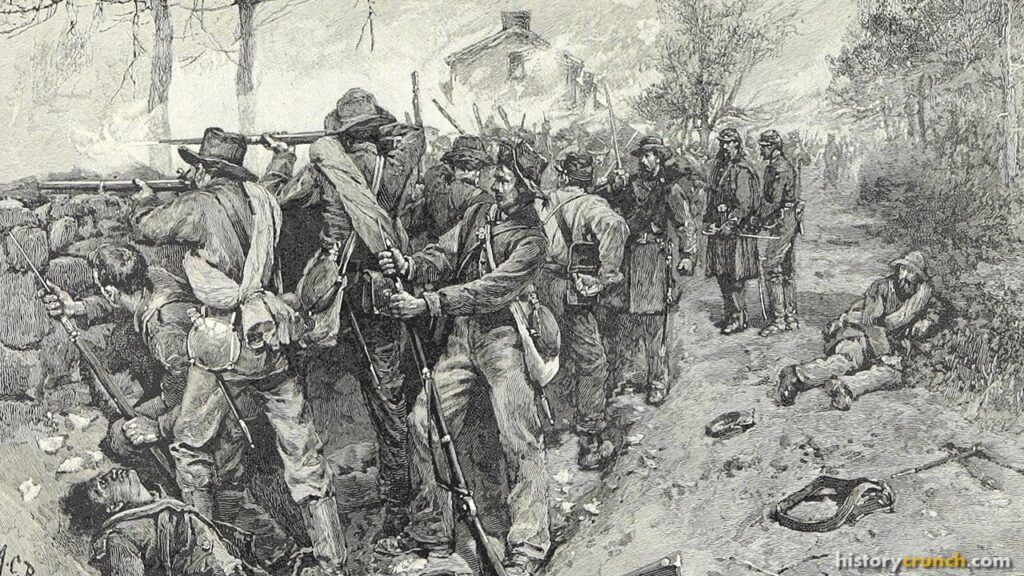
In December 1862 Union forces made repeated frontal assaults against Confederate troops firing from behind a stone wall on Marye's Heights. None reached the wall. About 12,600 Union soldiers were killed or wounded against about 5,300 Confederates.
LEARN MORESHOW LESSwhy it matters · key numbersMILITARYIt is the clearest demonstration of what rifled muskets had done to the frontal attack, and both sides went on ordering frontal attacks for another two and a half years.
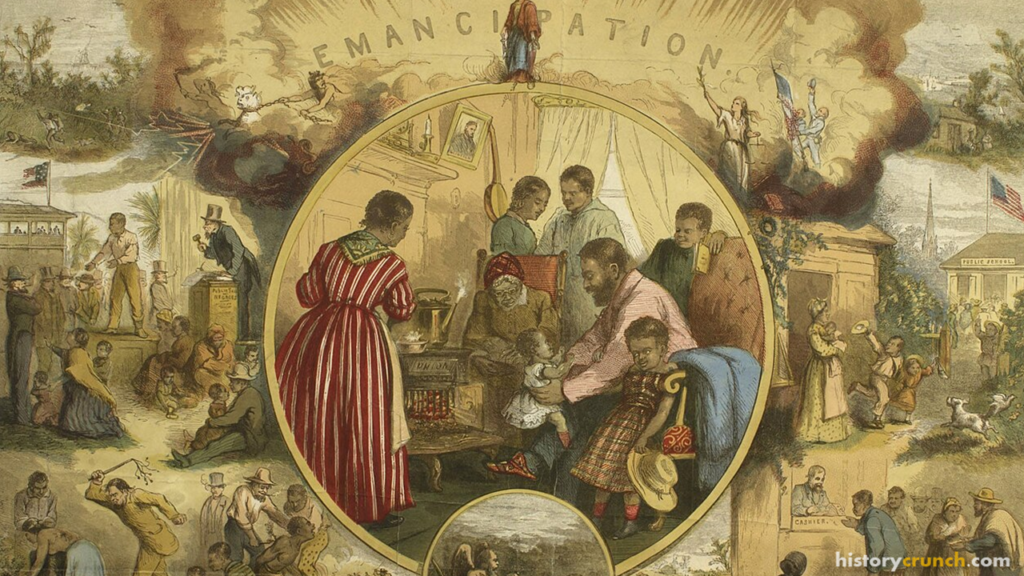
The Emancipation Proclamation took effect on 1 January 1863. It applied only to the states in rebellion, so it left slavery alone in the border states that had stayed in the Union. It also allowed Black men to enlist, and around 180,000 eventually served in the United States Colored Troops.
LEARN MORESHOW LESSwhy it matters · key numbers · 2 key figuresPOLITICALThe enlistment clause may be the more important half. It turned the war into one that Black Americans were fighting for themselves, and it made restoring slavery afterwards politically impossible.
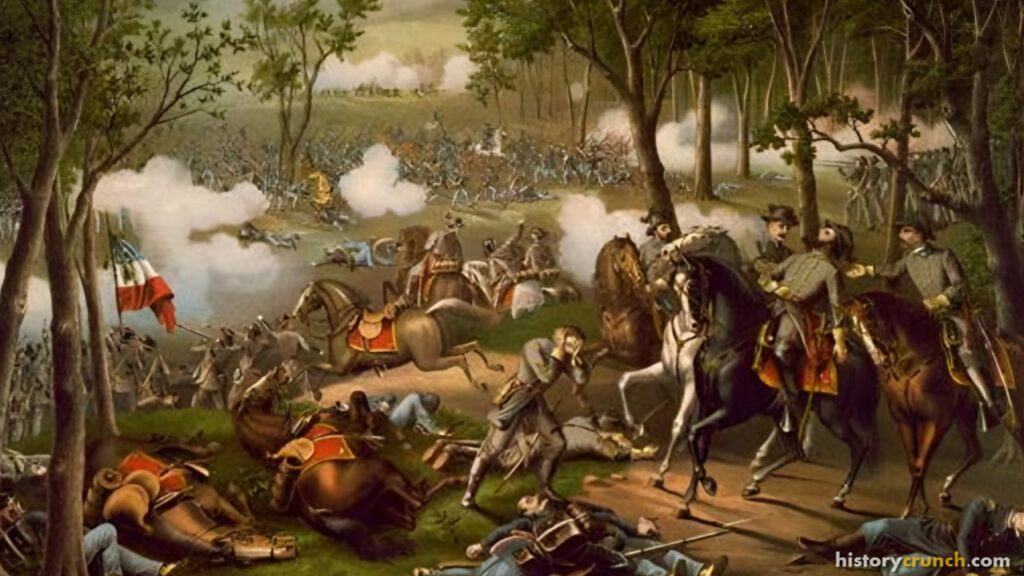
In May 1863 Lee divided his outnumbered army in the face of a larger Union force and won his most celebrated victory. Stonewall Jackson, who had made the decisive march, was shot by his own men in the dark and died eight days later.
LEARN MORESHOW LESSwhy it matters · key numbers · 2 key figuresMILITARYLee won the battle and lost the one commander who could carry out that kind of plan. Two months later at Gettysburg the orders Jackson would have executed went to someone else, and were not.
In the first three days of July 1863 Lee's second invasion of the North was broken at Gettysburg. On the fourth, a thousand miles away, Vicksburg surrendered and the Confederacy was cut in two along the Mississippi. Lee never invaded again. Four and a half months later Lincoln spoke for two minutes at the Gettysburg cemetery and described the war as a test of whether a country founded on equality could survive.
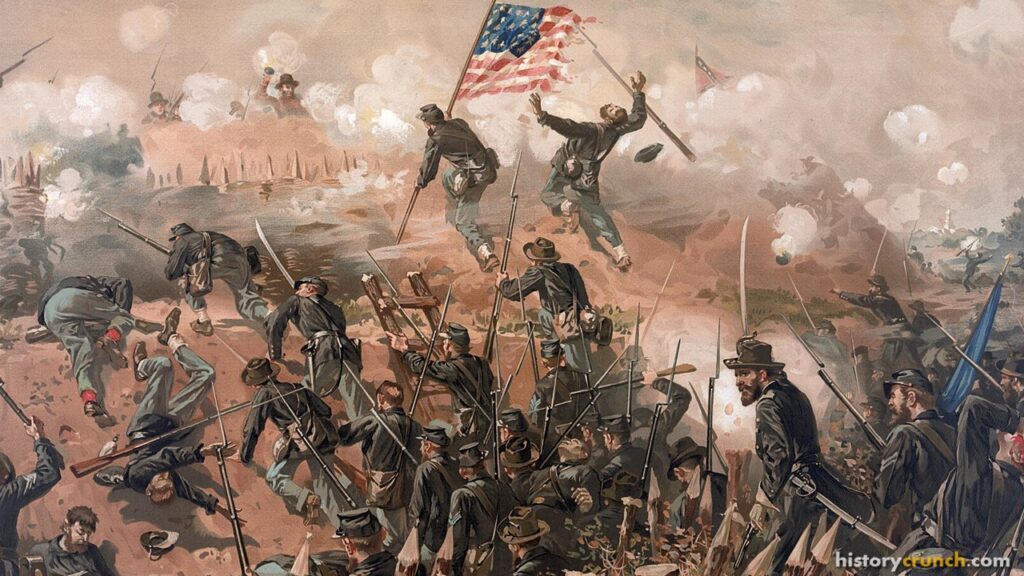
Grant had been trying to take Vicksburg since late 1862 and failed repeatedly. In May 1863 he crossed the Mississippi, cut loose from his supply line, beat several Confederate forces and settled into a 47-day siege.
LEARN MORESHOW LESSwhy it matters · key numbers · 1 key figureMILITARYVicksburg was the last Confederate strongpoint on the Mississippi. Taking it would cut the Confederacy in half and hand the Union the river that runs through the middle of it.
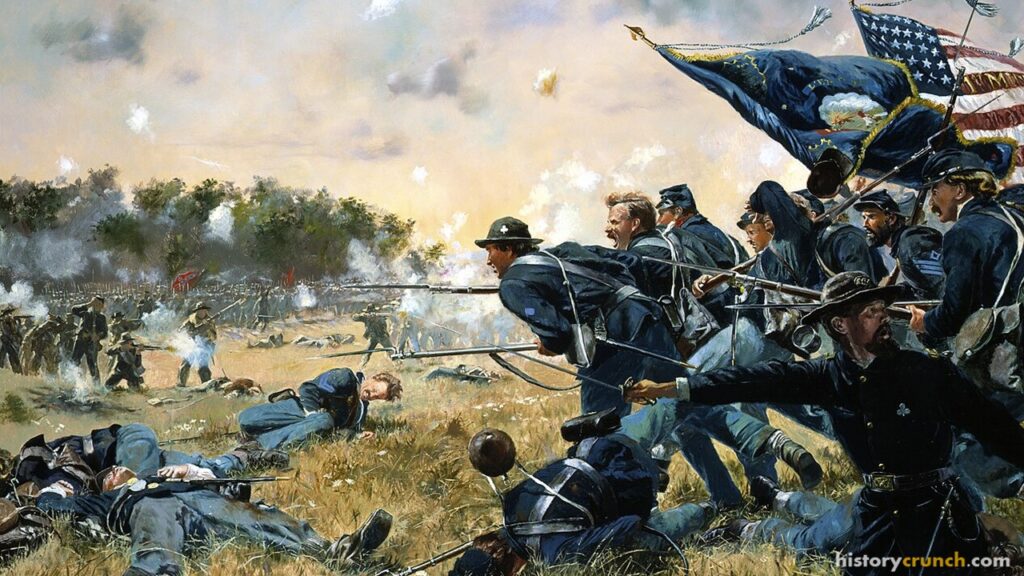
Lee invaded Pennsylvania with about 75,000 men and met the Union army at Gettysburg on 1 July 1863. Three days of fighting ended with a frontal assault across open ground on the third day that was destroyed by Union fire.
LEARN MORESHOW LESSwhy it matters · key numbers · 1 key figureMILITARYLee never invaded the North again and never regained the initiative. Of the two victories in that week, this is the famous one, and the other one may have mattered more.
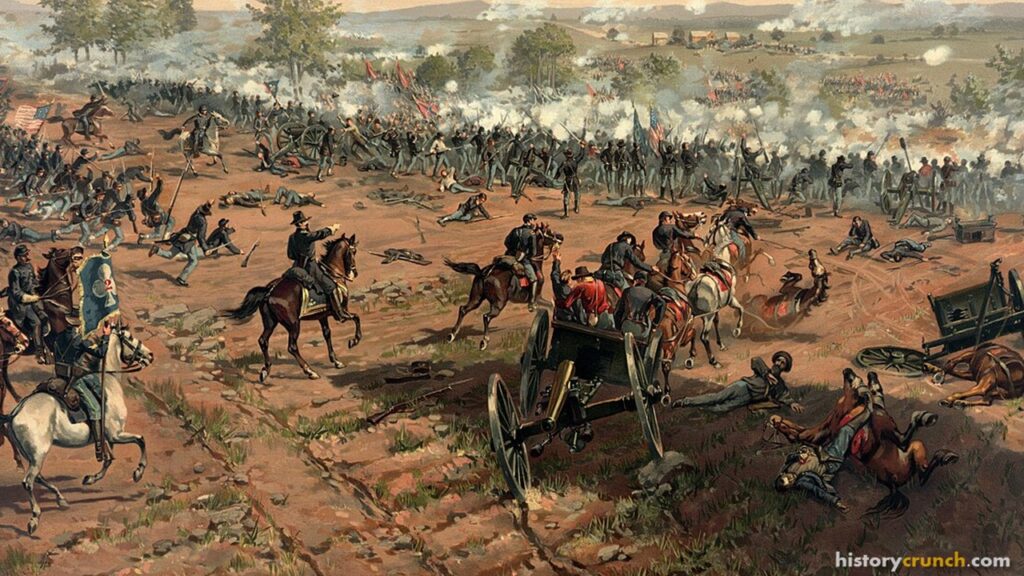
Vicksburg surrendered on 4 July 1863, the day after Gettysburg ended. The Union now controlled the entire Mississippi River and the Confederacy was split in two.
LEARN MORESHOW LESSwhy it matters · key numbers · 1 key figureMILITARYTwo decisive victories in one week, a thousand miles apart, on Independence Day. Vicksburg is the one that changed the map, and it is also what put Grant on the path to commanding everything.
Confederate forces won at Chickamauga in northern Georgia in September 1863, one of the bloodiest battles of the war, and drove the Union army back into Chattanooga.
LEARN MORESHOW LESSwhy it mattersMILITARYIt was the last significant Confederate victory of the war, and it trapped a Union army in a city rather than destroying it. Two months later that turned into a Union breakout.
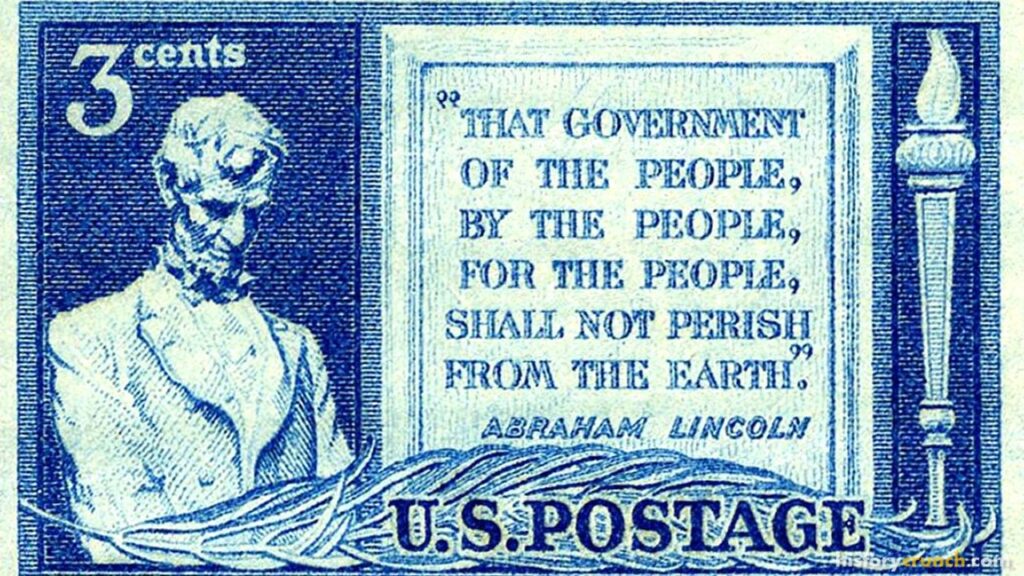
Lincoln spoke for about two minutes at the dedication of the cemetery at Gettysburg on 19 November 1863. The main speaker that day talked for two hours. Lincoln's 272 words are what everyone remembers.
LEARN MORESHOW LESSwhy it matters · key numbers · 1 key figureIDEASHe redefined the war in one paragraph: not a fight to restore a union of states but a test of whether a nation founded on the proposition that all men are created equal could survive. That is a different war from the one he had started.
Grant, sent to relieve the trapped Union army at Chattanooga, broke the Confederate siege in November 1863 and secured Tennessee. The road into Georgia was now open.
LEARN MORESHOW LESSwhy it matters · key numbers · 1 key figureMILITARYGrant had now won on the Mississippi and in Tennessee. Four months later Lincoln put him in charge of every Union army in the country.
Lincoln finally had a general who kept going. Grant lost his first battle against Lee in the Wilderness and marched south anyway, took about 55,000 casualties in six weeks, and pinned Lee at Petersburg where the Confederacy could not replace its losses. Sherman took Atlanta in September, which saved Lincoln's re-election, then burned a sixty-mile-wide strip of Georgia to the sea to prove the Confederacy could not feed itself. Lee surrendered at Appomattox in April 1865. Lincoln was shot five days later.
In March 1864 Lincoln made Grant general in chief of all Union armies. Grant's plan was to attack on every front at once so the Confederacy could not move troops between them, and to keep attacking Lee whatever the result of any single battle.
LEARN MORESHOW LESSwhy it matters · key numbers · 2 key figuresMILITARYEvery previous Union commander in the east had retreated after a defeat. Grant's whole method was to lose a battle and advance anyway, which is exactly what he did for the next eleven months.
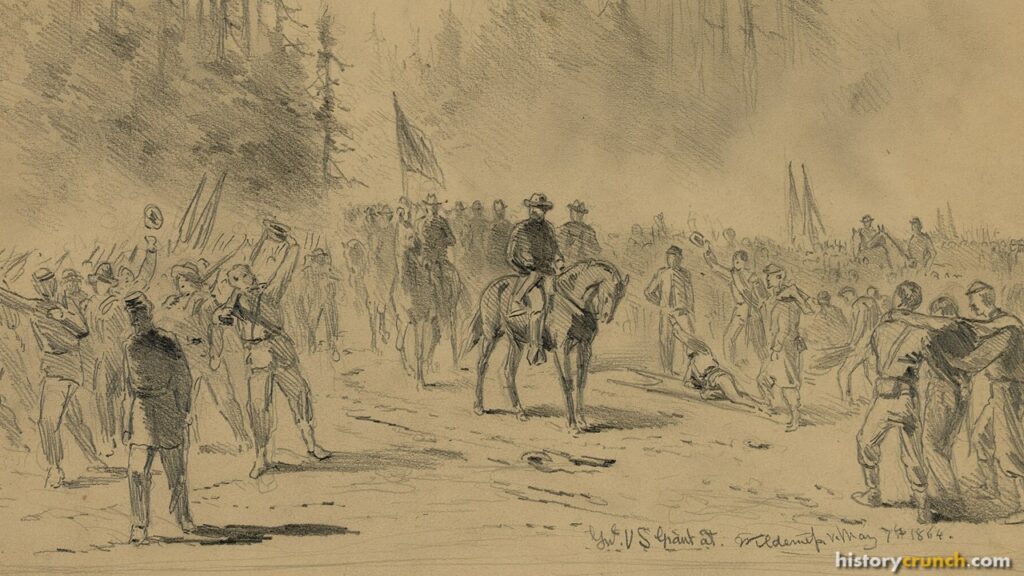
Grant met Lee in dense forest in northern Virginia on 5 to 7 May 1864. The fighting was confused and costly and the woods caught fire. Grant did not win. He then ordered his army south instead of back.
LEARN MORESHOW LESSwhy it matters · key numbers · 2 key figuresMILITARYThe soldiers cheered when they realized which way they were marching. This is the single moment that decides the war in the east, and it is not a victory.
Grant's army moved on to Spotsylvania Court House, where two weeks of near-continuous fighting followed, including twenty hours of hand-to-hand combat at a salient the soldiers called the Bloody Angle.
LEARN MORESHOW LESSwhy it mattersMILITARYThe Overland Campaign changed what a battle was. Instead of a day of fighting and a month of recovery, the armies were now in contact continuously for weeks, which nobody had ever sustained before.
At Cold Harbor in June 1864 Grant ordered a frontal assault on entrenched Confederate positions. It failed in about twenty minutes with heavy Union losses. Grant later wrote that it was the attack he most regretted ordering.
LEARN MORESHOW LESSwhy it mattersMILITARYIt is worth including because he admitted it. Most commanders on this timeline never conceded a mistake in writing, and the admission is part of why historians treat his memoirs as unusually honest.
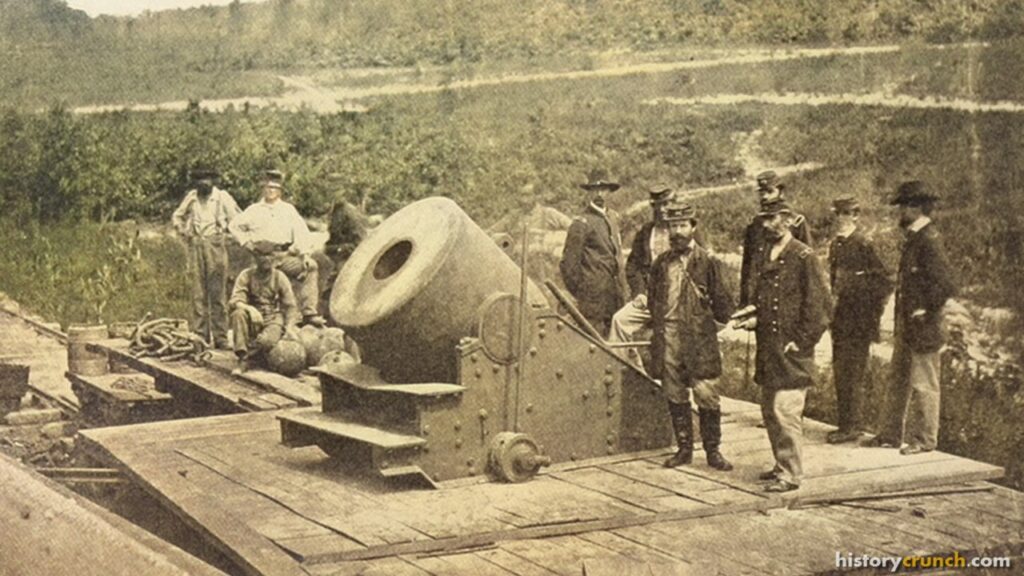
Unable to break Lee in open battle, Grant moved south of Richmond and settled into a siege of Petersburg that ran from June 1864 to April 1865, with trench lines eventually stretching over thirty miles.
LEARN MORESHOW LESSwhy it matters · key numbers · 2 key figuresMILITARYTrenches, mines, sharpshooters and months of waiting. Petersburg is the closest thing on this timeline to the Western Front of 1916, fifty years early, and European observers were there watching.
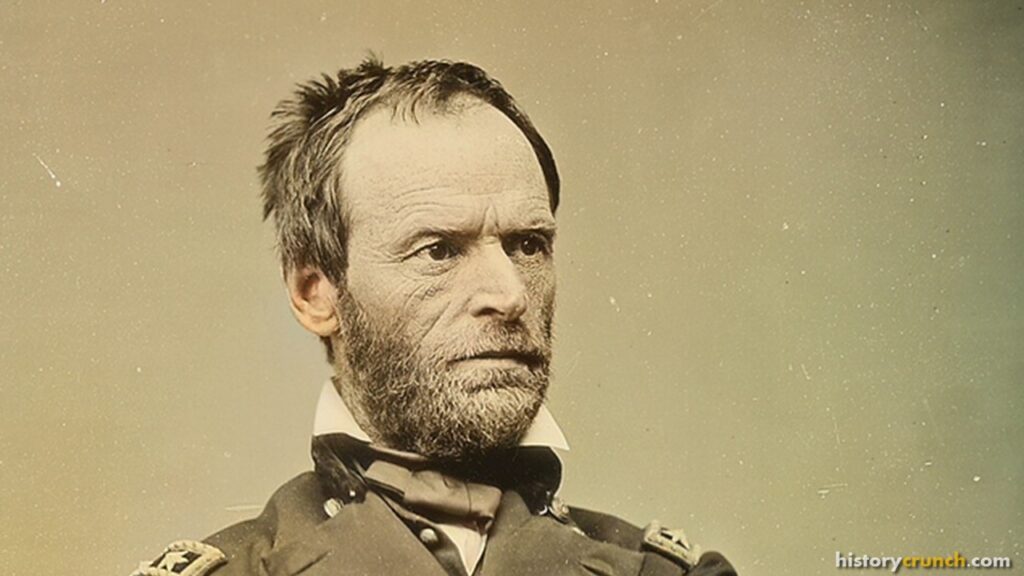
Sherman captured Atlanta in September 1864, the rail and supply hub of the Confederate west. Until that point Lincoln had privately expected to lose the November election to a candidate running on a negotiated peace.
LEARN MORESHOW LESSwhy it matters · key numbers · 1 key figureMILITARYA battle that decided an election. Without Atlanta, Lincoln probably loses in November, and a peace candidate negotiates with a Confederacy that still exists. Very little else on this timeline hangs on one victory so directly.
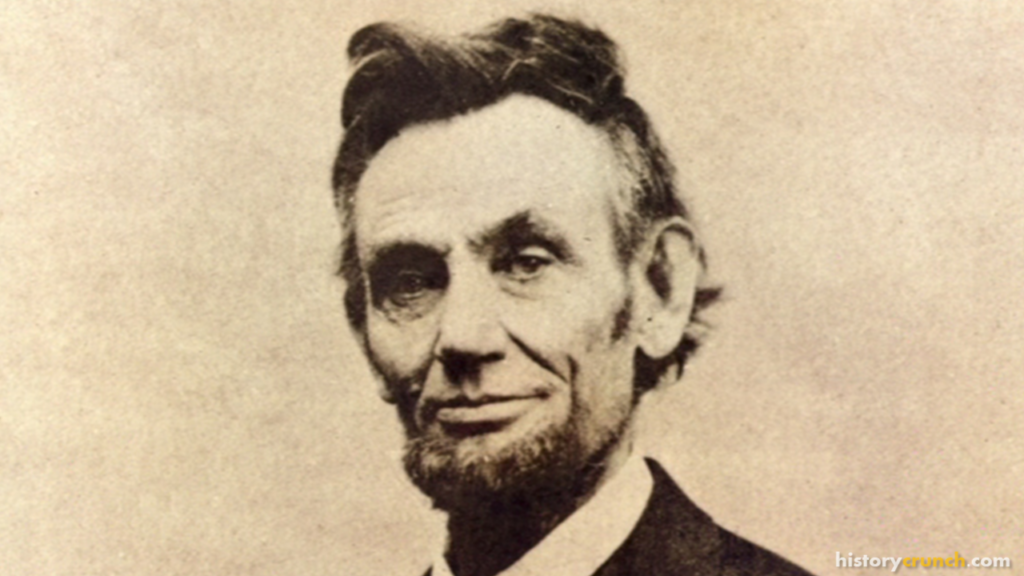
Lincoln won re-election in November 1864, with a large majority of the soldier vote, against George McClellan, the general he had removed, running on a platform of negotiated peace.
LEARN MORESHOW LESSwhy it matters · key numbers · 2 key figuresPOLITICALA country in the middle of a civil war held a free election and considered voting the war out. That it happened at all is the fact worth stopping on, whatever you think of the result.
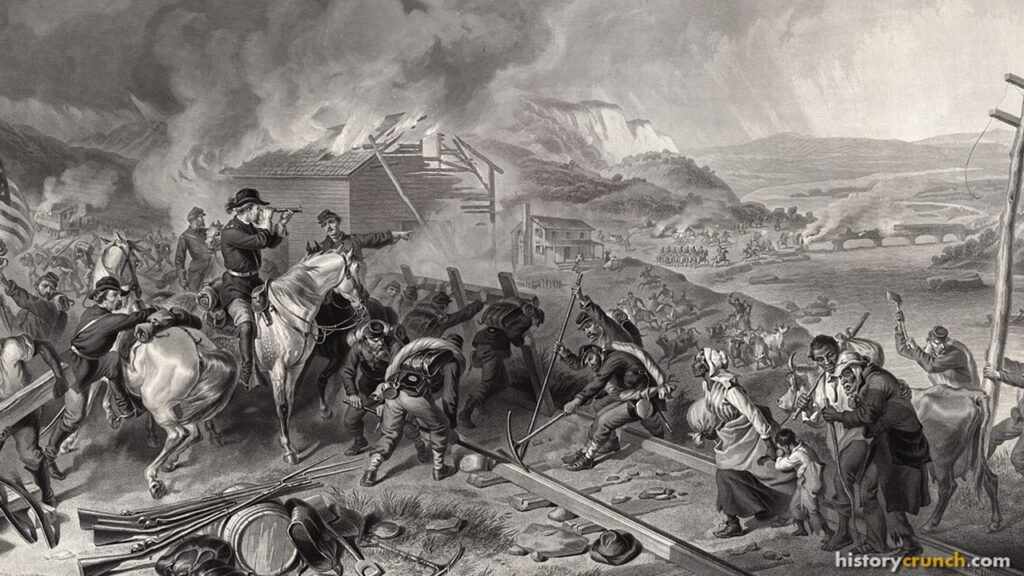
From 15 November to 21 December 1864 Sherman marched about 62,000 soldiers 285 miles from Atlanta to Savannah, cutting loose from his supply lines and destroying railways, factories, crops and property as he went.
LEARN MORESHOW LESSwhy it matters · key numbers · a debateMILITARYSherman's argument was that the war would end faster if Southern civilians felt it directly. It is the clearest case of total war on this timeline, deliberately making war on an economy and a population rather than an army, and it is still argued about.
Was Sherman's march a war crime or the fastest way to end the killing?
Sherman targeted property, railways and supplies rather than people, killed very few civilians, and his argument was that breaking the Confederacy's ability to feed its armies would end the war in months rather than years, saving lives on both sides.
He deliberately destroyed the livelihoods of civilians who were not combatants, left a wide strip of Georgia in ruins, and set a precedent for total war that the next century took up enthusiastically. The people whose farms he burned had no way to surrender.
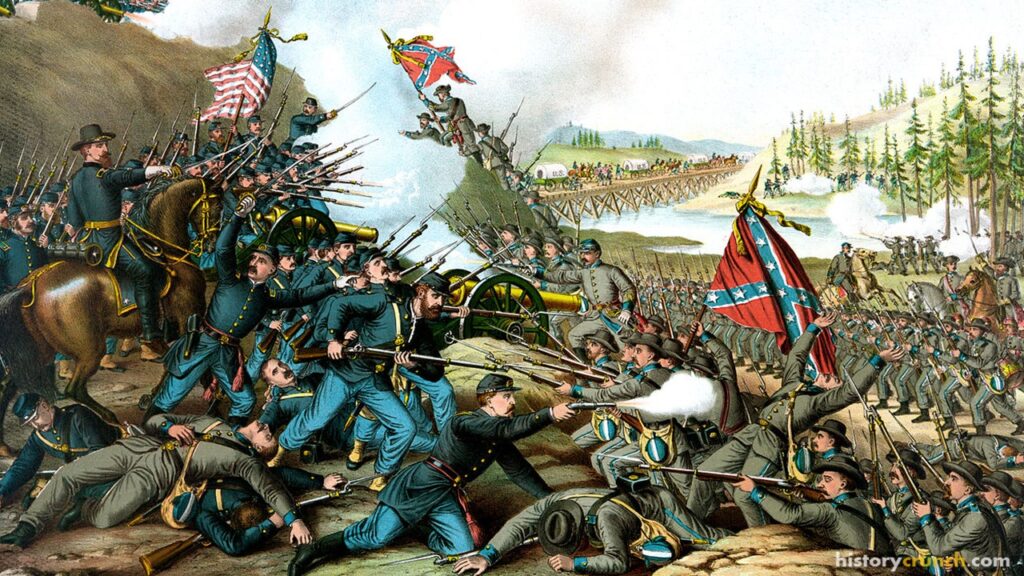
At Franklin, Tennessee in November 1864 a Confederate army made a frontal assault across two miles of open ground against entrenched Union troops. Six Confederate generals were killed. The Army of Tennessee never recovered.
LEARN MORESHOW LESSwhy it mattersMILITARYIt is the mirror of Fredericksburg, with the sides reversed, two years later and after everyone had seen what happened the first time.
The march ended with the capture of Savannah on 21 December 1864. Sherman telegraphed Lincoln offering him the city as a Christmas present.
LEARN MORESHOW LESSwhy it matters · 2 key figuresMILITARYThe Confederacy had now been cut in half twice, at Vicksburg and again by Sherman's march, and Jefferson Davis's government had no armies left that could stop either.
On 4 March 1865, with the war almost won, Lincoln used his second inaugural address to argue that both sides shared responsibility for slavery and to call for reunification without revenge.
LEARN MORESHOW LESSwhy it matters · key numbers · 1 key figureIDEASHe could have used the speech to claim victory and punish. He used it to prepare the country for a peace without retribution, and six weeks later he was dead and somebody else made those decisions.
Grant broke the Confederate lines at Petersburg on 2 April 1865. Lee evacuated overnight and headed west, abandoning both Petersburg and Richmond. The Confederate government fled.
LEARN MORESHOW LESSwhy it matters · 2 key figuresMILITARYNine and a half months of siege ended in a day. Lee had one week left.
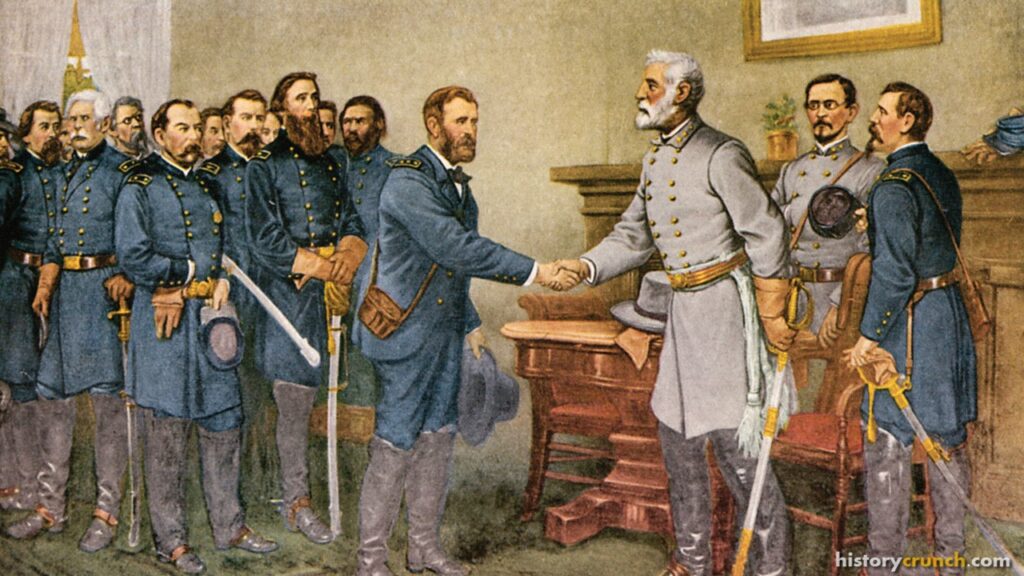
Lee surrendered to Grant at Appomattox Court House, Virginia on 9 April 1865. Grant's terms were generous: Confederate soldiers went home on parole, officers kept their sidearms, and men who owned horses kept them for the spring planting.
LEARN MORESHOW LESSwhy it matters · key numbers · 2 key figuresMILITARYGrant could have demanded far more and Lincoln had signaled he should not. The terms at Appomattox are the first act of Reconstruction, and they set a tone that the next twelve years mostly failed to keep.
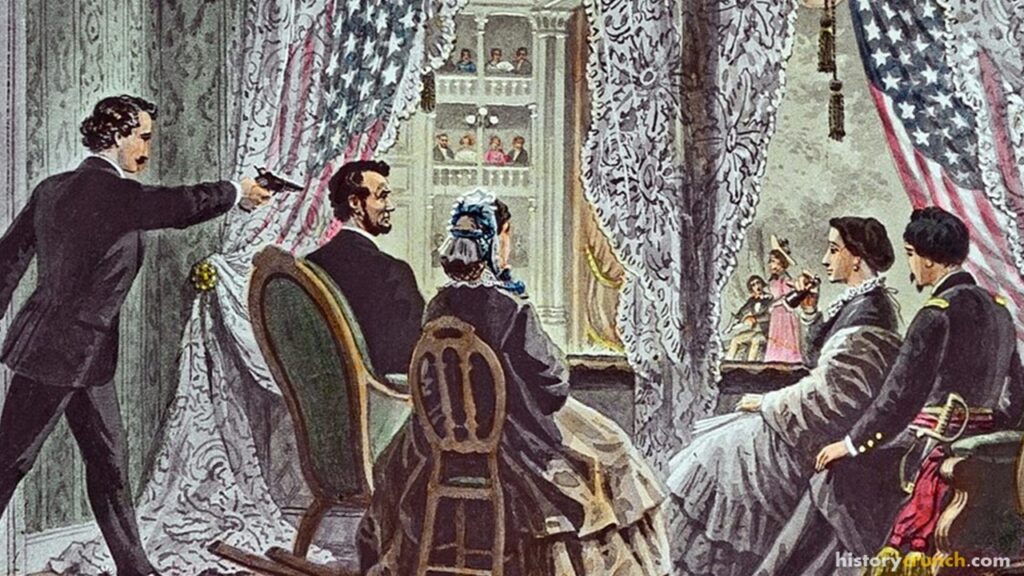
Five days after Appomattox, John Wilkes Booth shot Lincoln in his box at Ford's Theatre in Washington while he watched a comedy. Lincoln died the next morning, 15 April 1865.
LEARN MORESHOW LESSwhy it matters · key numbers · 2 key figuresPOLITICALThe man who had just argued for a peace without revenge was killed by someone who thought he had been too soft. Everything about Reconstruction that follows happens without him.
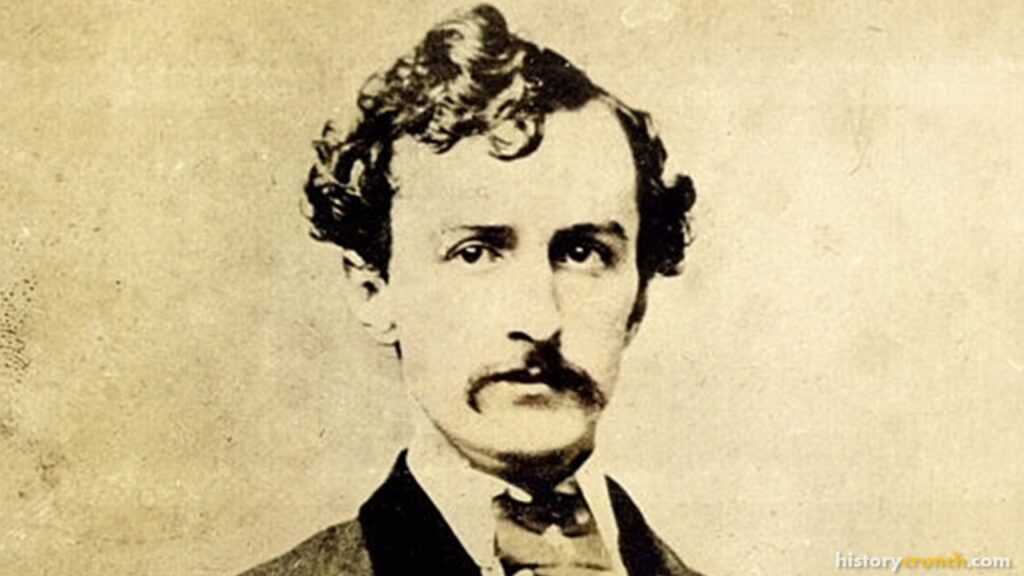
John Wilkes Booth was a well-known actor and a Confederate sympathiser who had planned first to kidnap Lincoln. He was tracked to a Virginia barn and shot twelve days after the assassination.
LEARN MORESHOW LESSwhy it matters · 1 key figurePOLITICALHe expected to be treated as a hero in the South and was not. The Confederacy he killed for had already surrendered, and the assassination hardened Northern opinion against exactly the leniency he had feared.
For about twelve years it worked. Three amendments abolished slavery, made everyone born in the country a citizen and guaranteed Black men the vote, and Black Americans were elected to state legislatures and to Congress across the South. It was enforced by federal troops. In 1877 a bargain over a disputed presidential election withdrew them, and what the amendments promised became unenforceable. By 1896 the Supreme Court had ruled segregation constitutional, and it stayed that way until 1954.
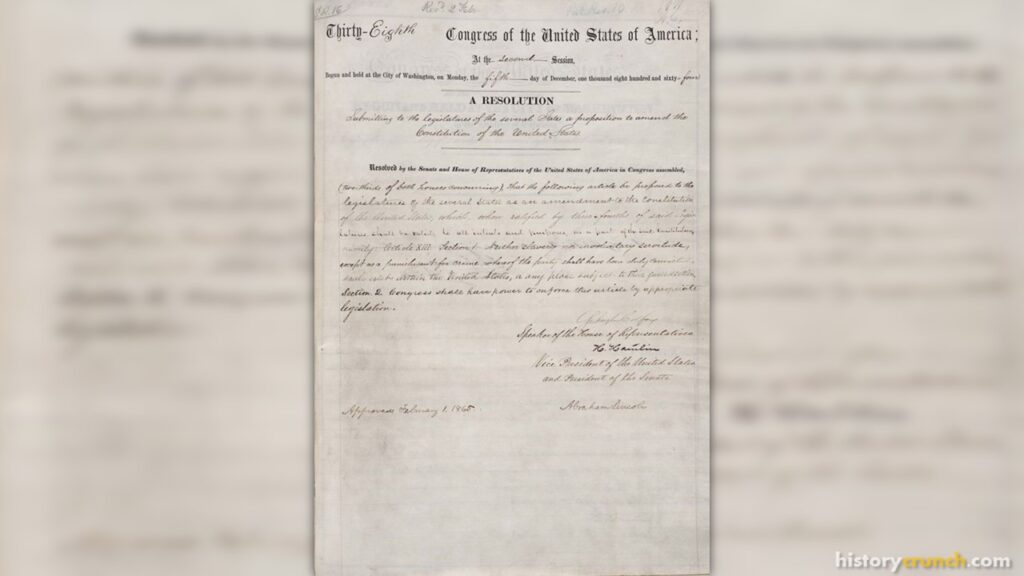
The Thirteenth Amendment was adopted on 18 December 1865, abolishing slavery throughout the United States, except as punishment for a crime.
LEARN MORESHOW LESSwhy it matters · key numbersLAWFour words in the exception clause, and Southern states read them immediately. Convict leasing grew out of that sentence and ran for decades.
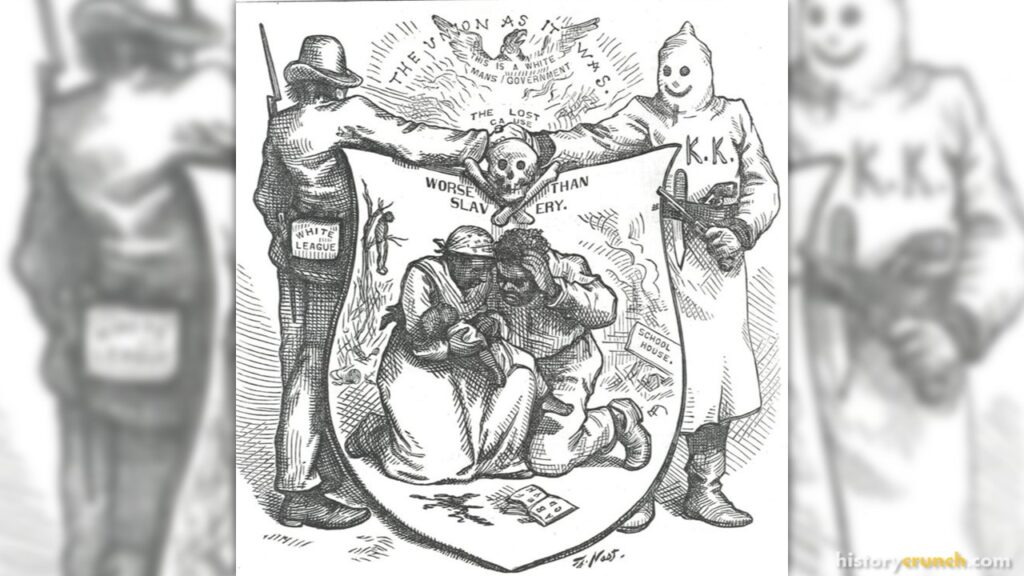
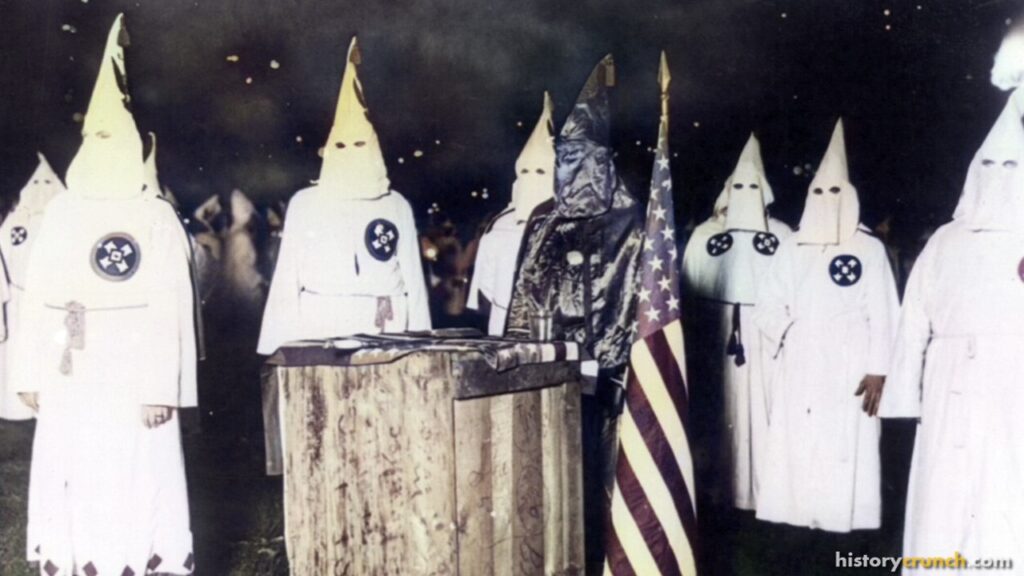
The Ku Klux Klan was founded on 24 December 1865 in Pulaski, Tennessee by a group of Confederate veterans, and became a campaign of violence and terror against Black Americans and their white allies across the South.
LEARN MORESHOW LESSwhy it matters · key numbersSOCIALSix days after slavery was abolished in law. The war decided whether the South could leave; it did not decide what freedom would mean, and this is the beginning of the campaign to decide that by force.
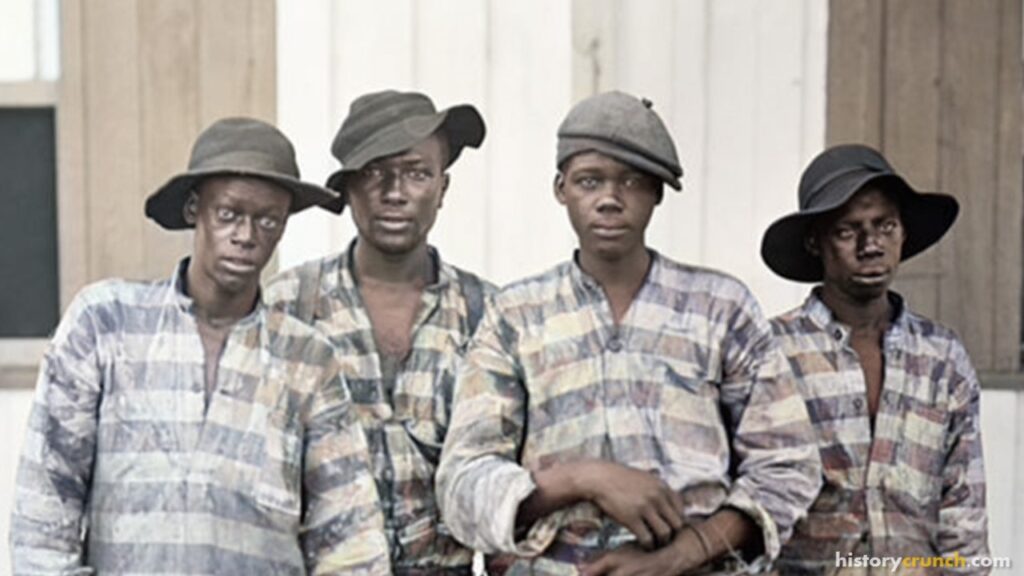
Southern states passed Black Codes restricting where freed people could live, work and travel, and allowing arrest for vagrancy. Those convicted could be leased out as labor, using the exception in the Thirteenth Amendment.
LEARN MORESHOW LESSwhy it mattersLAWThis is what the exception clause bought. A man could be arrested for having no job, convicted, and leased to the plantation he had just left, legally.
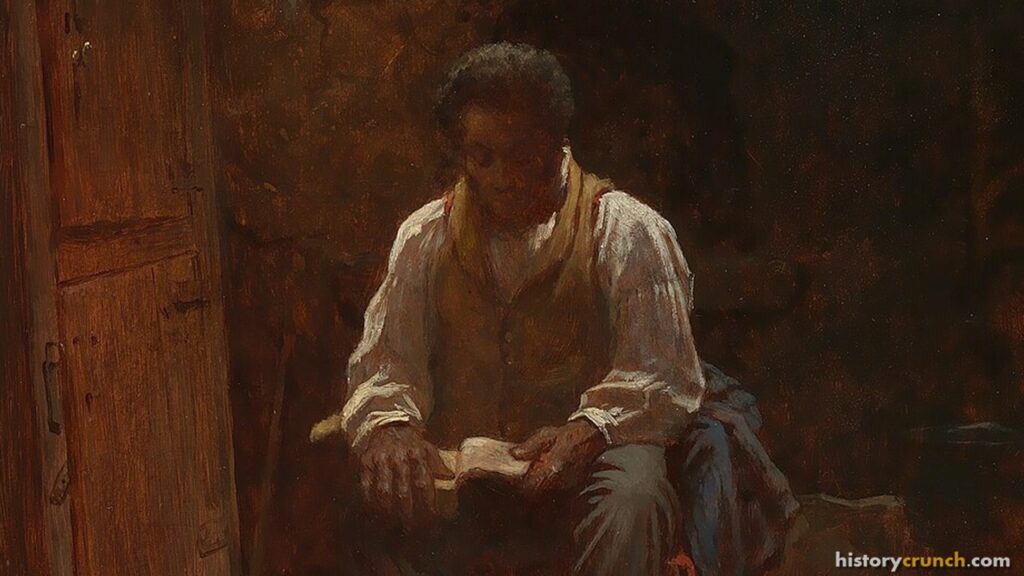
Congress passed the Civil Rights Act of 1866 over the president's veto, declaring all people born in the United States to be citizens with equal rights under the law.
LEARN MORESHOW LESSwhy it mattersLAWCongress and the president were now openly at war over Reconstruction, and Congress won. The doubt about whether an ordinary law could survive a later Congress is exactly why the Fourteenth Amendment followed.
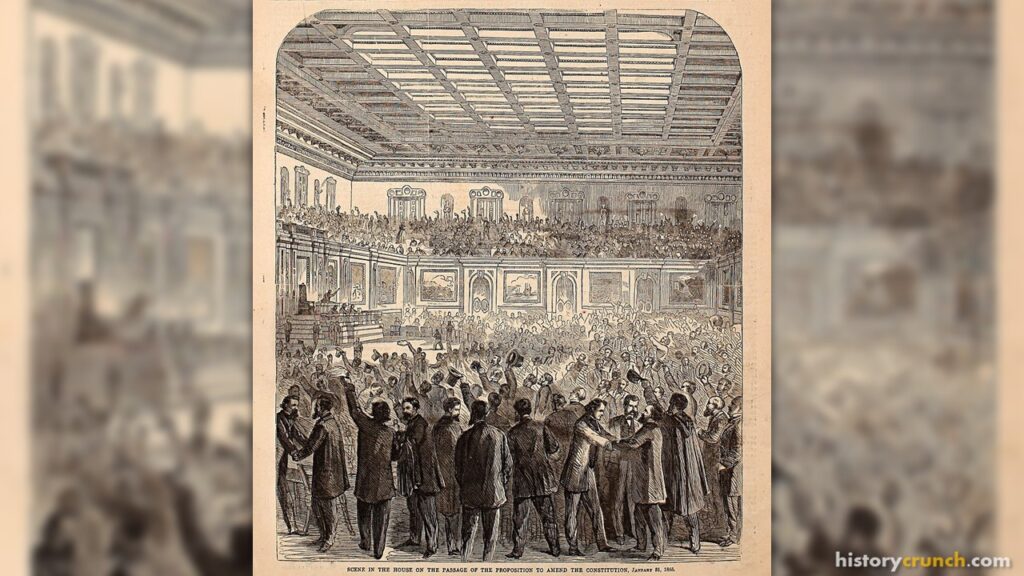
Ratified on 9 July 1868, the Fourteenth Amendment made everyone born in the United States a citizen and required every state to give all citizens equal protection of the laws.
LEARN MORESHOW LESSwhy it matters · key numbersLAWIt is the most litigated sentence in American law and it is still doing work today. Almost every major civil rights case of the twentieth century is argued on the words ratified here.
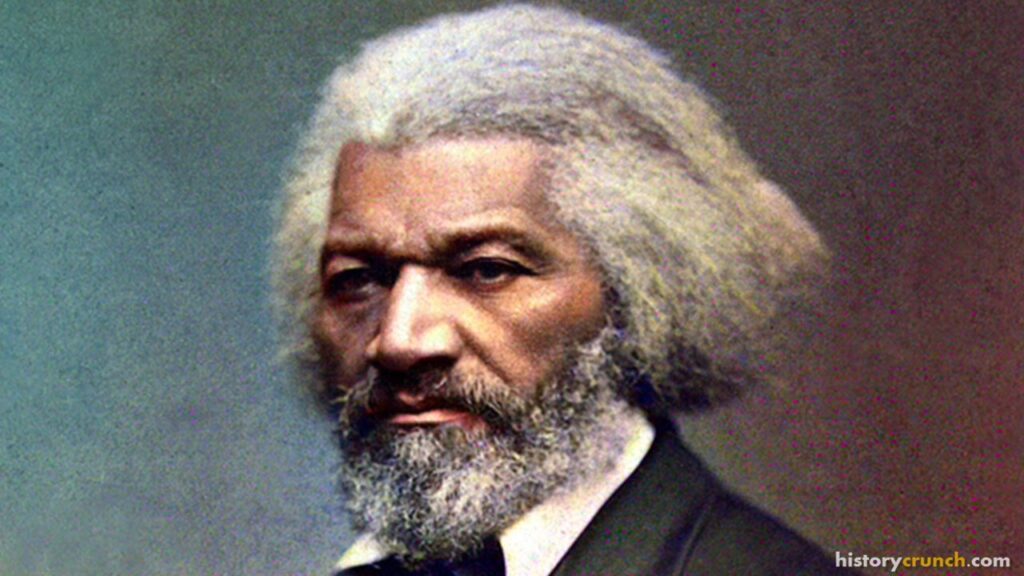
The Fifteenth Amendment, ratified in 1870, guaranteed that the right to vote could not be denied on grounds of race, color or previous condition of servitude. Black men were elected to Congress and to state legislatures across the South.
LEARN MORESHOW LESSwhy it matters · key numbers · 1 key figureLAWFor a few years it worked. Then Southern states found ways around it that the amendment had not named, and it took until 1965 to close them.
The Reconstruction Era ran from 1865 to 1877. It ended with a political bargain that settled a disputed presidential election and withdrew the federal troops who had been protecting Black voters in the South.
LEARN MORESHOW LESSwhy it matters · key numbersPOLITICALEverything the amendments promised depended on somebody enforcing them. In 1877 the enforcement stopped, and what replaced it took ninety years to undo.
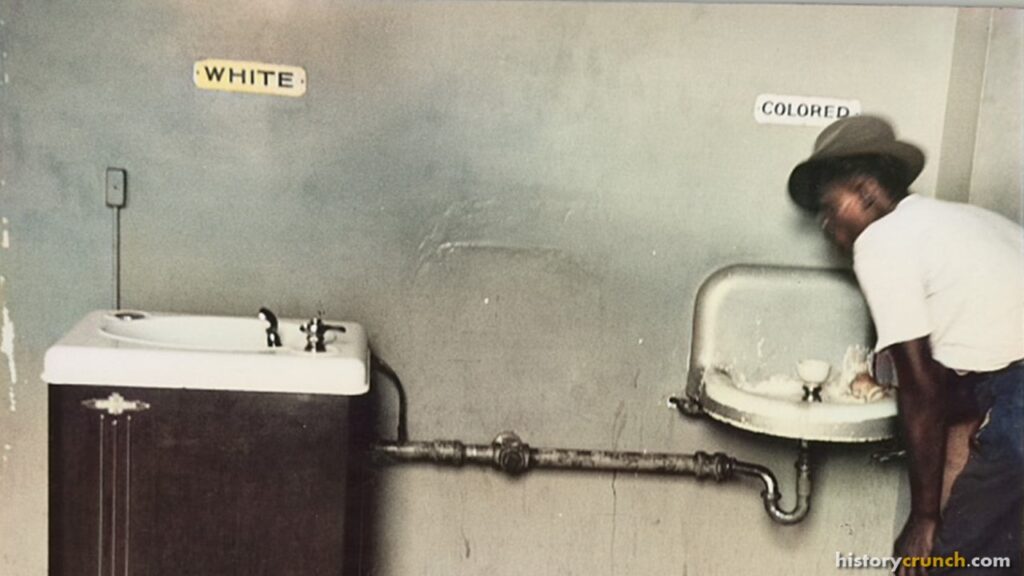
From 1877 Southern states passed laws segregating schools, transport, restaurants and public life, and stripping Black Americans of the vote through poll taxes, literacy tests and intimidation.
LEARN MORESHOW LESSwhy it matters · key numbersLAWThe photograph on this card was taken in 1950, seventy-three years after Reconstruction ended and eighty-five after slavery was abolished. That gap is the point of putting this chapter on the timeline at all.
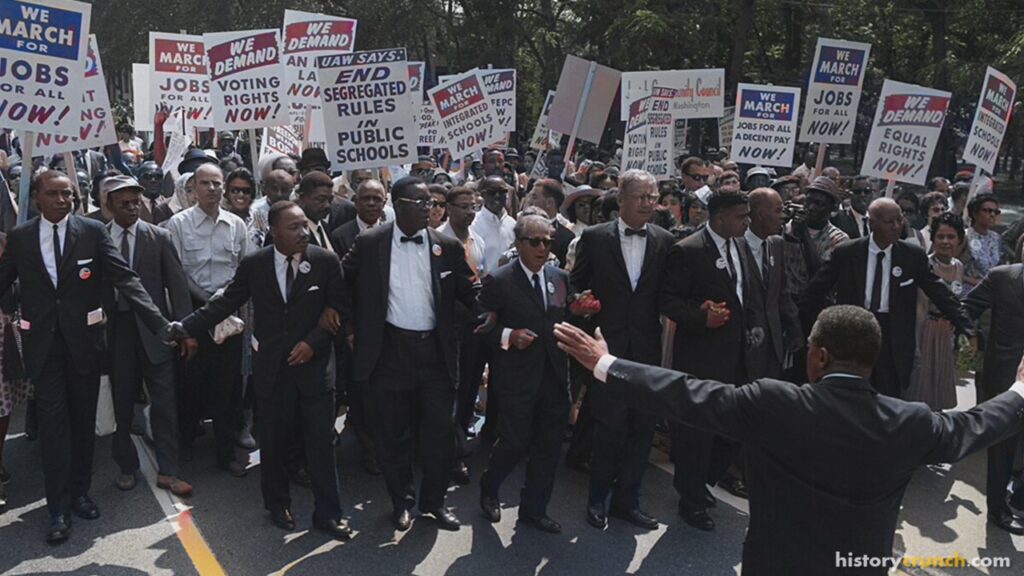
In 1896 the Supreme Court upheld racial segregation under the doctrine of separate but equal, giving Jim Crow laws a constitutional basis. It was overturned in 1954 and the laws it protected were dismantled in the 1960s.
LEARN MORESHOW LESSwhy it matters · key numbers · a debateLAWThe Fourteenth Amendment said equal protection; the Court said separate could be equal; it never was. The Civil Rights Movement is the argument this timeline hands on, and it is the answer to the question of whether the war settled anything.
Did the Civil War settle the question it was fought over?
It ended slavery, kept the country together and produced three constitutional amendments that made every person born in the United States a citizen with equal protection and the vote. Those amendments are still the foundation of American civil rights law.
Within twelve years the enforcement had stopped, within twenty the Black vote in the South was being stripped away, and within thirty segregation was constitutional. The war settled that the South could not leave; who counted as free and equal took another century to decide, and is still argued about.

I'm a passionate history and geography teacher with over 15 years of experience working with students in the middle and high school years. I have an Education Degree with a focus in World History. I have been writing articles for History Crunch since 2015 and love the challenge of creating historical content for young learners!

I'm the founder of History Crunch, which I first began in 2015 with a small team of like-minded professionals. I have an Education Degree with a focus in Social Studies education. I spent nearly 15 years teaching history, geography and economics in secondary classrooms to thousands of students. Now I use my time and passion researching, writing and thinking about history education for today's students and teachers.

K.L. is a content writer for History Crunch. She is a fantastic history and geography teacher that has been helping students learn about the past in new and meaningful ways since the mid-2000s. Her primary interest is Ancient History, but she is also driven by other topics, such as economics and political systems.
To cite this timeline as a source, use one of the formats below.
MLA: Beck, E., et al. “American Civil War Timeline.” HistoryCrunch, 13 September 2026, https://historycrunch.com/american-civil-war-timeline/.
APA: Beck, E., Millar, B., & Woida, K.L. (2026). American Civil War Timeline. HistoryCrunch. https://historycrunch.com/american-civil-war-timeline/
Chicago: Beck, E., B. Millar, and K.L Woida. “American Civil War Timeline.” HistoryCrunch. September 13, 2026. https://historycrunch.com/american-civil-war-timeline/
© History Crunch
People still argue about this, and the arguing is itself part of the history.
The 'Lost Cause' account, which grew up in the South after 1865, holds that the war was fought over states' rights, tariffs and Northern aggression rather than slavery. Historians take it seriously as evidence of how the South chose to remember itself, and reject it as an account of 1861. The strongest evidence against it is what the seceding states published at the time: the declarations of South Carolina, Mississippi, Georgia and Texas all name slavery explicitly and repeatedly as the cause. The states' rights argument is also awkward on its own terms, because the Fugitive Slave Act the South demanded overrode the rights of Northern states.
1820, 1850, 1854. Three attempts to settle it, each shorter-lived than the last.
Seven years of organized killing between pro-slavery and anti-slavery Americans, and it is not counted as the war.
The United States took half of Mexico and could not agree what to do with it.
The Supreme Court tried to settle the argument permanently. It made compromise illegal.
Between Lincoln's election in November and Fort Sumter in April there were five months and several attempts.
Before arguing about the politics, be clear about the thing being argued over.
The story is usually told as something done to people. What did they do?
In 1831 abolitionists were a tiny minority the North found embarrassing. In 1863 emancipation was federal policy.
The founders assumed slavery was dying. Within forty years it was the largest source of wealth in the country.
Two armies of largely young, largely poor men, and a war often described as rich men's politics.
The Union had more men, more factories and more railways from the start. It still took four years.
The usual account has three names in it. There were considerably more than three.
He said repeatedly in 1861 that he did not. In 1863 he emancipated. Both are true and the sequence matters.
The main speaker at Gettysburg talked for two hours. Nobody remembers a word of it.
Lincoln expected to lose. He had the election anyway, and if he had lost the war would have been negotiated away.
The North had more of everything. It still took four years and nearly lost an election over it.
Sherman burned a sixty-mile-wide strip of Georgia deliberately. He said it would end the war faster.
Everyone learns Gettysburg. The Confederacy was cut in half the next day, a thousand miles away.
He lost his first battle against Lee and marched south anyway. Nobody had done that.
About 620,000 died. Old tactics met new weapons and nobody adjusted for two years.
Washington and Richmond are about a hundred miles apart. It took four years to cover it.
It freed people in the places the Union did not control and left slavery alone where it did.
The Emancipation Proclamation let Black men enlist. Around 180,000 did, many of them formerly enslaved.
For a few years it worked. Black men voted, held office and sat in Congress. Then it stopped.
The Constitution said the vote could not be denied by race. It was, for nearly a century, legally.
Lee surrendered on 9 April. Lincoln was shot on 14 April. The plan for what came next died with him.
The Thirteenth Amendment passed in December 1865. The Black Codes started within weeks.
Slavery ended and the country held together. Then look at 1877, and at 1896.
The reason was stated clearly in 1861 and became contested afterwards. That change is itself history.
Historians broadly agree on the causes of the war and disagree about how to handle its memory. That the Confederacy seceded to protect slavery is not seriously disputed among professional historians; the seceding states said so themselves. What is argued about is what follows: whether monuments raised sixty years later are historical artifacts or political statements, whether removing them is erasing history or correcting it, and how a country teaches a war whose losing side wrote much of the popular account of it. Those are questions about the present, and they are worth separating from the question about 1861, which has an answer.
No question matches that word.
Research question 1People still argue about this, and the arguing is itself part of the history.
Research question 21820, 1850, 1854. Three attempts to settle it, each shorter-lived than the last.
Research question 3Seven years of organized killing between pro-slavery and anti-slavery Americans, and it is not counted as the war.
Research question 4The United States took half of Mexico and could not agree what to do with it.
Research question 5The Supreme Court tried to settle the argument permanently. It made compromise illegal.
Research question 6Between Lincoln's election in November and Fort Sumter in April there were five months and several attempts.
Research question 7Before arguing about the politics, be clear about the thing being argued over.
Research question 8The story is usually told as something done to people. What did they do?
Research question 9In 1831 abolitionists were a tiny minority the North found embarrassing. In 1863 emancipation was federal policy.
Research question 10The founders assumed slavery was dying. Within forty years it was the largest source of wealth in the country.
Research question 11Two armies of largely young, largely poor men, and a war often described as rich men's politics.
Research question 12The Union had more men, more factories and more railways from the start. It still took four years.
Research question 13The usual account has three names in it. There were considerably more than three.
Research question 14He said repeatedly in 1861 that he did not. In 1863 he emancipated. Both are true and the sequence matters.
Research question 15The main speaker at Gettysburg talked for two hours. Nobody remembers a word of it.
Research question 16Lincoln expected to lose. He had the election anyway, and if he had lost the war would have been negotiated away.
Research question 17The North had more of everything. It still took four years and nearly lost an election over it.
Research question 18Sherman burned a sixty-mile-wide strip of Georgia deliberately. He said it would end the war faster.
Research question 19Everyone learns Gettysburg. The Confederacy was cut in half the next day, a thousand miles away.
Research question 20He lost his first battle against Lee and marched south anyway. Nobody had done that.
Research question 21About 620,000 died. Old tactics met new weapons and nobody adjusted for two years.
Research question 22Washington and Richmond are about a hundred miles apart. It took four years to cover it.
Research question 23It freed people in the places the Union did not control and left slavery alone where it did.
Research question 24The Emancipation Proclamation let Black men enlist. Around 180,000 did, many of them formerly enslaved.
Research question 25For a few years it worked. Black men voted, held office and sat in Congress. Then it stopped.
Research question 26The Constitution said the vote could not be denied by race. It was, for nearly a century, legally.
Research question 27Lee surrendered on 9 April. Lincoln was shot on 14 April. The plan for what came next died with him.
Research question 28The Thirteenth Amendment passed in December 1865. The Black Codes started within weeks.
Research question 29Slavery ended and the country held together. Then look at 1877, and at 1896.
Research question 30The reason was stated clearly in 1861 and became contested afterwards. That change is itself history.