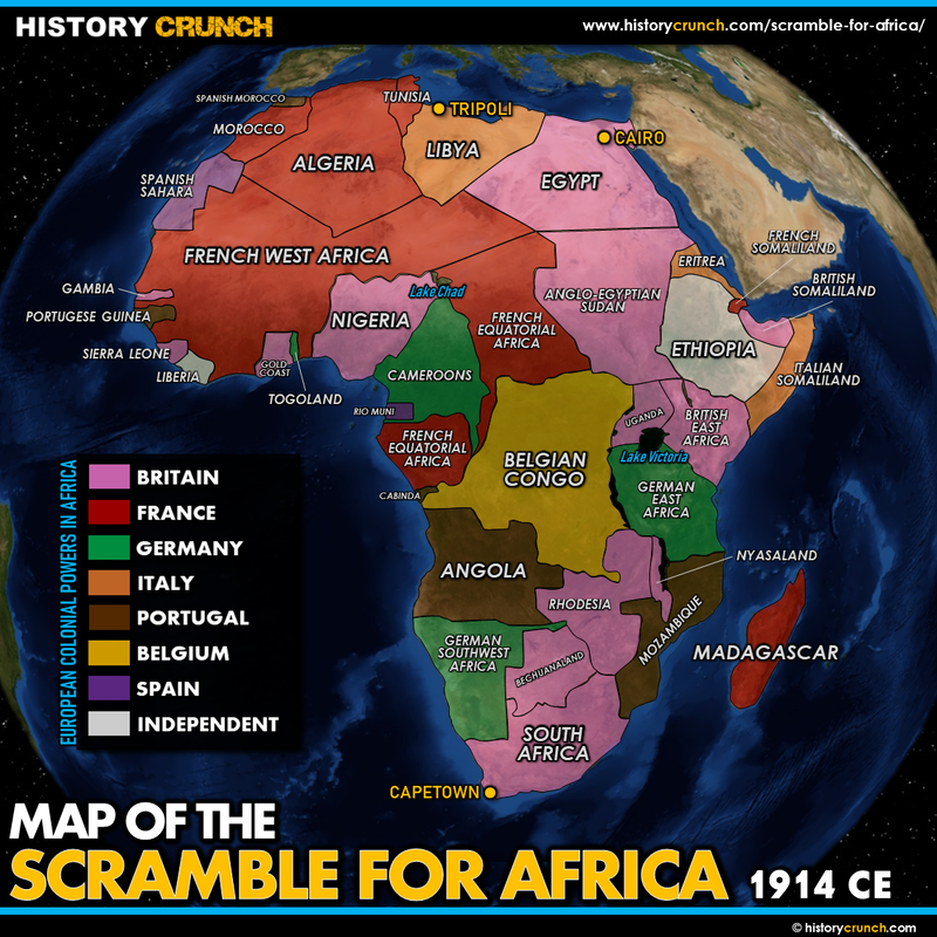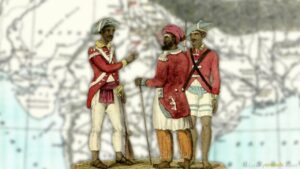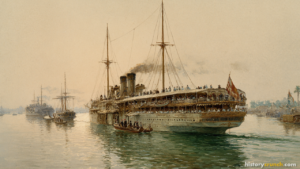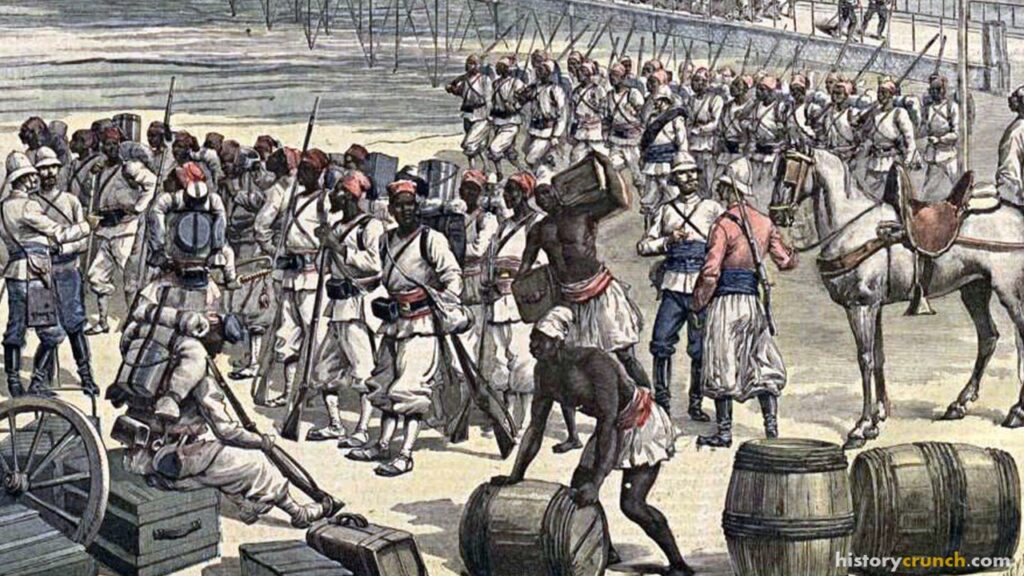
The significance of the Scramble for Africa is closely linked with the impact it had on the people who lived in both Africa and Europe. The ‘Scramble for Africa’ is the term that historians use to refer to the expansion of European empires into Africa. It is referred to as a ‘scramble’ due to the way in which the European nations raced to capture territory to expand to their empires. The Scramble for Africa is considered to have occurred from approximately 1870 until the outbreak of World War I in 1914. During these years, almost all of Africa came under the control of the major European powers, including: Britain, France, Germany, Belgium, Italy, Portugal and Spain. The Scramble for Africa was an incredible significant event due to the impact it had on the lives of people in both Europe and Africa.
SIGNIFICANCE OF THE SCRAMBLE FOR AFRICA – NATIONALISM
As stated above, the Scramble for Africa involved the major European nations of the late 19th century, ‘scrambling’ to capture as much territory in Africa as quickly as possible. The emergence of nationalism helped push the European nations to try to outdo each other in all aspects, including their imperialistic campaigns. As such, historians consider the Scramble for Africa as a significant event in the history of European nationalism. In fact, the nationalistic competition between the major European powers eventually erupted in conflict with the outbreak of World War I in 1914. For this reason, historians consider the Scramble for Africa to be one of the main causes of World War I. Therefore, the Scramble for Africa was significant due to how it led to the start of World War I. The nationalistic tensions that emerged between the European nations from the Scramble for Africa helped divide the European continent and pushed the nations towards war. This can best be seen with the First Moroccan Crisis and the Second Moroccan Crisis.
SIGNIFICANCE OF THE SCRAMBLE FOR AFRICA – EXPLOITATION
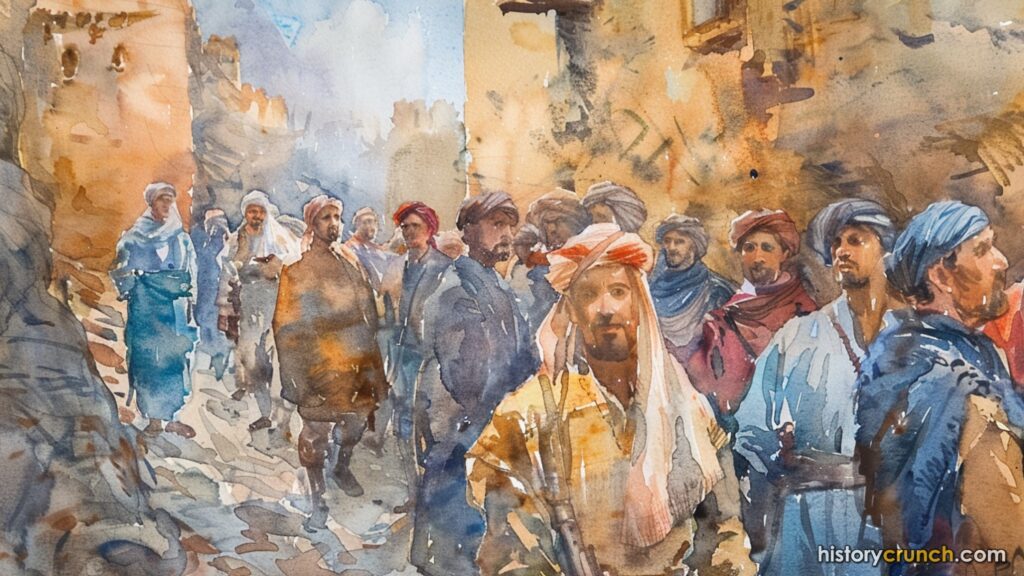
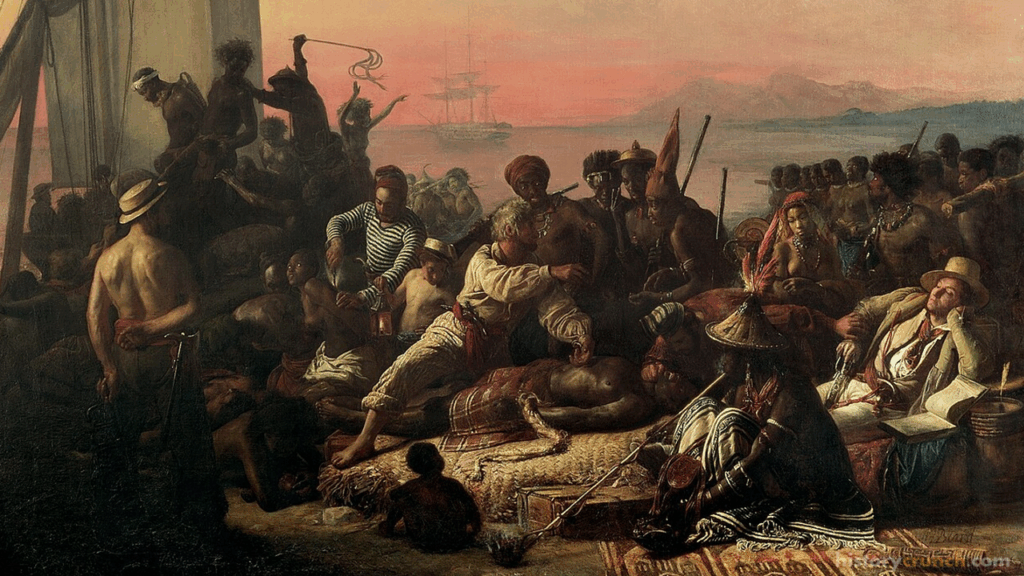
Another significance of the Scramble for Africa was the impact it had on both Europe and Africa. The European nations benefitted economically from exploiting the African people and resources. For instance, the practice of imperialism allowed the European nations to harvest and mine African raw materials to then be shipped back to Europe. This system was a contributing factor, alongside others such as the Industrial Revolution, that led to modern European wealth and power. For their part, the African people generally suffered terribly under European rule. African people were enslaved as part of the Atlantic Slave Trade and used as slave labor to harvest materials for European merchants and rulers. This can best be seen in the horrible treatment inflicted upon the people of the Congo during the rule of Belgian King Leopold II. He ruled over the Congo as his own personal possession and famously brutalized the Congolese people in his search for wealth in the Congo River Basin. This brutal treatment left a lingering impact on the social, economic and political lives of the African people.
SIGNIFICANCE OF THE SCRAMBLE FOR AFRICA – BORDERS
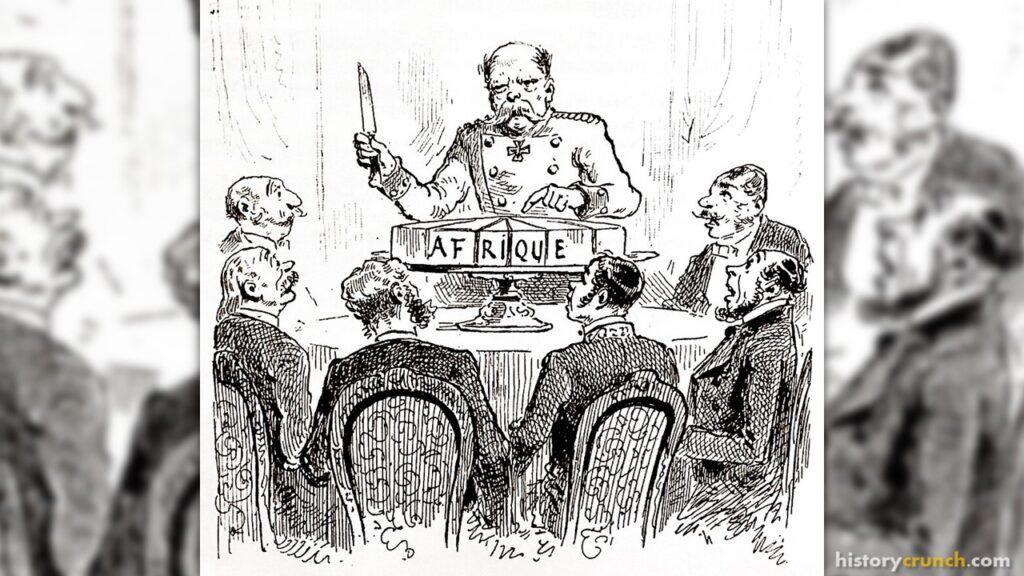
Another impact of the Scramble for Africa and how it impacted the people of Africa was the creation of the different nation-states on the African continent. During their mad scramble in Africa, the European nations agreed to several boundary lines. This was most famously done at the Berlin Conference of 1884.
In order to try to avoid a conflict in the late 1800’s, the European nations held a conference in the German capital of Berlin in 1884. More specifically, the Berlin Conference was made up of 14 nations in total, including: Austria-Hungary, Belgium, Britain, Denmark, France, Germany, Italy, Netherlands, Ottoman Empire, Portugal, Russia, Spain, Sweden and the United States. The goal of the Berlin Conference was to create a set of boundary lines and create defined territory for the nations involved. What resulted was a mix of approximately 50 African states with irregular borders. African societies were not consulted in this process and sometimes it forced African groups together that had a history of conflict. As such, while the Berlin Conference was a positive experience for the European and other nations and resulted in a temporary reduction of tensions, it was ultimately a negative experience for the African societies.
The legacy of the Berlin Conference can be seen in several 20th century conflicts, as the African peoples struggled to come out of European imperialism. For instance, the Rwanda Genocide of 1994 was partially caused by the legacy of imperialism in the small nation and the impact it had on the people that lived there. For instance, Rwanda was originally colonized by Germany but was later controlled by Belgium after World War I. The people of Rwanda were categorized by the Belgians, which led to societal divisions and tensions that erupted in the 1994 genocide.
In all, the Scramble for Africa was an important historical event and led a significant impact on the world. It changed lives for people across both Europe and Africa, and led to the modern issues faced by each region today.