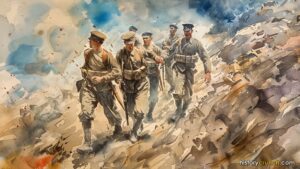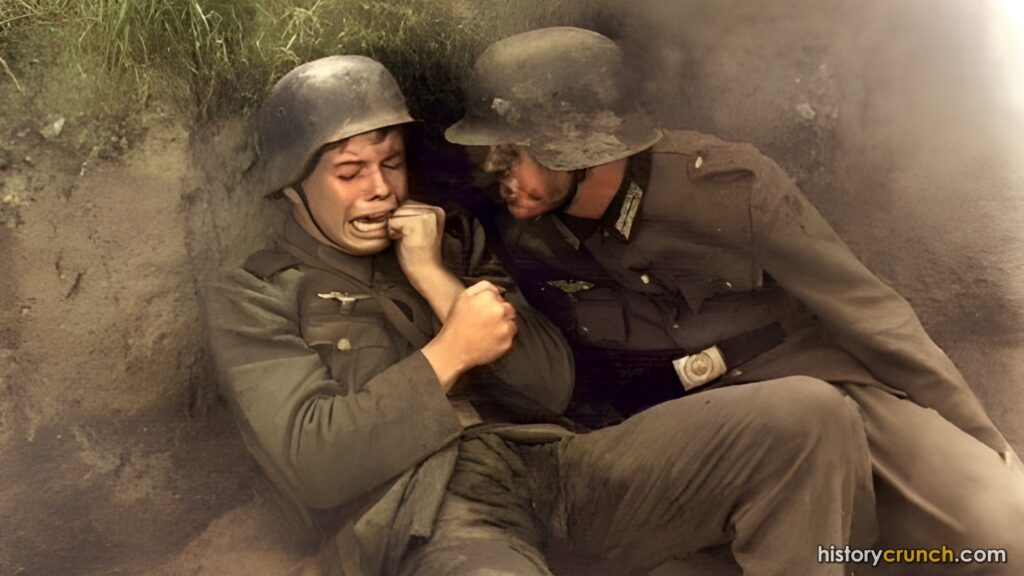
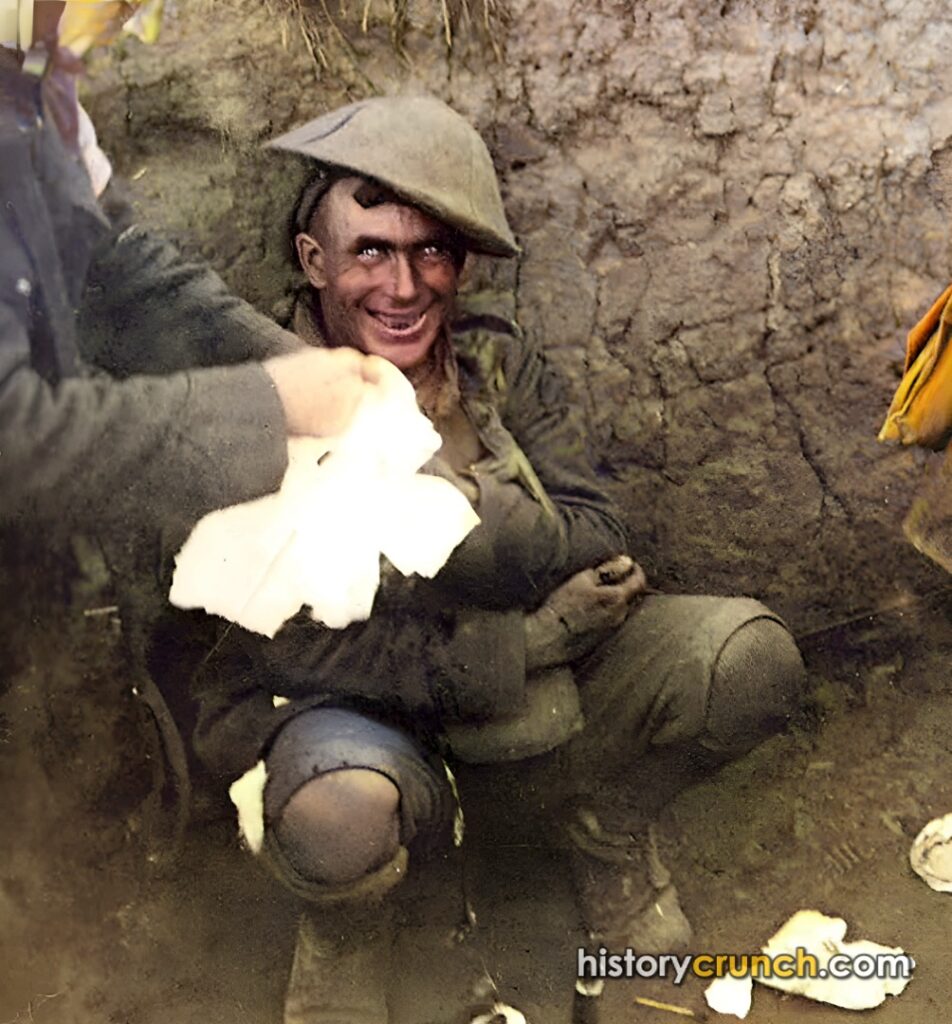
Shell ShockA medical condition caused by the stress, fear, and artillery bombardments soldiers endured while living in the trenches of World War I. was a significant aspect of World War I and played an important role in the history of the war. More specifically, Shell Shock was a medical condition that soldiers on the frontlines of World War I suffered from, due to life in the trenches. It was especially related to stresses and anxiety that soldiers on the frontlines of World War I had to continually face. The term ‘Shell Shock’ was first used by British psychologist Charles Samuel Myers in relation to the set of symptoms that soldiers presented with. Historians have identified several causes, treatments and impacts for Shell Shock, which weren’t immediately understood in World War I.
 FactsthatCrunch
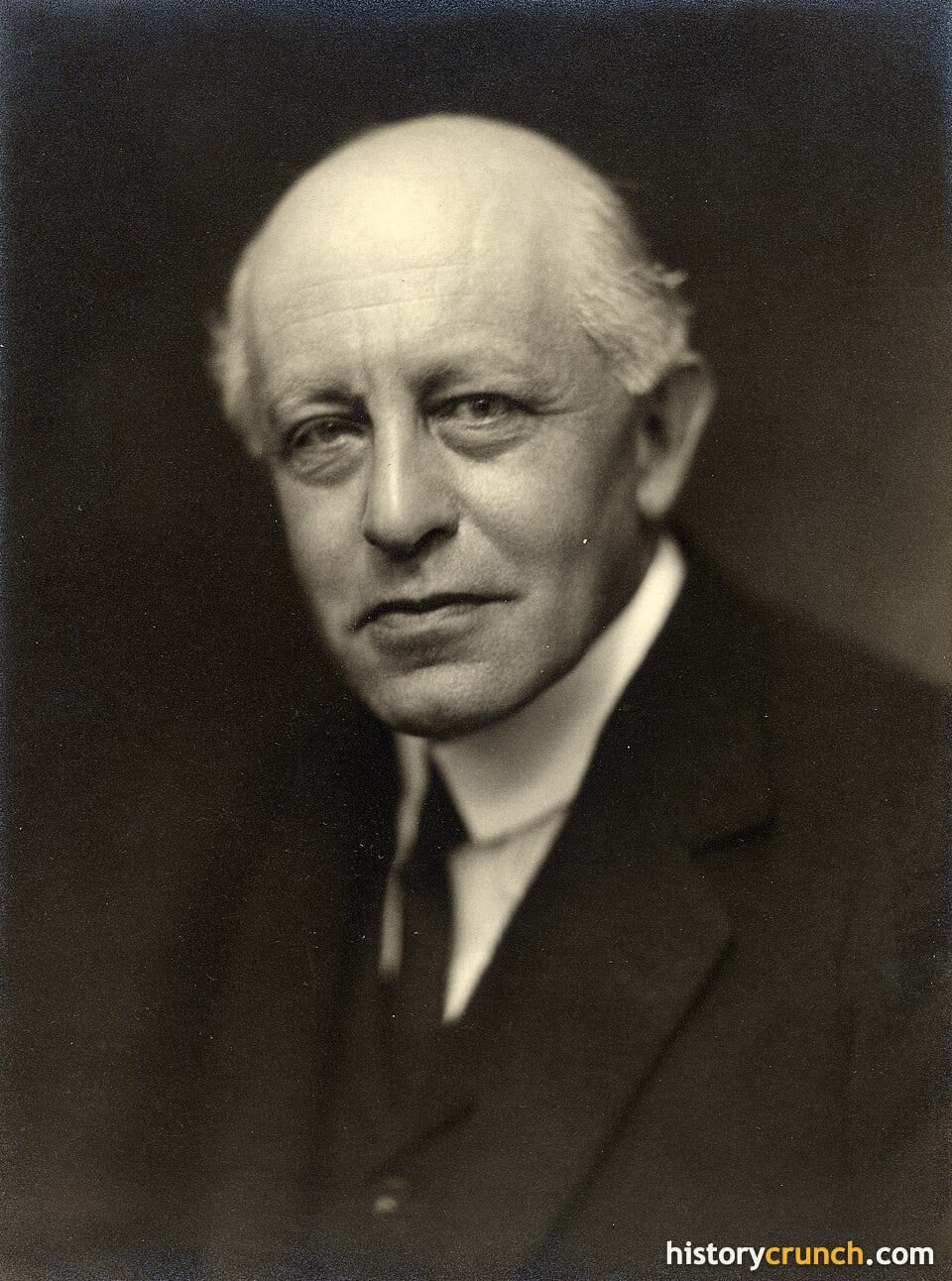
Charles Samuel Myers was the first person to use the term 'shell shock' in a published medical paper, naming the set of symptoms that frontline soldiers in World War I were showing. His work pushed the British Army and the overall medical community to treat psychological injuries from combat as real medical conditions, not weakness or cowardice.
Causes of Shell Shock in World War I
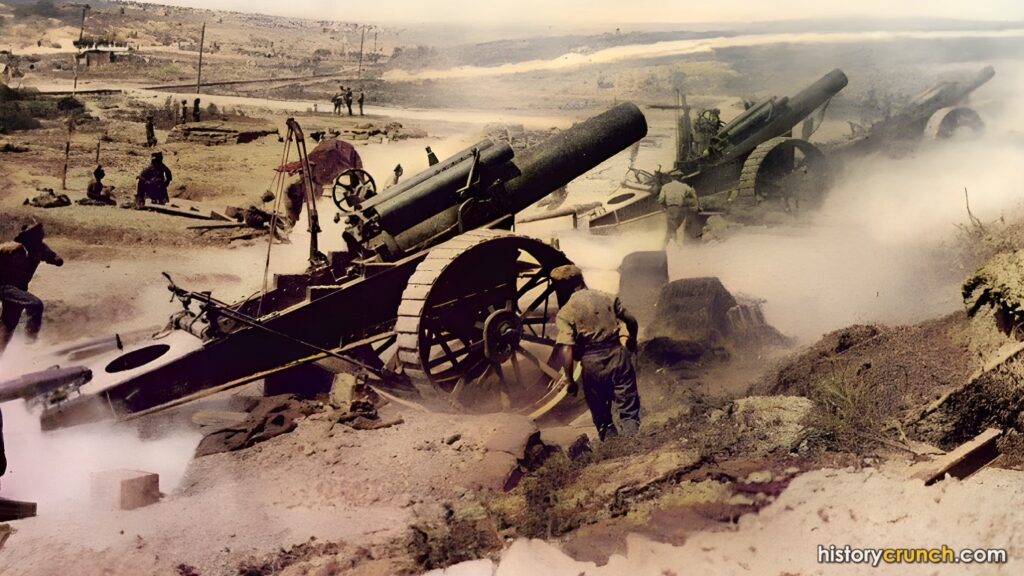
Life in the trenches of World War I was miserable and difficult for the soldiers that had to endure the horrible conditions. From the mud, rain, rats, and the constant threat of enemy attack, life in the trenches was not easy. What made it even more miserable was the artilleryLarge, powerful guns that fire explosive shells over long distances, used heavily throughout World War I. shelling that soldiers in the trenches had to live through. The use of artillery in World War I was common and some estimates put the total number of artillery shells fired in World War I at around 1.5 billion.
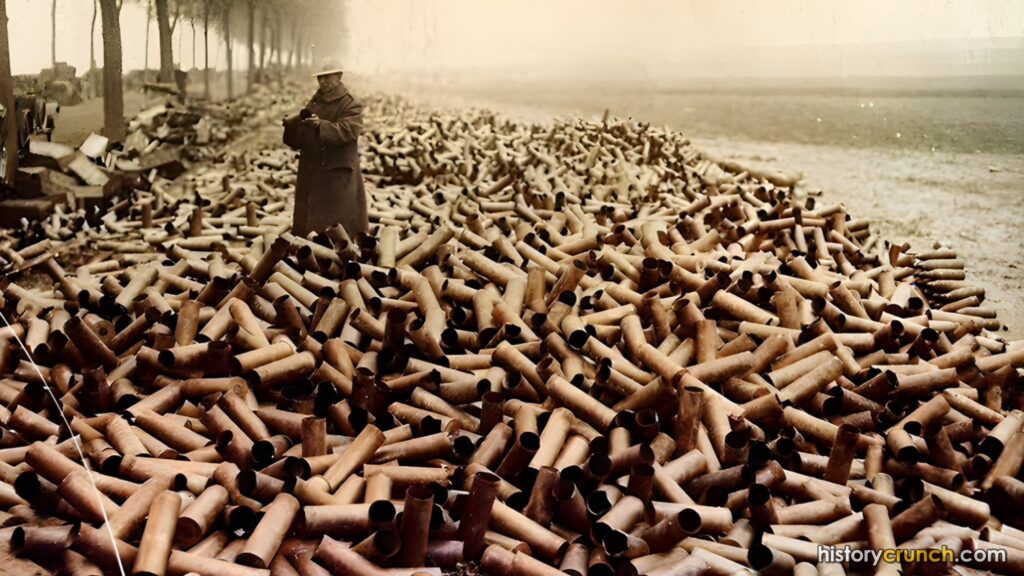
Artillery bombardmentsContinuous, heavy attacks using artillery shells that could last for days or weeks before an infantry assault. could last days and weeks before infantry forces undertook an attack across ‘No Man’s Land’. Soldiers in the trenches would stay low in the trenches as the shells exploded around them. This put the soldiers in the trenches in a difficult situation as they sat in a constant sense of suspense and anxiety. At any moment, they could have a shell land on top of their position or next to them and potentially bury them under mud and dirt. Still today, soldiers from World War I are being unearthed on the former battlefields of the war and it is determined that many of them were buried alive by dirt that was thrown on top of them from an artillery blast. During the night, the shelling would have been particularly difficult to endure as soldiers could only hear the explosions around them and the flashes of light from the artillery fire would briefly and chaotically light up the trenches.
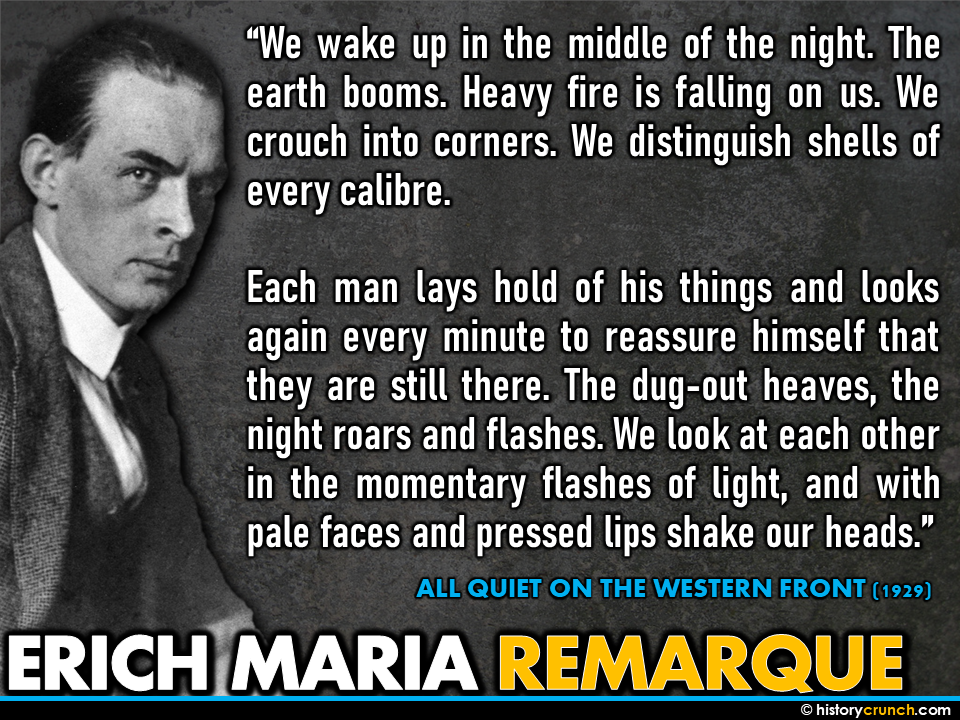
For example, in his book ‘All Quiet on the Western Front’, Erich Maria Remarque, a German veteran of World War I described the situation facing World War I soldiers. He stated:
“We wake up in the middle of the night. The earth booms. Heavy fire is falling on us. We crouch into corners. We distinguish shells of every calibre. Each man lays hold of his things and looks again every minute to reassure himself that they are still there. The dug-out heaves, the night roars and flashes. We look at each other in the momentary flashes of light, and with pale faces and pressed lips shake our heads. Every man is aware of the heavy shells tearing down the parapetA protective wall of earth or sandbags built along the top edge of a trench to shield soldiers from enemy fire., rooting up the embankment and demolishing the upper layers of concrete. When a shell lands in the trench we note how the hollow, furious blast is like a blow from the paw of a raging beast of prey”.
‘All Quiet on the Western Front’, Erich Maria Remarque
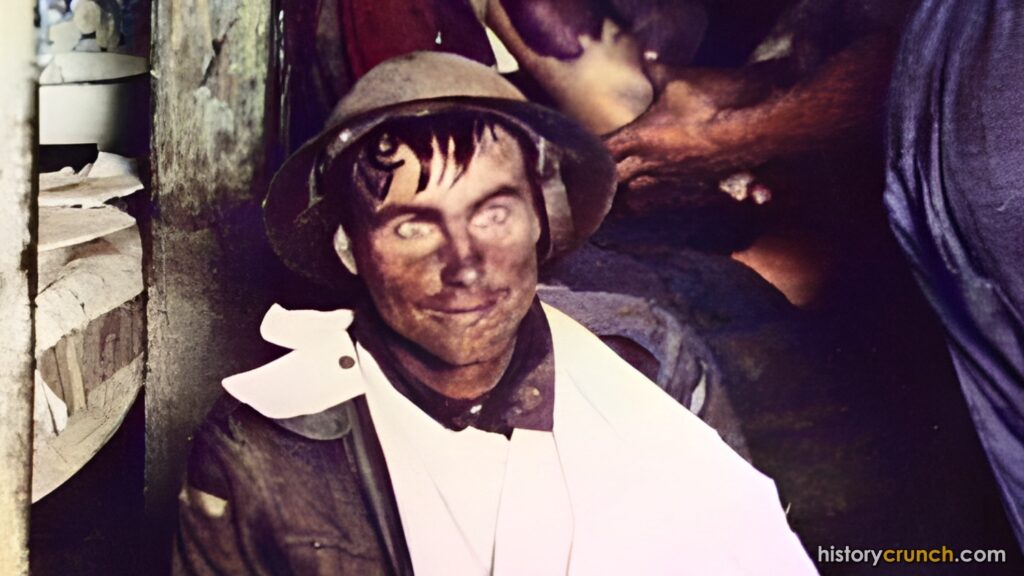
The continual shelling and the ever-present sense of fear and dread that the soldiers experienced led to a medical condition called ‘Shell Shock’. Soldiers used the term to describe those who were overcome by fear and seemed to act in an ‘insane’ manner. As such, Shell Shock was the result of life in the trenches for the soldiers and the continual stress and anxiety created by constant artillery bombardments. Today, this condition is known as post-traumatic stress disorderThe modern medical name for the lasting mental harm caused by experiencing extremely frightening or violent events. (PTSD), and is often associated with soldiers who have experienced difficult aspects of war.

In more recent medical studies, some researchers have shown a potential link between the blast waves from the artillery shelling and the outcomes or severity of Shell Shock. For instance, they argued that the soldiers of World War I that showed symptoms of Shell Shock suffered from brain injuries that were caused by blast waves. Constant exposure to blasts from artillery shelling led the brains of the soldiers to become injured from pressure changes and other stimuli. The researchers argued that the brain injuries may have led to the effects of Shell Shock being more severe.
Symptoms and Treatment of Shell Shock in World War I
As stated above, Shell Shock was a medical condition that resulted from the horrors of life in the trenches. Soldiers who were diagnosed with Shell Shock displayed symptoms such as: fatigue, tremors, confusion, nightmares and impaired sight and hearing. Additionally, soldiers from World War I who were diagnosed with Shell Shock also presented with confusion or anxiety to certain noises and sights. In general, medical doctors of the time did not understand the condition and assumed it was caused by prolonged exposure to the explosions of artillery shells.
Many soldiers were treated for the condition and the treatments ranged from the caring to the cruel. For example, some soldiers suffering from Shell Shock would take therapy sessions wherein they would talk about their issues, while others were given electroshocksElectric current applied to a patient’s body as a medical treatment intended to stimulate the brain back to normal. as treatment. The electroshock therapy was used as a means of hopefully stimulating the brain back to a state before the onset of the condition. Regardless, the medical profession struggled to understand the cause and effect of Shell Shock until much later.

What was electroshock therapy meant to do for shell shock patients in World War I?
Impacts of Shell Shock in World War I
Today, Shell Shock is often referred to as Post-Traumatic Stress Disorder (PTSD) and it is now widely understood as a condition of the exposure to the horrors of war. Soldiers with PTSD struggle to cope with everyday life after having lived through a long period of extensive fighting and the continuous fear and anxiety caused by war. Since PTSD, as a condition, was not understood until much later in the 20th century, many soldiers from World War I went undiagnosed or misdiagnosed and did not receive the treatment they needed to help them when they returned home from fighting. As such, Shell Shock had a terrible impact on the lives of the individual soldiers, who were afflicted by it.
In a wider sense, Shell Shock impacted World War I in that it sidelined many soldiers. For instance, as World War I carried on through 1915 and 1916, it led to numerous soldiers being unable to continue fighting or being limited in their ability to fight. More specifically, at the Battle of the Somme in 1916, which was one of the biggest battles of World War I, as many as 40% of British casualties in the fighting zones were caused by the effects of Shell Shock. This obviously created an issue for the army as they attempted to continue the fight along the trenches of the Western Front.
Key Vocabulary
Shell Shock
Artillery
Bombardments
No Man’s Land
Electroshocks
Post-traumatic stress disorder
Parapet
Frequently Asked Questions
What is shell shock in World War I?
Shell shock was a medical condition that affected soldiers who fought in the trenches of World War I. It came from the constant stress, fear, and anxiety of trench life and heavy artillery fire. Doctors at the time did not fully understand it. Today the condition is known as post-traumatic stress disorder, or PTSD.
What caused shell shock?
Shell shock was caused by the harsh and terrifying conditions of trench warfare. Constant artillery bombardment kept soldiers in a state of fear and suspense for days at a time. Some later studies also linked it to brain injuries from the blast waves of exploding shells. The mix of mental stress and physical shock made the condition worse.
What were the symptoms of shell shock?
Soldiers with shell shock showed symptoms such as fatigue, tremors, confusion, and nightmares. Many also had impaired sight and hearing or reacted with fear to certain sounds and sights. Some men displayed a blank, distant look that soldiers called the “thousand-yard stare.” These signs often appeared after long exposure to combat and shelling.
How was shell shock treated during World War I?
Treatments for shell shock ranged from caring to cruel because doctors did not understand the condition. Some soldiers took part in talk therapy where they discussed their fears and experiences. Others were given electric shock therapy, which was meant to stimulate the brain but rarely helped. The medical field struggled to find real cures until much later.
How did shell shock affect the war effort?
Shell shock sidelined large numbers of soldiers and hurt armies’ ability to keep fighting. At the Battle of the Somme in 1916, as many as 40% of British casualties in the fighting zones were caused by it. Many affected soldiers returned home undiagnosed or misdiagnosed and never got the help they needed. The condition damaged both the war effort and the lives of individual men.
Who first used the term “shell shock”?
The British psychologist Charles Samuel Myers first used the term “shell shock.” He applied it to the set of symptoms that soldiers on the frontlines were showing. At first many people believed the condition came only from being near exploding shells. Later research showed that stress and fear played a major role as well.
Cite This Article
To cite this article as a source, use one of the formats below.
MLA: Beck, Elias. “Shell Shock in World War I: A Detailed Summary.” HistoryCrunch, 29 September 2026, https://historycrunch.com/shell-shock-in-world-war-i/.
APA: Beck, E. (2026). Shell Shock in World War I: A Detailed Summary. HistoryCrunch. https://historycrunch.com/shell-shock-in-world-war-i/
Chicago: Beck, Elias. “Shell Shock in World War I: A Detailed Summary.” HistoryCrunch. September 29, 2026. https://historycrunch.com/shell-shock-in-world-war-i/
Sources
- Imperial War Museum
- Margaret MacMillan, The War That Ended Peace.
- John Keegan, The First World War.
- Fordham Modern History Sourcebook