Portugal played an important role in the Age of Imperialism, even though it was one of the smaller and weaker of the European powers involved. In fact, Portugal had been building an overseas empire for centuries before the Age of Imperialism began, and by the 19th century its main holdings were in Africa. During this period, Portugal fought to keep and expand its colonies of Angola and Mozambique, competed with much stronger nations such as Britain and France, and became caught up in the events of the Scramble for Africa.
Imperialism is the term historians use to describe the process by which one country extends its political, economic, or cultural control over another country or region. For Portugal, this meant claiming territory overseas, ruling the people who lived there, and using the land and resources to benefit the Portuguese economy back home in Europe.
What Was the Age of Imperialism?
The Age of Imperialism was a period in world history that lasted from about the middle of the 18th century until the early part of the 20th century. During this time, the major European nations, along with the United States and Japan, expanded their empires and spread their influence across large regions of Africa and Asia. Britain built the largest empire, while France was second, and Germany, Belgium, Italy, Spain, and Portugal all took part as well.
The most dramatic part of the Age of Imperialism was the Scramble for Africa, which took place from about 1870 until the outbreak of World War I in 1914. During these decades, the major European powers raced to claim as much of the African continent as they could. By the early 20th century, nearly the entire continent had been divided up among them, and Portugal was one of the nations that held a share.
A key event of this era was the Berlin Conference of 1884, which brought together representatives of the major European powers to set rules for the colonization of Africa. The conference established the principle of effective occupation, which meant that a nation could only claim a territory if it actually controlled it on the ground. As stated below, this rule would create serious problems for Portugal.
How Did Portugal Build Its Empire Before the Age of Imperialism?
Portugal’s overseas empire was one of the oldest in Europe, and it began during the Age of Exploration in the 15th century. Portuguese sailors were among the first Europeans to travel down the western coast of Africa, and along the way they established trading posts and forts. Over time, Portugal built a network of coastal bases that stretched from Africa all the way to Asia.
In fact, at its height this early empire included large possessions in South America, most importantly the colony of Brazil, as well as scattered outposts in Asia. These Asian holdings included Goa on the coast of India, along with Daman and Diu, the port of Macau in southern China, and East Timor in the Pacific. Portuguese traders and missionaries used these bases to control commerce and to spread the Catholic religion.
By the 19th century, however, Portugal was no longer the powerful nation it had once been. The loss of Brazil, which declared its independence in 1822, was a major blow to the empire. After that, Portugal’s overseas holdings were mostly in Africa, and the nation turned its attention there in an effort to rebuild its strength.
What Were Portugal’s Main Colonies in Africa?
During the Age of Imperialism, Portugal’s two most important colonies were Angola on the western coast of Africa and Mozambique on the eastern coast. Both had been claimed by Portugal centuries earlier, but for a long time Portuguese control did not reach very far. In reality, Portugal only firmly held a handful of coastal towns and trading posts, while the vast interior of both colonies remained independent of Portuguese rule.
In Angola, Portugal controlled the areas around the port cities of Luanda and Benguela, along with a few smaller settlements. In Mozambique, Portuguese power was centered on coastal points such as the Island of Mozambique and a string of trading stations, as well as some estates along the Zambezi River valley. Beyond these places, African kingdoms and peoples governed themselves.
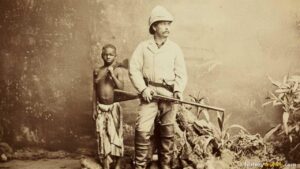
Beginning in the 1830s, Portugal started a new policy of expanding into the African interior and developing its colonies economically. More specifically, the Portuguese government sent explorers deep into the continent to map the land and to strengthen its claims. Explorers such as Alexandre de Serpa Pinto, along with Hermenegildo Capelo and Roberto Ivens, were among the first Europeans to cross Africa from the west coast to the east coast.
What Was the Pink Map?
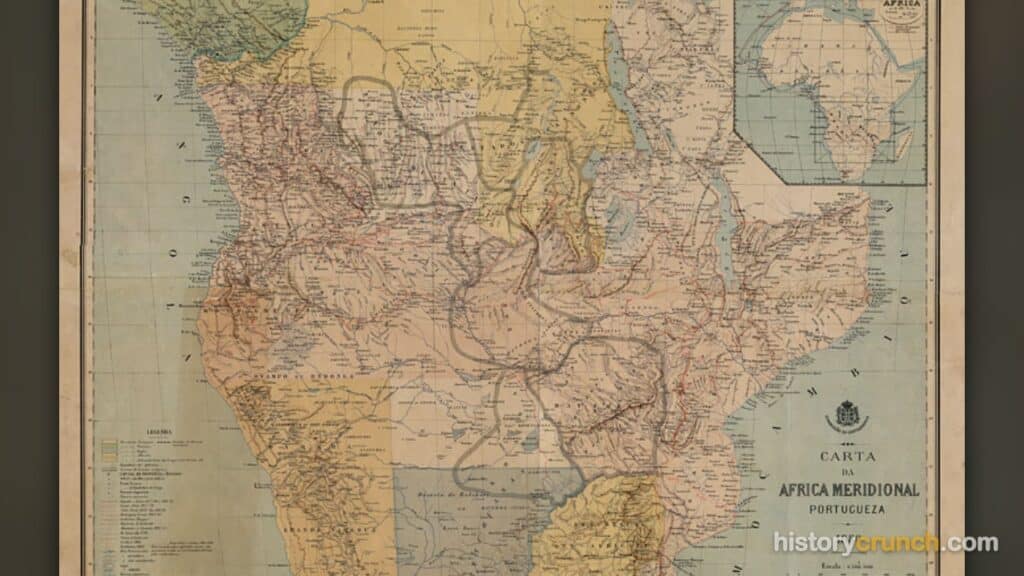
The Pink Map was Portugal’s plan to join its two African colonies, Angola and Mozambique, into a single connected empire that stretched all the way across the continent. The map, prepared in 1885, was named for the pink color used to show the land Portugal wished to claim, which included territory in what is today Zambia, Zimbabwe, and Malawi. If successful, this plan would have given Portugal a coast-to-coast empire from the Atlantic Ocean to the Indian Ocean.
Portugal used its explorers and their expeditions to support this claim, and for a time the plan was recognized by France and Germany. However, the Pink Map ran directly into the ambitions of Britain. More specifically, the British had their own dream of building a chain of colonies running the length of Africa from Cairo in the north to Cape Town in the south, and the Portuguese plan cut right across that path.
The conflict came to a head in the region of the Shire River valley, in present-day Malawi. In 1889, Portuguese forces led by Serpa Pinto pushed into the area, ignoring British warnings not to cross into the territory. This clash between the two nations set the stage for a diplomatic crisis that Portugal was in no position to win.
Why Did Britain Issue an Ultimatum to Portugal?
On January 11th, 1890, the British government issued an ultimatum to Portugal, demanding that Portuguese forces withdraw from the disputed lands between Angola and Mozambique. An ultimatum is a final demand that threatens serious consequences, such as war, if it is not obeyed. Because Portugal was much weaker than Britain and depended heavily on British trade and support, it had little choice but to give in.
The 1890 British Ultimatum brought an end to Portugal’s dream of the Pink Map and its plan for a coast-to-coast African empire. The demand was also tied to the rules set at the Berlin Conference, which required effective occupation rather than claims based only on old rights of discovery or recent exploration. Since Portugal did not truly control the interior, its claims collapsed.
For many people in Portugal, the ultimatum was a national humiliation. In fact, it caused deep anger toward the Portuguese monarchy, which was blamed for failing to defend the country’s interests. This anger helped fuel the growth of the republican movement, and it played a part in the eventual fall of the monarchy in the years that followed.
How Did Portugal Rule Its Colonies?
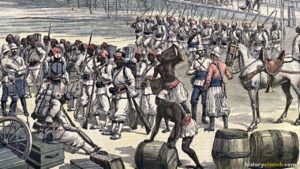
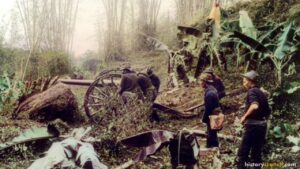
After the crisis of 1890, Portugal worked to strengthen its control over the interior of Angola and Mozambique through a series of military campaigns. These conflicts, sometimes called wars of pacification, were fought to bring the African kingdoms and peoples of the interior under Portuguese rule. Only through these campaigns did Portugal begin to actually govern the large territories it had long claimed on paper.
Life under Portuguese rule was often very harsh for the African people. Portugal had officially abolished slavery within its empire in 1869, but in reality it continued to use a system of forced labor that treated African workers almost like slaves in everything but name. These laborers were made to work on plantations and in other projects, often under brutal conditions and with little or no pay.
Portugal also used a policy of assimilation in its African colonies. Under this system, a small number of Africans could gain the rights of Portuguese citizens if they converted to Catholicism, learned the Portuguese language, and attended Portuguese schools. In practice, though, only a tiny share of the population was ever granted these rights, and the great majority remained subjects with few protections.
Significance of Portugal in the Age of Imperialism
Portugal’s role in the Age of Imperialism is significant because it shows how even a small and declining European power took part in the colonization of Africa. Although Portugal could not match the strength of Britain or France, it held onto large colonies in Angola and Mozambique and joined the Scramble for Africa alongside the greater powers. Its story is a reminder that imperialism was not driven by the biggest nations alone.
The events surrounding the Pink Map and the 1890 British Ultimatum also reveal how the stronger imperial powers could force weaker ones to bend to their will. Portugal’s dream of an empire stretching across Africa was crushed not by African resistance alone, but by pressure from Britain. As such, the episode shows how the competition between European nations shaped the final map of colonial Africa.
Finally, the effects of Portuguese imperialism lasted long after the Age of Imperialism ended. Portugal held onto its African colonies longer than almost any other European power, and it did not give them up until the 1970s. The Portuguese language and the Catholic religion remain common in nations such as Angola and Mozambique today, a lasting legacy of centuries of Portuguese rule.
Frequently Asked Questions
What colonies did Portugal have during the Age of Imperialism?
During the Age of Imperialism, Portugal’s main colonies were Angola and Mozambique in Africa. It also held smaller possessions in Asia and the Pacific, including Goa, Daman, and Diu in India, the port of Macau in China, and East Timor. Portuguese Guinea, now known as Guinea-Bissau, was another of its African holdings.
Why was Portugal a weak imperial power?
Portugal was a weak imperial power mainly because it was a small country that had lost much of its earlier wealth and strength. The loss of Brazil in 1822 removed its richest colony, and by the 19th century Portugal depended heavily on Britain for trade and support. This dependence meant that Portugal often had to give in to the demands of stronger nations.
What was the Rose-Coloured Map?
The Rose-Coloured Map is another name for the Pink Map, Portugal’s plan to link Angola and Mozambique across the middle of Africa. The name comes from the pink or rose color used on the map to mark the land Portugal wished to claim. France and Germany accepted the plan, but Britain rejected it because it blocked British ambitions.
What happened after the 1890 British Ultimatum?
After the 1890 British Ultimatum, Portugal withdrew its forces and gave up its plan for a coast-to-coast African empire. The event caused great anger at home and damaged the reputation of the Portuguese monarchy. This anger strengthened the republican movement, which helped lead to the fall of the monarchy about twenty years later.
When did Portugal lose its colonies?
Portugal held onto its colonies longer than most other European powers, giving up its main African territories in 1975. Angola, Mozambique, Guinea-Bissau, Cape Verde, and other holdings all became independent that year. The very last piece of the empire, Macau, was returned to China in 1999.
Cite This Article
To cite this article as a source, use one of the formats below.
MLA: Millar, B. “Portugal in the Age of Imperialism: A Detailed Summary.” HistoryCrunch, 12 August 2026, https://historycrunch.com/portugal-in-the-age-of-imperialism/.
APA: Millar, B. (2026). Portugal in the Age of Imperialism: A Detailed Summary. HistoryCrunch. https://historycrunch.com/portugal-in-the-age-of-imperialism/
Chicago: Millar, B. “Portugal in the Age of Imperialism: A Detailed Summary.” HistoryCrunch. August 12, 2026. https://historycrunch.com/portugal-in-the-age-of-imperialism/
Sources
- Eric Hobsbawm, The Age of Empire 1875-1914.
- Daniel R. Headrick, The Tools of Empire.
- State Department — Office of the Historian