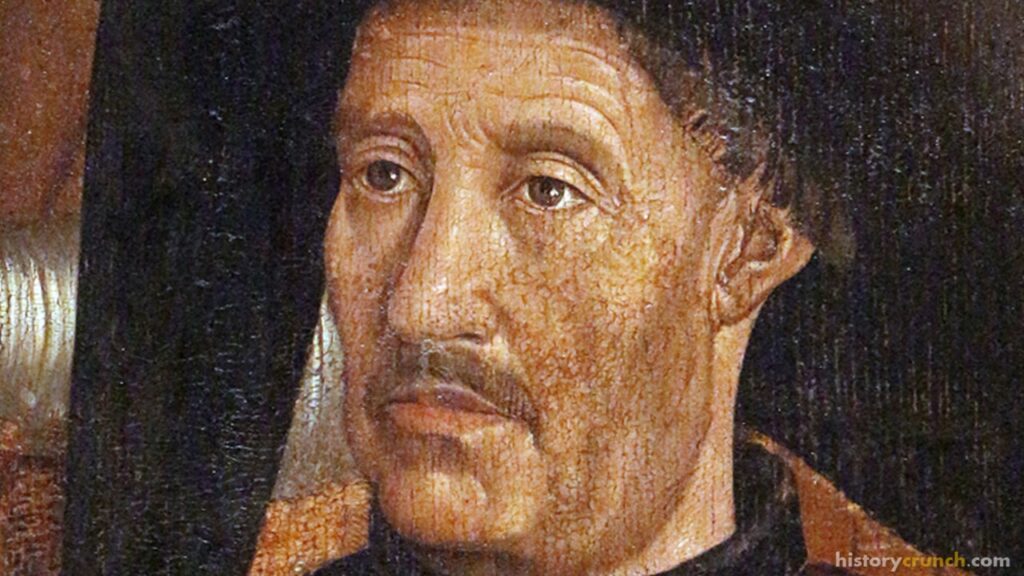
Prince Henry of Portugal, more commonly known as ‘Henry the Navigator’, was a central figure in the early stages of the Age of Exploration. Despite this, Henry the Navigator was not a sailor or explorer himself. Regardless, historians often credit him with beginning the Age of Exploration, due to his role in many of the early explorations by Portuguese explorers. In fact, Henry sponsored many of the earliest voyages by Portuguese explorers as they took their caravels out into the open waters of the Atlantic Ocean.
HENRY THE NAVIGATOR – EARLY LIFE
Henry the Navigator was born on March 4th, 1394, in Porto, Portugal. He was the third son of the Portuguese King John I. Furthermore, his mother was Philippa of Lancaster, an English princess. As a royal, Henry was well-educated and exposed to both Portuguese and English court cultures. As such, he had a keen interest in science and discovery.
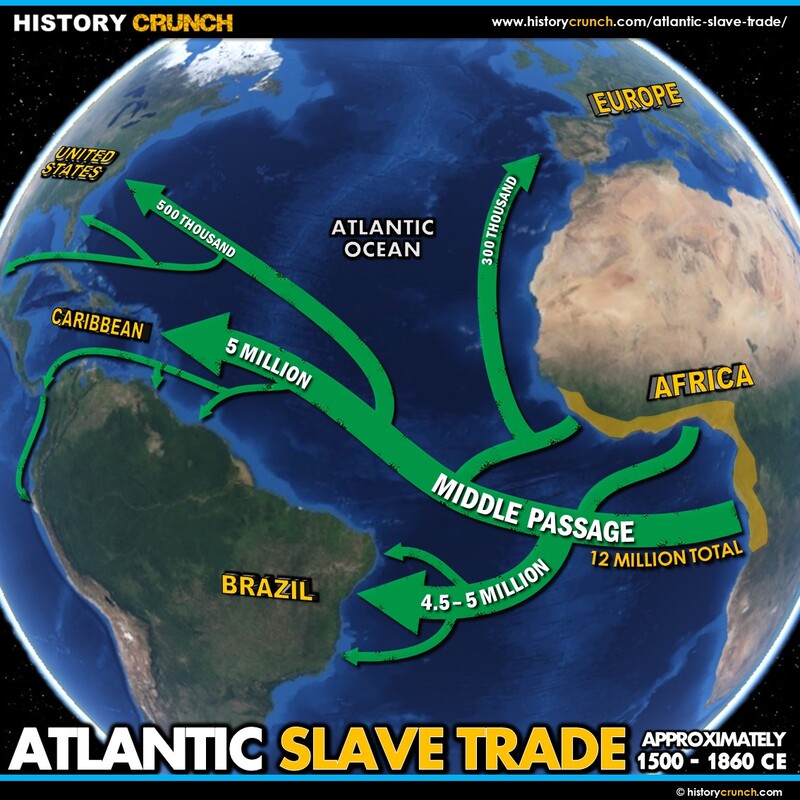
His early military experience came in 1415, when he helped lead the successful Portuguese capture of Ceuta, a Muslim trading port in North Africa. This victory gave him his first exposure to international trade, particularly the gold and spice routes of the Sahara and beyond. It also sparked his interest in expanding Portuguese influence southward along the African coast. In fact, early in his life, Portuguese explorers began to explore down the west coast of Africa, especially, as part of the early Atlantic Slave Trade. Portuguese explorers would trade for, or capture, African people which they would then enslave and transport them to the New World to work on plantations.
HENRY THE NAVIGATOR – AGE OF EXPLORATION
Although he is often linked with the Age of Exploration, Henry the Navigator was not a sailor or explorer himself. Historians often credit him with beginning the Age of Exploration, due to his role in many of the early explorations done by Portuguese explorers. Henry sponsored many of the earliest voyages by Portuguese explorers as they took their caravels out into the open waters of the Atlantic Ocean.
In fact, after the Portuguese capture of Ceuta, Henry began focusing specifically on maritime exploration. For instance, he established a navigation and research center at Sagres, near Cape St. Vincent, around 1419. Though not a formal school, this center brought together the best cartographers, shipbuilders, astronomers, and sailors of the era. It became a hub for innovation in navigation techniques and ship design, particularly the development of the caravel—a small, fast, and maneuverable ship ideal for exploring uncharted coasts.
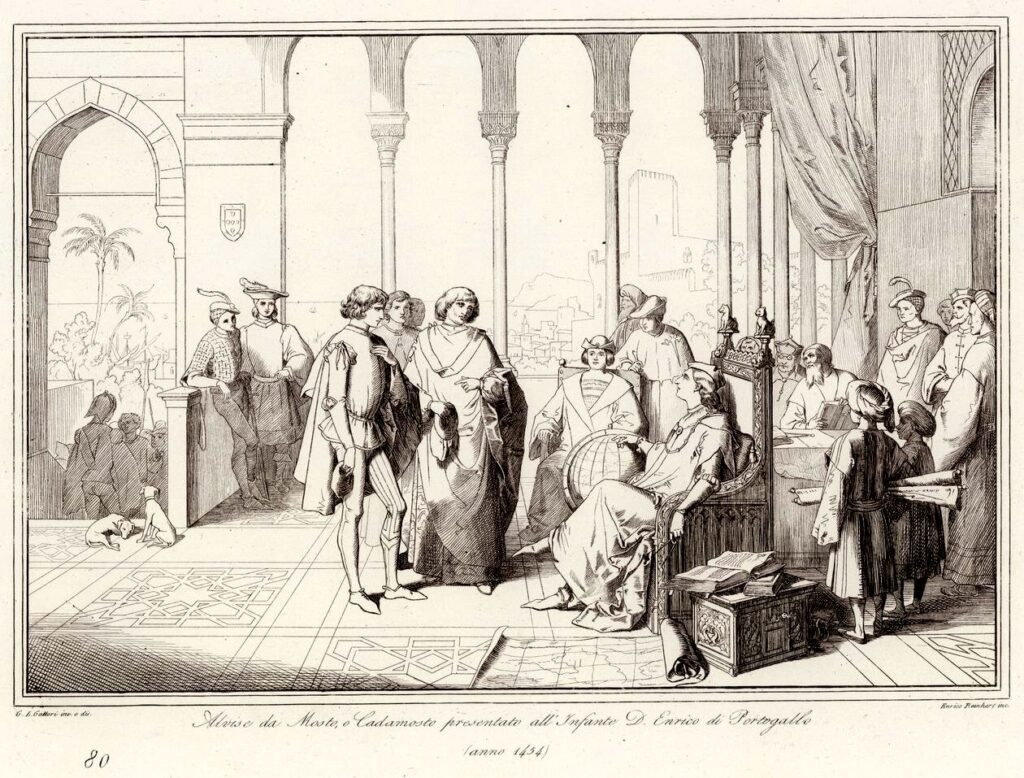
Explorations sponsored by Henry are credited with exploring the Madeira Islands in the north Atlantic, the Azores islands, and more importantly the west coast of Africa. He pushed his explorers to venture further south than any other European had gone before and helped establish the basic techniques of navigation that would play a critical role in later European expeditions. For example, Henry’s explorers began to chart the wind patterns in the Atlantic Ocean. These charts would help later explorers as they ventured across the Atlantic towards the New World, such as Christopher Columbus. As well, Henry had the captains of his explorations keep detailed records of their voyages, which wasn’t necessarily the normal practise of the time. This allowed a record to be kept of all explorations, such that they could be catalogued and referenced when needed.
HENRY THE NAVIGATOR – DEATH AND SIGNIFICANCE
Henry the Navigator died in Portugal on November 13th, 1460. By the time of his death, Portuguese explorers had reached as far south as present-day Sierra Leone. As such, Henry the Navigator is often acknowledged as a significant figure in launching the wave of explorations by Europeans in the Age of Exploration. As mentioned earlier, these explorations laid the foundation for the Atlantic Slave Trade, as Portuguese traders began capturing and later purchasing enslaved Africans to be sold in Europe and, eventually, in the New World.
Like many Europeans of his time, Henry’s goals were complex and based on many factors. First, he was driven by the economic gain that was offered by exploration and trade. With that said, he was also motivated by his religious beliefs and a desire to expand Christianity. As well, Henry also sought to strengthen Portuguese prestige and independence. In fact, by opening new trade routes and extending Portugal’s reach, he helped turn Portugal into a major European power during the Age of Exploration. In fact, his efforts in explorations played a significant role in helping future voyages by explorers such as Bartolomeu Dias and Vasco da Gama.