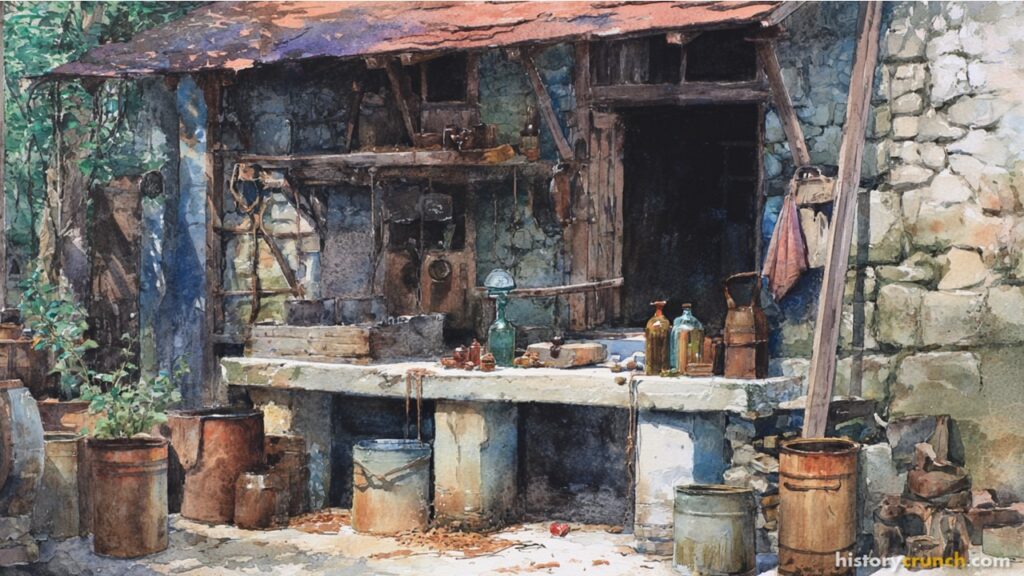
The Cottage Industry in the Industrial Revolution refers to small-scale, home-based manufacturing. It was the main method of production before the emergence of industrialization and the Industrial Revolution. However, the rise of factories and mechanizationThe introduction of machines to replace hand labor, making production faster and cheaper. impacted these traditional modes of production and led to the ‘factory system’.
 FactsthatCrunch
Why was it called the cottage industry?
The name came from where the work took place. Families made goods inside their own cottages, or homes, using simple tools and manual labor. Workers spun yarn, wove cloth, and made pottery right in their living spaces, often alongside farming. Because production was spread across many separate homes rather than gathered in one building, the word 'cottage' became the natural way to describe this home-based system.
What Are Cottage Industries?
Cottage industriesSmall-scale manufacturing activities carried out in homes or small workshops using simple tools and manual labor. refer to small-scale manufacturing activities carried out in homes or small workshops. These industries were common before the Industrial Revolution and were characterized by the use of simple tools and manual labor. Families or small groups produced goods like textiles, pottery, and other household items. This system allowed individuals to work at their own pace, often combining manufacturing with agricultural activities to supplement their income.
Before the Industrial Revolution, cottage industries were the backbone of local economies. They provided employment and income for many families, especially in rural areas. The production process was often collaborative, involving family members and sometimes neighbors. Goods produced in cottage industries were sold in local markets or to merchants who distributed them more widely.
FactsthatCrunchThe putting-out system let merchants organize cloth and goods production across dozens of rural homes without owning a single factory.
Impact of the Industrial Revolution on the Cottage Industry
The events of the Industrial Revolution brought about dramatic changes in manufacturing. In fact, the introduction of machinery and the establishment of large factories revolutionized production processes, making them more efficient and cost-effective. The main developments that impacted cottage industries included: mechanization, the factory system, urbanizationThe process of people moving from rural areas into cities, often to find work in factories. and economic changes.
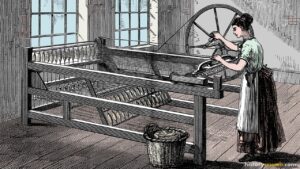
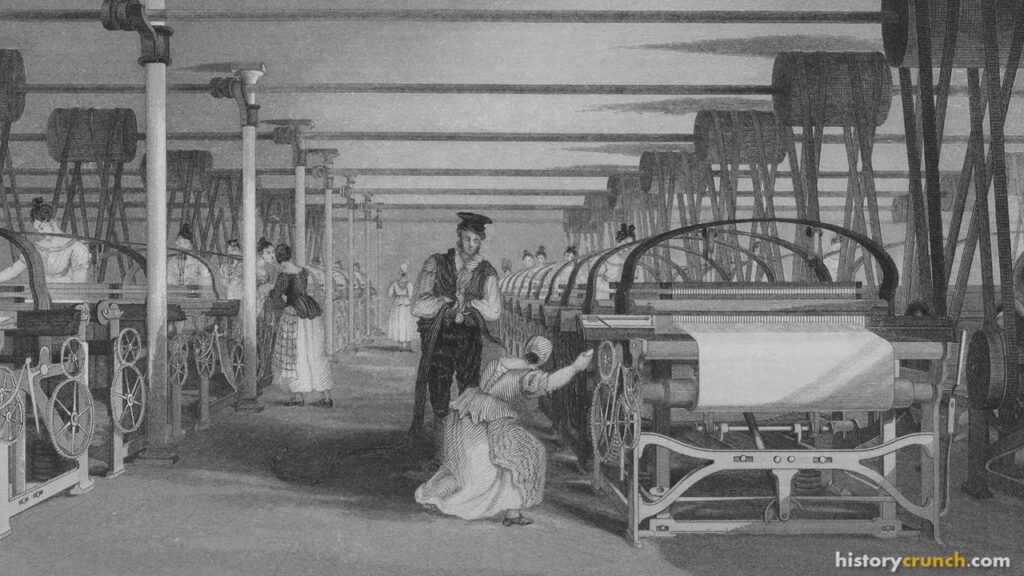
In terms of mechanization, the invention of machines like the spinning jenny, the power loom, and the steam engine drastically increased production capacity. These machines could produce goods faster and in larger quantities than manual labor, reducing the cost of production and making factory-produced items more affordable.
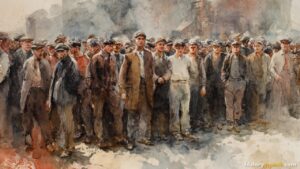
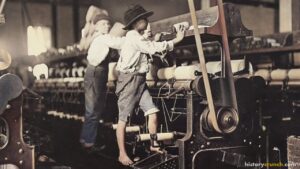
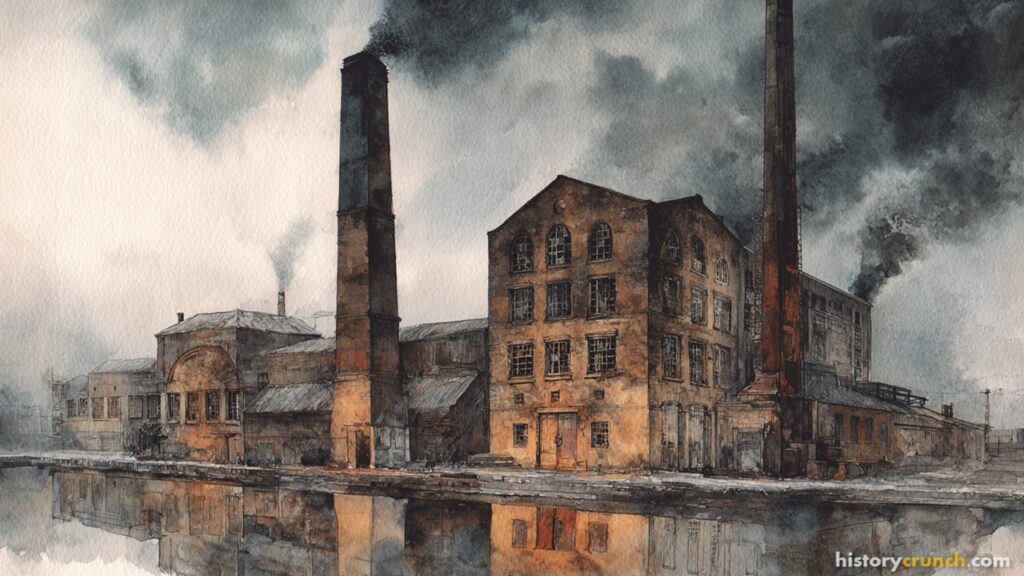
Next, the factory systemA method of production that centralized manufacturing in large facilities where many workers operated machinery together. centralized production in large facilities where numerous workers operated machinery under one roof. This system replaced the decentralizedSpread across many separate locations rather than gathered in one central place., home-based cottage industries. The growth of factories led to urbanization as people moved from rural areas to cities in search of employment. This migration resulted in the decline of cottage industries, as fewer people remained in rural areas to continue traditional home-based production.
Finally, cottage industries struggled to compete with the lower prices and higher efficiency of factory-made goods. The efficiency of factories made it difficult for small-scale producers to match prices, leading to a decline in demand for cottage industry products.
 FactsthatCrunch
Tap each impact to read what it led to.
Textile Manufacturing in Britain as an Example
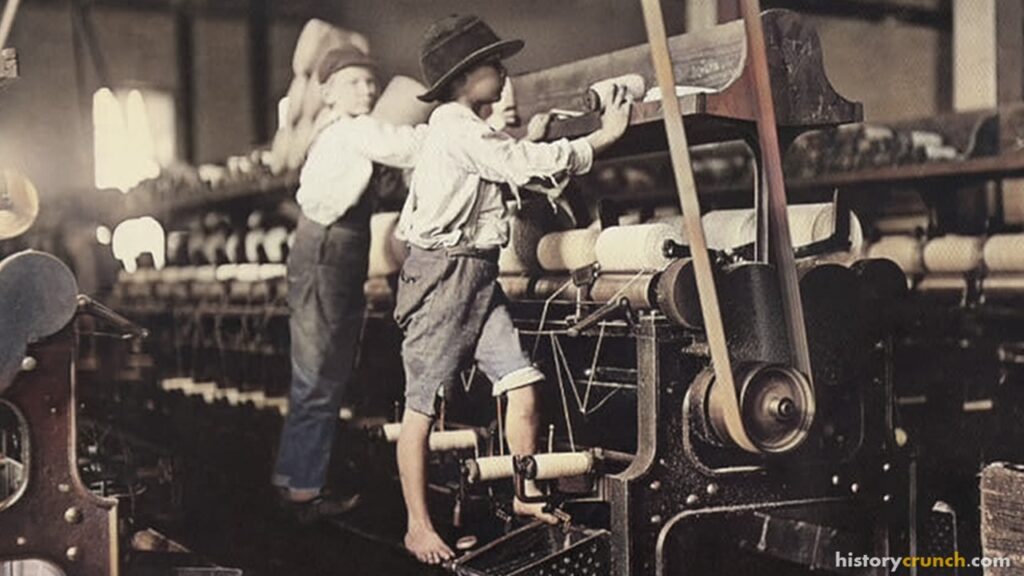
Before the Industrial Revolution, textile production was a major cottage industry in Britain. Families spun yarn and wove cloth in their homes, a process that was labor-intensive and time-consuming. However, the emergence of machines like the spinning jennyA machine invented during the Industrial Revolution that greatly increased how fast yarn could be spun. and the power loomA machine that used mechanical power to weave cloth far faster than a person working by hand. revolutionized textile production, shifting it to factories. This transition led to the decline of home-based textile manufacturing but also caused the growth of a powerful textile industry that drove Britain’s economic expansion.
 FactsthatCrunch
What is the correct order of steps that moved British textile work from the home to the factory?
Cottage Industry in the Industrial Revolution – Summary
The transition from cottage industries to factory-based production during the Industrial Revolution marked a significant turning point in economic and social history. While industrialization brought about greater efficiency and economic growth, it also led to the decline of traditional home-based manufacturing. Cottage industries struggled to compete with the scale and cost-effectiveness of factories, resulting in significant social and economic changes.
 FactsthatCrunch
Industrial Revolution timeline · 1760 – 1840
Key Vocabulary
Cottage industries
Mechanization
Factory system
Spinning jenny
Power loom
Urbanization
Decentralized
Frequently Asked Questions
What was the cottage industry?
The cottage industry was small-scale manufacturing done in homes or small workshops. Workers used simple tools and manual labor to make goods like textiles and pottery. This system was the main way goods were made before the Industrial Revolution. Families often did this work alongside farming to add to their income.
Why did the cottage industry decline during the Industrial Revolution?
The cottage industry declined because factories could make goods faster and cheaper. New machines, such as the spinning jenny and power loom, produced far more than manual labor could. Home-based workers could not match these lower prices, so demand for their goods fell. Many people also moved to cities for factory jobs, leaving fewer rural workers.
What is the difference between the cottage industry and the factory system?
The cottage industry spread production across many separate homes, while the factory system gathered it under one roof. In the factory system, many workers operated machinery together in large buildings. This central setup made production faster and more efficient than scattered home-based work. The shift from one to the other was a key part of the Industrial Revolution.
How did the cottage industry work in the textile trade?
In the textile trade, families spun yarn and wove cloth inside their own homes. This work was slow and took a lot of time and effort. Merchants often bought the finished cloth and sold it in wider markets. Machines like the spinning jenny and power loom later moved this work into factories.
What goods were made in cottage industries?
Cottage industries produced textiles, pottery, and other household items. These goods were made by hand with simple tools by families and small groups. Products were sold in local markets or to merchants who carried them farther away. This work gave many rural families steady employment and income.
Cite This Article
To cite this article as a source, use one of the formats below.
MLA: Woida, K.L. “Cottage Industry in the Industrial Revolution: A Detailed Summary.” HistoryCrunch, 25 September 2026, https://historycrunch.com/cottage-industry-in-the-industrial-revolution/.
APA: Woida, K. L. (2026). Cottage Industry in the Industrial Revolution: A Detailed Summary. HistoryCrunch. https://historycrunch.com/cottage-industry-in-the-industrial-revolution/
Chicago: Woida, K.L. “Cottage Industry in the Industrial Revolution: A Detailed Summary.” HistoryCrunch. September 25, 2026. https://historycrunch.com/cottage-industry-in-the-industrial-revolution/
Sources
- Fordham Modern History Sourcebook
- Emma Griffin, A Short History of the British Industrial Revolution.
- Robert C. Allen, The Industrial Revolution: A Very Short Introduction.