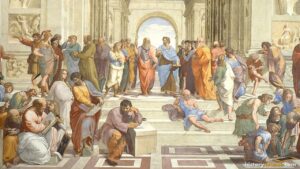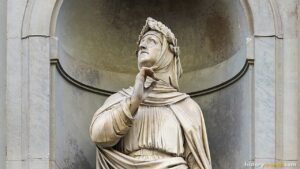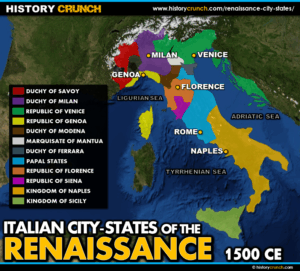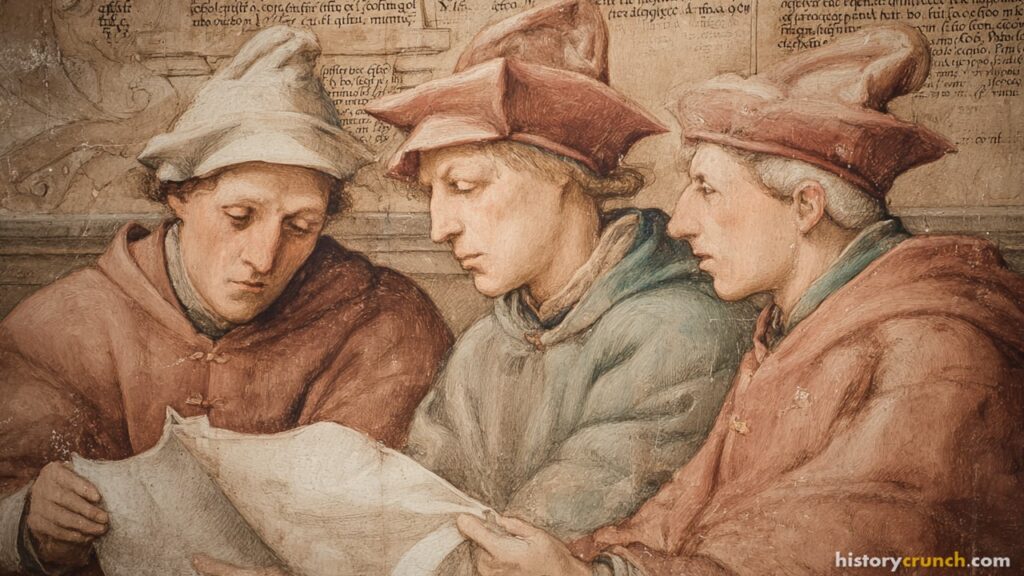
Renaissance scholars and philosophers played a key role in advancing the ideals of the Renaissance from the city-states on the Italian Peninsula. For instance, they famously revived classical knowledgeAncient Greek and Roman learning and texts that Renaissance thinkers rediscovered and brought back into widespread use. and promoted humanistA Renaissance thinker who studied ancient Greek and Roman texts to promote a worldview based on logic and reason rather than religion. ideals. Thinkers like Petrarch and Erasmus, made significant contributions to scholarship and philosophy in the Renaissance.
 FactsthatCrunch
Follow the chain from top to bottom. Tap any step to read what happened.
What Was the Renaissance?
The Renaissance is an important event in European history that stretched from the 14th century to the 17th century. It was preceded by the Middle Ages in Europe and eventually led to the major events of the Age of Enlightenment. In historical terms the Renaissance is important because it led to a major shift in European thought and worldviewThe overall framework of beliefs and ideas through which a person or group understands and interprets the world.. This shift eventually led to the developments of the Enlightenment and set the stage for the modern western worldview. While the Renaissance is considered to have begun in the city-states of the Italian Peninsula in the 14th century, the main ideas of the movement eventually spread to all of Europe by the 16th century. The most significant changes that emerged as a result of the Renaissance can be seen in European architecture, art, literature, mathematics, music, philosophy, politics, religion and science. Intellectual thought in these fields flourished during the timeframe of the Renaissance and led to many people questioning long held beliefs about each. This created an environment of discovery and curiosity in which new ideas were constantly being introduced and tested. This was especially true among the famous scholars and philosophers of the Renaissance who used the ideas of the time to challenge long-held beliefs and views.
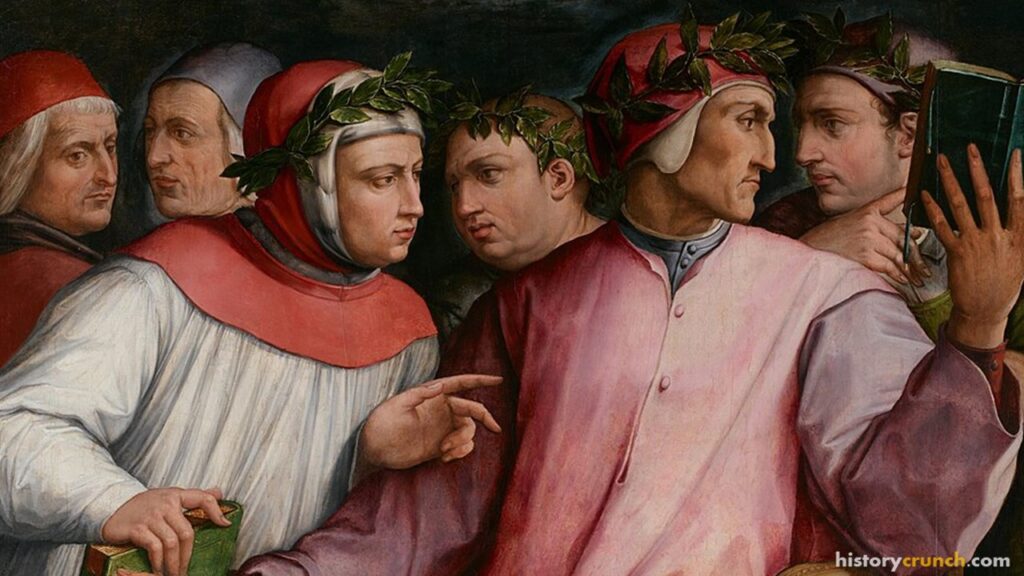
Renaissance Scholars and Philosophers – Humanism
A scholar is a person who studies and speaks or writes about a specific subject in great detail. This was not necessarily common in Europe at the time because most people in the Middle Ages lacked a basic education. As such, most scholars or philosophers came from wealthy families who could afford them the best education of the time. In the timeframe of the Renaissance there were several prominent scholars who helped the ideas of the Renaissance first begin on the Italian peninsula in the 14th century and later spread to northern Europe. These include: Petrarch, Erasmus, Guillaume Budé, and Michel de Montaigne. All four of them helped spread the ideas of the Renaissance including humanism.
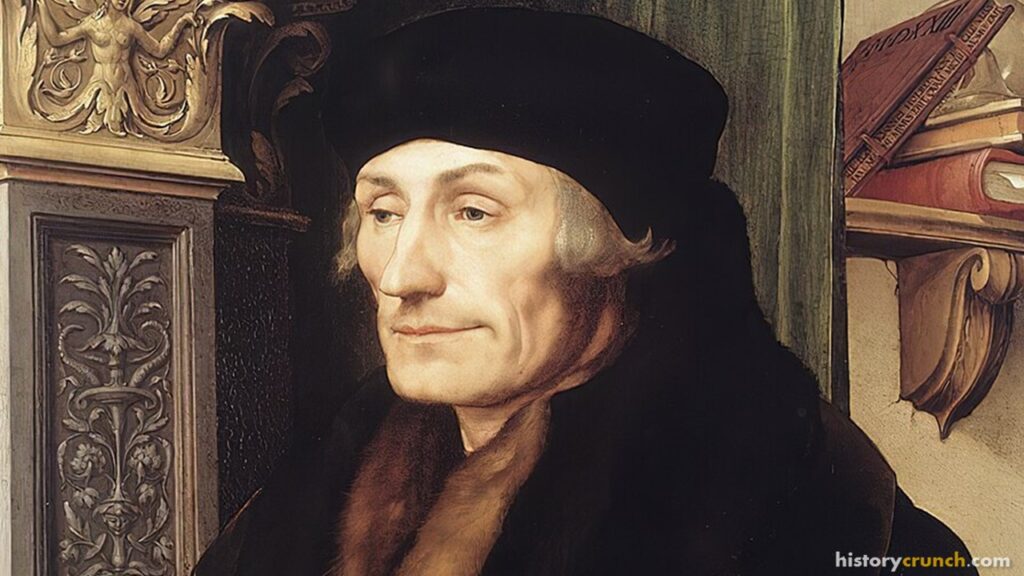
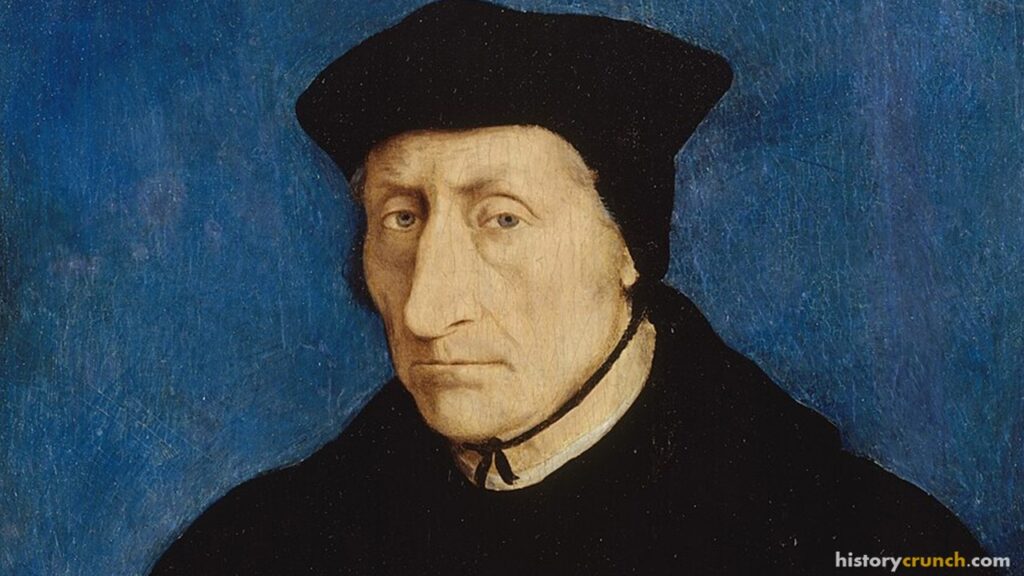
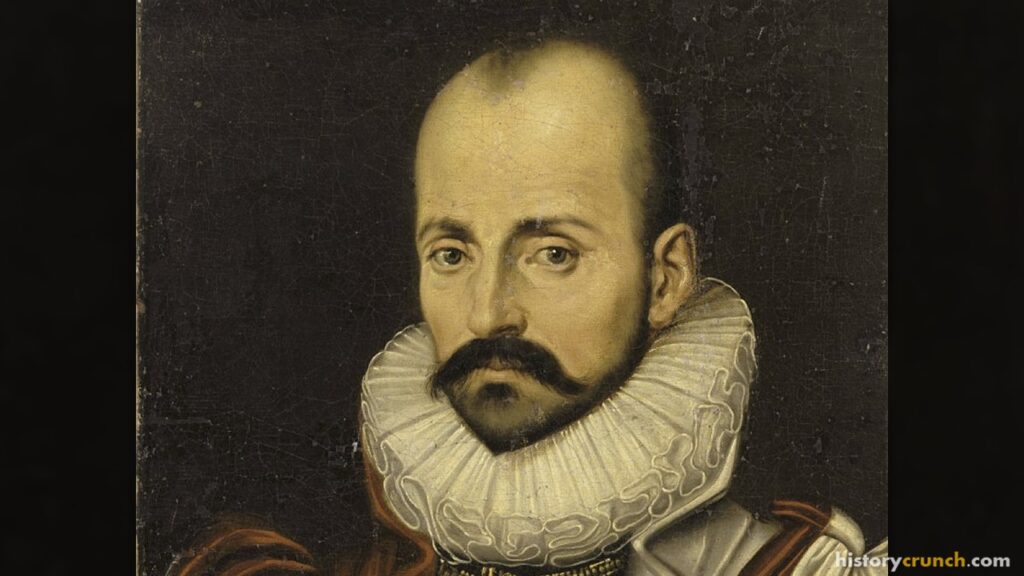
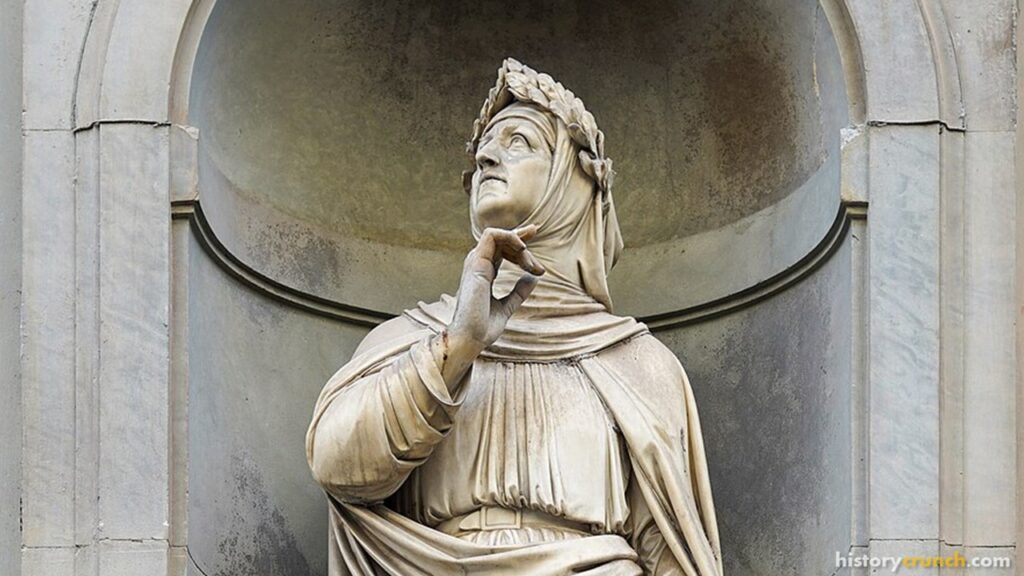
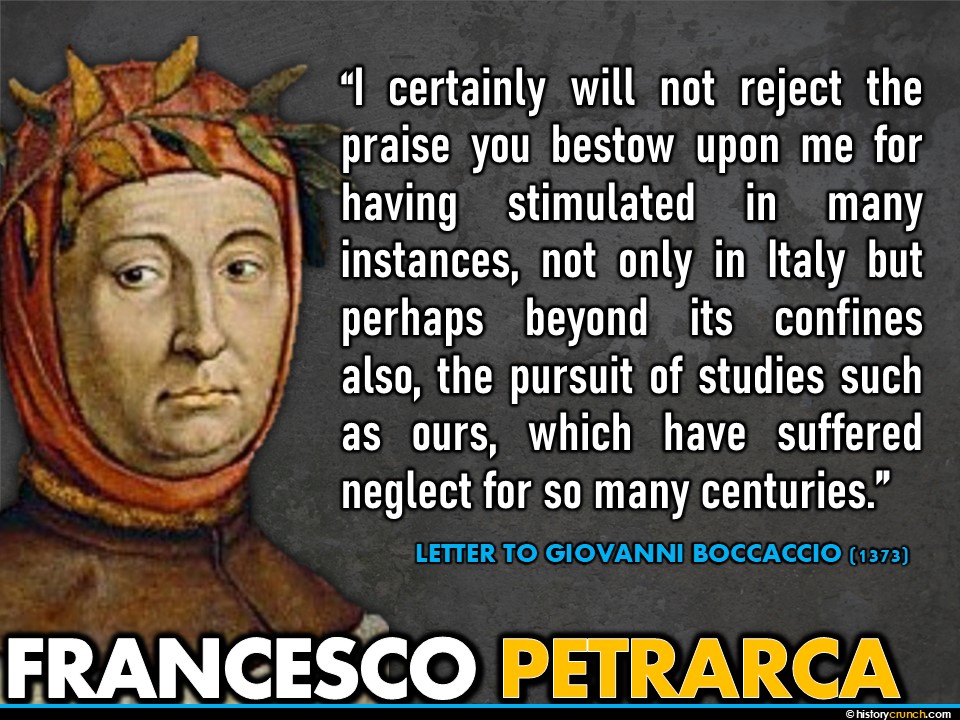
In general, Renaissance Humanism was the study of ancient Greek and Roman texts with the goal of promoting new normsThe accepted standards and values that guide behavior and thinking within a society. and values in society. These norms and views varied from those at the time because they focused less heavily on a religious worldview. Instead, Renaissance humanists such as Petrarch used ancient texts to promote a worldview based on logic and reason. This was to be accomplished through the study of the ‘studia humanitatisA group of subjects including grammar, history, poetry, and philosophy that humanists believed citizens should study to participate in society.’, which today is known as the humanities and includes topics such as: grammar, history, poetry, and philosophy. Renaissance humanists such as Petrarch promoted the idea that citizens should be educated in these topics in order to allow them to participate in the social and political life of their society. This was a fundamental shift from the feudalistic and religious life that was the reality for most people in Europe in the Middle Ages.
The ideas of humanism caused people to want to learn more about the world, which led to major shifts in intellectual thought. As such, throughout the early Renaissance many people began to study at schools that specialized in humanism. This, along with other reasons, caused people to travel throughout Europe, which helped spread the ideas of humanism. As such, scholars such as Petrarch, Erasmus, Guillaume Budé, and Michel de Montaigne helped advance the ideals of humanism and caused the Renaissance to spread throughout Europe.
 FactsthatCrunch
What Was the Studia Humanitatis?
The studia humanitatis was a group of subjects that included grammar, history, poetry and philosophy. Humanists such as Petrarch believed citizens should study these subjects so they could take part in the social and political life of their society. Today these subjects are known as the humanities.
Key Vocabulary
Classical knowledge
Humanist
Studia humanitatis
Norms
Feudalistic
Worldview
Frequently Asked Questions
Who were the most important Renaissance scholars and philosophers?
Petrarch, Erasmus, Guillaume Budé, and Michel de Montaigne were among the most important Renaissance scholars. All four helped spread the ideas of the Renaissance, including humanism. Their work began on the Italian Peninsula and later reached northern Europe.
What is Renaissance humanism?
Renaissance humanism was the study of ancient Greek and Roman texts to promote new norms and values in society. It focused less on a religious worldview and more on logic and reason. Humanists believed educated citizens should take part in the social and political life of their society.
What is a scholar, and who could become one during the Renaissance?
A scholar is a person who studies and writes about a specific subject in great detail. Most people in the Middle Ages lacked a basic education, so scholars were rare. As a result, most scholars and philosophers came from wealthy families who could pay for the best schooling of the time.
What was the “studia humanitatis”?
The “studia humanitatis” was a group of subjects that today is known as the humanities. It included grammar, history, poetry, and philosophy. Humanists like Petrarch believed citizens should study these topics to join the social and political life of their society.
How did Renaissance scholars help the movement spread across Europe?
Renaissance scholars spread the movement by teaching and promoting humanist ideas as they traveled. The ideas of humanism made people want to learn more about the world. Many began studying at schools that focused on humanism, which helped the Renaissance reach all of Europe by the 16th century.
Cite This Article
To cite this article as a source, use one of the formats below.
MLA: Beck, Elias. “Renaissance Scholars and Philosophers: A Detailed Summary.” HistoryCrunch, 21 October 2026, https://historycrunch.com/renaissance-scholars-and-philosophers/.
APA: Beck, E. (2026). Renaissance Scholars and Philosophers: A Detailed Summary. HistoryCrunch. https://historycrunch.com/renaissance-scholars-and-philosophers/
Chicago: Beck, Elias. “Renaissance Scholars and Philosophers: A Detailed Summary.” HistoryCrunch. October 21, 2026. https://historycrunch.com/renaissance-scholars-and-philosophers/
Sources
- John Hale, The Civilization of Europe in the Renaissance.
- Fordham Modern History Sourcebook