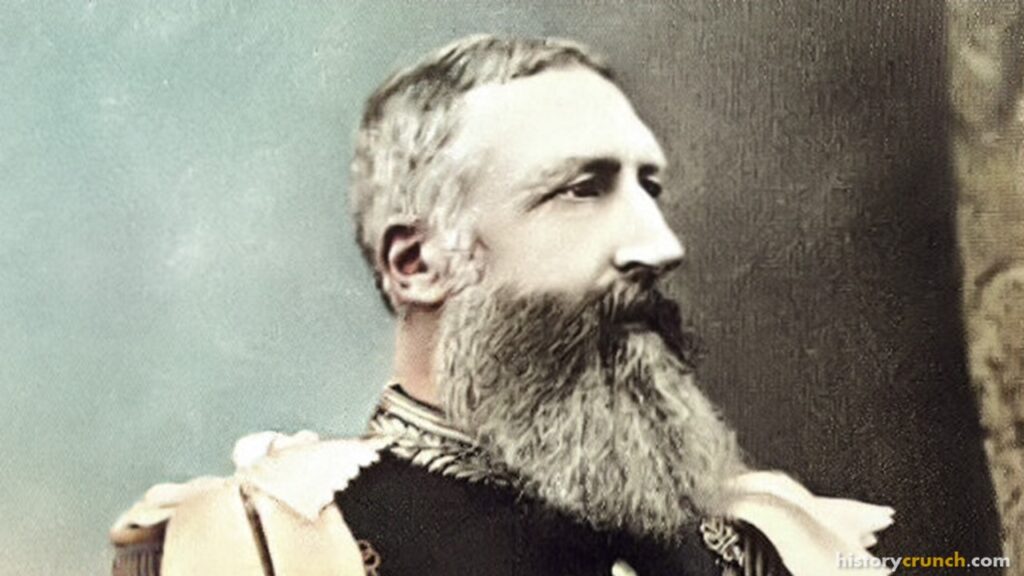
Leopold II was the King of Belgium from 1865 until 1909 and is famous today for his role in the Age of Imperialism and the Scramble for Africa. In fact, his reign over Belgium occurred generally at the same time as the Scramble for Africa, which extended from 1870 until 1914. During these years, Leopold II carried out his own imperialistic campaigns in Africa, which were targeted in the Congo River Basin. For instance, he famously established the Congo Free State as a personal possession.
LEOPOLD II EARLY LIFE
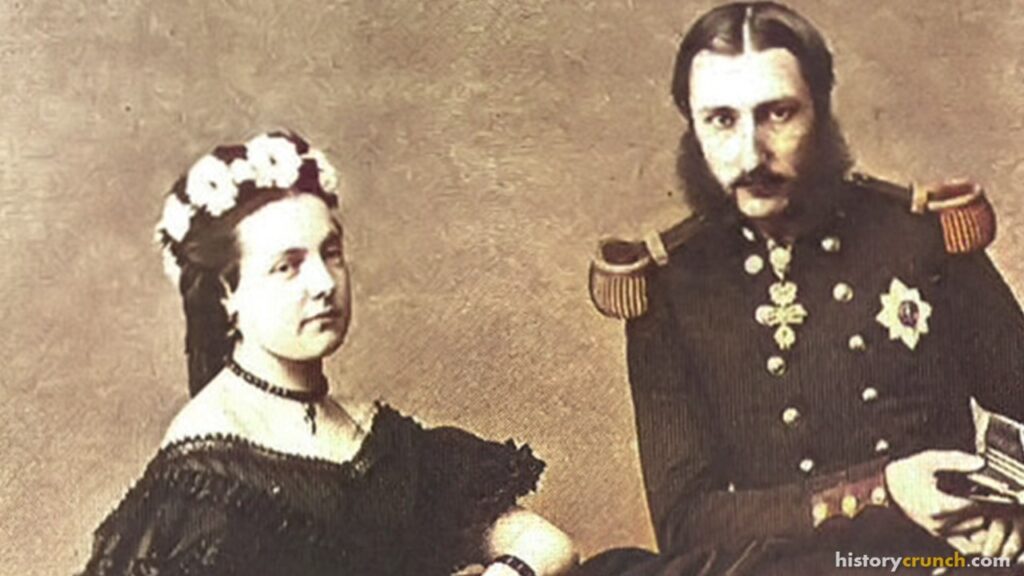
King Leopold II was born on April 9th, 1835 in Brussels, Belgium. At the time, his father, Leopold I, was the King of Belgium. His mother, Louise, was the daughter of King Louis Philippe of France. Leopold II married Marie Henriette of Austria, when he was just 18 years old. Together, the couple had four children, but struggled to maintain their relationship throughout the years.
Leopold II was the heir to the Belgian throne from birth. He served in the Belgian military as a young man and achieved the rank of lieutenant-general. During this time he also served in the Belgian Senate and travelled extensively around the world. However, his life changed dramatically in 1865 when his father, Leopold I, died. Just 7 days after the death of his father, Leopold II took over the Belgian throne and became the new King of Belgium.
LEOPOLD II OF BELGIUM
As stated above, Leopold II became the King of Belgium in 1865 following the death of his father. Leopold II reigned over Belgium for over four decades. In fact, he held the role until his death in 1909. During his years as the King of Belgium, Leopold II oversaw many different advancements and projects for Belgium. On the domestic front, Belgium initiated several important reforms such as: the formation of labor unions, universal male suffrage, and the introduction of the Belgian constitution. It is important to note that these were not necessarily introduced or supported by Leopold II, since Belgium still had an elected government.
As stated previously, Leopold II and Marie Henriette struggled in their marriage. In fact, the couple separated in the 1890s, and Leopold II took on several mistresses. The most prominent of these mistresses was Caroline Lacroix, who was just 16 years old when she was with the 65 year old Leopold II. She had two sons, which historians believe were likely fathered by Leopold II. The couple married in an illegitimate wedding just five days before Leopold II died in 1909.
Regardless, the most significant contribution of Leopold II as the King of Belgium was his role in the Scramble for Africa. For instance, Leopold II’s reign as King of Belgium coincided with the time period of the Scramble for Africa, during which the European powers of the day raced for control of different regions of Africa.
LEOPOLD II AND THE CONGO FREE STATE
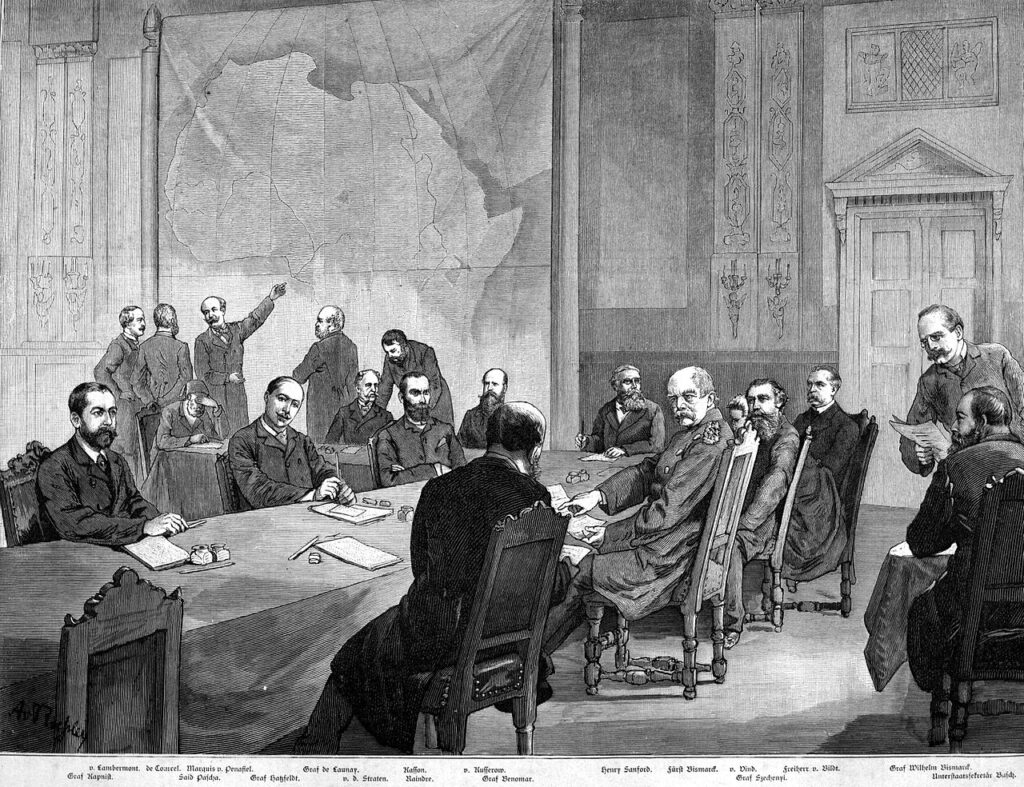
Leopold II gained access to the territory of the Congo due early expeditions of the famous explorer Henry Morton Stanley in the Congo River basin of west central Africa. As well, at the Berlin Conference of 1884, Leopold II was given personal control over the Congo region. In fact, Leopold II officially formed the Congo Free State in 1885 and ruled over it as his own private possession. He used his control over the region to as a way of amassing a fortune for himself. The Congo area had valuable resources, such as: rubber, ivory, copper and other raw materials. Leopold’s efforts to collect and sell these resources led to the brutalization of millions of Congolese people.
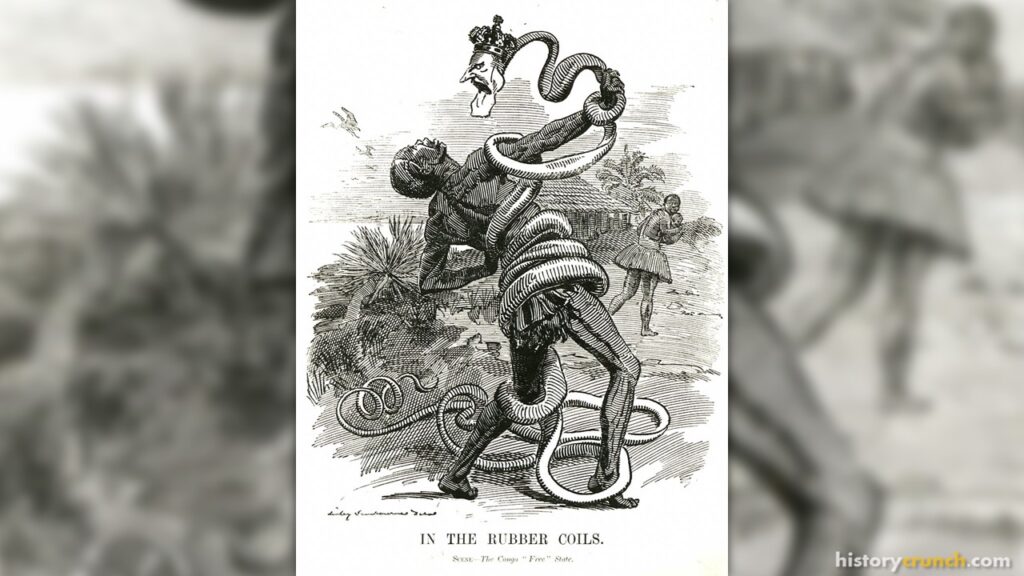
For instance, In order to get the rubber (and other resources) out of the Congo, Leopold II oversaw the poor treatment and punishments inflicted on the Congolese people. Punishments were brutal and involved: beatings, cutting of their hands or feet, starvation, and imprisonment. In all, it is estimated that as many as 15 million Congolese people died during the years of Leopold II’s reign. However, it should be noted that proper records were not kept and modern historians disagree on the exact number of Congolese people that died due to the actions of Leopold II. As a result, some historians argue that the number is as low as a million, while others argue it is as high as 15 million. Although, many argue that it is likely around 10 million. Regardless of the truth, European imperialism in the Congo had a devastating impact on the people there and left a terrible legacy.
The atrocities eventually drew international attention and the intense pressure caused the Belgian government to investigate what was occurring in the Congo Free State. Eventually, in 1908, the territory was taken over by the Belgian government and renamed Belgian Congo, but not before Leopold II demanded a fee for the sale of his control over the Congo. For his part, Leopold II amassed a substantial fortune and was considered to be one of the richest men in the world near the end of his life. Before he died on December 17th, 1909, he supposedly had a personal fortune as high as $500 million.
LEOPOLD II DEATH & LEGACY
Leopold II died on December 17th, 1909 at the age of 74. He died in a northern suburb of Brussels, Belgium and was interred in the royal vault in Brussels. The Belgian throne was taken over by his nephew, Albert I. As stated above, he died one of the richest men in the world, due to his control over the Congo Free State. However, Leopold II received a fair deal of criticism for his role in the brutal treatment of the Congolese people. As a result, Leopold II’s actions in the Congo have come to symbolize the brutality of the period of the Age of Imperialism, and how it created a differing set of legacies for Europe and Africa.