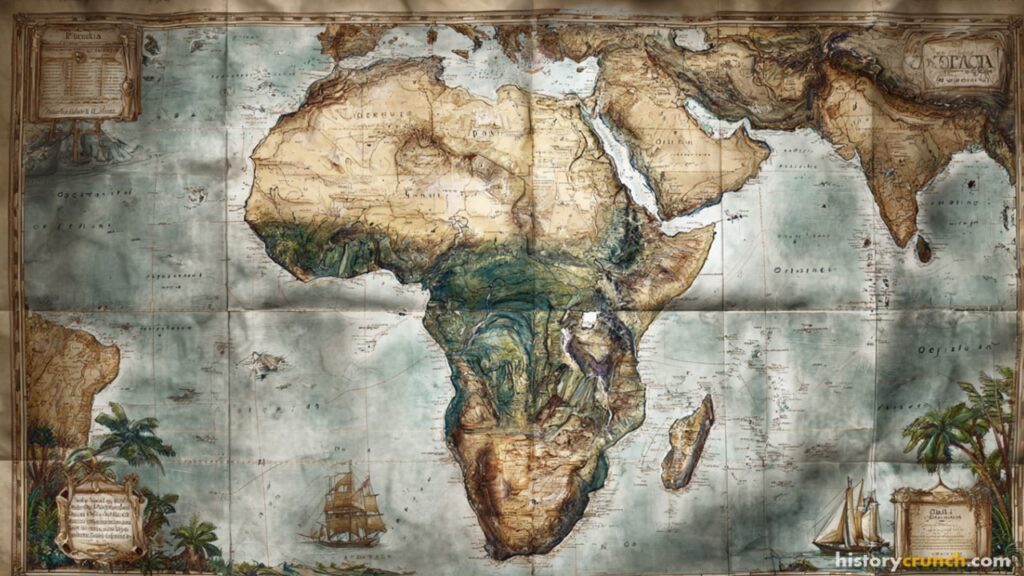
ImperialismWhen one country extends its political, economic, or cultural authority over another country or region by invasion or economic control. in Africa is an important topic in world history. It is related to the Age of Imperialism and the expansion of the European empires in the 19th century. In fact, the European powers of the 19th century competed with one another for territory and control over large sections of the African continent. The ‘scramble’ that occurred for Africa in the Age of Imperialism left a legacy on the people and regions of Africa that still exists today. In order to understand the significance of Imperialism in Africa, it’s first important to understand imperialism and the history of Africa before the Age of Imperialism.
What Is Imperialism?
Imperialism is a term that relates to when one country extends its political, economic or cultural authority over another country or region. This process involves the dominant country taking over the other through direct invasion and political control or by gaining authority over the economy of the other country. Imperialism, in history, was a foreign policy practiced by many different nations but is most often associated with European countries, the United States, and some Asian countries.
Britain played one of the most significant roles during the Age of Imperialism. As stated above, many European nations were spreading their influence throughout the world in the 18th and 19th centuries and took over control of vast regions of the world. However, Britain was the most important of these European nations, because the British Empire expanded the most at the time and came to be the largest empire in the world. France was second in terms of the size of its empire and played a significant role in the Age of Imperialism. Other significant European nations included Germany, Belgium and Spain. Together, these nations spread across the globe and took control over different regions, including: Africa, India, and China.
 FactsthatCrunch
A European power could control much of a region’s economy without ever making it a colony.
Through spheres of influence, a dominant nation gained economic and political control over a region while the local government stayed in place. European companies could take natural resources, set trade terms, and steer policy without formal conquest.
Early European Exploration in Africa
Europeans expressed an economic interest in Africa for a long period of time before the start of the Age of Imperialism. More specifically, the Age of ExplorationA period beginning in the early 15th century when European nations used navigational skills to travel and discover new parts of the world. saw European explorers travel along the shores of Africa in search of new trading posts and a route to Asia. The Age of Exploration, or Age of Discovery, is one of the most important events in the history of the western world. It began in the early 15th century and continued until the end of the 17th century, and involved European explorers using their navigational skills to travel the world. In general, the European nations that participated the most in the Age of Exploration included Portugal, Spain, France and England. In fact, Portugal was the European nation that made the first and most expansive explorations, including along the coastline of Africa.
Early Portuguese explorers sailed their ships along the western shores of Africa and established trading posts that they used to gain access to the economic resources of the continent. For instance, Portuguese explorer, Bartolomeu Dias, was the first European to sail around the southern tip of Africa. He achieved the feat in 1488 CE. His journey set the stage of later European explorations along Africa, which eventually led Europeans to use the route as a way to reach Asia by sea. For example, Vasco da Gama was the first European to sail to India around Africa. Also a Portuguese explorer, da Gama made his voyage in 1498 and opened the way for other Europeans to reach the Far East. This led to a flood of ships sailing around Africa as they sailed for India, China and the surrounding areas.
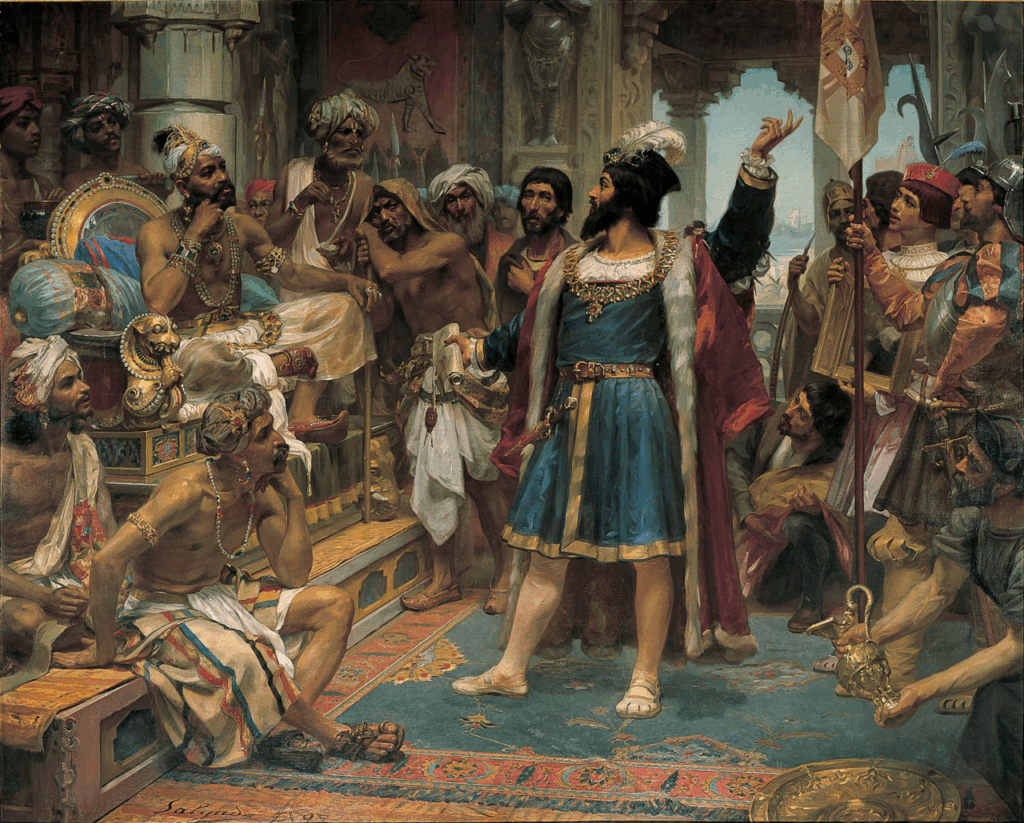
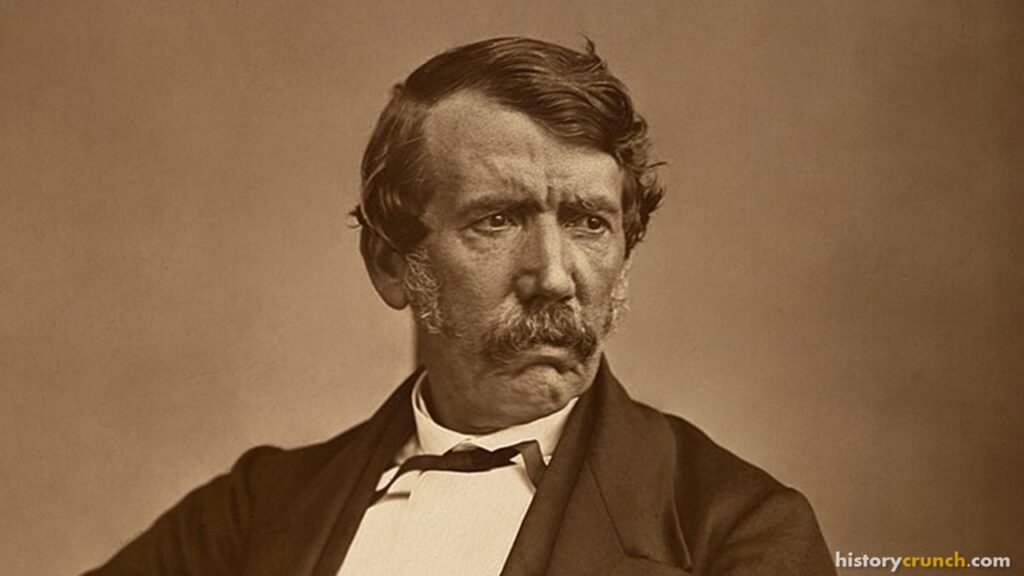
With that said, these early explorations only explored the coastlines of Africa and did not result in any significant European expansion into the interior of Africa. In fact, European expeditions into Africa’s interior did not become more common until the early 1800s. This was due to the climate, geography and diseases present in Africa. For instance, Europeans struggled with diseases such as malaria and yellow fever. However, new technologies and advancements in medicine allowed European explorers to start expeditions into the interior of Africa. For example, Europeans carried out these expeditions along African rivers and known trading routes as a way of exploring central Africa and learning more about the continent. Some of the most famous of these explorers were David Livingstone and Henry Morton Stanley. Regardless, European interest in Africa continued to grow and eventually resulted in the Scramble for Africa.
 FactsthatCrunch
Both Bartolomeu Dias and Vasco da Gama were Portuguese explorers who sailed around Africa, but their voyages had different goals and outcomes.
The ‘Scramble for Africa’
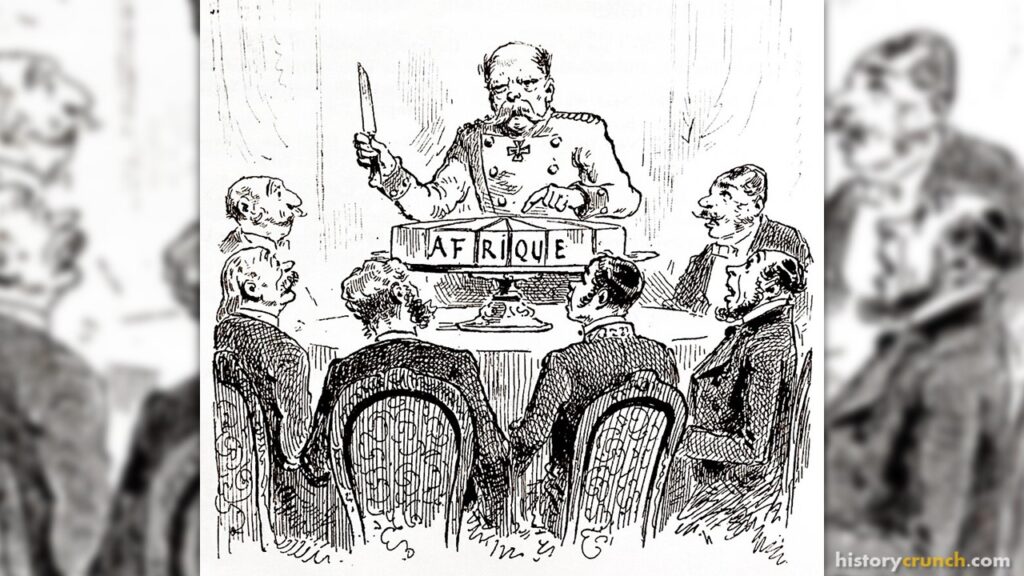
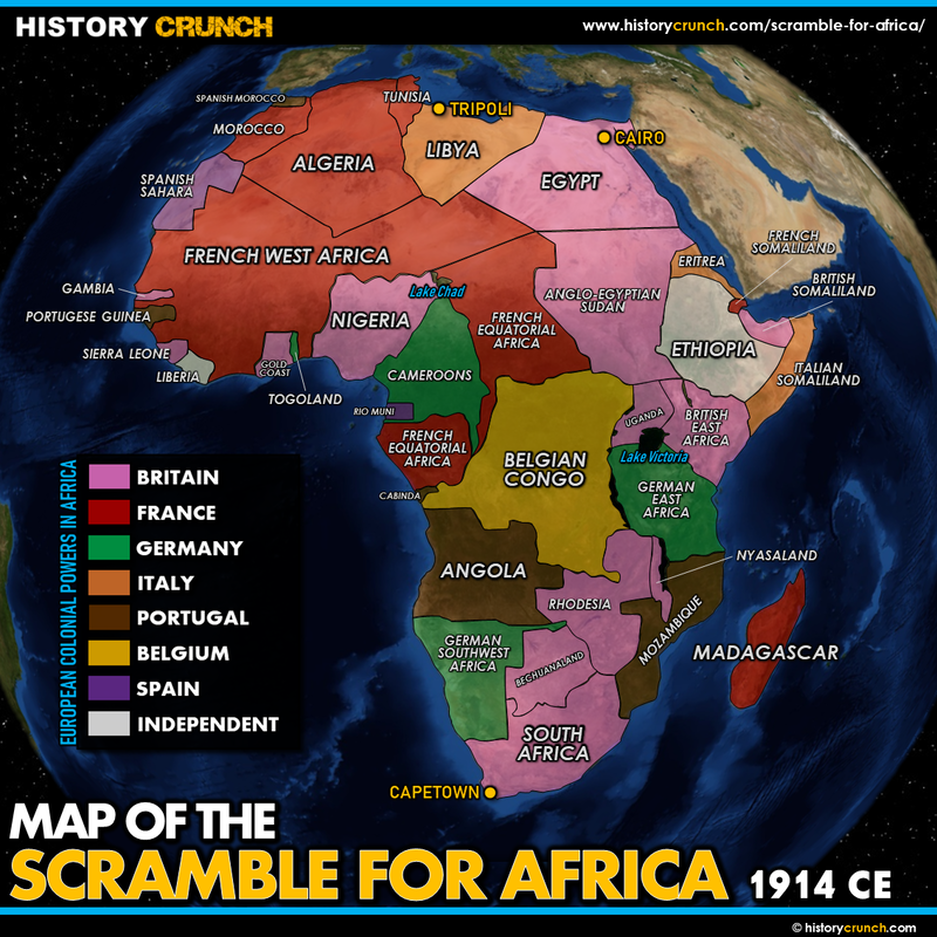
The ‘Scramble for Africa’ is the term that historians use to refer to the expansion of European empires into Africa. It is referred to as a ‘scramble’ due to the way in which the European nations raced to capture territory to expand their empires. The Scramble for Africa is considered to have occurred from approximately 1870 until the outbreak of World War I in 1914. During these years, almost all of Africa came under the control of the major European powers, including: Britain, France, Germany, Belgium, Italy, Portugal and Spain. There are several main causes to the Scramble for Africa, including: European competition, ethnocentrism, the spread of Christianity and new innovations.
The Scramble for Africa unfolded as a series of major events that eventually saw the African continent colonizedBrought under the full political control and settlement of a foreign power, as happened to nearly all of Africa during the Scramble. and then divided by the major European powers. These events include: the Atlantic Slave Trade, European interest in the Suez Canal, Berlin Conference, First Moroccan Crisis, Second Moroccan Crisis, the Boer War, and the brutal rule of Leopold II in the Congo.
Once the European powers had carved up the continent of Africa amongst themselves they next established procedures and governments to rule over the territory and people. The European powers controlled their territory in Africa in several different ways. Some of these methods involved direct elements of control, while others were indirect. In general, historians have identified three different forms of European rule in Africa, including protectoratesA form of indirect European rule over African territory where the local government remained but answered to a European power., spheres of influenceAreas where a European power held dominant economic or political control without formally governing the territory as a colony. and colonies.
 FactsthatCrunch
Europeans did not rule all of their African lands the same way. Historians describe three main forms: colonies, protectorates, and spheres of influence.
In a colony, Europeans governed directly. In a protectorate, a local ruler kept his position but answered to a European power. In a sphere of influence, a European nation controlled trade and politics without formally governing the land.
Impacts of Imperialism in Africa
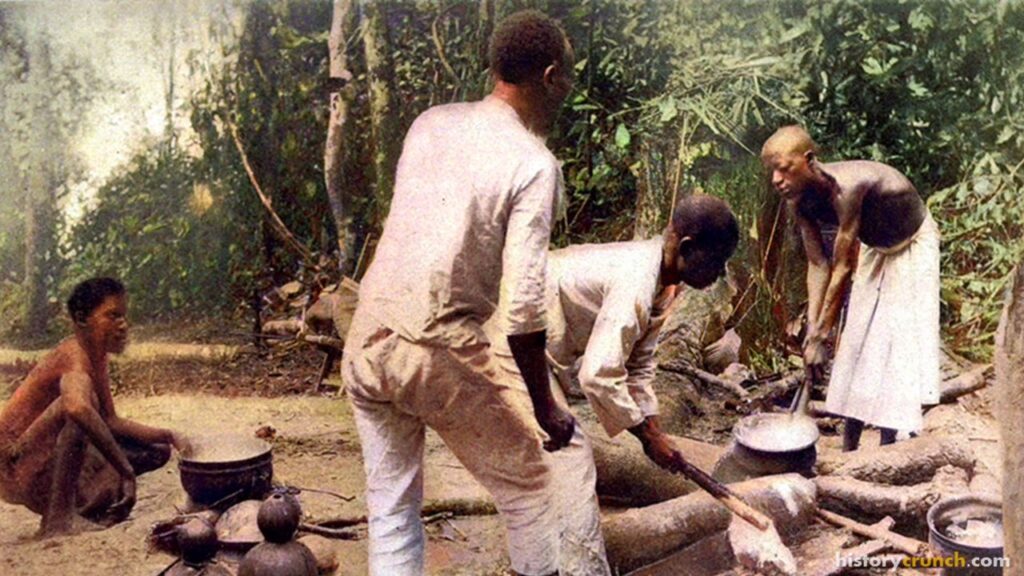
Historians have identified both positive and negative impacts from the period of European imperialism in Africa. In fact, there were several main positive outcomes from the period. First, the main European powers (Britain, France, Spain, Portugal, Germany, Belgium, etc.) that imperialized Africa established colonies to benefit their own economies in Europe. As such, European imperialism in Africa was beneficial for the European nations in that it helped grow their national economies. This was done by extractingRemoving natural resources from a land, used here to describe how Europeans took Africa’s resources for their own economies. important natural resources out of Africa and using them to benefit European companies and governments. With that said, the European extraction of these resources obviously had devastating impacts on African societies. For instance, Leopold II of Belgium famously exploited the people of the Congo in order to gather and sell as much rubber from the region as possible. This made Leopold II an incredibly wealthy person and benefited Belgium, but had terrible impacts for the people of the Congo. Click here to read a more detailed article on the positive and negative impacts of European imperialism in Africa.
How did Leopold II of Belgium use the Congo during the Age of Imperialism?

Key Vocabulary
Imperialism
Age of Exploration
Ethnocentrism
Protectorates
Spheres of influence
Extracting
Colonized
Frequently Asked Questions
What was the Scramble for Africa?
The Scramble for Africa was the rapid takeover of African land by European empires. It happened from about 1870 until the start of World War I in 1914. During these years nearly all of Africa fell under the control of powers like Britain, France, Germany, Belgium, Italy, Portugal, and Spain. Historians call it a scramble because nations raced each other to grab territory.
What caused imperialism in Africa?
Several forces pushed European nations to take over Africa in the 19th century. The main causes were competition between empires, ethnocentrism, the spread of Christianity, and new inventions. Nations wanted African resources to grow their own economies back home. New technology and medicine also made it easier to travel deep into the continent.
Which European countries controlled parts of Africa?
Seven major European powers divided most of Africa among themselves. These were Britain, France, Germany, Belgium, Italy, Portugal, and Spain. Britain held the largest empire overall, and France was second in size. They ruled their lands through protectorates, spheres of influence, and colonies.
Why did Europeans not explore inside Africa earlier?
Early European explorers stayed near Africa’s coasts because the interior was so dangerous for them. The climate, geography, and diseases like malaria and yellow fever killed many outsiders. Expeditions into the interior did not become common until the early 1800s. New technology and advances in medicine finally allowed deeper journeys inland.
What were the effects of imperialism on Africa?
European imperialism had both positive and negative effects, but the harm to Africans was severe. Europeans built colonies mainly to help their own economies by taking Africa’s natural resources. This left lasting damage on African societies and their land. For example, Leopold II of Belgium grew rich from Congo rubber while treating the Congolese people with terrible cruelty.
Cite This Article
To cite this article as a source, use one of the formats below.
MLA: Beck, Elias. “Imperialism in Africa: A Detailed Summary.” HistoryCrunch, 28 October 2026, https://historycrunch.com/imperialism-in-africa/.
APA: Beck, E. (2026). Imperialism in Africa: A Detailed Summary. HistoryCrunch. https://historycrunch.com/imperialism-in-africa/
Chicago: Beck, Elias. “Imperialism in Africa: A Detailed Summary.” HistoryCrunch. October 28, 2026. https://historycrunch.com/imperialism-in-africa/
Sources
- Daniel R. Headrick, The Tools of Empire.
- John Darwin, After Tamerlane / Unfinished Empire.