The end of the Great Depression marked one of the most important turning points in modern history, closing a decade of hardship that had spread across the United States and much of the world. The Great Depression was a worldwide economic recession that began in 1929 and lasted through most of the 1930s. Understanding how it finally came to an end helps explain the growth of the modern American government, the shift in economic thinking of the twentieth century, and the way the United States moved from crisis into a period of postwar strength.
A recession is a general downturn in the economy that usually comes with high unemployment and a large drop in consumer spending. During the Great Depression, this downturn was so deep and lasted so long that millions of people struggled to find work while businesses struggled to survive. The recovery from these conditions did not happen all at once. Instead, it came through a mix of government programs, changes in banking and money policy, and finally the enormous demands of World War II.
What Was the Interwar Period?
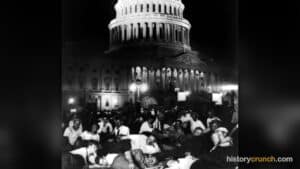
The Great Depression took place during a stretch of history known as the interwar period, which covers the years between the end of World War I in 1918 and the start of World War II in 1939. This era began with the economic boom of the 1920s, often called the Roaring Twenties, when the American economy grew quickly and many people made money in the stock market. That prosperity ended suddenly with the stock market crash of October 1929, which most historians point to as the start of the Great Depression.
In the years that followed, the interwar period became a time of severe hardship in many countries. Unemployment soared, banks failed, and consumer spending collapsed. In fact, the difficult economic conditions of this era also helped extreme political movements rise to power in Europe. This overall instability of the interwar period set the stage both for the recovery efforts of the 1930s and for the war that would eventually follow.
How Did the New Deal Begin the Recovery?
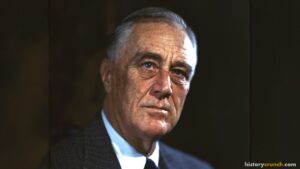
The first major step toward ending the Great Depression came with the election of Franklin D. Roosevelt as president in 1932. Roosevelt won by a landslide after promising Americans a “new deal” to fight the crisis. When he took office in March of 1933, roughly one in four American workers was unemployed, and the banking system was near collapse. Roosevelt acted quickly to calm the public and to stabilize the economy.
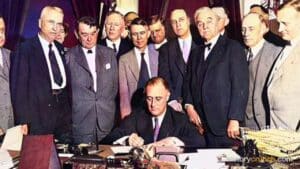
The New Deal was a series of government programs and reforms designed to provide relief, recovery, and reform during the Great Depression. Many of these programs were passed in Roosevelt’s first three months in office, a period known as the Hundred Days. For instance, the government created the Civilian Conservation Corps, known as the CCC, which put young men to work planting trees and building parks. It also created agencies to give aid to the unemployed and to help struggling farmers.
Just as important were the reforms aimed at fixing the banking system. Roosevelt closed the banks temporarily to stop the panic, then reopened only those that were sound. The government created the Federal Deposit Insurance Corporation, or FDIC, to protect people’s savings, and the Securities and Exchange Commission, or SEC, to watch over the stock market. These reforms helped restore public trust in banks and investments, which had been badly shaken by the crash of 1929.
What Was the Second New Deal?
By 1935, the economy had improved somewhat, but millions of Americans were still out of work. In response, Roosevelt launched a second, more ambitious wave of programs often called the Second New Deal. The most famous of these was the Works Progress Administration, or WPA, which put millions of unemployed people to work on public projects. Over its years of existence, the WPA gave jobs to around 8.5 million Americans.
WPA workers built roads, bridges, schools, post offices, and parks across the country. The program also hired artists, writers, and musicians to keep them working during the hard times. More specifically, the Second New Deal focused on giving Americans greater economic security for the future, not just temporary relief. The Rural Electrification Administration, for example, created in 1935, lent money to bring cheap electricity to poor rural areas across the country.
The most lasting achievement of this period was the Social Security Act of 1935. This law created a national system of pensions for the elderly, along with unemployment insurance and aid for vulnerable groups such as children and the disabled. In addition, new labor laws such as the National Labor Relations Act gave workers the right to join unions and bargain for better wages and conditions. These programs formed the beginnings of a safety net that still exists in the United States today.
Did the New Deal End the Great Depression?
While the New Deal improved the lives of millions of people, it did not fully end the Great Depression on its own. The economy recovered in stages between 1933 and 1937, but unemployment remained high. In reality, the New Deal eased suffering and rebuilt confidence, yet it could not by itself return the economy to the level of prosperity seen before the crash.
A sharp recession in 1937 and 1938 made this point clear. During this downturn, sometimes called the “Roosevelt recession,” unemployment climbed again to nearly 19 percent. The economy then began to rise once more, but as late as 1940, unemployment still stood at a Depression-level of about 14.6 percent. This showed that despite years of government effort, the country had not yet fully escaped the crisis.
Even so, the New Deal had a lasting effect on the American economy and government. It expanded the size and power of the federal government and made it responsible for the welfare of ordinary people in a way that had never existed before. This new role for government would shape how the United States responded to the challenges of the years ahead.
How Did World War II End the Great Depression?
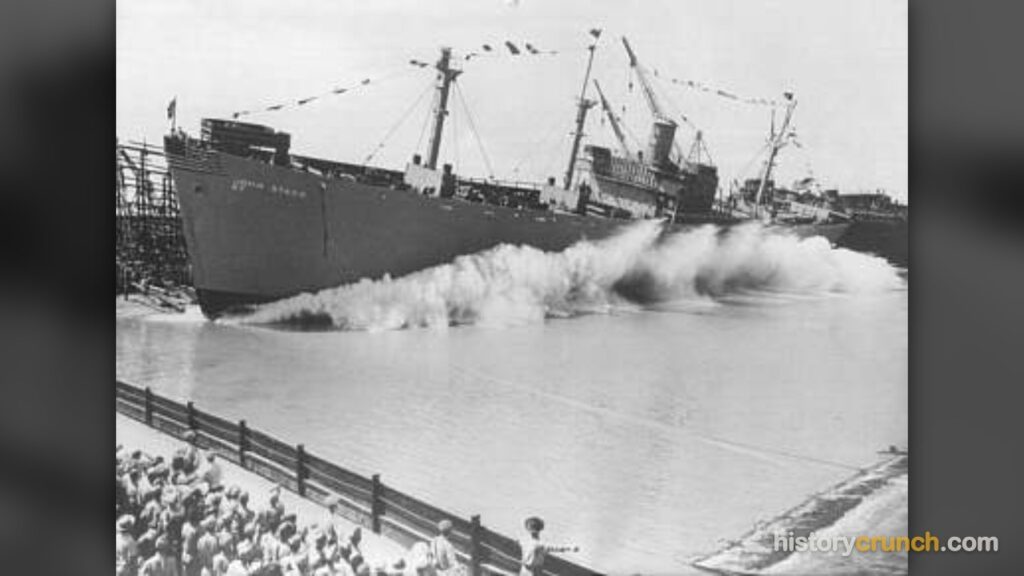
Most historians agree that it was World War II, more than any single program, that finally brought the Great Depression to an end. The war began in Europe in 1939, and even before the United States entered the fighting in December of 1941, American factories began producing weapons, ships, and supplies for the Allied nations. This demand for war goods put millions of unemployed Americans back to work.
Once the United States joined the war, the change was dramatic. More than 12 million Americans entered the military, while a similar number took jobs in defense plants and factories. As a result, the unemployment that had defined the 1930s nearly vanished. As late as 1940, unemployment stood at about 14.6 percent, but by 1944 it had fallen to a remarkable 1.2 percent, and the nation’s total economic output had more than doubled.
The massive government spending needed to win the war acted as a huge boost to the economy. Some economists have argued that the growth of the money supply during these years, as much as the spending on weapons itself, helped pull the country out of recession. Either way, the enormous scale of wartime production ended the long years of high unemployment and low spending that had marked the Great Depression.
Significance of How the Great Depression Ended
The way the Great Depression ended had a profound effect on the future of the United States and the world. The New Deal permanently changed the relationship between the American people and their government. For the first time, the federal government took on lasting responsibility for the economy and for the welfare of its citizens, through programs such as Social Security that continue to this day.
The role of World War II in ending the crisis also shaped economic thinking for decades. It appeared to confirm the idea that heavy government spending could lift a nation out of recession, an idea that influenced government policy long after the war was over. In this way, the end of the Great Depression helped create the modern approach that many governments still use to respond to economic downturns.
Finally, the wartime economy set the stage for the great prosperity that followed. When the war ended in 1945, the United States emerged as the strongest economy in the world, ready to lead a long postwar boom. The hard lessons of the Great Depression, together with the recovery that ended it, shaped American life for generations.
Frequently Asked Questions
What year did the Great Depression end?
The Great Depression is generally said to have ended around 1939, when World War II began, though the strongest recovery came after the United States entered the war in 1941. Economic output and employment returned to healthy levels during the war years, with unemployment dropping to about 1.2 percent by 1944. Because of this, historians usually mark the war years as the true end of the crisis.
Who was president when the Great Depression ended?
Franklin D. Roosevelt was president when the Great Depression ended. He was elected in 1932 and led the country through both the New Deal and World War II. Roosevelt was the only president in United States history to be elected to four terms of office, and he remained in the White House until his death in 1945.
Why did the New Deal not end the Great Depression?
The New Deal eased suffering and rebuilt confidence, but it could not fully restore the economy because unemployment remained high throughout the 1930s. A serious recession in 1937 and 1938 showed that the economy was still fragile. The government spending during these years was simply not large enough to return the country to full prosperity on its own.
How did World War II help the economy?
World War II helped the economy by creating an enormous demand for weapons, ships, and supplies, which put millions of unemployed people back to work. Factories ran at full capacity, and the military itself employed millions more. This combination of jobs and spending ended the long stretch of high unemployment that had defined the Great Depression.
What lasting changes came from the end of the Great Depression?
The most lasting change was a much larger and more active federal government that took responsibility for the economy and for the welfare of citizens. Programs created during the New Deal, such as Social Security and bank deposit insurance, still exist today. The period also left the United States as the world’s leading economy, ready for a long postwar boom.
Cite This Article
To cite this article as a source, use one of the formats below.
MLA: Millar, B. “How the Great Depression Ended: A Detailed Summary.” HistoryCrunch, 14 August 2026, https://historycrunch.com/how-the-great-depression-ended/.
APA: Millar, B. (2026). How the Great Depression Ended: A Detailed Summary. HistoryCrunch. https://historycrunch.com/how-the-great-depression-ended/
Chicago: Millar, B. “How the Great Depression Ended: A Detailed Summary.” HistoryCrunch. August 14, 2026. https://historycrunch.com/how-the-great-depression-ended/
Sources
- David M. Kennedy, Freedom from Fear.
- FDR Presidential Library