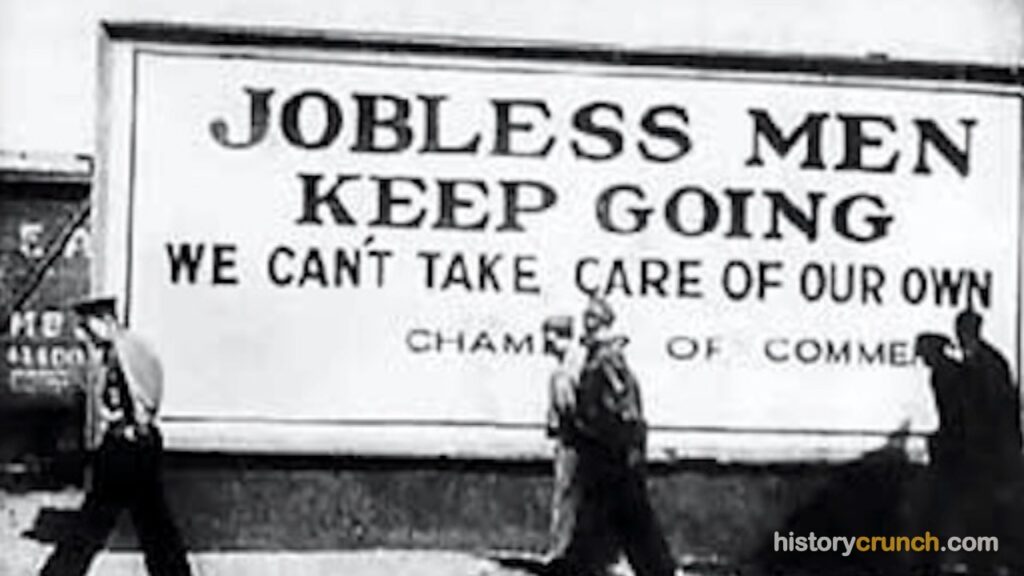
The Great Depression was one of the most important economic events in modern history, and its effects reshaped the United States and much of the world for decades. It was a worldwide economic recession that occurred primarily during the 1930s, beginning with the stock market crash of 1929 and lasting until the start of World War II in 1939. During this time, millions of people lost their jobs, their savings, and their homes, while businesses and banks struggled to survive. The importance of the Great Depression comes not just from the hardship it caused, but from the lasting changes it brought to government, economics, and everyday life.
A recession is a general downturn in the economy that is usually marked by high levels of unemployment and a significant drop in consumer spending. The Great Depression was an especially long and severe recession, sometimes called a depression because of how deep and how lasting it was. Understanding its significance means looking at how it changed the role of government, altered global politics, and left behind ideas and programs that are still part of daily life today.
What Was the Interwar Period?
The Great Depression took place during a time known as the interwar period, which refers to the roughly twenty years between the end of World War I in 1918 and the beginning of World War II in 1939. This was a period of major change, as nations tried to rebuild after the destruction of the First World War. In the United States, the 1920s brought a booming economy, sometimes called the Roaring Twenties, when consumer spending, new automobiles, and stock market investing helped create widespread prosperity.
However, this prosperity did not last. In fact, the optimism of the 1920s ended suddenly in 1929 with the collapse of the stock market. The interwar period is therefore remembered as a time that swung from great wealth to great hardship, and the Great Depression stands at the center of that dramatic shift. Its effects on politics and economics in Europe and North America helped set the stage for the Second World War.
How Did the Great Depression Begin?
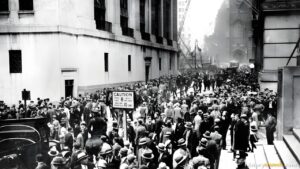
Most historians identify the stock market crash in October of 1929 as the start of the Great Depression in the United States. Beginning on October 24th, known as Black Thursday, the New York Stock Exchange experienced heavy trading and a sharp drop in value. The panic reached its peak a few days later on October 29th, known as Black Tuesday, when the market fell again and lost a huge share of its total worth.
The crash triggered a chain of other problems that deepened the crisis. For instance, consumer spending fell, unemployment rose sharply, and many banks were forced to close. As people grew afraid of losing their savings, large groups rushed to withdraw their money at the same time in events known as bank runs. More specifically, banks did not keep enough cash on hand to pay everyone at once, so many banks collapsed and their customers lost everything they had deposited.
Why Was the Great Depression So Significant to the United States?
The Great Depression was significant to the United States because it changed the way Americans thought about the role of their government. Before the 1930s, the federal government generally took a limited role in the economy and rarely stepped in to help struggling workers. The scale of the suffering during the Depression, however, convinced many people that the government had a duty to act.
One of the most important results was the 1932 election of Franklin D. Roosevelt as president. Roosevelt defeated the sitting president, Herbert Hoover, who had been widely criticized for his belief in limited government intervention. Roosevelt won the election in a landslide after promising the American people what he called a “new deal.” His victory marked a dramatic shift in American politics that would last for years.
How Did the New Deal Change the Role of Government?
The New Deal was a series of government programs and initiatives aimed at ending the economic devastation of the Great Depression. Roosevelt’s plan was for the federal government to spend money in order to achieve three main goals: economic recovery, job creation, and investment in public works projects. He set about many of these goals within the first hundred days of his presidency, moving quickly to stabilize the banking system and provide relief to those who were suffering.
Many historians agree that the New Deal included two distinct stages. The First New Deal ran from 1933 to 1934 and focused heavily on issues related to banking. The Second New Deal ran from 1935 to 1938 and included several important programs, most notably the Social Security Act, which created a safety net for elderly, unemployed, and disadvantaged Americans that still exists today.
Roosevelt also created a group of programs often called the alphabet agencies because they were known by their initials. For example, the Tennessee Valley Authority, or TVA, built a series of dams that controlled flooding, provided jobs, and brought electricity to rural communities for the first time. Other programs, such as the Civilian Conservation Corps and the Works Progress Administration, put millions of unemployed Americans to work building roads, schools, bridges, and parks. As stated above, these efforts greatly expanded the size and role of the federal government in American life.
How Did the Great Depression Affect the Rest of the World?
The Great Depression was not just an American event. In reality, it spread quickly around the globe because the world’s economies were closely connected. Countries such as Canada, Australia, and much of Europe suffered rising unemployment, falling trade, and widespread poverty during the 1930s.
The most serious global impact was felt in Germany, which was already struggling under the harsh terms of the Treaty of Versailles that had ended World War I. When the effects of the Great Depression spread across the world, Germany’s economy was devastated even further. It was during this time that Adolf Hitler rose to power with the promise of restoring the German economy and national pride.
Most historians agree that the difficult economic conditions of the Depression helped Hitler take control of Germany. As a result, the Great Depression can also be viewed as a cause of World War II, since Hitler launched the war through his aggressive militarism in Europe during the 1930s. In this way, the Depression connected the economic troubles of one decade to the deadliest conflict in human history.
Significance of the Great Depression
The significance of the Great Depression lies in the lasting changes it left behind long after the economic crisis ended. Its most important legacy in the United States was the new relationship it created between the American people and their federal government. Before the Depression, the government took little responsibility for the welfare of ordinary citizens, but the New Deal established the idea that the government should help protect people during hard times.
Many of the programs created during the Great Depression are still part of American life today. For instance, Social Security continues to support millions of retired and disabled people, and banking reforms from the 1930s still help protect the savings of ordinary depositors. These programs combined parts of a more government-directed economy with the country’s traditional free-market system, changing how the United States approached both economic and social problems.
The Depression also had a profound effect on world history. It reshaped global politics, contributed to the rise of dictators in Europe, and helped lead to World War II. For all of these reasons, the Great Depression is remembered as one of the most important turning points of the twentieth century, a crisis whose lessons about economics, government, and society continue to matter today.
Frequently Asked Questions
Why is the Great Depression important in history?
The Great Depression is important because it changed the role of government and reshaped the economy for decades. It led to major reforms such as Social Security and banking protections, and its economic effects helped set the stage for World War II. Because of these lasting changes, it is often studied as a turning point in modern world history.
How long did the Great Depression last?
The Great Depression lasted about ten years, from the stock market crash in 1929 until the start of World War II in 1939. In the United States, unemployment stayed high for much of the 1930s, and full economic recovery did not truly arrive until the country entered the war and factories began producing military supplies. This made it the longest and most severe economic downturn in modern history.
What ended the Great Depression?
Most historians agree that World War II finally ended the Great Depression. When the United States entered the war, the government spent enormous sums on weapons and supplies, which created millions of jobs in defense and war industries. The drafting of young men into military service also reduced unemployment, helping the economy fully recover.
How did the Great Depression change everyday life?
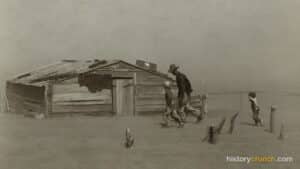
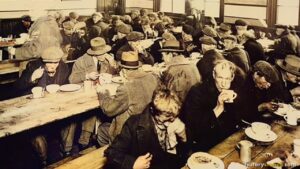
The Great Depression forced millions of families to change how they lived in order to survive. Many people lost their homes and moved into makeshift shanty communities, while others migrated across the country in search of work, especially away from the drought-stricken Midwest. Families learned to save carefully, share resources, and depend on government relief programs for food and jobs.
Did the Great Depression only affect the United States?
No, the Great Depression affected countries all around the world. Because global economies were closely linked, the crisis spread quickly to nations such as Canada, Australia, and much of Europe, bringing high unemployment and falling trade. In Germany, the economic hardship helped Adolf Hitler rise to power, which connected the Depression to the outbreak of World War II.
Cite This Article
To cite this article as a source, use one of the formats below.
MLA: Millar, B. “Significance of the Great Depression: A Detailed Summary.” HistoryCrunch, 14 August 2026, https://historycrunch.com/significance-of-the-great-depression/.
APA: Millar, B. (2026). Significance of the Great Depression: A Detailed Summary. HistoryCrunch. https://historycrunch.com/significance-of-the-great-depression/
Chicago: Millar, B. “Significance of the Great Depression: A Detailed Summary.” HistoryCrunch. August 14, 2026. https://historycrunch.com/significance-of-the-great-depression/
Sources
- Federal Reserve History
- Liaquat Ahamed, Lords of Finance.
- FDR Presidential Library