Slave rebellions in the United States were among the most dramatic and courageous acts of resistance in the long history of slavery in the United States. Although these uprisings were almost always crushed, they revealed the deep hatred that enslaved people felt for their bondage and struck fear into the hearts of slaveholders across the American South. As a topic, slave rebellions are significant because they challenged the idea that enslaved people accepted their condition, and they pushed the nation closer to the crisis over slavery that would eventually explode into the American Civil War.
A slave rebellion, sometimes called a slave revolt or slave uprising, was an organized and often violent effort by enslaved people to resist or overthrow the system of slavery. Some rebellions involved dozens or even hundreds of people who took up weapons and attacked slaveholders, while others were secret plots that were discovered and stopped before they could begin. In fact, both the actual revolts and the failed conspiracies had powerful effects on how white society responded to slavery.
What Was Slavery in the United States?
Slavery in the United States existed from the period of Colonial America in the early 17th century until the events of the American Civil War, which lasted from 1861 until 1865. Throughout this timeframe, many enslaved people were brought from Africa to the territory of the United States as part of the Atlantic Slave Trade. The Atlantic Slave Trade began in the 16th century, reached its peak in the 18th century, and finally concluded near the end of the 19th century.
During the time of the Atlantic Slave Trade, approximately 12 million Africans were placed on slave ships, sailed across the Atlantic Ocean, and sold into slavery in the New World. In the United States, slavery grew especially powerful in the Southern states, where enslaved people were forced to work on large agricultural plantations. More specifically, they harvested cash crops such as cotton, tobacco, rice, and sugar, which made slavery a central part of the Southern economy.
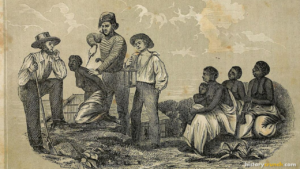
The period before the Civil War is often called the Antebellum Period, and it was a time when slavery expanded dramatically. Enslaved people were treated as property rather than as human beings, and they suffered brutal abuse, including whippings, forced labor, and the separation of families. It was against this harsh background that enslaved people repeatedly rose up in rebellion.
What Were Slave Rebellions?
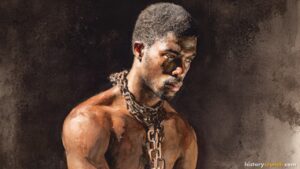
Slave rebellions were open, armed acts of resistance in which enslaved people fought against their enslavers. They were the most violent and dramatic form of resistance to slavery, but they were not the only form. In reality, enslaved people resisted in many quieter ways as well, such as working slowly, breaking tools, running away, or secretly holding onto their own religion, language, and traditions.
Historians have identified hundreds of slave revolts and conspiracies in what is now the United States, with most estimates placing the number at more than 250. Many of these uprisings were small and were quickly stopped, while a few grew large enough to threaten entire communities. In most cases, rebellions ended in defeat, because enslaved people lacked the weapons, numbers, and organization to defeat armed white militias and government troops.
Even so, the fear of rebellion shaped life across the South. Slaveholders lived with the constant worry that the people they enslaved might rise up against them. As a result, many rebellions were betrayed by informers before they could begin, and the punishments that followed were often far more deadly than the revolts themselves.
What Were the Earliest Slave Rebellions in Colonial America?
Slave rebellions began during the colonial period, long before the United States became an independent country. Some of the earliest and best documented uprisings took place in New York City in 1712 and 1741, where enslaved people killed several slaveholders and were then hanged or burned in brutal punishments. These early events showed that resistance was present almost from the very beginning of slavery in the colonies.
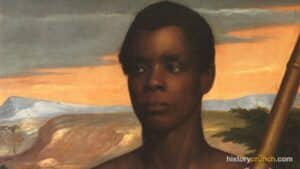
The largest colonial rebellion was the Stono Rebellion, which broke out in the colony of South Carolina in 1739. Led by an enslaved man named Jemmy, also known as Cato, a group of enslaved people seized weapons and marched south, hoping to reach Spanish Florida, where they believed they could gain their freedom. More than 100 enslaved people took part before the local militia caught and defeated them, and roughly 25 white colonists and around 50 enslaved people were killed in the fighting.
In response to the Stono Rebellion, South Carolina passed strict new laws designed to control enslaved people. For instance, these laws limited the ability of enslaved people to gather, to learn to read, and to move about freely. This pattern, in which a rebellion was followed by harsher laws, would repeat itself again and again throughout the history of slavery.
Who Led the Major Slave Rebellions?
Several rebellions and plots became especially famous because of the leaders who organized them. In the summer of 1800, an enslaved blacksmith named Gabriel planned a large uprising near Richmond, Virginia. Gabriel could read and write, and he traveled the county for his work, which allowed him to recruit many followers into a plan to seize weapons and demand an end to slavery. However, a heavy rainstorm washed out roads on the night of the revolt, and the plot was betrayed before it could begin, leading to the hanging of Gabriel and dozens of his followers.
In 1811, the largest slave revolt in United States history broke out along the German Coast of Louisiana, a stretch of sugar plantations upriver from New Orleans. It was led by Charles Deslondes, and as many as several hundred enslaved people joined the march toward the city. The rebels were inspired in part by the successful Haitian Revolution, in which enslaved people in the Caribbean had overthrown their French masters, but the Louisiana uprising was crushed by militia and troops, and the leaders were killed.
Another famous plot was organized in 1822 by Denmark Vesey, a free Black carpenter in Charleston, South Carolina, who had purchased his own freedom after winning a lottery. Vesey planned an enormous uprising that, according to some accounts, was meant to involve thousands of enslaved and free Black people. The conspiracy was betrayed before it could take place, and Vesey and dozens of others were arrested and executed.
What Was Nat Turner’s Rebellion?
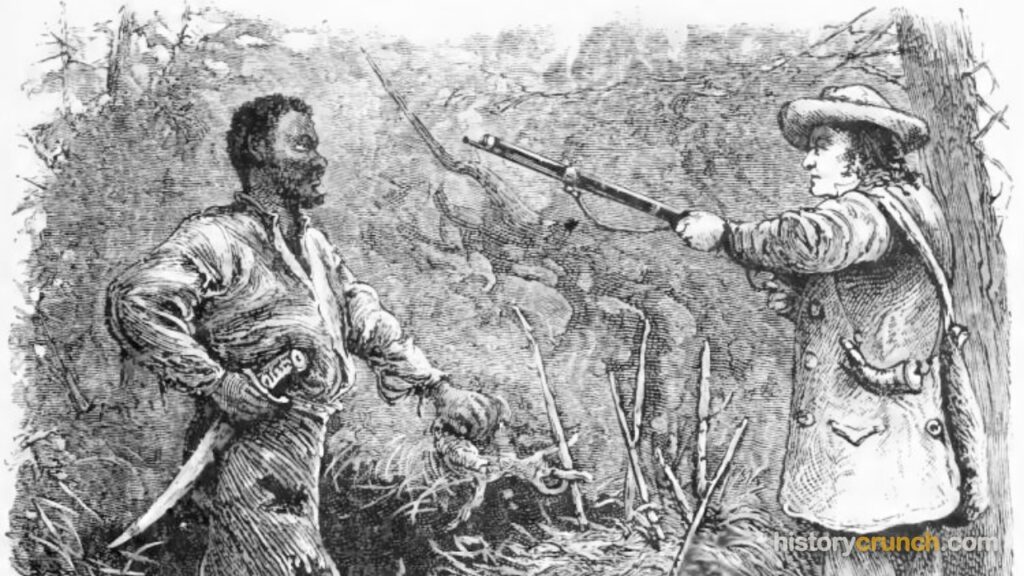
The most famous slave rebellion in United States history was led by Nat Turner in 1831. Nat Turner was an enslaved man in Southampton County, Virginia, who had learned to read and became a deeply religious preacher. In fact, he believed he had received visions from God commanding him to lead his people out of slavery, and he waited for signs in nature before deciding the time had come to act.
In August of 1831, Turner and a small band of followers began the revolt by killing the family that held him in bondage. From there, the group moved from house to house, and its numbers grew to around 70 enslaved people. Over roughly two days, the rebels killed nearly 60 white men, women, and children before armed militias stopped the uprising. You can read more in the detailed HistoryCrunch summary at https://www.historycrunch.com/nat-turners-slave-rebellion.html.
The response to Turner’s rebellion was swift and brutal. Turner himself hid for about six weeks before he was captured, tried, and hanged, and dozens of other people accused of taking part were executed as well. In addition, angry mobs and militias killed roughly 200 more Black people in the aftermath, many of whom had nothing to do with the revolt.
How Did White Society Respond to Slave Rebellions?
White society in the South responded to slave rebellions with fear, violence, and harsher laws. After each major uprising or plot, Southern lawmakers passed new rules, often called slave codes, to tighten control over enslaved people. More specifically, these laws frequently made it illegal to teach enslaved people to read, restricted their ability to gather in groups, and limited the movement and worship of both enslaved and free Black people.
Nat Turner’s rebellion had an especially powerful effect. In Virginia, some lawmakers briefly debated whether the state should move toward gradually ending slavery, but this effort failed. After that debate, white Southerners largely stopped considering any alternative to slavery and instead built a strong defense of the system that shaped Southern politics, religion, and law for decades.
At the same time, rebellions strengthened the arguments of abolitionists in the North. Abolitionists pointed to the uprisings as proof that enslaved people hated slavery and were willing to risk their lives for freedom. In this way, slave rebellions deepened the divide between the North and the South over the issue of slavery.
Significance of Slave Rebellions in the United States
Slave rebellions in the United States were significant because they destroyed the myth that enslaved people were content with their lives. In reality, the revolts and plots proved that enslaved people were willing to fight, and even die, in order to gain their freedom. This truth challenged the entire idea on which slavery rested and gave abolitionists a powerful argument against the system.
The rebellions also had lasting effects on Southern society and law. As stated above, each major uprising was followed by harsher slave codes and by a growing determination among slaveholders to defend the institution at all costs. As a result, the South grew more rigid and more united in support of slavery in the decades leading up to the Civil War.
Finally, slave rebellions are significant because they form an important part of the overall story of slavery and freedom in the United States. The bravery of leaders such as Gabriel, Denmark Vesey, and Nat Turner inspired later generations who continued the fight against slavery and, eventually, against racial injustice. In this way, these uprisings helped shape the long struggle that ended with the abolition of slavery through the Thirteenth Amendment in 1865.
Frequently Asked Questions
What Was the Largest Slave Rebellion in United States History?
The largest slave rebellion in United States history was the German Coast Uprising of 1811 in Louisiana. As many as several hundred enslaved people joined the march toward New Orleans before militia and troops crushed the revolt. It is sometimes confused with the Stono Rebellion, which was the largest uprising in the colonial period before the country gained its independence.
Why Did Most Slave Rebellions Fail?
Most slave rebellions failed because enslaved people faced overwhelming odds. They usually lacked the weapons, training, and numbers needed to defeat organized white militias and government troops. In addition, many plots were betrayed by informers before they could begin, which gave authorities time to prepare and arrest the leaders.
How Did the Haitian Revolution Influence Slave Rebellions in the United States?
The Haitian Revolution inspired many enslaved people in the United States by proving that a slave uprising could actually succeed. In Haiti, enslaved people overthrew their French masters and created the first nation to arise from a slave revolt. News of this victory spread across the Americas and encouraged leaders such as Charles Deslondes and Denmark Vesey, while it also increased the fears of American slaveholders.
What Were Slave Codes?
Slave codes were laws designed to control enslaved people and to prevent rebellion. These laws often made it illegal to teach enslaved people to read or write, restricted their ability to gather in groups, and limited their movement and religious worship. Southern lawmakers frequently passed stricter slave codes after major uprisings such as the Stono Rebellion and Nat Turner’s rebellion.
Were There Rebellions on Slave Ships?
Yes, enslaved people also rebelled aboard slave ships. One famous example took place in 1839 aboard the Amistad, when captive Africans took control of the ship and later won their freedom in a case that reached the United States Supreme Court. A similar revolt occurred in 1841 aboard the Creole, a ship carrying enslaved people along the American coast, and it ended with many of them gaining their freedom.
Cite This Article
To cite this article as a source, use one of the formats below.
MLA: Millar, B. “Slave Rebellions in the United States: A Detailed Summary.” HistoryCrunch, 16 August 2026, https://historycrunch.com/slave-rebellions-in-the-united-states/.
APA: Millar, B. (2026). Slave Rebellions in the United States: A Detailed Summary. HistoryCrunch. https://historycrunch.com/slave-rebellions-in-the-united-states/
Chicago: Millar, B. “Slave Rebellions in the United States: A Detailed Summary.” HistoryCrunch. August 16, 2026. https://historycrunch.com/slave-rebellions-in-the-united-states/
Sources
- Peter Kolchin, American Slavery, 1619-1877.
- Documenting the American South (UNC)