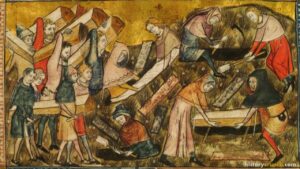
The significance of the Black Death is important in the context of Western history. Today historians consider it to be of importance due to the impact it had on the world and how it shaped societies across Europe and Asia at the time. As well, its significance as an example of a pandemicAn infectious disease that spreads across many countries or the entire world, affecting large numbers of people at the same time. is still relevant today and is a reminder to the world of the potential for widespread and devastating infectious diseases. A pandemic is an infectious disease that impacts people across a wide area, including the entire planet.
 FactsthatCrunch
A pandemic is a disease outbreak that spreads across many countries or the entire world, affecting large numbers of people at the same time. A pandemic is different from a local outbreak because it crosses borders and reaches populations far from where it started. The Black Death of the 14th century CE is one of the most studied pandemics in history, killing millions of people across Asia, Europe, and North Africa.
"When the Black Death moved from Central Asia into Europe in 1347 CE, it became a pandemic because it spread through nearly every region of the known world within just a few years."
Medical Advancements
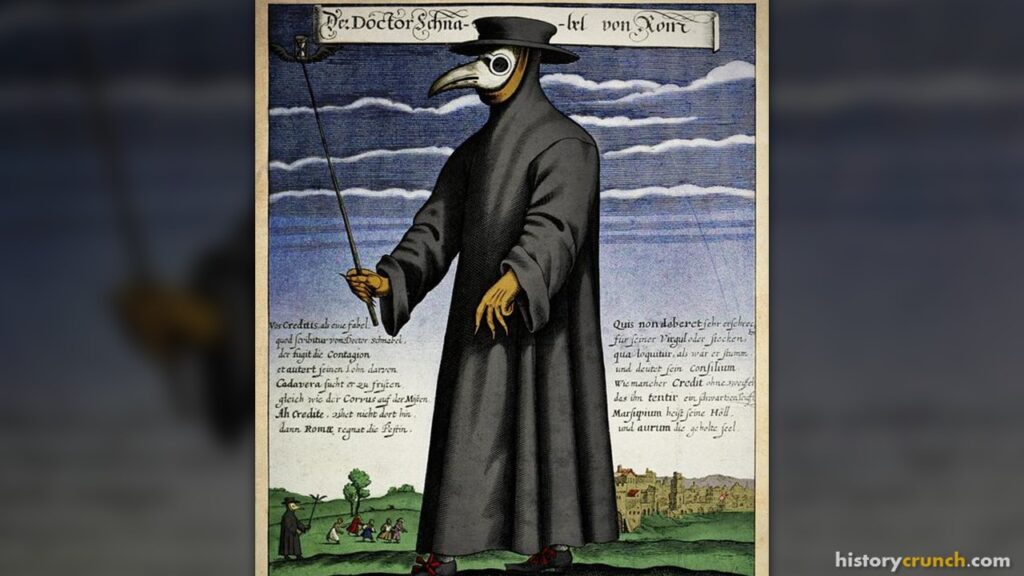
The Black Death is the term that historians use to describe the spread of the bubonic plagueThe specific infectious disease that historians call the Black Death, spread by fleas found on rodents.. It is believed that the plague first began in Central Asia and spread to Europe through vast trade routesPaths used by merchants to move goods between regions, such as the Silk Road connecting Asia and Europe. such as the Silk Road. Historians studying the spread of the plague discovered that the disease was spread by fleas that are commonly found on rodents such as rats and mice. As such, it is now understood that the plague spread via trade routes as the rodents traveled in caravansGroups of travelers or merchants journeying together across land, often carrying goods and, unknowingly, infected rodents. and on merchant ships. This is important to understand because it helped modern societies understand the way that infectious diseases spread and led to important medical advancements.
 FactsthatCrunch
The flea-rodent transmission cycle carried plague bacteria from Central Asia to European ports along trade routes, infecting new human populations at each stop.
Death Tolls
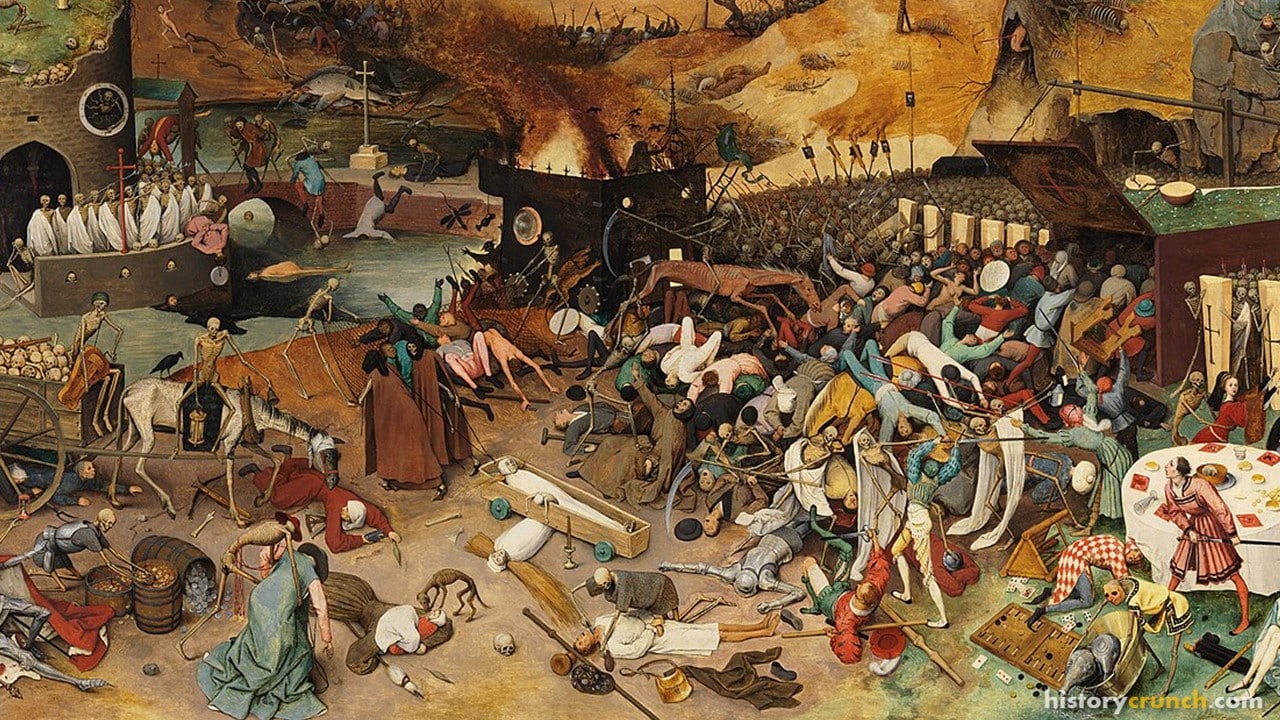
Another example of the significance of the Black Death was the reported death tolls that resulted. While the total number of deaths is a debated topic, they are nonetheless massive with some suggesting that it resulted in the deaths of between 75 and 200 million people in Europe and Asia. These high numbers suggest that between 30% and 60% of people died due to the infectious disease. The high number of deaths had a dramatic effect on the world’s population at the time and shows the ability of diseases to spread widely in society.
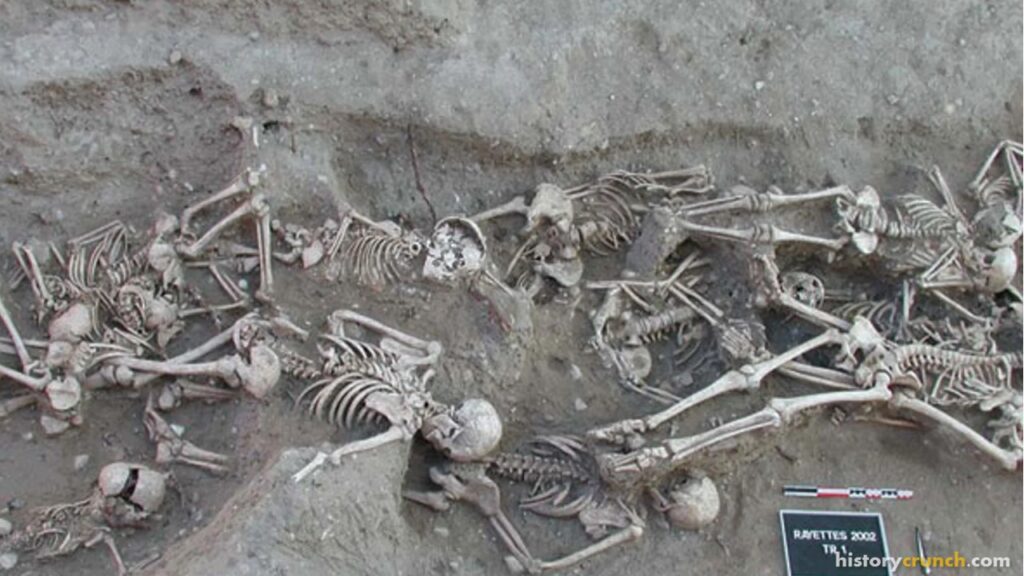
The Black Death swept through Europe and Asia in the mid-1300s. What share of Europe's population did it kill?
Hygiene Improvements
The next significance of the Black Death was the knowledge that modern societies have learned about preventing and stopping the spread of pandemics. First, hygiene played a crucial role in the spread of the disease. Europe in the Middle Ages lacked the modern conveniences of sanitationSystems that safely remove human waste and keep environments clean, preventing disease from spreading. and running water. Instead, human filth was often just dumped in the street. This situation caused rodents such as rats and mice to flourish which helped spread the fleas that carried the plague with them. As such, crowded cities and towns were often havensPlaces where something unwanted, like rodents carrying disease, could thrive and grow in number. for the plague since it attracted rodents that were drawn to human activity. As such, modern societies have developed sanitation systems which have greatly reduced the ability of such diseases to spread so easily. This increased level of hygiene also extended to modern medical practices as people learned the importance of regular hand-washing and bathing.
Economic Impacts
Finally, the Black Death was significant because of the many impacts it had on the world at the time. The first main impact of the Black Death was the sheer number of people that died. Historians agree that Europe’s population dropped by half in the first several decades of the Black Death, and this had a huge impact on social and family life for communities throughout Europe. The second major impact of the Black Death was the economic loss or effect that resulted from the spread of the plague. As stated in the previous paragraph, the spread of the plague caused people to avoid crowded areas. As such, marketplaces and trade in general suffered.
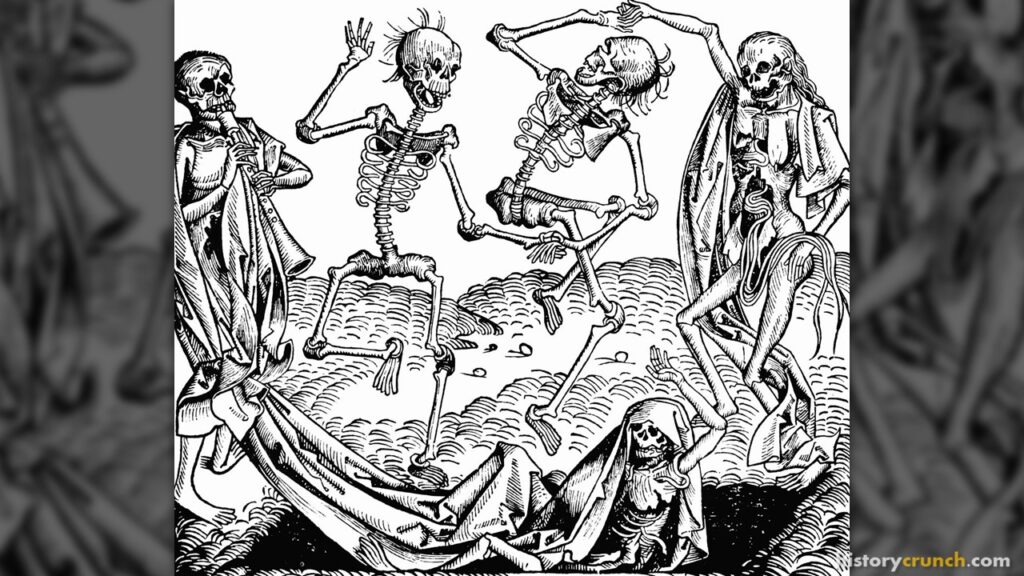
In all, the Black Death was an important event that fundamentally changed life for people across Europe and Asia. It was caused by the spread of the bubonic plague and caused massive death tolls wherever it occurred. It is remembered today as one of the most important pandemics in all of human history and for its role in other major events and time periods, such as: the Silk RoadA vast trade route connecting Asia and Europe along which rodents in caravans carried plague-infected fleas., the Middle Ages and the Renaissance.
FactsthatCrunchBlack Death timeline · 1347 – 1351 CE
Key Vocabulary
Pandemic
Bubonic plague
Silk Road
Caravans
Sanitation
Havens
Frequently Asked Questions
What caused the Black Death?
The Black Death was caused by the bubonic plague, a disease spread by fleas that lived on rodents like rats and mice. The plague likely started in Central Asia and traveled to Europe along trade routes such as the Silk Road. Rodents rode along in caravans and on merchant ships, carrying the infected fleas with them.
How many people died during the Black Death?
Estimates suggest the Black Death killed between 75 and 200 million people across Europe and Asia. That means roughly 30 to 60 percent of the population died from the disease. Europe alone is thought to have lost about half of its people in the first few decades.
How did poor hygiene help spread the plague?
Medieval Europe had no running water or sewer systems, so human waste was often dumped right into the streets. These filthy conditions drew rats and mice, which carried the fleas that spread the plague. Crowded cities and towns became especially dangerous because they attracted so many rodents.
How did the Black Death affect the economy?
The Black Death badly damaged trade because people avoided the crowded areas where the disease spread easily. Marketplaces suffered, and business across Europe slowed sharply. With so many workers dead, those who survived could often demand better pay, which slowly weakened the old feudal system.
Why is the Black Death still important today?
The Black Death stands as one of history’s most studied pandemics and still shapes how people understand disease. Studying it helped later societies learn how infections spread and why sanitation matters so much. That knowledge led to sewer systems, cleaner water, and habits like regular hand-washing and bathing.
Cite This Article
To cite this article as a source, use one of the formats below.
MLA: Beck, Elias. “Significance of the Black Death: A Detailed Summary.” HistoryCrunch, 15 September 2026, https://historycrunch.com/significance-of-the-black-death/.
APA: Beck, E. (2026). Significance of the Black Death: A Detailed Summary. HistoryCrunch. https://historycrunch.com/significance-of-the-black-death/
Chicago: Beck, Elias. “Significance of the Black Death: A Detailed Summary.” HistoryCrunch. September 15, 2026. https://historycrunch.com/significance-of-the-black-death/
Sources
- John Aberth, The Black Death (Bedford brief history with documents).
- Jerry Bentley & Herbert Ziegler, Traditions & Encounters: A Global Perspective on the Past.
- Ole J. Benedictow, The Black Death 1346-1353: The Complete History.