British Imperialism in India stands as one of the most important examples of European colonial rule in all of world history, and its effects continue to shape the modern nations of India, Pakistan, and Bangladesh. The topic belongs to the larger Age of Imperialism, a period during which powerful European nations spread their influence across Africa and Asia. Britain’s control over India began through a trading company and later grew into direct rule by the British government under a system known as the British Raj. Because India was so valuable, it was often called the “Jewel in the Crown” of the British Empire, and the story of how Britain gained, held, and eventually lost India helps explain much about the wider world of the 1800s and 1900s.
Imperialism is a term that describes when one country extends its political, economic, or cultural authority over another country or region. This process usually involves the stronger country taking control of the weaker one through direct invasion and political rule, or by gaining power over the economy of the other country. In the case of India, Britain used both of these methods over the course of nearly two centuries.
What Was the Age of Imperialism?
The Age of Imperialism was a period from roughly the middle of the 18th century until the early years of the 20th century, during which the major powers of the time expanded their empires throughout the world. These powers included Britain, France, Germany, Spain, Portugal, Belgium, Japan, and the United States. More specifically, these nations conquered and took control over vast regions of the world, especially in Africa and Asia.
Britain played one of the most significant roles during the Age of Imperialism. In fact, the British Empire expanded the most at the time and came to be the largest empire in the world. Throughout this period, Britain gained influence in many regions, including India, South Africa, Egypt, Australia, and Canada. Of all these territories, India was among the most valuable, which is why British rule there is such an important topic in world history.
How Did Britain First Gain Control of India?
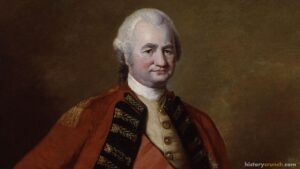
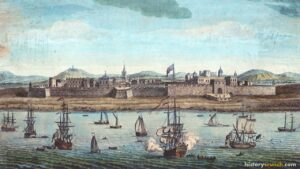
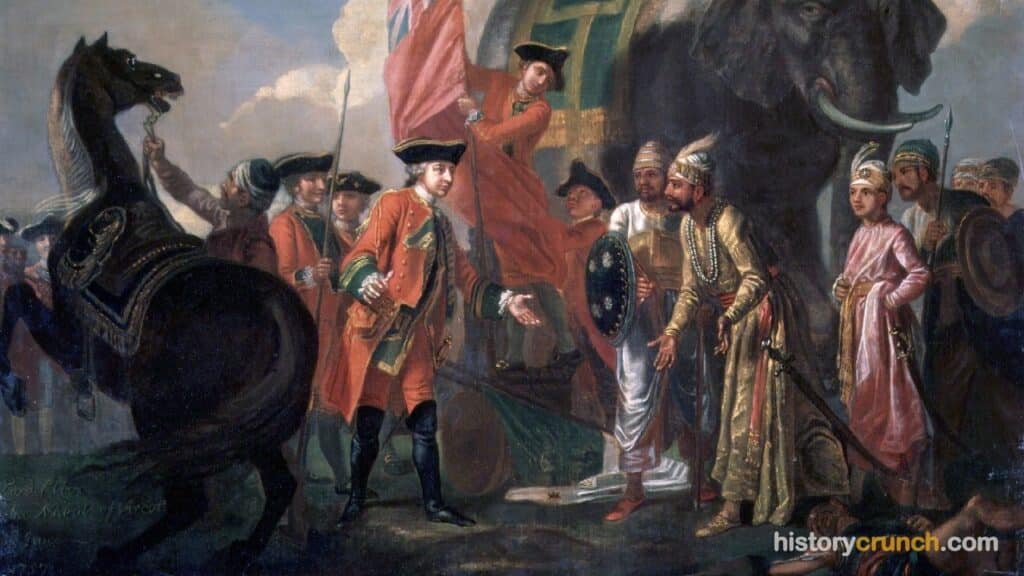
Britain’s involvement in India began through the British East India Company, a powerful trading organization that slowly expanded its political and military control over the Indian subcontinent from the 1600s onward. The company started as a business that traded in goods such as cotton, silk, tea, and spices. Over time, however, it built its own private army and used it to take advantage of India’s divided and declining Mughal Empire.
By the 1700s, the British East India Company controlled large parts of India and ruled them almost like a government. This continued until 1857, when a major uprising changed the course of Indian history. The event became known as the Sepoy Rebellion, and it marked a turning point in the relationship between Britain and India.
What Was the British Raj?
The term “British Raj” refers to the time period in which Britain ruled over India as a colony of the British Empire. The word “raj” translates to “rule” in the languages of northern India. This period is generally considered to have lasted from 1858 until 1947, and it is central to understanding the overall time of British Imperialism in India.
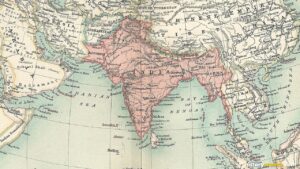
The British Raj began after the Sepoy Rebellion, which was an uprising of Indian soldiers and citizens against the British East India Company. Following this rebellion, the British government dissolved the company in 1858 and took over administrative power itself. From that point on, Britain ruled India directly as a colony. At its height, the British Raj controlled almost all of modern-day India, Pakistan, and Bangladesh, making it one of the largest and most important colonies in the entire British Empire.
Why Was India So Valuable to Britain?
In general, British imperialism in India was driven by economic interests. India was so valuable to Britain economically that it earned the nickname the “Jewel in the Crown.” This was because India served two important functions for industrial England during the time of the Industrial Revolution.
First, Britain viewed India as a source of raw materials that could be used to fuel the factories back in England. At the time, India’s economy was largely centered around agriculture, and these goods were then exported to England. The most common of these agricultural resources included jute, cotton, sugar, tea, coffee, and wheat. In fact, the British passed laws that forced Indian farmers to grow crops for use in English factories instead of producing food crops for themselves, which is one of the most controversial parts of British rule.
Second, India served as a large market where Britain could sell the manufactured goods produced in its factories. British-made cloth, iron, steel, and machinery were sold to millions of people in India. In reality, this system was designed to benefit the British Empire, and it often harmed local Indian industries such as textile production, which struggled to compete with cheaper factory-made British goods.
What Were the Impacts of British Imperialism in India?
Historians have long debated the impact of British imperialism in India and have developed a series of arguments about both the positive and negative aspects of British rule. These impacts are based on economic, social, and political factors, and understanding both sides helps explain why the topic remains so important today.
On the positive side, some historians point to the infrastructure that Britain built across India. For instance, Britain developed many canals, roads, and railways throughout the country. During the time of the British Raj, India developed the fourth largest rail network on the planet with the help of British engineering. This infrastructure benefitted India because it allowed for better transportation of goods and people across a very large country. In addition, the British established schools and a legal system, and these schools trained Indian doctors and nurses, which helped improve health standards.
Alternatively, many historians also point to the negative impacts of British rule. As stated above, British economic policies were often repressive and benefitted the British Empire over the people of India. For instance, almost all of the upper positions in the government and military were held exclusively by British officials, which left Indians with little power in their own country. The forced growing of cash crops instead of food crops also contributed to terrible famines that killed millions of people. As a result, most modern historians agree that even the improvements made under British rule were built mainly to serve British interests rather than to help the people of India.
How Did British Rule in India Come to an End?
Over time, many Indians began to resist British rule and call for independence. This effort became known as the Indian Independence Movement, and it led to the creation of the Indian National Congress in 1885. The initial goal of the Indian National Congress was to promote Indian nationalism and to give a voice to those who wanted an end to British imperialism in India. The Indian idea of self-government during this time is often called swaraj.
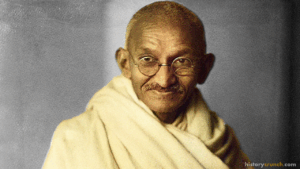
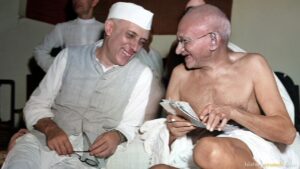
Mahatma Gandhi is one of the most important figures in India’s history and played a vital role in both the Indian Independence Movement and the Indian National Congress. The movement expanded in 1915 when Gandhi returned to India following his time in South Africa, where he had led a nationalist movement calling for better treatment of Indians. He became a leader of the Indian National Congress in 1920 and organized many protests calling for an end to British rule, most of which were based on his philosophy of nonviolent resistance.
One of the most famous of these protests was the Salt March of 1930, in which Gandhi and thousands of followers marched to the sea to make their own salt in protest of a British tax. This act of civil disobedience drew worldwide attention to India’s struggle for freedom. In the years that followed, pressure on Britain grew steadily, and after the hardships of World War II, Britain finally agreed to leave India in 1947.
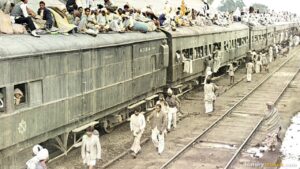
At this point, India faced an internal crisis based on religious divisions. Many people were calling for India to be divided along religious lines, with some wanting an area only for Hindus and others wanting an area only for Muslims. As a result, with British approval, India was partitioned in 1947 into the nations of Pakistan and India. With this act, British imperial rule in India came to an end, and India had gained its independence.
Significance of Significance of British Imperialism in India
The significance of British Imperialism in India can be seen in the way it reshaped an entire region of the world and set an example of both the power and the problems of European colonial rule. For nearly two centuries, one of the largest and oldest civilizations on Earth was governed by a distant island nation, and this relationship changed the lives of hundreds of millions of people. As one of the most important colonies in the British Empire, India shows clearly why the Age of Imperialism was such a major event in world history.
British rule left behind lasting effects that are still visible today. The railways, roads, and legal systems built during the Raj remain part of modern India, and the English language is still widely spoken. At the same time, the economic exploitation, famines, and unequal treatment of Indians reveal the harmful side of imperialism and help explain why so many people fought so hard for independence.
Finally, the end of British rule in India was one of the most important moments in the overall movement toward decolonization that followed World War II. India’s independence in 1947 inspired other colonies around the world to seek their own freedom. The peaceful methods used by leaders like Mahatma Gandhi also influenced later movements for civil rights and justice across the globe, which makes the study of British Imperialism in India important far beyond the borders of India itself.
Frequently Asked Questions
When Did British Rule in India Begin and End?
Direct British rule over India, known as the British Raj, lasted from 1858 until 1947. However, British influence in India began much earlier through the British East India Company, which controlled parts of the country from the 1600s and 1700s. The transfer from company rule to government rule happened after the Sepoy Rebellion, and independence came almost 90 years later.
Why Was India Called the Jewel in the Crown?
India was called the “Jewel in the Crown” because it was the most valuable colony in the entire British Empire. Its huge population provided a large market for British goods, and its farms and resources supplied raw materials for British factories. The wealth that Britain gained from India helped make it the richest and most powerful empire of its time.
What Was the Sepoy Rebellion?
The Sepoy Rebellion was an 1857 uprising of Indian soldiers and citizens against the British East India Company. The soldiers, called sepoys, were Indians who served in the company’s army, and their revolt spread into a wider rebellion against British control. Although the uprising was put down, it led the British government to dissolve the company in 1858 and take direct control of India.
Who Was Mahatma Gandhi?
Mahatma Gandhi was one of the most important leaders of the Indian Independence Movement and a central figure in the Indian National Congress. He is best known for his belief in nonviolent resistance, which he used to organize protests such as the famous Salt March of 1930. His peaceful methods helped India gain independence and later inspired civil rights movements around the world.
Why Was India Divided in 1947?
India was divided in 1947 because of deep religious tensions between different groups within the country. Many Muslims wanted a separate nation, while many Hindus and Sikhs wanted their own homeland, and these divisions made a single united country difficult to maintain. As a result, the region was partitioned into the two nations of India and Pakistan at the moment of independence.
Cite This Article
To cite this article as a source, use one of the formats below.
MLA: Millar, B. “Significance of British Imperialism in India: A Detailed Summary.” HistoryCrunch, 14 August 2026, https://historycrunch.com/significance-of-british-imperialism-in-india/.
APA: Millar, B. (2026). Significance of British Imperialism in India: A Detailed Summary. HistoryCrunch. https://historycrunch.com/significance-of-british-imperialism-in-india/
Chicago: Millar, B. “Significance of British Imperialism in India: A Detailed Summary.” HistoryCrunch. August 14, 2026. https://historycrunch.com/significance-of-british-imperialism-in-india/
Sources
- John Keay, India: A History.
- UK National Archives
- Barbara & Thomas Metcalf, A Concise History of Modern India.