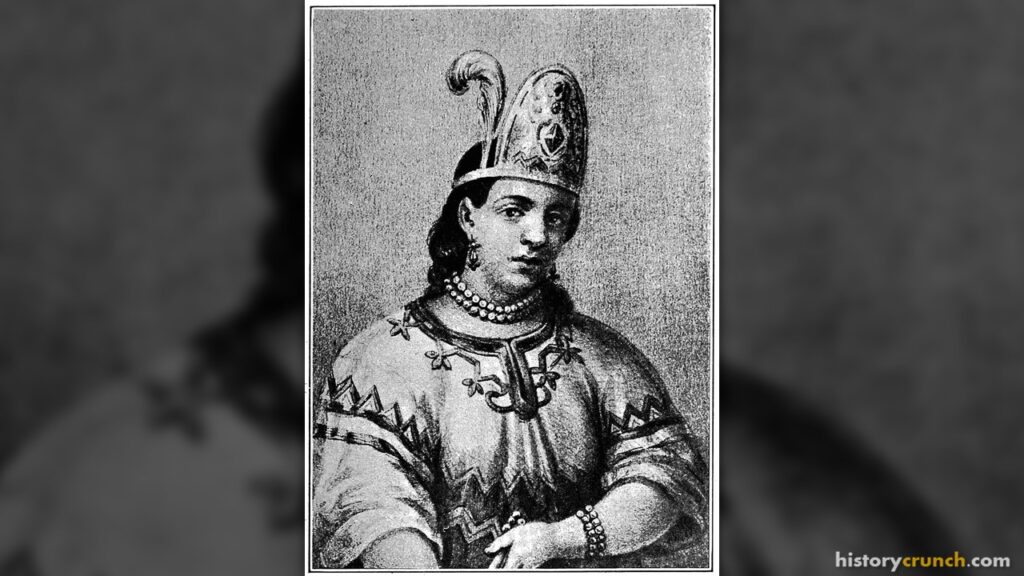
La Malinche was a Mesoamerican woman who assisted and acted as an interpreter for the Spanish conquistadors, under the command of Hernán Cortes, when they carried out their conquest of the Aztec Empire in the early part of the 16th century.
LA MALINCHE – EARLY LIFE
Little is known about her early life, but historians believe that she was likely born sometime between 1496 and 1501 in the area east of the Aztec Empire. It is believed that her father died when she was very young, which led to her being given away to another Mesoamerica group as a slave. For instance, by the arrival of the Spanish in 1519, she was a member of the Tabasco people, but she did not originate with them.
LA MALINCHE – SPANISH CONQUEST OF THE AZTEC EMPIRE
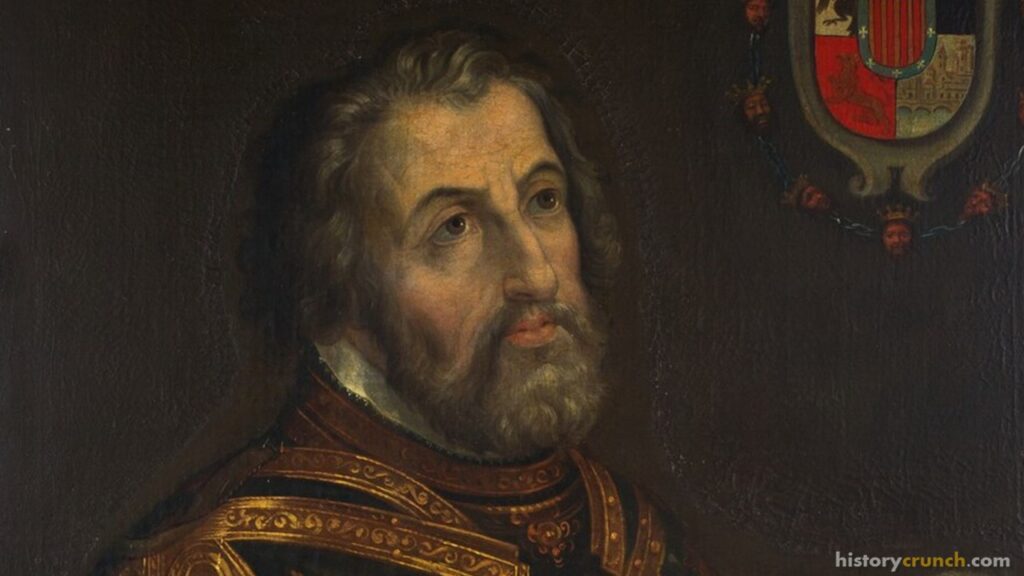
La Malinche first met the Spanish conquistadors in April of 1519 when they arrived on the shores of the Yucatan Peninsula on the Gulf Coast. At the time, she was likely in her teens or early twenties and a slave for the Tabasco people. However, when the Spanish arrived they quickly defeated the Tabasco people in battle and as a form of payment received 20 slaves, of which La Malinche was one. The leader of the Spanish expedition, Hernán Cortes, recognized her usefulness right away since she was able to speak both Nahuatl (the language of the Aztecs) and Mayan (the main language of the people living in and around the Yucatan Peninsula). From that point on she acted as an important advisor and interpreter for Hernán Cortes and the Spanish conquistadors as they made their way through central Mexico and the Aztec territory. More specifically, Hernan Cortés and his men encountered other Mesoamerican peoples living in the area of Central Mexico as they travelled towards the Aztec capital of Tenochtitlan. For example, they came into contact with the Tlaxcala, which was a powerful city-state to the east of Tenochtitlan. Tlaxcala were traditional enemies of the Aztec as the two had fought each in different battles including the Flower Wars. As such, the Tlaxcala used the opportunity to their advantage and allied themselves with the Spanish against Tenochtitlan. La Malinche helped the Spanish by informing them of the rivalry and assisting with interpreting an alliance between the Spanish and Tlaxcala. Due to her role in assisting the Spanish she gained a few different names, that she is also sometimes known as. For instance, to the Spanish she was known as Marina, and to other indigenous people of Central Mexico she was called Malintzin.
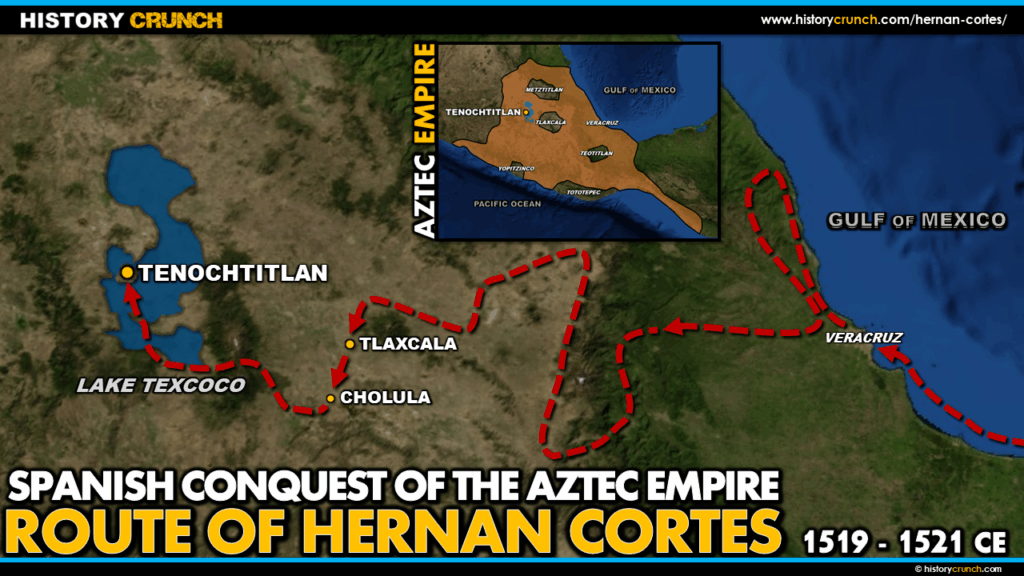
Based on historical accounts, La Malinche assisted the Spanish in another way when she informed the Spanish of a planned attack against them by the Cholula people who were loyal with the Aztec. Supposedly, she informed Hernan Cortés to the danger. Cortés responded by using the information to attack the Cholulans. Actions such as this solidified her position with the Spanish conquistadors, but created a complex dynamic for her by the different indigenous peoples of central Mexico. For instance, some consider her to be a traitor to her own people for her role in assisting the Spanish to overthrow the Aztec and other Mesoamerican peoples.
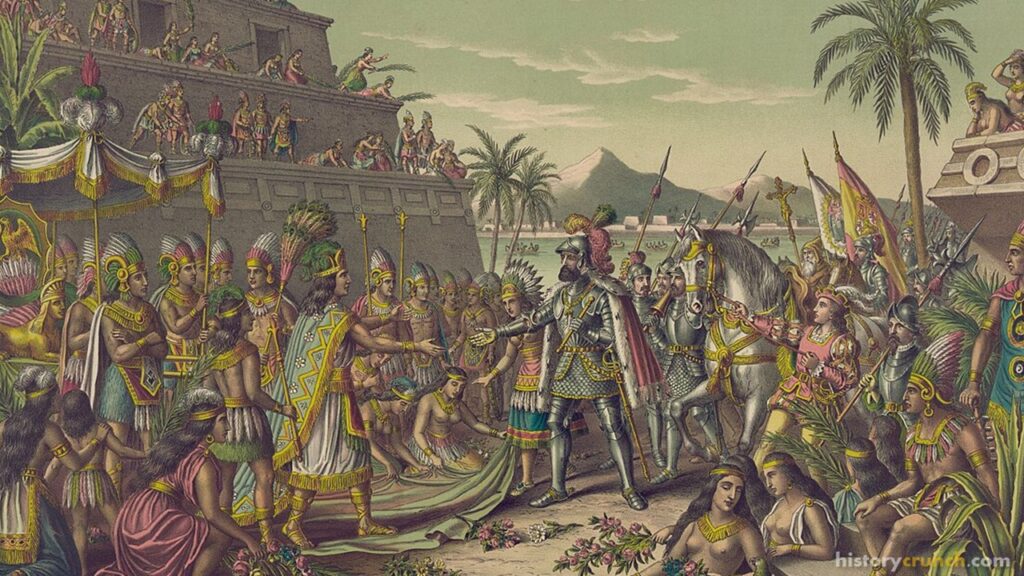
La Malinche’s role increased in importance when the Spanish arrived at Tenochtitlan and the meeting of Hernán Cortes and Moctezuma II of the Aztec took place. Cortés and the Spanish arrived at the city of Tenochtitlan in November of 1519. While they were accompanied by their new allies, the Tlaxcala, only Cortés and the Spanish were invited into the city. Again, La Malinche assisted the Spanish by interpreting and helping the Spanish to understand local alliances and rivalries.
LA MALINCHE – DEATH AND SIGNIFICANCE
After the Spanish conquest of Tenochtitlan, La Malinche gave birth to a son, Martín Cortés, in 1522, who had been fathered by Hernan Cortés. Sometime around 1524-1526, La Malinche joined Hernan Cortés on a mission to modern-day Honduras where she again acted as an interpreter. Later, she married Juan Jaramillo, a Spanish hidalgo. However, little is known about her later years and death. In fact, some historians believe that she died soon after the Spanish conquest of Tenochtitlan in the late 1520s, whereas other believe that she lived well into the 1550s.
Regardless, La Malinche is a significant figure in Mesoamerican history due to her role in the Spanish conquest. However, this has also made her a controversial figure in Mexico today. Some consider her an important part of Mesoamerican history that should be recognized and honored, whereas others view her as a traitor who turned against her own people.