The end of slavery in the United States stands as one of the most important turning points in American history. It marked the moment when the country legally abolished the practice of holding human beings in bondage, a system that had existed on American soil for well over two centuries. The end of slavery did not happen with a single event or on a single day. Instead, it was the result of a long struggle that included the growth of the American Abolitionist Movement, the fighting of the American Civil War, the Emancipation Proclamation, and finally the ratification of the Thirteenth Amendment to the United States Constitution.
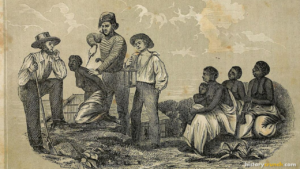
Slavery, sometimes called the institution of slavery, was a system in which enslaved people were treated as property that could be bought, sold, and forced to work without pay or freedom. In the United States, most enslaved people were of African descent and had been brought to the country through the Atlantic Slave Trade or were the children and grandchildren of those who had been transported. The end of slavery meant that this system was declared illegal everywhere in the country and in every territory under its control.
What Was the Antebellum Period?
The end of slavery belongs to a wider era of American history known as the Antebellum Period. This was the timeframe in the decades before the American Civil War, roughly from the early 1800s until 1861. During this time, the Southern states developed their economy around the practice of slavery and grew stronger within the American political system. Enslaved labor was used heavily on large farms called plantations, which produced cash crops such as cotton, tobacco, sugar, and rice.
In fact, slavery in the United States existed from the period of Colonial America in the early 17th century until the events of the American Civil War, which lasted from 1861 until 1865. While the Southern states relied on slavery, the Northern states slowly moved away from it. By the early 1800s, states in the North had either ended slavery entirely or created ways for enslaved people to gain their freedom over time. This growing difference between the two regions created deep tensions that would eventually help spark a war.
Who Were the Abolitionists?
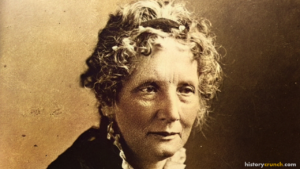
The American Abolitionist Movement was the name for the efforts made in the United States toward ending the practice of slavery. It is considered to have lasted from the late 1700s until 1865, when the American government finally abolished slavery. The people who took part in this movement were called abolitionists, and they believed that slavery was a moral wrong that had to be ended.
Early opposition to slavery in America first came from devout religious groups, especially the Quakers. The Quakers were a Protestant group of Christians who objected to slavery on spiritual grounds. Over time, the movement grew to include many different kinds of reformers, both Black and white, and both men and women. Some abolitionists wanted slavery to end gradually, while others demanded that it end immediately.
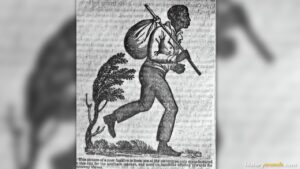
Famous abolitionists worked in many different ways to fight against slavery. For instance, some published newspapers and books, some gave powerful speeches, and others helped enslaved people escape to freedom in the North or in Canada. Formerly enslaved people who had won their own freedom often became leading voices in the movement, sharing their firsthand experiences to convince others that slavery had to end.
How Did the Civil War Lead to the End of Slavery?
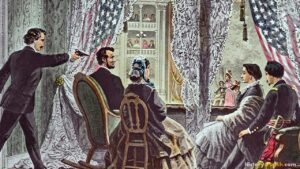
At its heart, the American Civil War was the result of growing tensions between the Northern states and the Southern states over several issues, including slavery. In November of 1860, Abraham Lincoln was elected President of the United States. Lincoln and his Republican Party did not, at first, aim to abolish slavery everywhere. Instead, they mainly wanted to stop the spread of slavery into new western territories and states.
This position was unacceptable to many Southern leaders, who worried that a growing number of free states would turn the national government against them. As a result, several Southern states chose to secede, or break away, from the United States and form their own government called the Confederate States of America. This split led directly to the outbreak of the American Civil War in 1861.
When the war began, President Lincoln’s main goal was to preserve the Union, not to end slavery right away. As the war continued, however, ending slavery became a central purpose of the Northern cause. In reality, the war and slavery became so closely tied together that a Union victory would come to mean the end of slavery in the United States.
What Was the Emancipation Proclamation?
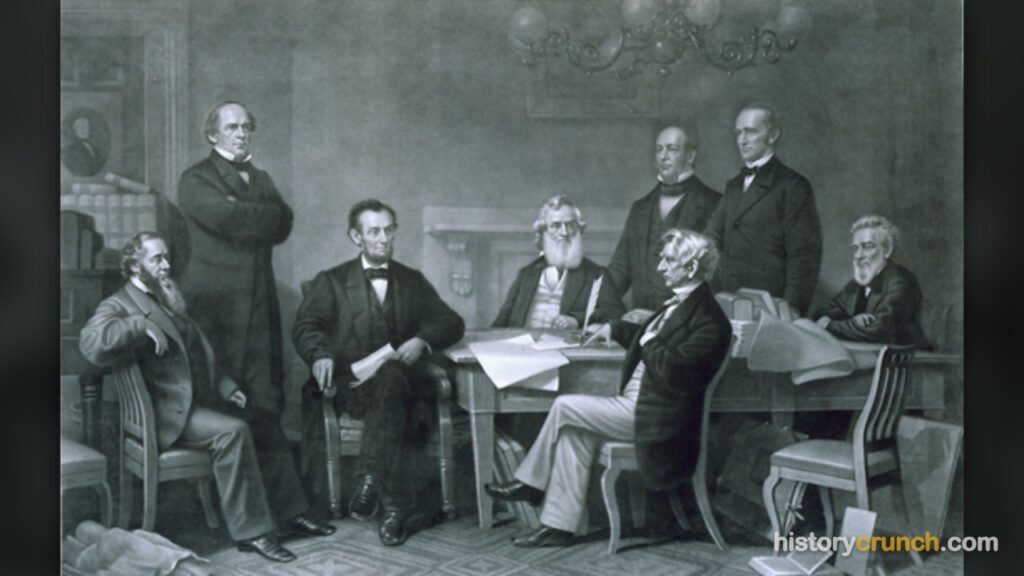
The Emancipation Proclamation was an executive order issued by President Abraham Lincoln regarding the issue of slavery in the Confederate States. Lincoln first announced it on September 22nd, 1862, and it took effect on January 1st of 1863, in the middle of the American Civil War. The order declared that all enslaved people held in the Confederate States were free.
While the proclamation used powerful and sweeping words, it was limited in important ways. More specifically, it applied only to the states that had seceded from the Union, and it did not free enslaved people in the border states that had stayed loyal to the North. Because the Confederate government did not follow Lincoln’s orders, the freedom the proclamation promised depended on the Union Army winning the war and reaching those areas. Even so, it gave freedom to enslaved people who were able to reach Union lines, and every advance of Northern troops expanded the reach of that freedom.
The Emancipation Proclamation also changed the meaning of the war itself. As stated above, it turned the Civil War from a fight only to preserve the Union into a struggle that also aimed to end slavery. In addition, it allowed Black men to join the Union Army and Navy. By the end of the war, nearly 200,000 Black soldiers and sailors had fought for the Union and for freedom.
How Did the Thirteenth Amendment End Slavery?
Although the Emancipation Proclamation was a major step, it did not fully end slavery across the entire country. To make the end of slavery permanent and national, the United States government needed to change the Constitution itself. This change came in the form of the Thirteenth Amendment to the United States Constitution.
The process of passing the amendment took time and effort. The Senate passed the amendment on April 8th of 1864, but the House of Representatives at first fell short of the two-thirds majority needed to approve it. After further debate, the House finally passed the amendment on January 31st of 1865, and President Lincoln signed the joint resolution the next day. The amendment was then sent to the states for approval.
The required number of states ratified the amendment on December 6th of 1865. As such, on December 18th in 1865, the Thirteenth Amendment of the United States Constitution was officially adopted. The amendment declared that neither slavery nor involuntary servitude, except as a punishment for a crime, could exist within the United States or any place under its control. With these words, chattel slavery was banned throughout the entire country and in all of its territories.
Significance of End of Slavery in the United States
The end of slavery in the United States is significant because it brought an end to a system of human bondage that had shaped the country for more than two centuries. When the Civil War began, nearly four million enslaved people lived in the United States. The Thirteenth Amendment declared that all of them, and all future generations, would be free.
The Thirteenth Amendment is also important because of its connection to the Fourteenth Amendment and the Fifteenth Amendment of the American Constitution. Together, these three amendments are often called the Reconstruction Amendments, because they dealt with issues resulting from the end of the Civil War and the period of Reconstruction. The later amendments granted citizenship and equal protection under the law, and gave Black men the right to vote.
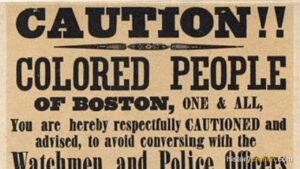
Even so, the end of legal slavery did not bring an end to unfairness and injustice for Black Americans. In the years that followed, new laws and practices in the Southern states created harsh forms of discrimination and forced labor. As a result, the struggle for full freedom and equal rights would continue long after 1865, remaining a central issue in American society through the civil rights movement of the 20th century and beyond.
Frequently Asked Questions
When Did Slavery Officially End in the United States?
Slavery officially ended in the United States when the Thirteenth Amendment was adopted on December 18th in 1865. The required number of states had ratified the amendment on December 6th of that year. This made the ban on slavery a permanent part of the United States Constitution rather than a temporary wartime order.
Did the Emancipation Proclamation Free All Enslaved People?
No, the Emancipation Proclamation did not free all enslaved people in the country. It applied only to the Confederate states that were in rebellion, so enslaved people in the loyal border states were not covered by it. Its promise of freedom also depended on the Union Army winning battles and reaching each area, which is why the Thirteenth Amendment was still needed to end slavery everywhere.
Why Did It Take So Long to End Slavery in America?
It took a long time to end slavery because the Southern economy depended heavily on enslaved labor, and powerful leaders fought hard to protect the system. Many wealthy plantation owners built their fortunes on cotton, tobacco, and other crops grown by enslaved workers. Ending slavery required decades of abolitionist effort, a costly war, and a change to the Constitution before it became a reality.
What Was Juneteenth and How Is It Connected to the End of Slavery?
Juneteenth marks the day when news of freedom finally reached enslaved people in the farthest corners of the Confederacy. On June 19th, 1865, the Union Army arrived in Galveston, Texas, and enforced the freedom that the Emancipation Proclamation had promised more than two years earlier. Today Juneteenth is celebrated as an important holiday recognizing the end of slavery in the United States.
Did Discrimination End When Slavery Ended?
No, discrimination did not end when slavery was abolished in 1865. Many Southern states soon created unfair laws and practices that limited the rights of Black Americans and kept many trapped in poverty. Because of this, the fight for equal rights continued for many more decades, including through the civil rights movement of the 1950s and 1960s.
Cite This Article
To cite this article as a source, use one of the formats below.
MLA: Millar, B. “End of Slavery in the United States: A Detailed Summary.” HistoryCrunch, 16 August 2026, https://historycrunch.com/end-of-slavery-in-the-united-states/.
APA: Millar, B. (2026). End of Slavery in the United States: A Detailed Summary. HistoryCrunch. https://historycrunch.com/end-of-slavery-in-the-united-states/
Chicago: Millar, B. “End of Slavery in the United States: A Detailed Summary.” HistoryCrunch. August 16, 2026. https://historycrunch.com/end-of-slavery-in-the-united-states/
Sources
- Ira Berlin, Generations of Captivity.
- Peter Kolchin, American Slavery, 1619-1877.
- Library of Congress