Aztec medicine and healing was an important part of the culture and daily life of the people in the Aztec Empire. In fact, the Aztec developed one of the most advanced systems of medicine anywhere in the Americas before the arrival of European explorers. Their approach combined careful knowledge of plants and the human body with strong religious beliefs, since the Aztec believed that health depended on keeping the body in balance and staying in favor with the gods. The Aztec Empire was a civilization in central Mexico that thrived in the time before the Age of Exploration, and its ideas about health and illness were closely tied to Aztec religion and Aztec daily life.
Aztec medicine can be defined as the collection of remedies, treatments, and healing practices used by the Aztec people to treat sickness and injury. It included the use of herbs and plants, minor surgery, sweat baths, and spiritual rituals meant to please the gods and restore harmony to the body. In this way, Aztec medicine blended the practical and the spiritual into a single system of care.
What Was the Aztec Empire?
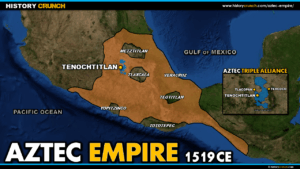
The Aztec Empire was one of the most powerful civilizations in the ancient Americas, based in central Mexico and extending across much of the region at its height. The Aztecs, who referred to themselves as the Mexica, founded their capital city of Tenochtitlan in 1325 on an island in Lake Texcoco. In time, this city grew into one of the largest cities anywhere in the world.
The empire grew out of the Aztec Triple Alliance, a political and military pact formed in 1428 between Tenochtitlan and the nearby city-states of Texcoco and Tlacopan. The Aztec were ruled by a series of leaders known as the huey tlatoani, or Great Speaker, and they maintained their power through a tribute system that required conquered peoples to send goods and resources to the capital. The Aztec Empire came to an end in 1521 when Spanish conquistadors led by Hernán Cortés, along with Mesoamerican allies, conquered Tenochtitlan. As stated above, Aztec medicine developed within this rich culture, and it shared many features with the earlier Mesoamerican civilizations that came before it.
How Did the Aztec Understand Health and Illness?
The Aztec believed that good health came from keeping the body in balance. More specifically, they thought that each person contained three vital forces, or souls, and that harmony between these forces was needed for a person to stay well. The first force, called the tonalli, was located in the head and was linked to the sun, personal strength, and destiny. The second, called the teyolia, was found in the heart and was connected to a person’s knowledge, memory, and emotions.
The third force, known as the ihiyotl, resided in the liver and was tied to passions, breath, and the supernatural. When any of these forces was lost or thrown out of balance, the Aztec believed a person would fall ill. For instance, they thought that a sudden fright could cause a person to lose part of their tonalli, leading to weakness and sickness.
Because of these beliefs, the Aztec often saw illness as more than a physical problem. In reality, they viewed many diseases as the result of angering the gods, breaking a moral rule, or being harmed by witchcraft. This meant that healing usually involved restoring balance to the body while also making peace with the spiritual world.
Who Were the Aztec Healers?
The main healer in Aztec society was known as the ticitl, a word that can be translated as physician. The ticitl was trained to diagnose illness, prepare herbal remedies, set broken bones, and perform spiritual rituals. Importantly, both men and women worked as healers, and the profession required special training as well as religious and astrological knowledge.
Aztec healers often specialized in particular kinds of care. For example, some focused on herbal medicine, while others worked mainly as bone-setters who treated fractures and wounds. Women frequently served as midwives, helping to deliver babies and caring for mothers before and after birth, which made them a central part of the community’s health.
Interestingly, healers in the Aztec Empire did not hold an especially high place in society, even though their work required years of learning. In fact, a ticitl held a status similar to that of other skilled workers, such as carpenters or stonemasons. Even so, healers were valued members of the community, and their knowledge was passed down carefully from one generation to the next.
How Did the Aztec Use Plants and Herbs as Medicine?
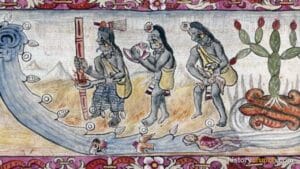
Herbal medicine formed the heart of Aztec healing. Over many centuries, Aztec healers developed a detailed knowledge of plants by carefully testing their effects and preserving the results through oral tradition. In fact, they identified more than one thousand useful plant species, and they prepared them in many forms, including teas, powders, salves, poultices, and compresses.
The Aztec chose different parts of each plant, such as the roots, bark, leaves, flowers, or seeds, depending on the effect they wanted. For instance, they used crushed maguey leaves to treat wounds, since the plant contained natural compounds that fought infection and reduced swelling. For stomach problems, they used a type of morning glory that acted as a powerful purgative to clean out the body.
Many of these remedies were remarkably effective, and modern researchers have confirmed that some of the plants the Aztec used do contain useful medicinal compounds. For example, chili peppers contain a substance called capsaicin, which is still used today in pain-relief creams. This overlap between ancient practice and modern science shows just how carefully the Aztec observed the natural world.
What Kinds of Treatments and Surgery Did the Aztec Perform?
Beyond herbs, Aztec healers used a range of physical treatments to help the sick and injured. They became especially skilled at setting broken bones, in part because they had to care for warriors who were wounded in battle. They also cleaned and stitched wounds, using sharp tools made from obsidian, a natural volcanic glass that could be shaped into fine cutting blades.
Another important part of Aztec healing was the sweat bath, known as the temazcal. This was a small, low structure heated with volcanic stones and steam, where people would go to clean the body, ease pain, and prevent illness. The Aztec believed the temazcal helped restore warmth and balance to the body, and it was used for both healing and everyday hygiene.
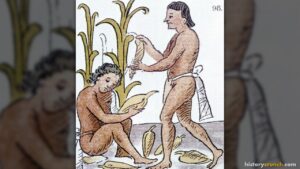
Aztec healers also gave advice about diet and daily habits, which shows that they understood the link between lifestyle and health. More specifically, they recommended rest, proper nutrition, and moral behavior as ways to keep the body strong. Staple foods such as maize, beans, squash, and chia were seen not only as meals but also as important to staying well.
How Did Religion Shape Aztec Medicine?
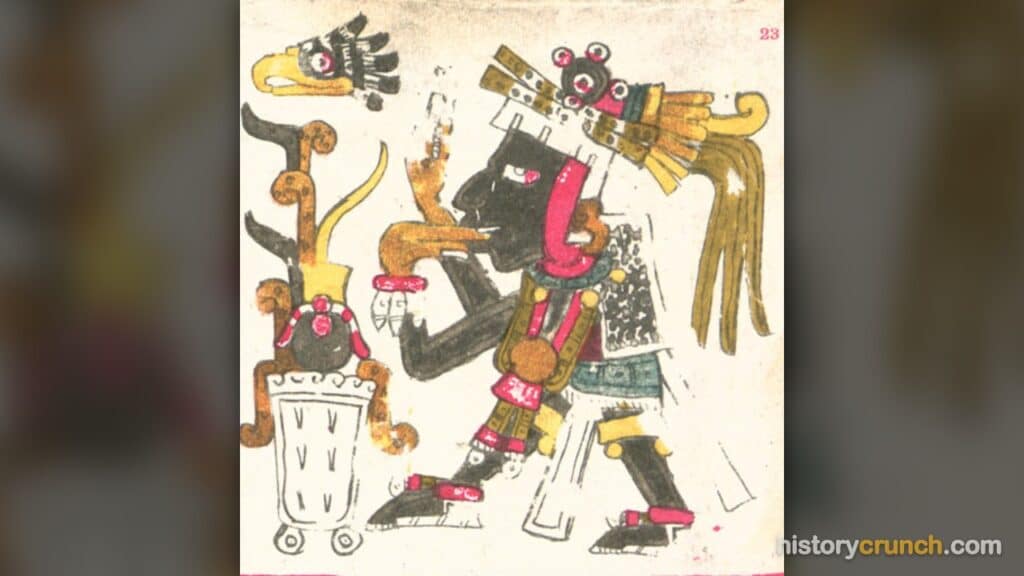
Religion was woven through nearly every part of Aztec medicine. Since the Aztec believed that many illnesses were sent by the gods, healing often included prayers, offerings, and rituals meant to win divine favor. Healers prayed to the deities linked to health and believed that the power of their herbs was made stronger through these spiritual acts.
The Aztec also connected health to their calendar and to omens. For example, they believed that the day on which a person was born could shape whether that person would be healthy or sickly throughout life. If a favored person became ill, healers might conclude that the person had failed to honor the gods properly, and the cure would then include religious ceremonies as well as physical treatment.
In some healing ceremonies, sacred mushrooms were used to help patients who were thought to be suffering from divine punishment. As stated above, this blending of the practical and the spiritual was a defining feature of Aztec medicine, and it reflected the overall Aztec view that the physical world and the spiritual world were closely joined.
Significance of Aztec Medicine and Healing
Aztec medicine and healing is significant because it shows the depth of knowledge that Mesoamerican civilizations reached long before contact with Europe. In fact, when Spanish observers arrived in the early 16th century, they were impressed by Aztec remedies, and some Aztec treatments were as advanced as European medicine of the same period. Much of this knowledge was later written down in books created after the conquest, which preserved detailed records of Aztec medicinal plants and how they were used.
The importance of Aztec medicine also lives on in the plants and practices that survived the fall of the empire. Many communities in Mexico today still use herbal remedies and sweat baths that trace back to Aztec traditions. As well, modern scientists continue to study Aztec plants for their healing properties, which proves that the careful observations of Aztec healers still hold value.
Overall, Aztec medicine reveals a civilization that took health seriously and treated it as both a physical and a spiritual matter. It offers a window into how the Aztec understood the human body, the natural world, and their gods. For these reasons, Aztec medicine and healing remains an important topic when studying the history of the Aztec Empire and the wider history of the Americas.
Frequently Asked Questions
What did the Aztec use for medicine?
The Aztec used mostly plants and herbs for medicine, along with sweat baths, minor surgery, and religious rituals. They turned plant roots, leaves, bark, and flowers into teas, powders, and ointments to treat everything from wounds to stomach illness. They also used tools made from obsidian to clean and stitch injuries.
What was an Aztec doctor called?
An Aztec doctor was called a ticitl, a title that meant physician or healer. Both men and women could become a ticitl, and they needed years of training in herbs, the body, religion, and the calendar. Some specialized in herbal medicine, while others worked as bone-setters or midwives.
Why did the Aztec think people got sick?
The Aztec believed people got sick when the body lost its balance or when the gods were angered. They thought each person held three vital forces, and that harm to any of them could cause illness. They also blamed some sicknesses on witchcraft or on breaking moral and religious rules.
Was Aztec medicine effective?
Yes, much of Aztec medicine was surprisingly effective for its time. Modern research has shown that several Aztec plants contain real medicinal compounds, such as the pain-relieving substance found in chili peppers. Aztec bone-setting and wound care were also skilled, which helped injured warriors recover.
How do we know about Aztec medicine today?
Much of what is known about Aztec medicine comes from books created shortly after the Spanish conquest. These records listed hundreds of medicinal plants and described how the Aztec prepared and used them. Some traditional remedies and sweat baths also survive in Mexican communities today, keeping the knowledge alive.
Cite This Article
To cite this article as a source, use one of the formats below.
MLA: Millar, B. “Aztec Medicine and Healing: A Detailed Summary.” HistoryCrunch, 18 July 2026, https://historycrunch.com/aztec-medicine-and-healing/.
APA: Millar, B. (2026). Aztec Medicine and Healing: A Detailed Summary. HistoryCrunch. https://historycrunch.com/aztec-medicine-and-healing/
Chicago: Millar, B. “Aztec Medicine and Healing: A Detailed Summary.” HistoryCrunch. July 18, 2026. https://historycrunch.com/aztec-medicine-and-healing/
Sources
- The Met (Heilbrunn Timeline) — Aztec art
- Richard Townsend, The Aztecs.
- Fordham Internet History Sourcebooks