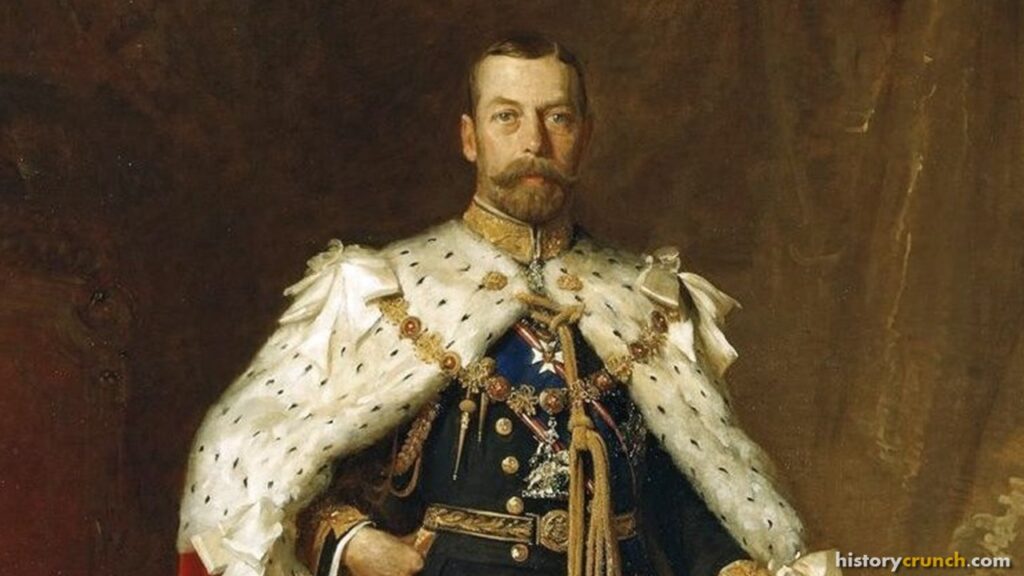
King George V was the King of the United Kingdom and Emperor of India from 1910 until his death in 1936, and was Britain’s monarch throughout the entirety of World War I. He is remembered as a steady, hardworking and deeply patriotic king who used his position to support the British people and the war effort during one of the most difficult periods in his country’s history. Although he was not originally expected to become king, George V proved to be one of the most respected and well-liked monarchs in British history.
 FactsthatCrunch
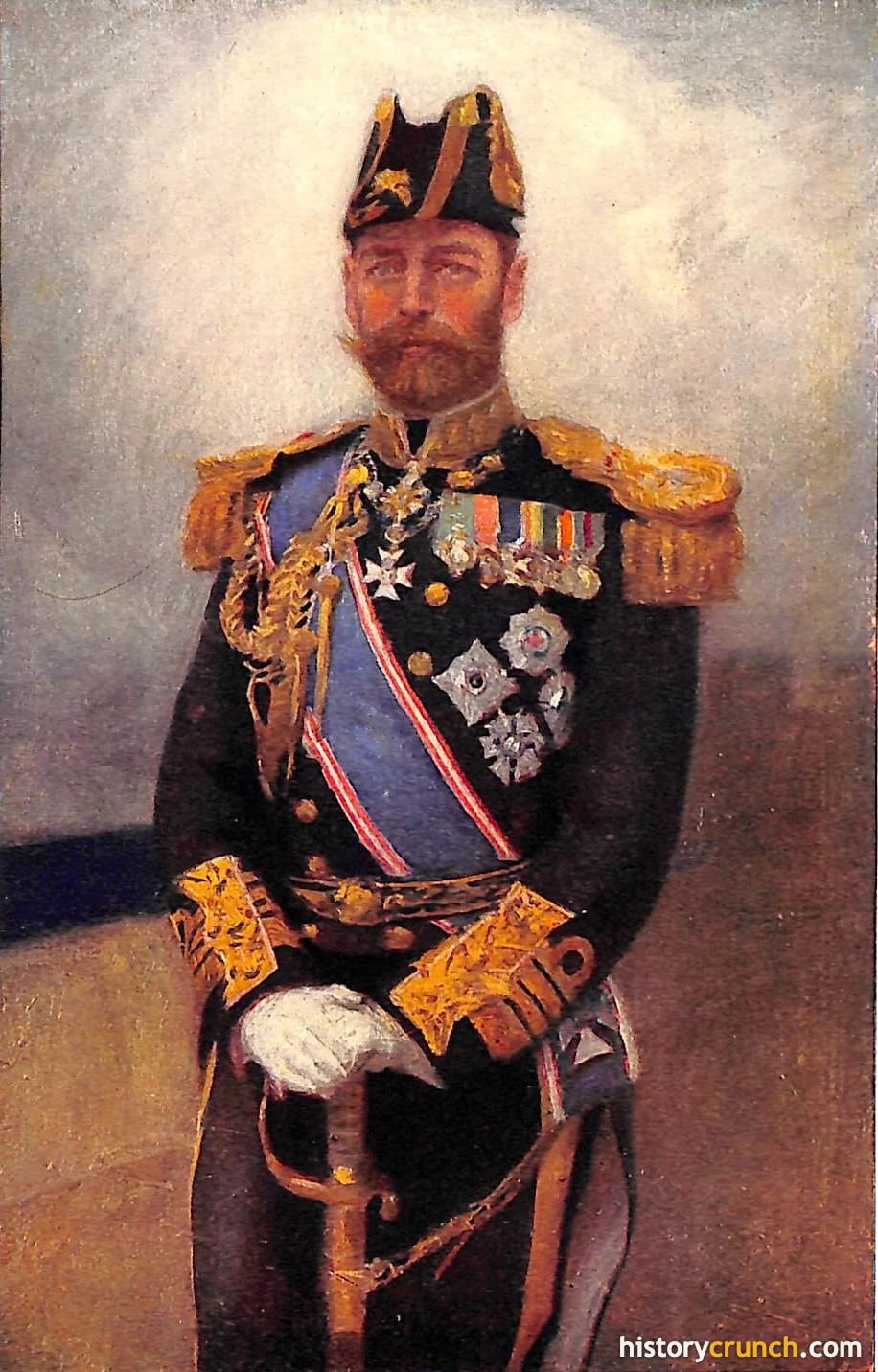
King George V led Britain through World War I, making over 450 visits to troops at the front and over 300 visits to military hospitals, and remained one of the few European monarchs to keep his throne after the war. He was born on June 3rd, 1865 in London as the second son of the Prince of Wales and spent much of his early life as a Royal Navy officer before the death of his older brother Prince Albert Victor in 1892 placed him in line for the throne.
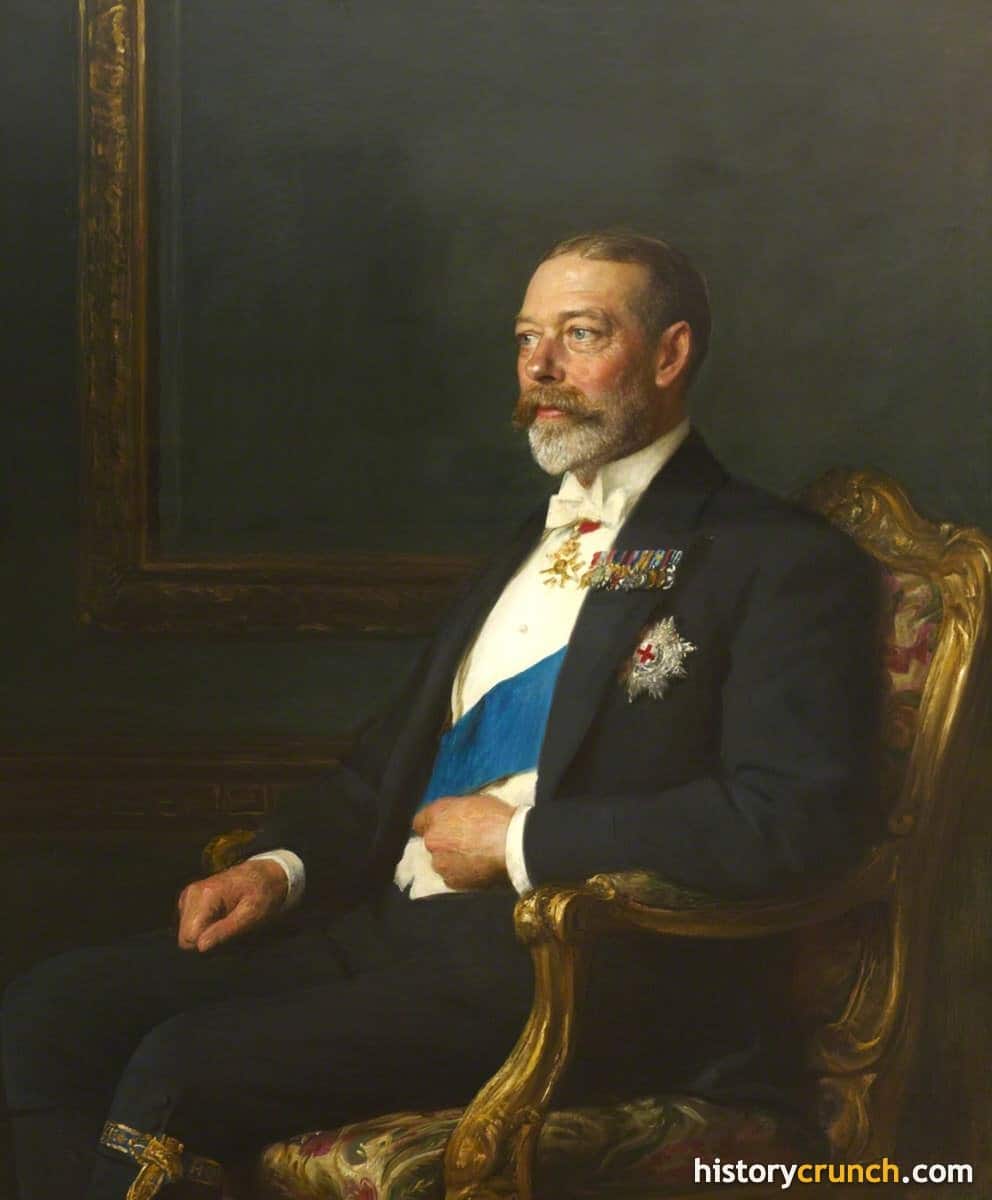
King George V ruled Britain at a time of enormous change and upheaval. World War I, which lasted from 1914 until 1918, killed millions of people across Europe and transformed the political landscape of the entire world. Empires that had existed for centuries collapsed, new nations were born and the old order of European monarchy was shattered. George V was one of the few European monarchs to survive the war with his throne intact. In fact, several of his closest relatives, including his cousin Tsar Nicholas II of Russia and his cousin Kaiser Wilhelm II of Germany, lost their thrones as a direct result of the conflict. As such, George V’s steady and careful handling of his role as king during the war years was one of the most significant achievements of his reign.
King George V’s Early Life
King George V was born on June 3rd, 1865 CE in London, England. His full name was George Frederick Ernest Albert. His father was Albert Edward, Prince of Wales, who later became King Edward VII, and his mother was Alexandra of Denmark. George was the grandson of the famous Queen Victoria, who had reigned over Britain since 1837 CE and was one of the most powerful monarchs in the world. As the second son of the Prince of Wales, George was not expected to become king. Instead, he was prepared from a young age for a career in the Royal Navy.
George and his older brother Prince Albert Victor began their naval training in 1877, when George was twelve. George took to naval life with enthusiasm and spent much of his early adult life at sea, rising steadily through the ranks of the Royal Navy. His naval training shaped his character in important ways. For instance, he developed a strong sense of duty, discipline and straightforward honesty that would define his approach to kingship throughout his reign. He also developed a love of simple pleasures, particularly stamp collecting and game shooting, and preferred a quiet and orderly way of life rather than the lavish social world of the royal court. As such, George’s early years in the navy gave him a grounded and unpretentious character that would later make him popular with ordinary British people.
FactsthatCrunchKing George V was one of the most serious stamp collectors of his time, and the collection he built is still kept by the royal family as the Royal Philatelic Collection.
He began collecting as a young naval officer and kept adding to it as king. His quiet hobbies, stamps and game shooting, matched the plain, orderly life he preferred over the lavish world of the royal court.
King George V Becomes Heir to the Throne
George’s life changed dramatically in January of 1892 CE when his older brother Prince Albert Victor died suddenly from influenza at the age of twenty-eight. Albert Victor’s death moved George directly into the line of successionThe ordered list of people who would become monarch if the current ruler dies. as heir to the throneThe person next in line to become king or queen after the current monarch dies., ending his naval career and beginning a very different kind of life. George was twenty-six years old at the time and had to make a rapid adjustment from the life of a naval officer to that of a future king.
One of the most important changes in George’s life following his brother’s death was his marriage. Albert Victor had been engaged to Princess Victoria Mary of Teck, known in the family as May, at the time of his death. After Albert Victor’s death, the royal family encouraged George to pursue a relationship with May, and the two became engaged in May of 1893 CE. They were married on July 6th, 1893 CE and the union proved to be a very happy one. In fact, historians describe George and Mary as a deeply devoted couple who shared a strong sense of duty and a commitment to the values of family life. Together they had six children, including the future King Edward VIII and King George VI. As such, the unexpected death of his brother not only placed George on the path to the throne but also brought him one of the most important relationships of his life.
FactsthatCrunchWhat were the key facts about George V's marriage to Princess Victoria Mary of Teck in 1893?
King George V as King
George V became King of the United Kingdom and Emperor of India on May 6th, 1910 CE following the death of his father King Edward VII. He was crowned at Westminster Abbey on June 22nd, 1911 CE. His coronation was followed almost immediately by a royal tour of India, where he became the only British monarch to travel to India as King-Emperor, attending a grand ceremony called the Delhi Durbar in December of 1911 CE. The British Empire at this time was the largest empire the world had ever seen, spanning vast territories across Asia, Africa, the Americas and the Pacific. As king-emperor, George was the head of this enormous empire and took his responsibilities toward it very seriously.
George’s reign began with a significant political crisis at home. The Liberal government in Britain was trying to pass a bill through Parliament that would limit the power of the House of Lords, which is the unelected upper chamber of the British Parliament. The House of Lords had rejected the government’s budget, which was unprecedentedSomething that has never happened before in recorded history., and the Liberal government asked George to threaten to create enough new Liberal Lords to overcome the opposition if they did not back down. George agreed to do so, and the threat proved effective. The House of Lords relented and passed the Parliament Act of 1911 CE, which permanently reduced its ability to block legislation passed by the elected House of Commons. This was an important moment in the development of British democracy and showed that George was willing to use his position to support the elected government even when it created controversy.
King George V and World War I
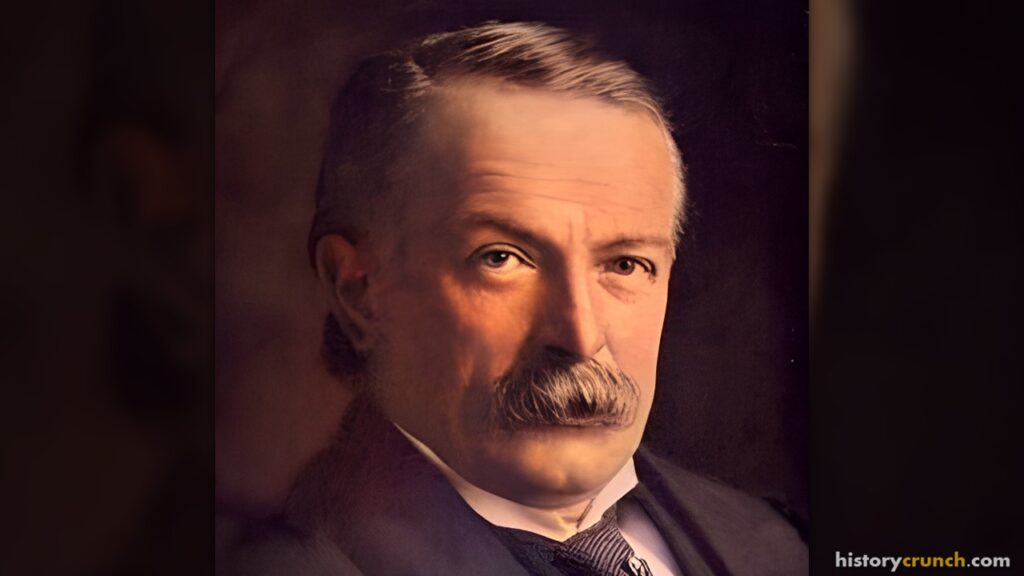
The most significant event of George V’s reign was the outbreak of World War I in August of 1914 CE. World War I began following the assassination of Archduke Franz Ferdinand of Austria-Hungary in Sarajevo on June 28th, 1914 CE. The assassination triggered a chain reaction of alliances across Europe that drew the major powers into war. Britain entered the war on August 4th, 1914 CE after Germany invaded neutral Belgium. As king, George V played an important symbolic and morale-boosting role throughout the conflict, even though the actual decisions about how to fight the war were made by the government and military commanders rather than by the king himself.
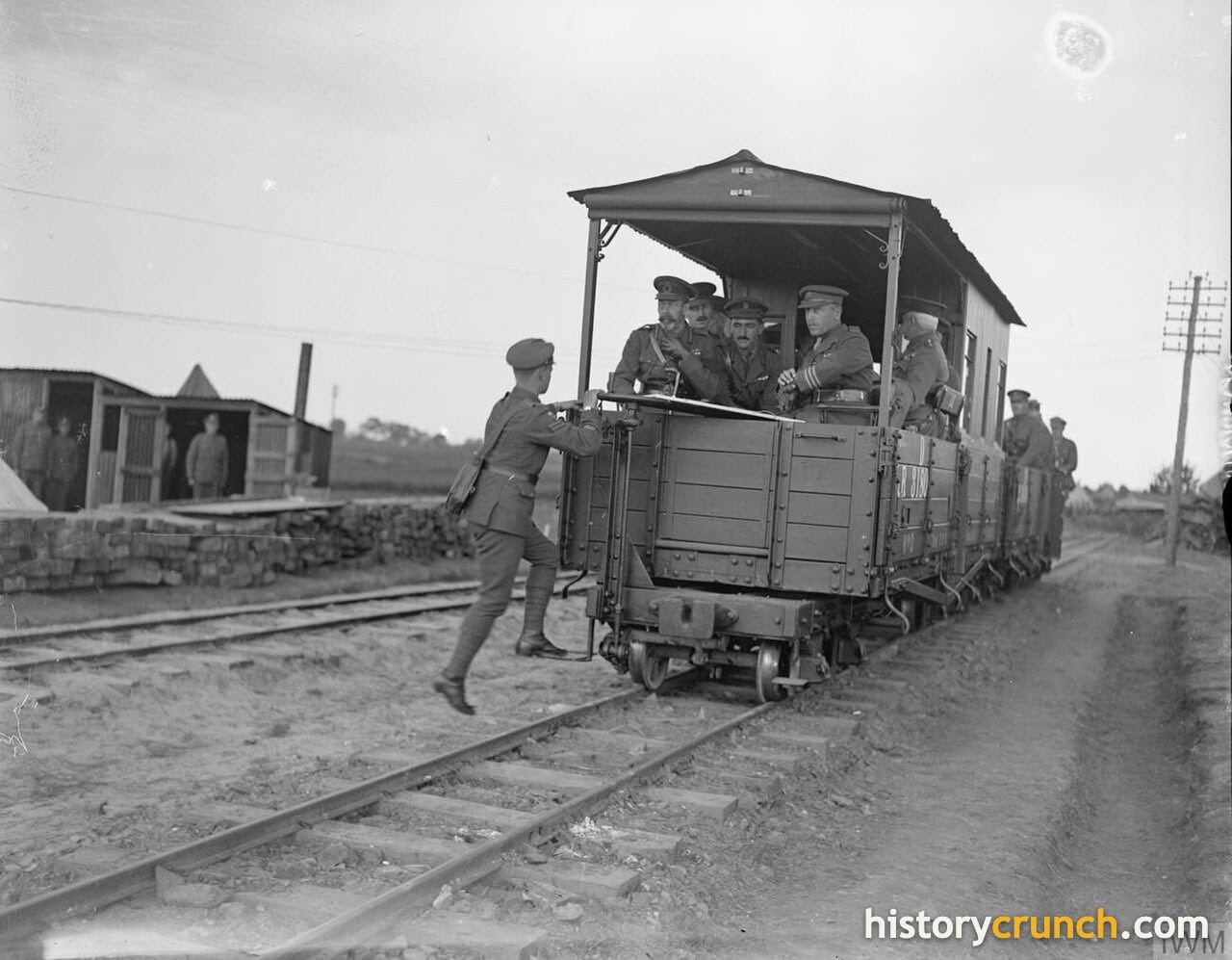
George threw himself into supporting the war effort with remarkable energy and dedication. For instance, he made more than 450 visits to troops on the front lines in France and more than 300 visits to military hospitals to see wounded soldiers. He also pushed for humane treatment of German prisoners of war, reflecting his belief that even in wartime, basic standards of decency should be maintained. During one of his visits to the front in France in 1915 CE, his horse was startled by cheering soldiers and rolled over on top of him, fracturing his pelvis and causing him pain for the rest of his life. Despite this injury, George continued his visits to troops and hospitals throughout the war. As such, his personal commitment to supporting the men fighting in the trenches was one of the most admired aspects of his wartime role.
King George V and the House of Windsor
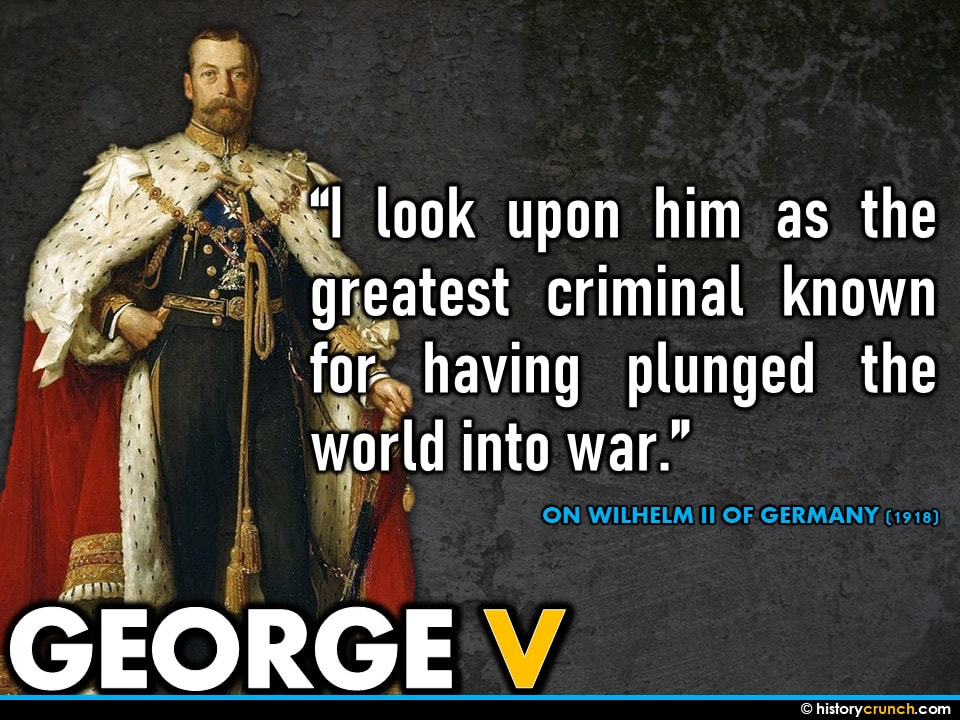
One of the most significant decisions George made during World War I was his decision in 1917 CE to change the name of the British royal family. At the time, the royal family’s official name was the House of Saxe-Coburg and Gotha, which was a German name inherited from George’s grandfather Prince Albert of Saxe-Coburg and Gotha, who had been the husband of Queen Victoria. As Germany was now Britain’s enemy in the war, the German name of the royal family was causing enormous embarrassment and resentment among the British public. Anti-German feeling was running extremely high in Britain during the war, and the German-sounding name of the royal family was seen by many as deeply inappropriate at a time when British soldiers were dying fighting German forces.
On July 17th, 1917 CE, George formally changed the name of the royal family from the House of Saxe-Coburg and Gotha to the House of Windsor, taking the name from Windsor Castle, one of the most famous royal residences in England. This decision was widely welcomed by the British public and helped to strengthen the bond between the royal family and the people it served. For instance, when Kaiser Wilhelm II of Germany heard about the name change, he reportedly joked that he would watch a performance of the Shakespeare play “The Merry Wives of Windsor” retitled as “The Merry Wives of Saxe-Coburg and Gotha.” The joke highlighted the awkward position that the royal family’s German connections had created. As such, the creation of the House of Windsor was one of the most lasting decisions of George’s wartime reign and the name continues to be the official name of the British royal family to the present day.
King George V’s Later Reign
Following the end of World War I in November of 1918 CE, George continued to navigate a rapidly changing world. The war had transformed Britain and its empire in profound ways. Ireland, which had long been part of the United Kingdom, experienced a rebellion in 1916 CE known as the Easter Rising and a subsequent war of independence that resulted in the establishment of the Irish Free State in 1922 CE, while the six northern counties remained part of the United Kingdom. George played a conciliatoryTrying to reduce anger or conflict by encouraging compromise and goodwill between opposing sides. role in these events, using his influence to encourage compromise and stability.
George also faced significant changes in the political life of Britain itself. In 1924 CE he invited Ramsay MacDonald to form the first ever Labour government in Britain, demonstrating his willingness to work with the new forces of working-class politics that were reshaping British society. The Great Depression of the late 1920s and early 1930s caused enormous economic hardship across Britain and the wider world, and George worked with his government to manage the crisis. By 1935 CE, the year of his Silver Jubilee celebrating twenty-five years on the throne, George had become one of the most popular and respected monarchs in British history. Huge crowds turned out across Britain to celebrate the jubilee, and George was reportedly surprised and moved by the warmth of the public’s affection. In fact, he is said to have remarked “I cannot understand it, after all I am only a very ordinary sort of fellow.”
FactsthatCrunchKing George V invited Ramsay MacDonald to form the first Labour government in Britain in 1924.
King George V’s Death and Legacy
King George V’s health had been declining for several years before his death. He had suffered from chronic lung problems, made worse by heavy smoking throughout his life, and had never fully recovered from his injuries sustained in France during the war. In January of 1936 CE he fell seriously ill with a respiratory illness at his home at Sandringham in Norfolk. He slipped in and out of consciousness for several days and died on January 20th, 1936 CE at the age of seventy. He was succeeded by his eldest son, who became King Edward VIII, though Edward abdicatedWhen a monarch formally gives up the throne and stops being king or queen. the throne later that same year and was in turn succeeded by his brother, who became King George VI.
King George V is remembered as one of the most important British monarchs of the modern era. He guided Britain through the enormous challenges of World War I, helped reshape the identity of the royal family for the modern age and used his position as a force for stability and moderation during a period of great change and uncertainty. For instance, before World War I most of Europe had been ruled by monarchs who were related to George, but after the war the monarchies of Germany, Austria, Russia and several other countries had all collapsed. The fact that the British monarchy survived and even grew in popularity during this period owed a great deal to George’s steady and conscientiousTaking one’s duties very seriously and working hard to do what is right. approach to his role. As such, King George V left a lasting legacy as a king who placed his duty to his country and his people above all else.
Explore World War I
Keep exploring World War I with these History Crunch resources.
Key Vocabulary
Heir to the throne
Line of succession
Unprecedented
Conciliatory
Abdicated
Conscientious
Frequently Asked Questions
Why did King George V change the royal family’s name to Windsor?
George V changed the name because the old name sounded German during a war against Germany. On July 17th, 1917, he replaced the House of Saxe-Coburg and Gotha with the House of Windsor. The name came from Windsor Castle, a famous royal home in England. It is still the official name of the British royal family today.
How was King George V related to other European monarchs?
George V was a cousin of both Tsar Nicholas II of Russia and Kaiser Wilhelm II of Germany. He was also a grandson of Queen Victoria, who was related to many royal houses across Europe. Both of his cousins lost their thrones during or after World War I. George was one of the few monarchs to keep his crown through the conflict.
Why was George V not expected to become king?
George was the second son, so his older brother stood ahead of him in line for the throne. He was trained for the Royal Navy instead and spent years at sea. His brother Prince Albert Victor died from influenza in January of 1892, which moved George into the line of succession. He became king in 1910 after his father, King Edward VII, died.
What did George V do during World War I?
George V played a symbolic and morale-boosting role while the government and military ran the war. He made more than 450 visits to troops in France and over 300 visits to military hospitals. He also pushed for humane treatment of German prisoners. During a visit in 1915, his horse rolled on top of him and fractured his pelvis, causing lasting pain.
When did King George V die and who succeeded him?
George V died on January 20th, 1936, at Sandringham in Norfolk, at the age of 70. He had long suffered from lung problems made worse by heavy smoking. His eldest son became King Edward VIII but gave up the throne later that year. George’s second son then became King George VI.
What was the Delhi Durbar of 1911?
The Delhi Durbar was a grand ceremony held in India in December of 1911 to mark George’s role as Emperor of India. George became the only British monarch to travel to India as King-Emperor. The British Empire at the time was the largest the world had ever seen. The visit showed how seriously he took his duties to the empire.
Cite This Article
To cite this article as a source, use one of the formats below.
MLA: Millar, B. “King George V: A Detailed Biography.” HistoryCrunch, 30 September 2026, https://historycrunch.com/george-v/.
APA: Millar, B. (2026). King George V: A Detailed Biography. HistoryCrunch. https://historycrunch.com/george-v/
Chicago: Millar, B. “King George V: A Detailed Biography.” HistoryCrunch. September 30, 2026. https://historycrunch.com/george-v/
Sources
- Margaret MacMillan, The War That Ended Peace.
- Fordham Modern History Sourcebook
- John Keegan, The First World War.