The My Lai Massacre was one of the most shocking atrocities of the Vietnam War and became a major turning point in how the war was understood in the United States and around the world. The My Lai Massacre took place on March 16th, 1968, in a village in South Vietnam, when United States soldiers killed hundreds of Vietnamese civilians, including: women, children and elderly people.
MY LAI MASSACRE – BACKGROUND
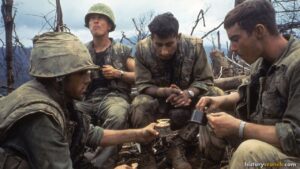
The My Lai Massacre happened during a period when the Vietnam War had become more brutal and more confusing for many American soldiers. By 1968, United States forces were fighting a long war against communist forces in Vietnam, and many American units were under pressure to destroy villages believed to be helping the Viet Cong. The Tet Offensive, which had begun earlier in 1968, had also increased fear, anger, and frustration inside the American military.
The soldiers involved in the My Lai Massacre were mainly from Charlie Company, 1st Battalion, 20th Infantry Regiment. Before entering the village, they had been told to expect enemy fighters from the Viet Cong. However, when the troops entered the area on the morning of March 16th, they did not come under the kind of enemy fire they had expected.
MY LAI MASSACRE – MAJOR EVENTS
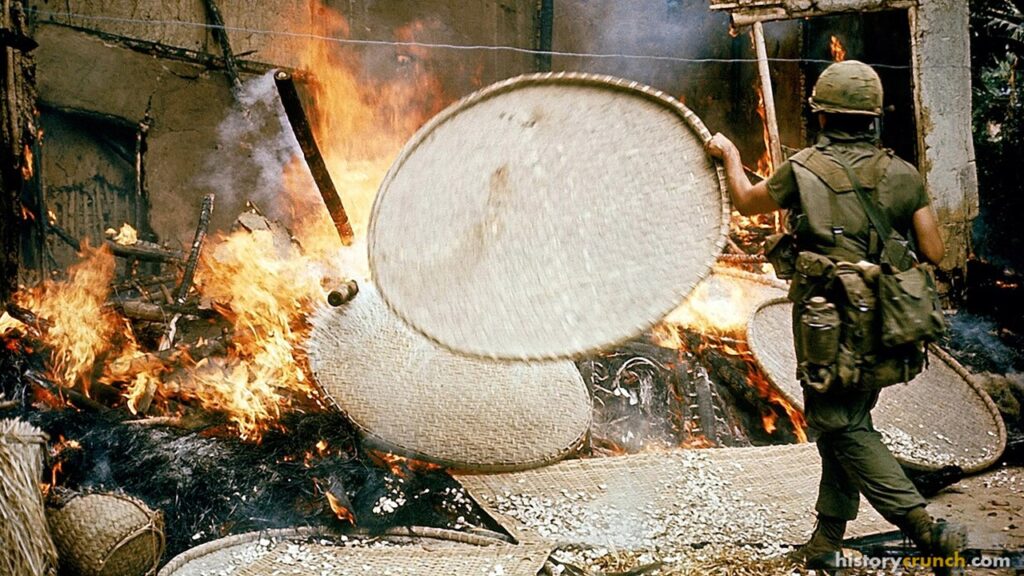
During the My Lai Massacre, American soldiers rounded up villagers and killed them at close range. Civilians were shot in groups, killed in their homes, and driven into ditches before being fired upon. Historians agree that most of the dead were unarmed civilians and that many victims were women, children and elderly people. Some homes were also burned, animals were killed and the village was left devastated.
The exact death total has been reported differently in different investigations, but all serious accounts agree that the number was in the hundreds. The United States Army later used a figure of 347 victims, while Vietnamese accounts have often given a higher total connected to the wider killings in the area. Regardless, the My Lai Massacre clearly stands as one of the worst war crimes committed by American forces during the Vietnam War.
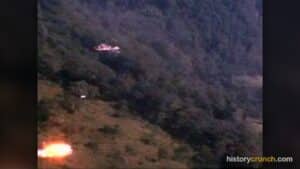
One of the most important moments during the My Lai Massacre came when Warrant Officer Hugh Thompson Jr. and his helicopter crew, Lawrence Colburn and Glenn Andreotta, saw civilians being attacked. Thompson landed his helicopter between American soldiers and Vietnamese civilians and helped stop additional killings in at least one area. Their actions later became one of the clearest examples of moral courage connected to the My Lai Massacre.
MY LAI MASSACRE – AFTERMATH
After the My Lai Massacre, the killings were not immediately admitted publicly. Early military reports described the action as a successful combat operation against enemy forces, and important details were covered up or minimized. This allowed the truth to stay hidden for more than a year.
The truth began to come out after soldier and veteran Ron Ridenhour sent letters raising serious accusations about what had happened. In November of 1969, journalist Seymour Hersh published reports that brought the My Lai Massacre to national and international attention. Photographs taken by Ronald Haeberle also helped reveal what had happened and shocked the public. As the story spread, the My Lai Massacre became a symbol of the moral crisis surrounding the Vietnam War. In fact, the My Lai Massacre furthered the passion of people who protested against American involvement in the Vietnam War.
The United States Army later carried out a major investigation, often associated with the Peers Report. Many officers and soldiers came under scrutiny, but only Lieutenant William Calley was ultimately convicted. In 1971, he was found guilty of murdering Vietnamese civilians. This outcome remained controversial because many people felt that far too few individuals were held responsible for a crime of such scale.
MY LAI MASSACRE – SIGNIFICANCE
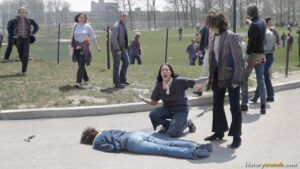
The My Lai Massacre was important because it exposed the brutality that could grow out of the Vietnam War’s pressure, confusion and dehumanization. It badly damaged public trust in the American war effort and added force to the growing anti-war movement inside the United States. When the details became widely known in 1969, The My Lai Massacre helped convince many Americans that the war had gone terribly wrong. It was shocking for many Americans to understand that their own soldiers had committed war crimes in the Vietnam War.
The My Lai Massacre was also important because it raised lasting questions about military ethics, command responsibility, and the treatment of civilians in war. Historians agree that the My Lai Massacre cannot be understood as only the action of one officer or one platoon. It also reflected wider problems in the conduct of the war, including pressure for military success, weak leadership, racism and a failure to protect civilians. For that reason, the My Lai Massacre remains one of the most studied and troubling events of the Vietnam War.