The Age of Exploration, or Age of Discovery, is one of the most important events in the history of the western world. It began in the early 15th century and continued until the end of the 17th century, and involved European explorers using their navigational skills to travel the world. In general, the Age of Exploration occurred for several different reasons, particularly in the countries of Portugal, Spain, France and England. The motivations for exploration included c
Each of these countries experienced the same forces that pushed them to explore the world, but they also shared one important characteristic. They were all countries that bordered on the Atlantic Ocean and had easy access to the sea with many sea ports and experienced sailors. This allowed these four nations to have the ability to begin exploring while other European nations did not.
CAUSES OF THE AGE OF EXPLORATION – ECONOMIC
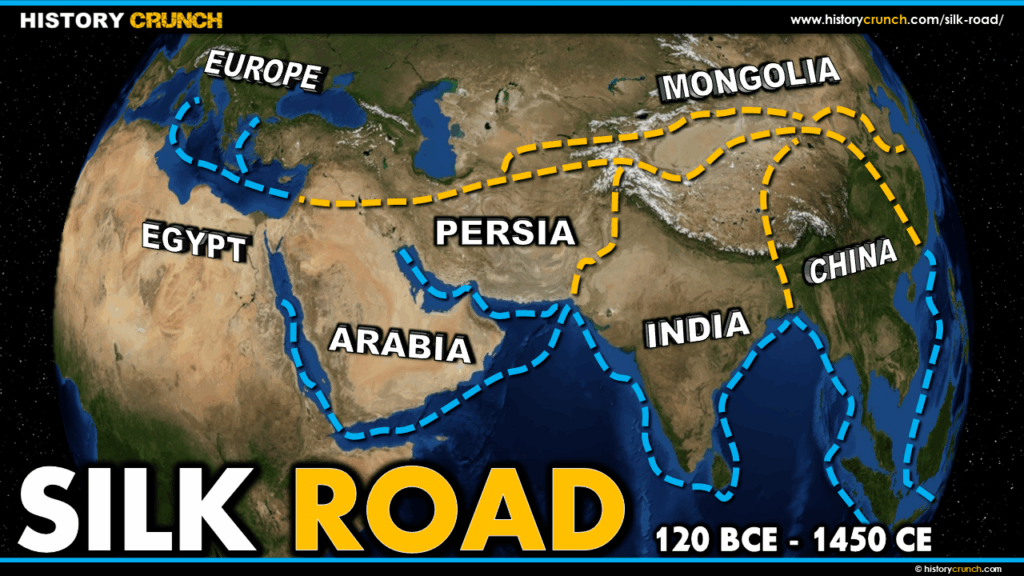
First, European countries were seeking new trade routes to distant trading partners in the Far East, including: China, India and Japan. European countries had traditionally traded with these countries through the Silk Road. The Silk Road was mostly over land and took merchants a great deal of time to ship goods. European countries were interested in speeding up trade by finding a quicker sea route, particularly for valuable resources such as spices, silk, and precious metals.
Furthermore, the overland routes, such as the Silk Road, had become unreliable and expensive due to the fall of Constantinople in 1453 and the rise of the Ottoman Empire. This is because the Ottomans controlled many eastern trade routes and demanded large fees. As such, this motivated European monarchs to fund explorations to find a faster route to the Far East.
Portugal led the way with explorers like Vasco da Gama, who sailed around the whole of Africa and the Cape of Good Hope to reach India. Spain followed, banking on Christopher Columbus’s proposal to reach Asia by sailing west. Though he stumbled upon the Americas instead, the economic potential of these ‘new’ lands became obvious. Gold and silver from the Americas enriched European empires and fueled further exploration.
CAUSES OF THE AGE OF EXPLORATION – POLITICAL
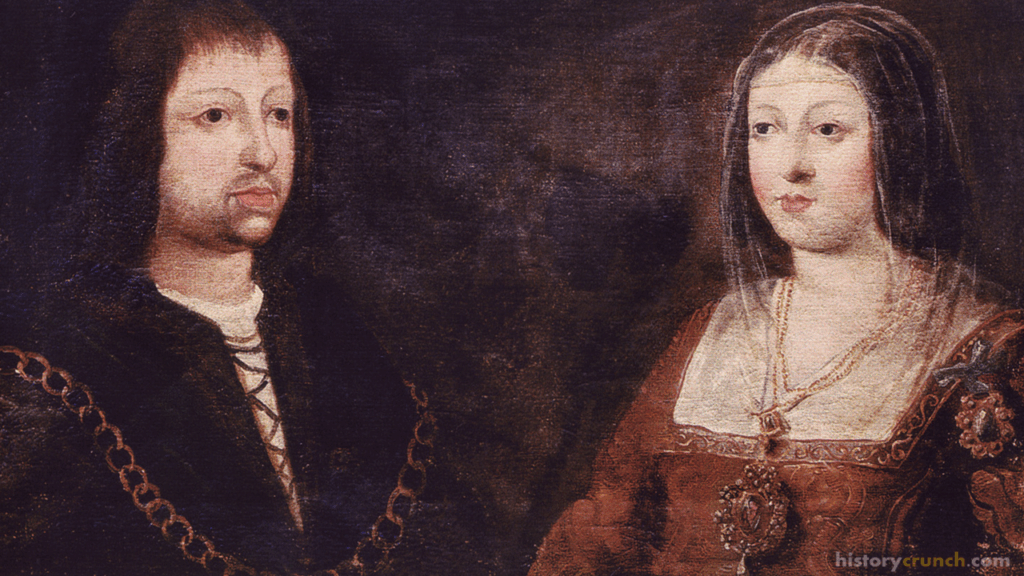
A second reason for the beginning of the Age of Exploration was the rise of absolute monarchies in Europe. The powerful monarchs of Europe had centralized the authority and wealth of each country and used their vast wealth to fund the expeditions of many explorers. For example, Christopher Columbus was funded by King Ferdinand and Queen Isabella of Spain.
The major European powers were in a constant race to expand their influence around the world. Monarchs saw exploration and colonization as a way to improve their global standing, increase revenue, and establish military outposts in strategically important locations. For instance, as the Spanish and Portuguese built overseas empires, other European nations like England, France, and the Netherlands joined the race, establishing colonies in North America, Africa, and Asia.
CAUSES OF THE AGE OF EXPLORATION – RELIGIOUS
Religion also played a major role in driving exploration during the Age of Exploration. The Catholic Church, especially through Spain and Portugal, saw overseas expansion as a means to spread Christianity to non-European peoples. As such, missionaries were often part of the voyages to the New World during the Age of Exploration. In short, missionaries are people who travel to another country or region as a means of spreading religious teachings and beliefs.
The Protestant Reformation in the early 16th century was another important factor in the religious factors that caused the Age of Exploration. For example, Protestant and Catholic nations alike saw exploration as a battleground for religious competition. Religious justification was used to carry out colonization, even when it involved exploitation or violence against the indigenous peoples of the region.
CAUSES OF THE AGE OF EXPLORATION – INTELLECTUAL
The next reason for why the Age of Exploration began is because Europeans of the time were interested in foreign cultures and goods. In general, the Renaissance in Europe caused an expansion of new ideas and new understandings of the world. Europeans were interested in learning about these new ideas and expanding on their worldviews. In fact, Humanist thinking encouraged the study of geography, astronomy, and natural sciences. There was a growing desire to understand the world. Exploration became not only a means of conquest but also of discovery in the intellectual sense.
CAUSES OF THE AGE OF EXPLORATION – TECHNOLOGICAL
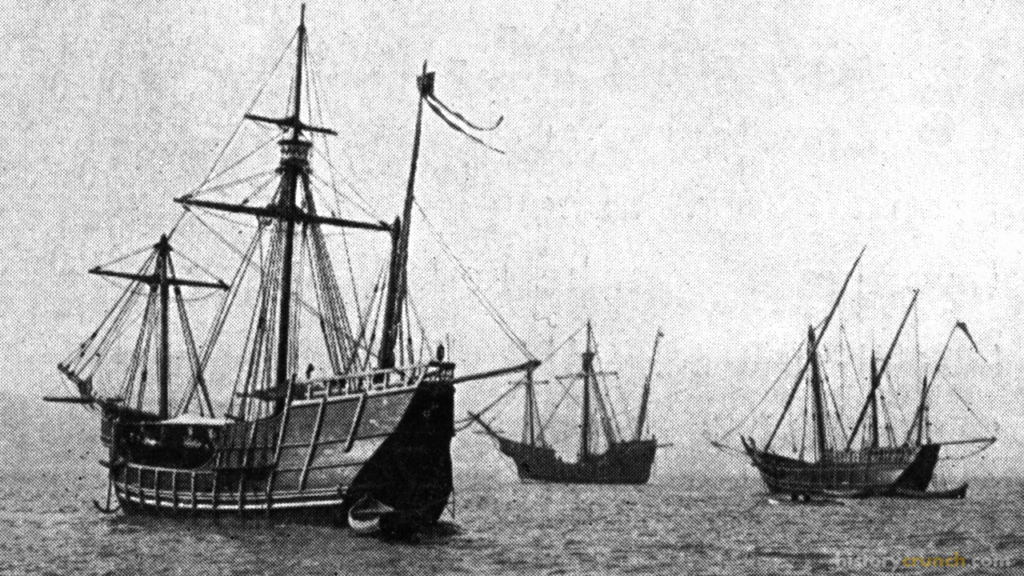
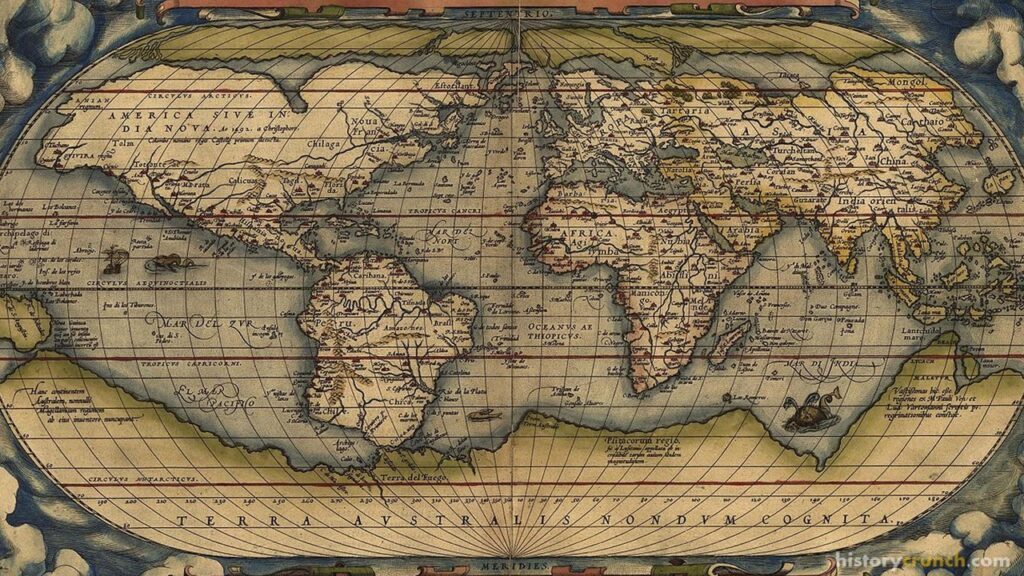
While motivations were important, none of the exploration would have been possible without the technological breakthroughs of the time. In fact, Europeans had made some dramatic improvements in their navigational skill and technology that allowed early explorers to travel further and more accurately at sea. For example, ship building had drastically improved in the years immediately before the Age of Exploration began. New ships, such as the carrack and the caravel, allowed explorers to hold more cargo and the venture further than ever before. As well, other advances in navigation, such as the magnetic compass, astrolabe, and more accurate maps (cartography), made longer sea voyages more achievable.