The Aztec calendars were more than just tools for tracking time; they were also important to the Aztec’s religious ceremonies, agricultural planning, and daily life. There were two primary calendars used by the Aztecs and each one served a different purpose for the Aztec people. This article explores the history and significance of the Aztec calendars, especially in relation to Aztec daily life and religious practices.
WHO WERE THE AZTEC?
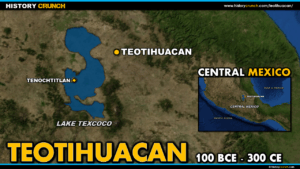
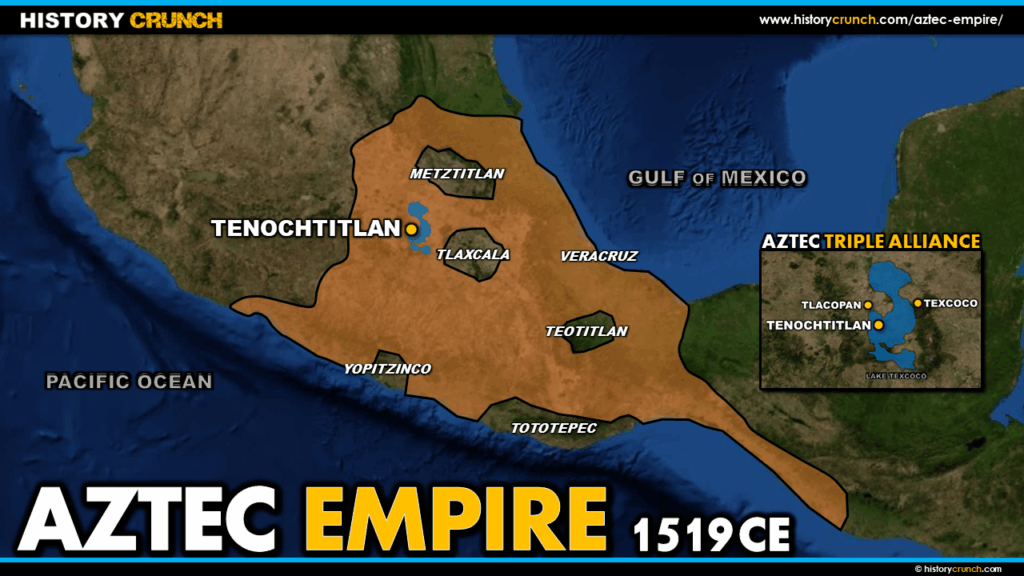
The Aztec Empire was a civilization in central Mexico that thrived in the time before the arrival of European explorers during the Age of Exploration. Throughout its history as a civilization the Aztec Empire expanded across much of central Mexico and other surrounding areas, to become the most dominant and powerful people in the region. Tenochtitlan, the main Aztec city (or altepetl), was the center of this vast empire.
The Aztec, along with other Mesoamerican peoples, had their own calendar systems, which they used to keep track of time and mark important dates of religious significance. For example, the Aztecs are considered to have had two main types of calendars.
AZTEC CALENDARS – XIUHPOHUALLI
The first was a 365-day calendar that the Aztec referred to as xiuhpōhualli. This calendar was made up of eighteen months that each lasted for twenty days. Then there was a period of five days at the end of the year. These extra days were referred to as nemontemi, which translates as ‘unlucky’ or ‘useless’. Each of the eighteen months had its own name and associated festival or ceremony. These festivals were related to the different gods of the Aztec religion, thus making the calendar very important to Aztec religious beliefs and practices. For example, the fifth month in the xiuhpōhualli calendar was called Toxcatl and had a Toxcatl Festival, which the Aztec celebrated every year. This month occurred every 5th to the 22nd of May and the associated festival was in celebration of the god Tezcatlipoca. His name is translated as ‘smoking mirror’ in the Nahuatl language of the Aztec and he is often associated with several different concepts, including: the night sky, night winds, hurricanes, the north, jaguars, obsidian, and war.
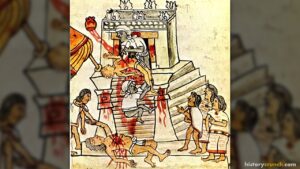
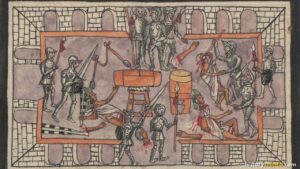
In Aztec tradition Tezcatlipoca was considered to be an opposite and rival to Quetzalcoatl. While Quetzalcoatl was considered to be more gentle in nature, Tezcatlipoca was supposedly more war-like. In preparation for the festival, a young man was usually chosen to represent Tezcatlipoca. He would dress in the likeness of the god, and carry out functions for the Aztec people on behalf of Tezcatlipoca for an entire year. During that year, he was treated like a god by the people, but at the time of the Toxcatl festival the young man was sacrificed in honor of Tezcatlipoca. It was considered an honor to represent Tezcatlipoca for the Aztec and young men did it willingly and with pride.
AZTEC CALENDARS – TONALPOHUALLI
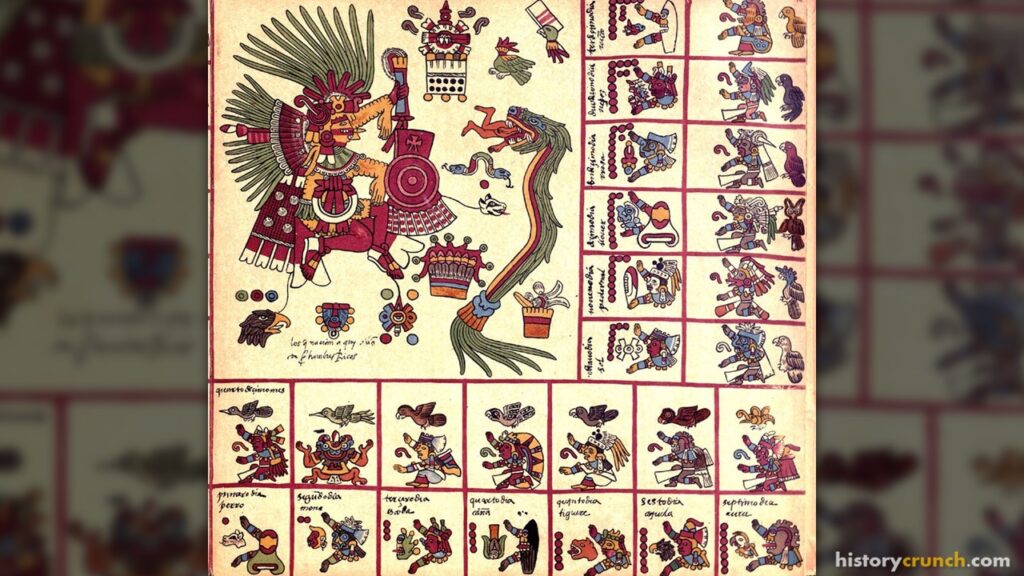
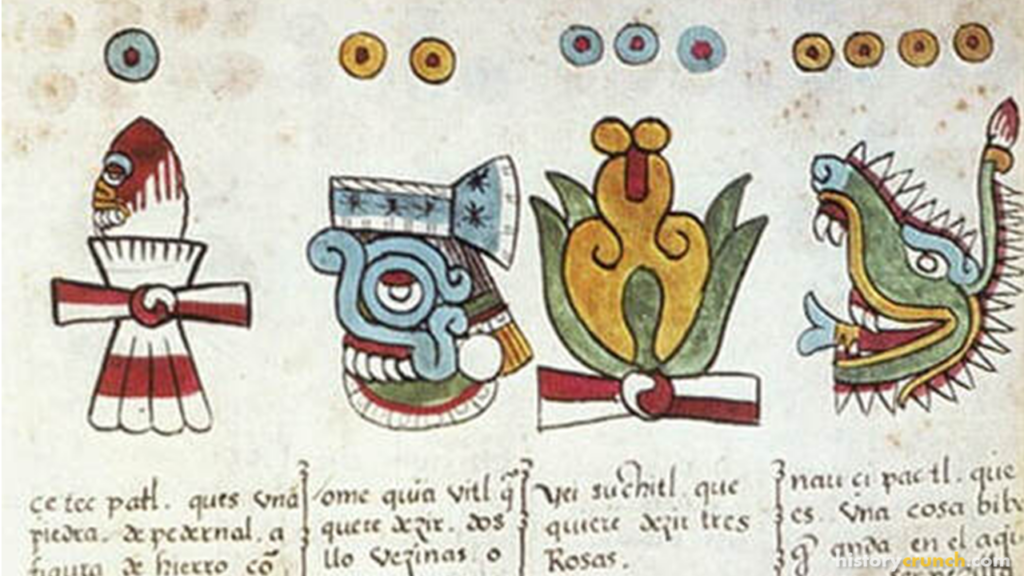
The second was a 260-day calendar that the Aztec referred to as tōnalpōhualli, which translated to ‘day count’. This calendar consisted of days made up of thirteen different numbers and twenty different ‘signs’. Therefore, the calendar was twenty periods that were each thirteen days long. The signs were things from the natural world such as wind, serpent, rabbit or flower. The thirteen different number were each supposed to represent a different god from the Aztec religion. Therefore, dates on this calendar were known by names such as: 1 crocodile, 2 wind and 3 house. The exact purpose of this calendar is not fully understood, but historians believe it was used to time their different rituals and festivals associated with their many gods.
AZTEC SUN STONE
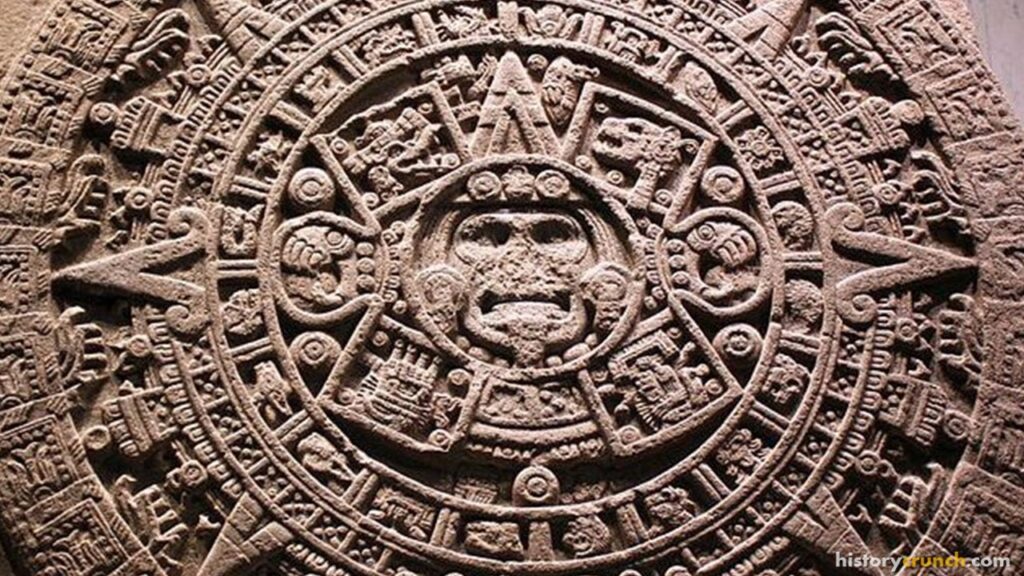
An important artifact related to these two Aztec calendars is the Aztec sun stone. It is a sculpture that historians believe was carved by the Aztecs sometimes between 1500 and 1520. The sun stone contains important carvings related to different aspects of Aztec history, religion and mythology. For instance, the central figure in the sun stone is Tonatiuh, who is considered to be the sun god of the Aztec. Furthermore, the Aztecs believed he was the leader of Tollan, which was said to be the mythological birthplace of the Aztec people. The images immediately around this central figure make reference to Aztec religious practices and historical periods of time. For instance, Tonatiuh is said to be holding a human heart in each of his hands, which was a common practice in Aztec human sacrifice. The rings that surround Tonatiuh, contain the signs from the 260-day tōnalpōhualli calendar discussed above. As well, the rings make reference to the nemontemi days from the 365-day xiuhpōhualli calendar.
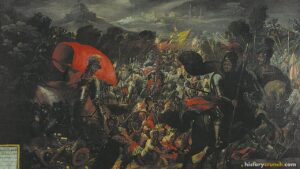
Finally, the sun stone’s outer ring contains two serpent heads, and their bodies encircle the entire stone. In all, the Aztec sun stone is 141 inches (358 centimeters) in diameter and 39 inches (98 centimeters) thick. As well it weighs over 48,000 pounds (22,000 kilograms). While historians believe that the sun stone was created before the arrival of the Spanish during the conquest of the Aztec, the stone was not discovered by modern people until 1790, during repairs on a cathedral in Mexico City. It had been buried following the Spanish conquest of the Aztec Empire in 1521. Since 1790, it has been studied continually for its significance to Aztec history.