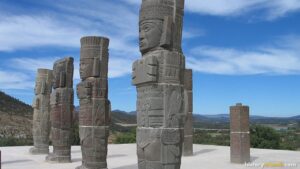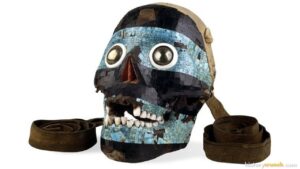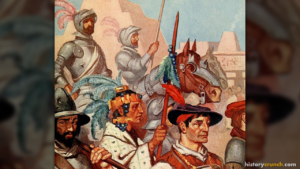
The Olmec are considered to be one of the earliest Mesoamerican societies and had a profound impact on later Mesoamerican societies, such as the Maya and the Aztecs. In particular, the Olmec are considered to be foundational to the Aztec similarly to other early Mesoamerican civilizations such as: Toltec and Teotihuacan.
WHO WERE THE OLMEC?
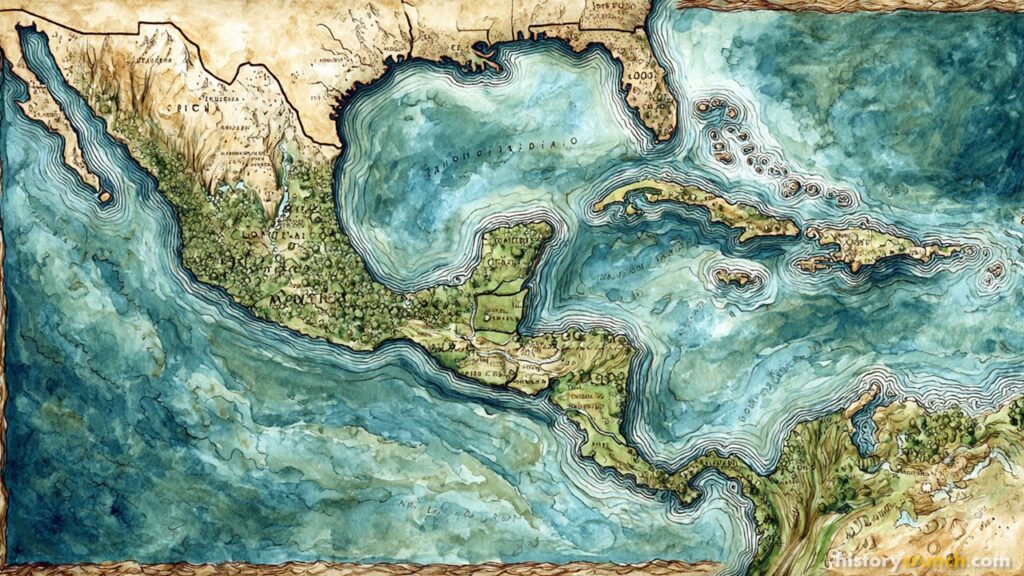
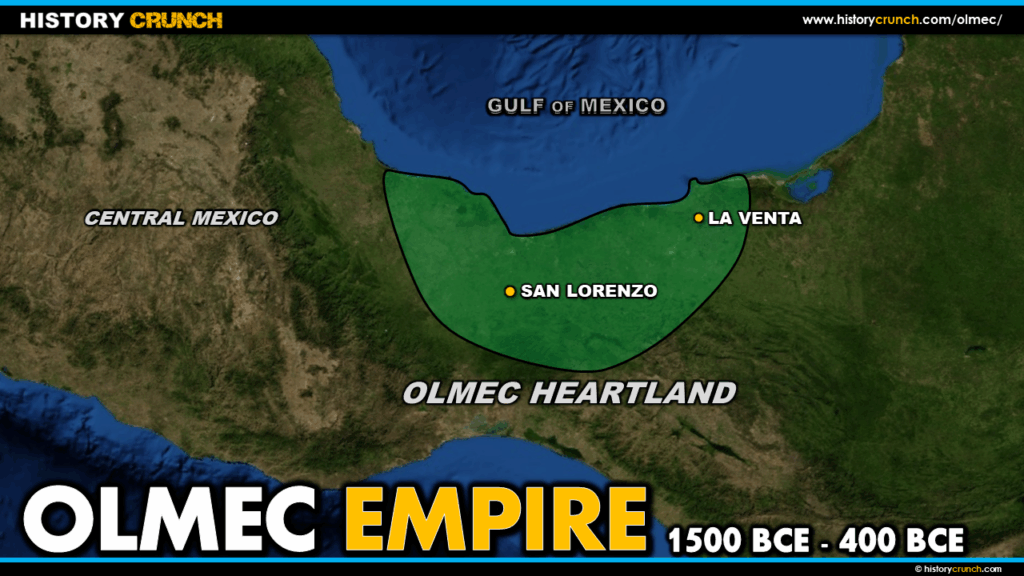
The Olmec civilization emerged out of south-central Mexico in the tropical lowlands. Today, this area is the modern Mexico states of Veracruz and Tabasco. The Olmec are considered to have been at their height as a civilization from about 1500 BCE to approximately 400 BCE. In Nahuatl, which was the language of central Mesoamerica (Aztecs), the word Olmec literally means ‘rubber people’.
During their reign in the region, the Olmec built several important centers, including: San Lorenzo and La Venta. San Lorenzo was the first main center for their civilization but it fell into decline around 900 BCE for reasons that historians do not fully understand. Regardless, La Venta became the next main center of the Olmec and lasted until 400 BCE with the collapse of the Olmec. Again, historians do not completely understand why or how the Olmec civilization collapsed but several theories have been suggested, such as: a civil war, invasion from another civilization, environmental collapse of the region, and volcanic activity that forced the population to flee.
OLMEC – CULTURE AND RELIGIOUS PRACTICES
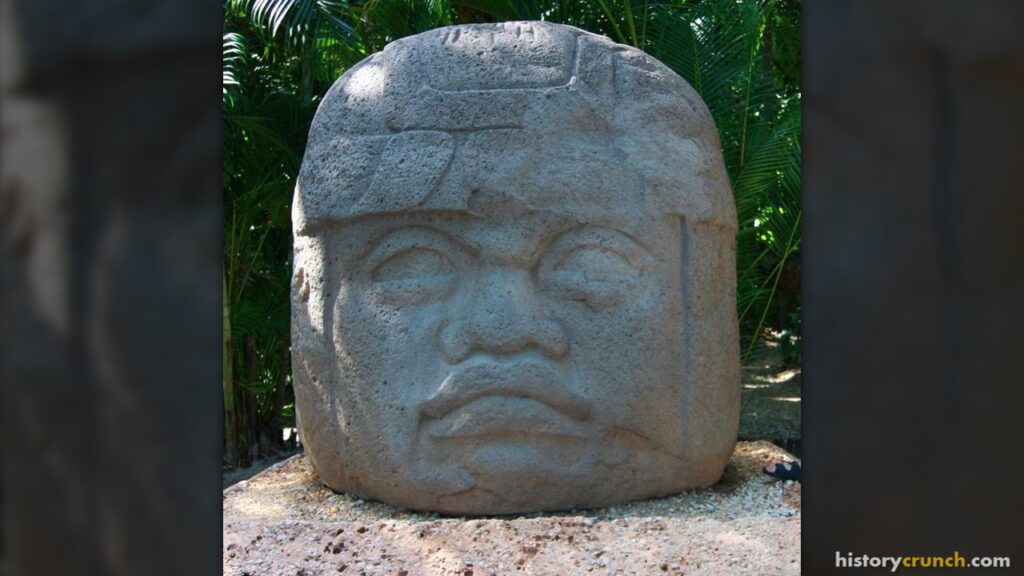
The Olmec had a profound impact on other Mesoamerican civilizations that came after them. In particular, the Aztec considered the Olmec to be a ‘foundational’ civilization to their own. For the Aztec, they respected the Olmec and their artistic abilities. The Olmec made all kinds of different art pieces, including: sculptures of humans and animals. However, they are probably best known for their colossal heads. Historians do not fully understand the meaning of the heads, which can be as large as 10 feet tall (3 meters), but theorize that they represent past rulers or ball players of the famous Mesoamerican ball game. The heads are usually decorated with helmets, which may have been worn during the ball game. Other markings include pictographs. No two heads are alike, leading historians to believe they represent actual people (rulers) from Olmec history. Only seventeen colossal heads have discovered in four different sites, making them exceptionally rare.
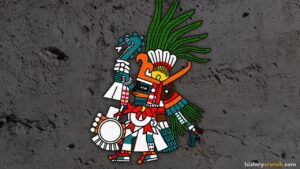
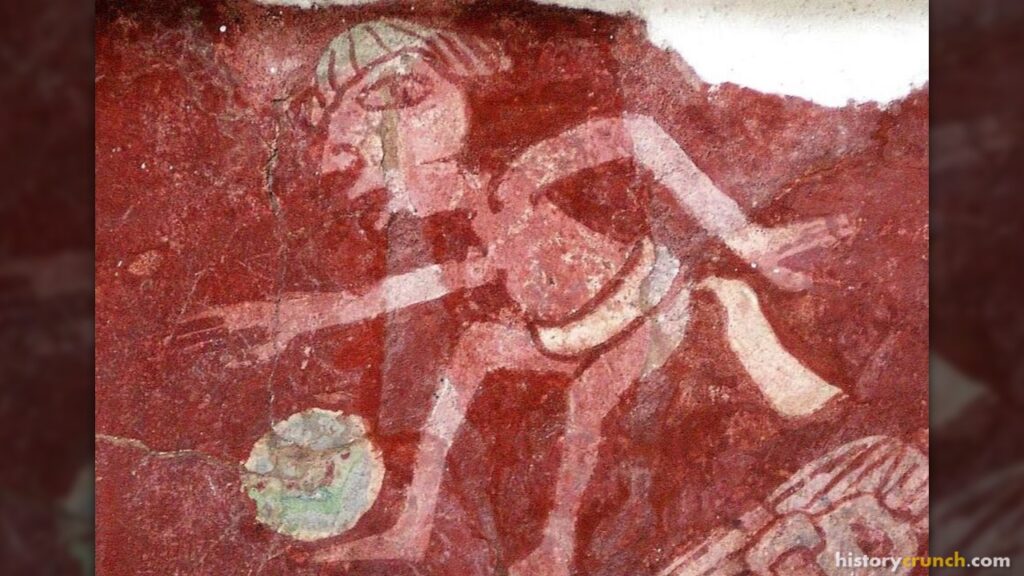
The Olmec are also important to other Mesoamerican civilizations because they were the first to do many different religious and cultural traditions that later Mesoamerican cultures followed. For example, historians believe that the Olmec were the first Mesoamerican civilization to do the following: bloodletting, human sacrifice, writing, Mesoamerican ballgame, calendar systems and the concept of zero. There is disagreement among historians about whether or not the Olmec were the originators of several of these features, but without any other main candidates, many credit the Olmec anyways. Religiously, the Olmec had several different gods, just like other Mesoamerican civilizations. In particular, the Olmec religion included a Feathered Serpent god that would also be important in later cultures, such as the Aztecs. For example, Quetzalcoatl was a prominent Mesoamerican god that was aid to have been in the form of a feathered Serpent and was vital to the Aztec.
OLMEC – LEGACY AND SIGNIFICANCE
In summary, the Olmec were an important early civilization in Mesoamerica and had a profound impact on later civilizations such as the Maya and Aztec. For example, the Aztec revered the Olmec for their artistic abilities. As well, later Mesoamerican civilizations adopted different cultural and religious practices from the Olmec.
In fact, the Olmec are considered by some historians to be the ‘mother culture’ of Mesoamerica due to its significant influence on later civilizations like the Maya and Aztec. They are renowned for their colossal stone heads, which showcase their advanced sculpting techniques. The Olmecs developed one of the earliest writing systems in the Americas, as well as complex calendar and religious systems. They also pioneered large-scale architectural projects, such as ceremonial centers and pyramids. Their trade networks spread Olmec cultural elements widely across Mesoamerica. As such, the Olmec left a considerable legacy in Mesoamerica and are one of the most significant civilizations from the region.