Charles Fourier, born on April 7th, 1772, in Besançon, France, was a radical social thinker and one of the founders of utopian socialismA belief that society can be made perfect through peaceful, cooperative communities rather than conflict or revolution.. His innovative ideas on cooperative living, labor organization, and social reform challenged the societal norms of his time and inspired future generations of social reformers. His ideas had a profound impact on the Industrial Revolution and the development of socialism.
 FactsthatCrunch
Charles Fourier argued that cooperation, not competition, was the key to improving life for all people in society. He proposed small self-contained communities called phalanxes where work was matched to people's interests and unpleasant jobs earned the highest pay, ideas that helped shape socialist thinking in Europe during the Industrial Revolution.
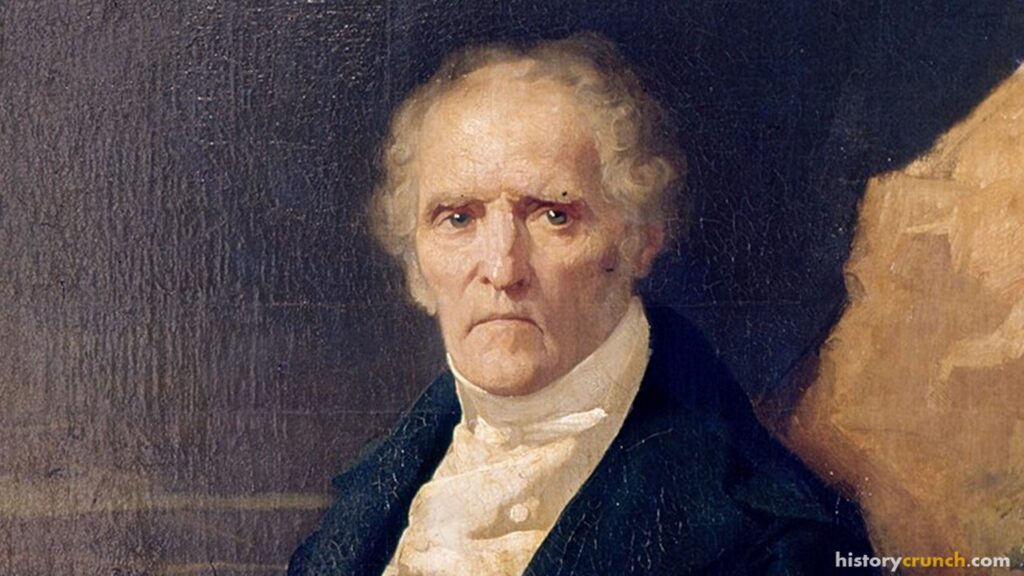
Charles Fourier – Early Life
Fourier was born on April 7th, 1772, in Besançon, France. His father, a cloth merchant, ensured that Fourier received a good education, which included studies at the local Jesuit college. Despite his family’s wealth, Fourier was deeply critical of the mercantile systemAn economic system built around trade and merchants accumulating wealth, which Fourier criticized as unjust. and the social injustices he observed.
FactsthatCrunchAs a small boy, Fourier swore a lifelong oath against commerce.
Fourier's father was a cloth merchant in Besançon, France. Fourier later wrote that as a child he was punished for telling a customer the truth about the goods in the family shop, and he vowed then to fight the dishonesty of trade. He spent his adult life criticizing merchants and competition.
Charles Fourier – Utopian Socialist
Charles Fourier is credited with being an early Utopian Socialist similar to Robert Owen. He wrote several works related to his socialist ideas which centered on his main idea for society: small communities based on cooperationThe idea that citizens should work toward a common goal rather than competing against each other.. In general, Fourier believed that poverty was one of society’s great issues and that it ultimately led to many other problems. He argued against the idea of competition in society, which is a principle of laissez-faire capitalism, and instead supported the idea that society should be more cooperative. Cooperation is the idea that citizens in a country should work towards a common goal rather than competing against each other.
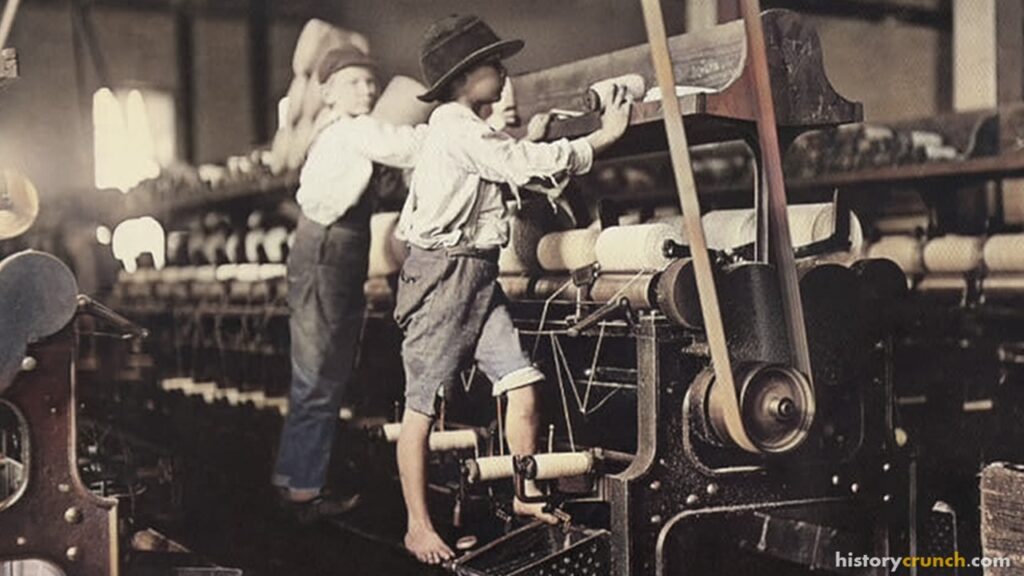
To achieve this goal, Fourier proposed the creation of relatively small communities that were self-contained and ran on the principle of cooperation. He argued that a society that was based on cooperation would improve life for all people in society, and not just the wealthiest. Today, these types of communities are referred to as co-operativesThe modern term for communities or businesses that are collectively owned and run on shared principles., whereas Fourier referred to them as ‘phalanxesFourier’s term for small, self-contained communities built on the principle of cooperation.’. In his view, these communities were constructed with a central living quarters or apartments, in which all people in the community lived together. People’s work in the community was determined by their interests and was compensated based upon people’s willingness to do that work. For example, work that people generally disliked doing received high pay. Fourier’s ideas ended up spreading around the world and influenced people to develop their own communities based on cooperation. For example, in the United States, the community of Utopia, Ohio was established in 1844 by followers of Fourier. The followers built the community in hopes of building the ‘perfect community’ which is why they named it Utopia. In the community, the followers were charged $25 per year for a house on a small parcel of land; however, the community remained collectively ownedBelonging to all members of a group together, rather than to any single person. by all of the community members. Unfortunately, the community broke up in 1846 after running short of money. A deadly flood in 1847 later struck a different group that had bought the land. Regardless, Fourier’s impact was significant as his ideas helped lead to the development of several cooperative-based communities across the world.
 FactsthatCrunch
Charles Fourier – Death and Legacy
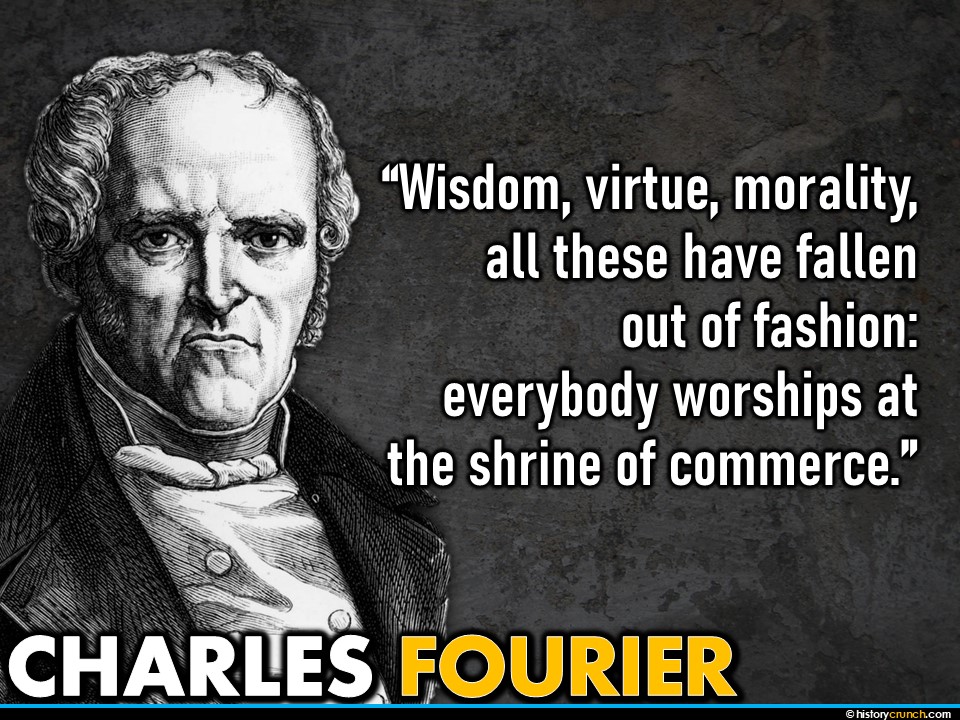
He died at the age of 65 on October 10th, 1837 in Paris, France. Today, Fourier is remembered as an early socialist and is often referred to as a Utopian Socialist along with Robert Owen. He is credited with introducing socialist ideas into Europe that helped transform society during the Industrial Revolution.
FactsthatCrunchWhy did the Fourierist community at Utopia, Ohio, break up in 1846, just two years after it began?
Key Vocabulary
Utopian socialism
Mercantile system
Laissez-faire capitalism
Cooperation
Phalanxes
Co-operatives
Collectively owned
Frequently Asked Questions
Who was Charles Fourier?
Charles Fourier was a French social thinker and one of the founders of utopian socialism. He was born on April 7th, 1772, in Besançon, France, into a wealthy merchant family. Even so, he criticized the trade system and the social injustices he saw around him.
What was a phalanx in Fourier’s ideas?
A phalanx was Fourier’s name for a small, self-contained community built on cooperation. People lived together in central apartments and shared the work of running the community. Today, communities like this are usually called co-operatives.
How did Fourier think work should be paid?
Fourier believed people should do work that matched their interests, and that pay should reflect how willing people were to do it. Jobs that most people disliked would earn the highest pay. This idea flipped the usual system, where hard or unpleasant jobs often paid the least.
What was Utopia, Ohio?
Utopia, Ohio, was a cooperative community started in 1844 by followers of Fourier. Members paid $25 per year for a house on a small piece of land, but the whole community was owned collectively. It broke up in 1846 after running short of money; the deadly flood of 1847 struck a different group that bought the land later.
Why did Fourier oppose competition?
Fourier believed competition, a core idea of laissez-faire capitalism, led to poverty and many other social problems. He argued that cooperation would improve life for everyone, not just the richest people. In his view, citizens should work toward a shared goal instead of competing.
How is Charles Fourier remembered today?
Fourier is remembered as an early socialist, often grouped with Robert Owen as a utopian socialist. He died on October 10th, 1837, in Paris at the age of 65. His ideas helped spread socialist thinking in Europe during the Industrial Revolution and inspired cooperative communities worldwide.
Cite This Article
To cite this article as a source, use one of the formats below.
MLA: Beck, Elias. “Charles Fourier: A Detailed Biography.” HistoryCrunch, 26 September 2026, https://historycrunch.com/charles-fourier/.
APA: Beck, E. (2026). Charles Fourier: A Detailed Biography. HistoryCrunch. https://historycrunch.com/charles-fourier/
Chicago: Beck, Elias. “Charles Fourier: A Detailed Biography.” HistoryCrunch. September 26, 2026. https://historycrunch.com/charles-fourier/
Sources
- Joel Mokyr, The Enlightened Economy.
- The Science Museum Group