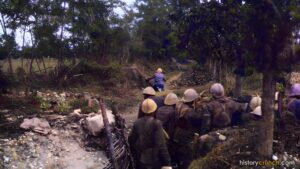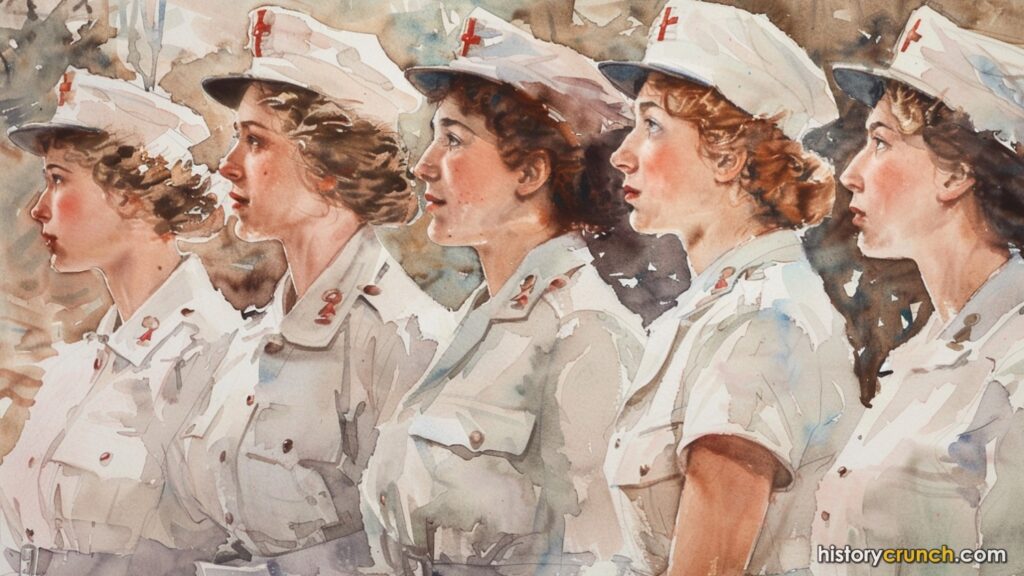
Women played an important role in the events of World War I. For instance, World War I brought about significant changes in society and gender roles, as women across the globe stepped into new roles and made considerable contributions to the war effort. This article investigates the role of women in World War I, drawing examples from various countries including Australia, Britain, Canada, France, Germany, Russia and the United States.
 FactsthatCrunch
Role of Women in World War I – Workforce
One of the primary ways that the role of women changed in World War I was their entry into the workforce. Prior to World War I, most jobs, especially manufacturing jobs, were completed by men. However, with the start of the First World War, men from many countries were either conscriptedLegally required by the government to serve in the military, whether or not a person wants to. to go to war or volunteered. As such, this created a need for a new workforce, which paved the way for women to enter workplaces that they had previously never been.
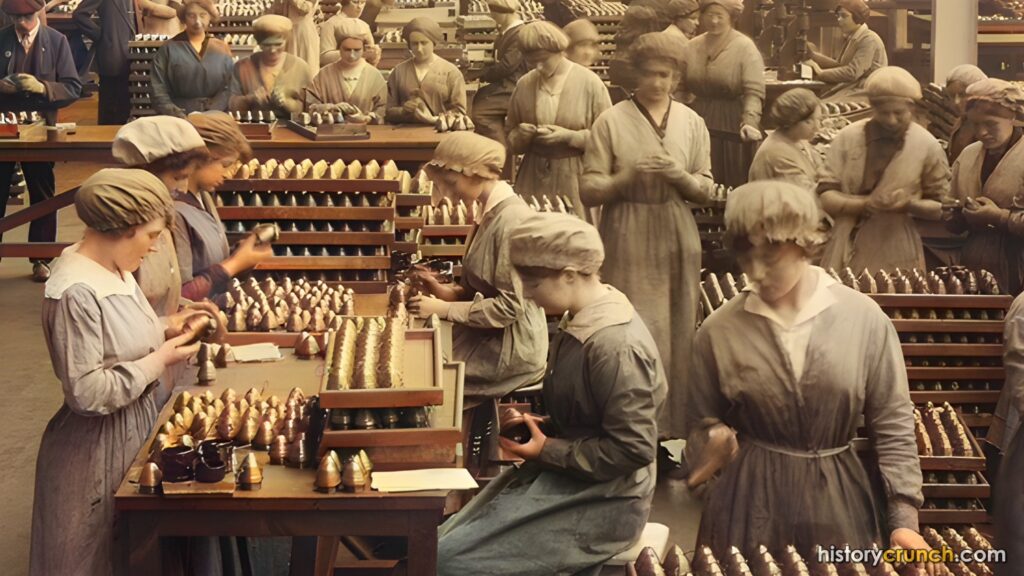
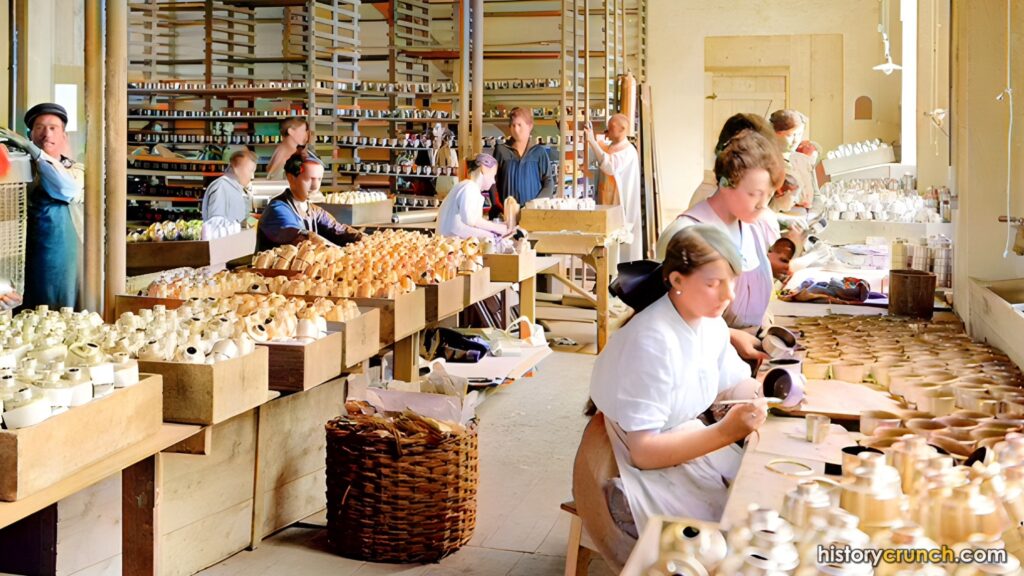
More specifically, in Britain, Canada, and the United States, women entered the workforce in large numbers to fill roles traditionally held by men who were fighting in the war. They worked in munitionsMilitary supplies such as weapons, bullets, and explosives made in factories for use in war. factories, producing weapons, ammunition, and equipment essential for the war effort.
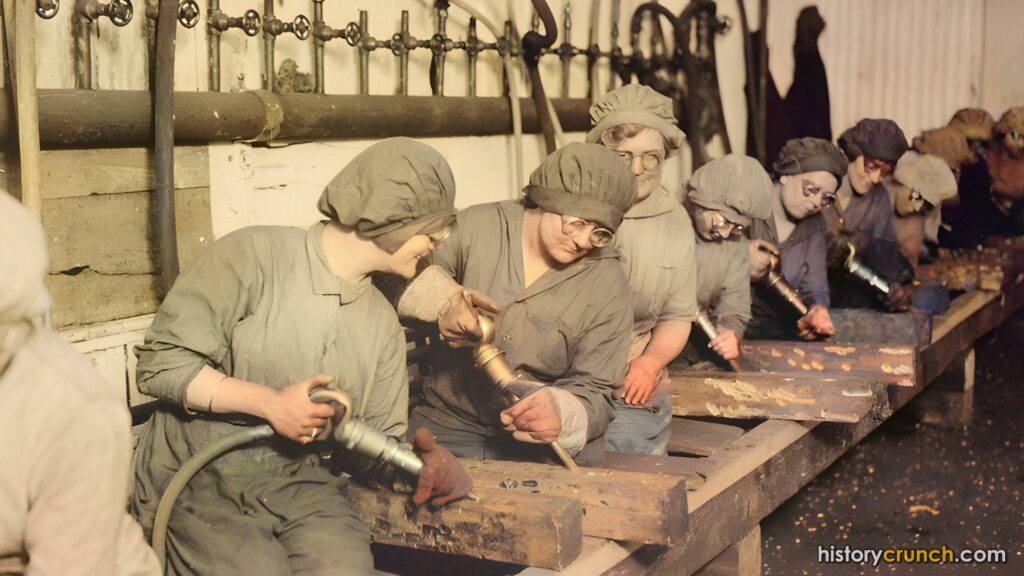
This was an incredibly important change for the lives of many American women, because before the start of World War I most women did not work outside of the home. Not only were many women working for the first time, but they were also working in jobs that were generally employed by men. This included jobs in heavy industry, manufacturing, police, firefighters, etc. This was the first time in American history that American women had worked in many of these positions and in such large numbers. The contributions of women in these roles were significant as it helped maintain American society at a difficult time while also supplying the necessary resources for the war.
 FactsthatCrunch
Munitions are military supplies such as weapons, bullets, and explosives made in factories for use in war. Armies depend on a steady supply of munitions to keep soldiers equipped on the front lines. During World War I, producing enough munitions became a major challenge for every country involved in the fighting.
Women in Britain, Canada, and the United States worked in munitions factories during World War I, producing weapons and ammunition that soldiers needed at the front.
Role of Women in World War I – Nursing
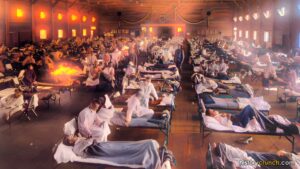
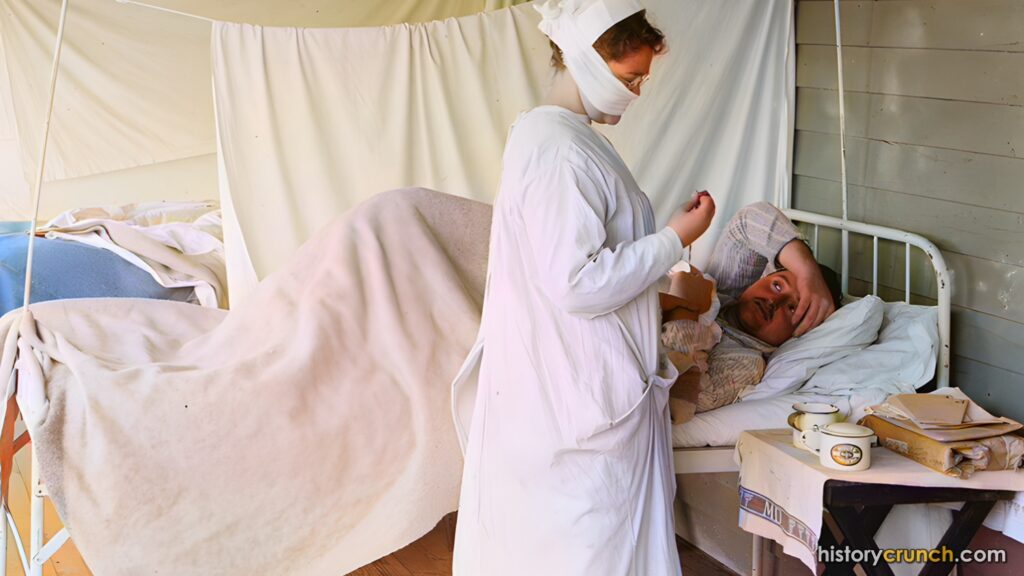
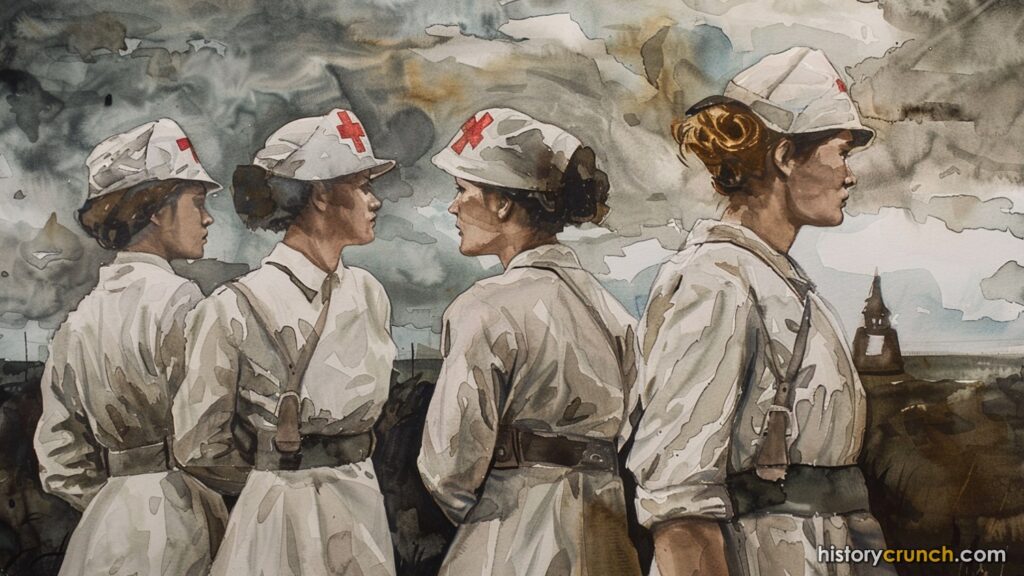
Women also served as nurses and medical personnel on the front lines and in field hospitals, providing essential care to wounded soldiers. In Australia and Britain, organizations like the Voluntary Aid Detachments (VADs) and the Australian Army Nursing Service (AANS) recruited and trained women to serve as nurses. These women displayed bravery and compassion in the face of adversity, often working under harsh conditions and risking their lives to save others.
In the United States, over 21,000 American women served as nurses in the United States Army during World War I. They often served near the battlefields and were important in aiding injured soldiers on the front lines of battle.
Role of Women in World War I – Military
For the most part, women did not serve in direct fighting roles in the militaries of World War I. However, that does not dim their contributions to the overall war effort. For instance, in Germany, women served in auxiliarySupporting roles that help the main military force but do not involve direct combat fighting. roles such as clerks, telegraph operators, and ambulance drivers, freeing up men for combat duties.
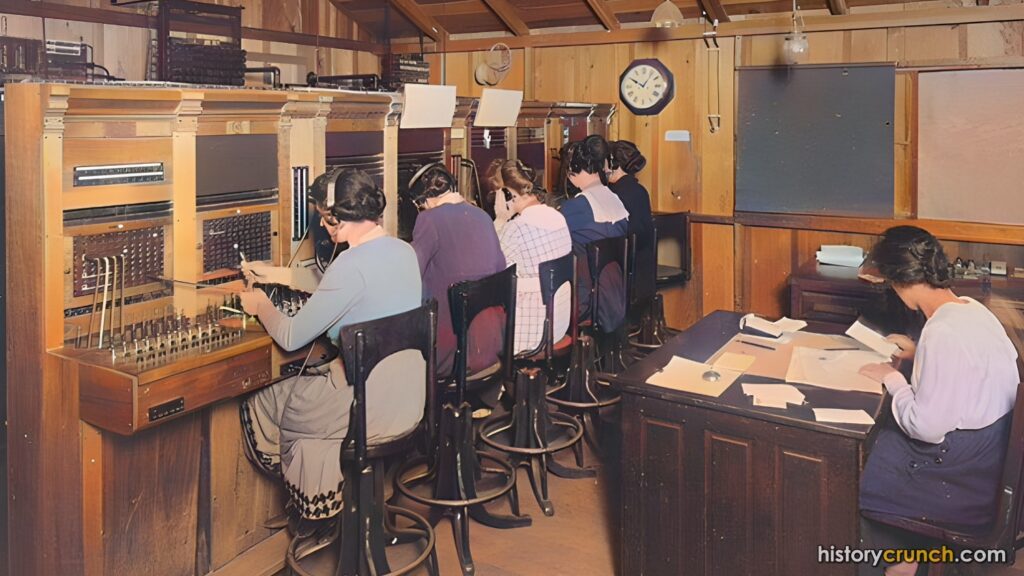
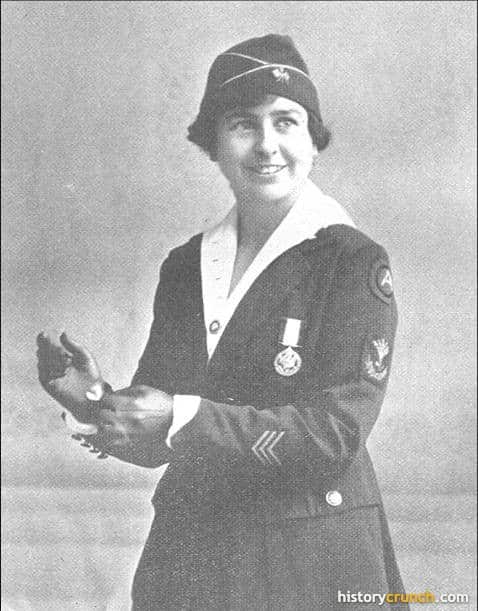
As well, in the United States, more than 13,000 American women enlisted in the United States Navy. They were primarily posted in positions in the United States and helped with duties toward the war effort. As well, about 450 women were trained as switchboard operators for the Signal Corps Female Telephone Operators Unit, and 223 of them served in France. They relayed messages and were bilingualAble to speak and work in two languages fluently. in both English and French. At the time, they were known as the ‘Hello Girls’ by soldiers.
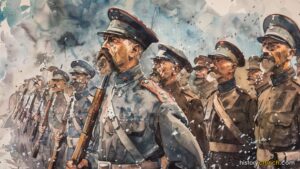
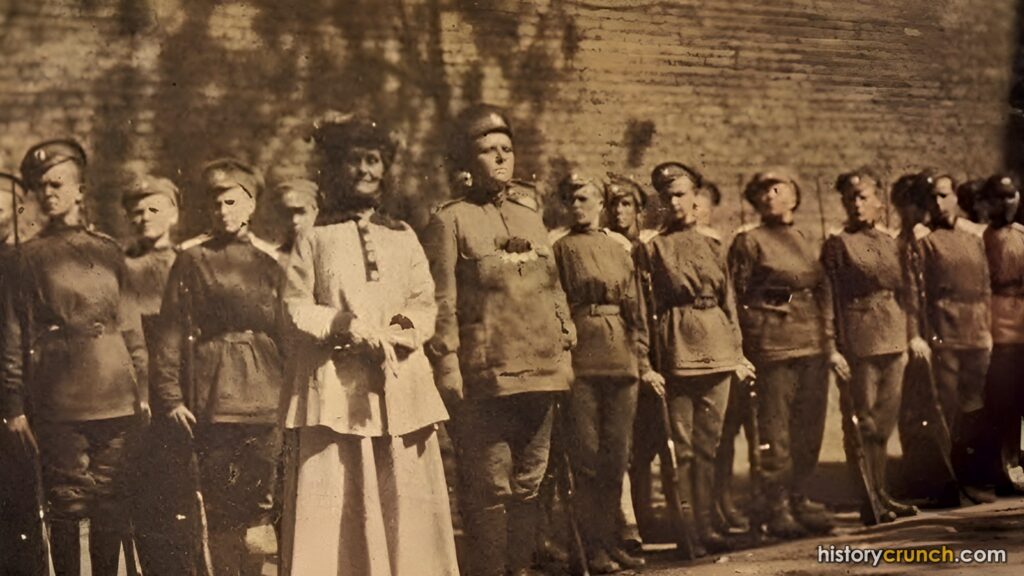
In Russia, women played significant roles in supporting the military effort, including serving as soldiers, pilots, and combat medics. The Women’s Battalion of Death, formed in Russia in 1917, was composed entirely of female soldiers who fought on the front lines alongside men.
Role of Women in World War I – the Home Front
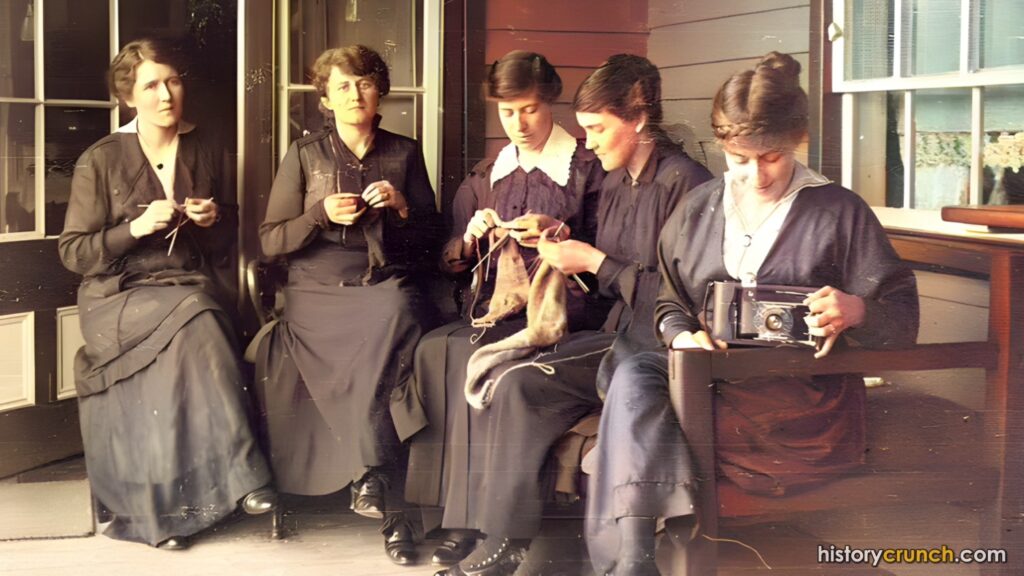
Women on the home front played vital roles in supporting the war effort through various activities such as fundraising, rationingLimiting how much food or other goods each person can use so more can be sent to soldiers., and volunteering. In France, women were actively involved in relief work, providing aid to soldiers and civilians affected by the war. In Australia, women participated in patriotic fundraising campaigns and knitted socks, scarves, and other essentials for soldiers serving overseas.
In Canada, the Canadian government created initiatives to control the production and use of resources to ensure that as many resources were being put towards the war effort as possible. For example, citizens on the home front (primarily women) were required to ration food items and other resources in order to save them for use on the frontlines.
 FactsthatCrunch
 Black & whiteColor
Role of Women in World War I – the Right to Vote
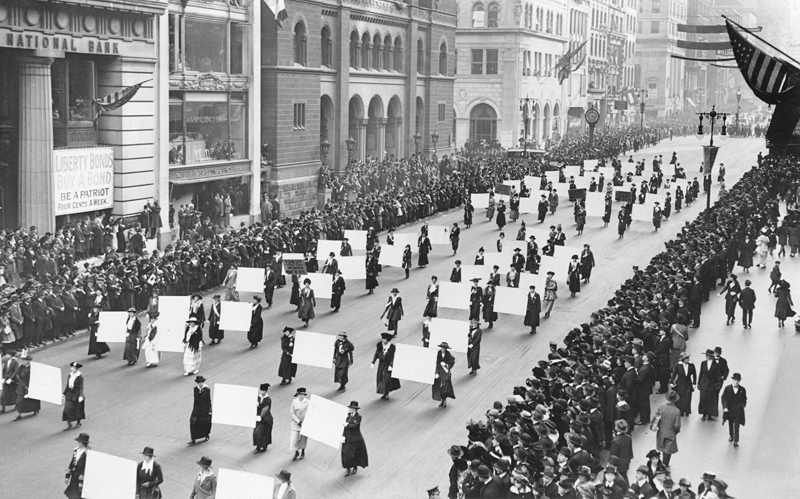
World War I also proved important for the women’s suffrageThe legal right to vote in political elections, which many women did not have before World War I. movement (right to vote) in many countries. Before World War I, women across much of Europe and North America were unable to vote. However, the contributions of women during the war, along with the increased political activism led to changes that ultimately resulted in many women gaining the right to vote for the first time.
In Britain, the war helped advance women’s suffrage, with the Representation of the People ActA British law passed in 1918 that granted voting rights to certain women for the first time. of 1918, granting voting rights to certain women. In America, the contributions of women to the war effort played a significant role in securing the ratification of the 19th Amendment in 1920, granting women the right to vote.
In Canada, Canadian women in Manitoba, Saskatchewan, and Alberta gained the right to vote in 1916. Finally in 1918, the federal government of Canada gave most women the right to vote (suffrage) in federal elections. The women’s suffrage movement in Canada occurred at roughly the same time as similar suffrage movement in other countries, such as Britain and the United States.
 FactsthatCrunch
Which women's voting milestone matches each country or law?
Explore World War I
Keep exploring World War I with these History Crunch resources.
Key Vocabulary
Conscripted
Munitions
Auxiliary
Bilingual
Rationing
Suffrage
Representation of the People Act
Frequently Asked Questions
What jobs did women do during World War I?
Women took on many jobs that men had left behind when they went to war. They worked in munitions factories making weapons and ammunition, and in heavy industry, police work, and firefighting. In many countries this was the first time women worked outside the home in such large numbers.
Did women serve as soldiers in World War I?
Most women did not serve in direct combat roles during World War I. Russia was a notable exception, where the Women’s Battalion of Death, formed in 1917, fought on the front lines. Elsewhere, women filled auxiliary military jobs like clerks, telegraph operators, and ambulance drivers.
Who were the “Hello Girls”?
The “Hello Girls” were American women trained as switchboard operators for the Signal Corps Female Telephone Operators Unit, and 223 of them served in France. They relayed messages for the United States military and were fluent in both English and French. Soldiers gave them their nickname because of the work they did connecting phone calls.
How did World War I help women gain the right to vote?
Women’s contributions during the war helped push many countries toward giving them the right to vote. In Britain, the Representation of the People Act of 1918 granted voting rights to certain women. In the United States, the 19th Amendment passed in 1920, and Canada gave most women the federal vote in 1918.
What role did women play as nurses in World War I?
Women served as nurses on the front lines and in field hospitals, caring for wounded soldiers. Over 21,000 American women worked as nurses in the United States Army, often near the battlefields. Groups like the Voluntary Aid Detachments and the Australian Army Nursing Service also trained women for this dangerous work.
Cite This Article
To cite this article as a source, use one of the formats below.
MLA: Beck, Elias. “Role of Women in World War I: A Detailed Summary.” HistoryCrunch, 30 September 2026, https://historycrunch.com/role-of-women-in-world-war-i/.
APA: Beck, E. (2026). Role of Women in World War I: A Detailed Summary. HistoryCrunch. https://historycrunch.com/role-of-women-in-world-war-i/
Chicago: Beck, Elias. “Role of Women in World War I: A Detailed Summary.” HistoryCrunch. September 30, 2026. https://historycrunch.com/role-of-women-in-world-war-i/
Sources
- Fordham Modern History Sourcebook
- Imperial War Museum
- Hew Strachan, The First World War.