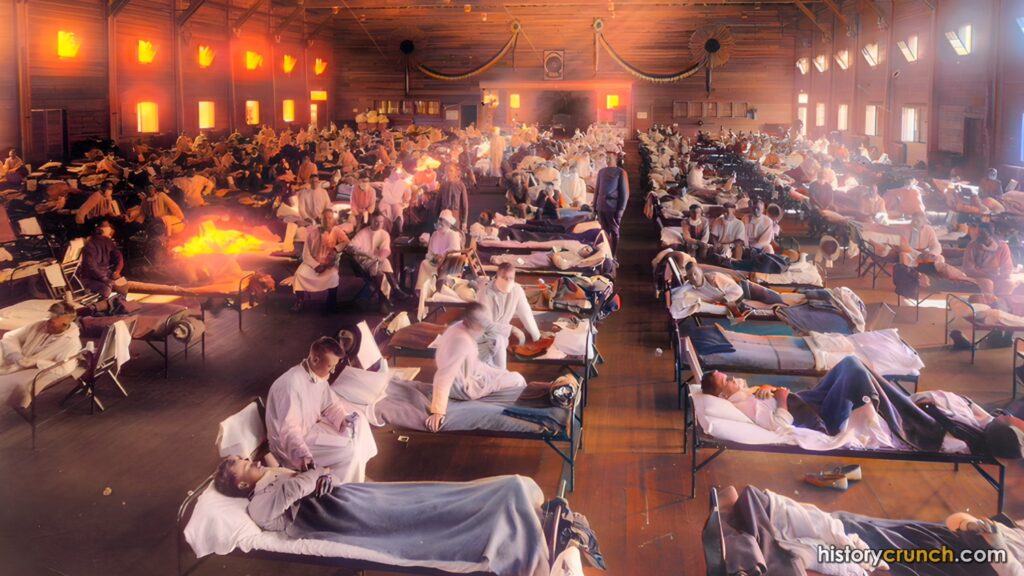
The Flu PandemicAn infectious disease that spreads across a wide area, including the entire planet. of 1918, which is also referred to as the Spanish Flu, was one of the most significant events of the early 20th century. It was a pandemic, which is the term used to describe the spread of an infectious disease over a wide area including the entire planet. In fact, the Flu Pandemic of 1918 is one of the most important pandemics in human history and had a profound impact on the lives of millions of people. It was the deadliest pandemic of the 20th century. For instance, it is estimated that as many as 500 million people were infected with the H1N1 influenza A virusThe specific virus that caused the 1918 flu pandemic; its genes most likely came from a bird flu virus., which was the virus that caused the event. Furthermore, historians estimate that as many as 50 million people died as a result of the pandemic. Due to the timeframe that it occurred in, the Flu Pandemic of 1918 is often associated with the end of World War I.
 FactsthatCrunch
A pandemic is an infectious disease that spreads across a very wide area, including the entire planet. It differs from a local outbreak because it crosses country borders and affects people on multiple continents. The 1918 Flu Pandemic, caused by the H1N1 influenza A virus, is one of the most studied pandemics in history.
The Flu Pandemic of 1918 became a true pandemic by the summer of 1918, when cases had been reported across North Africa, India, Japan, and Australia, meaning the disease had spread to every part of the globe.
What Caused the Flu Pandemic of 1918?
As stated above, the virus that caused the 1918 Flu Pandemic was the H1N1 influenza A virus. It was an influenza (flu) virus that was AvianRelating to birds; used here to describe the bird-adapted origin of the 1918 flu virus. in origin, meaning its genes most likely came from a flu virus found in birds. The virus was highly infectious, which caused it to spread easily among the populations of the world.
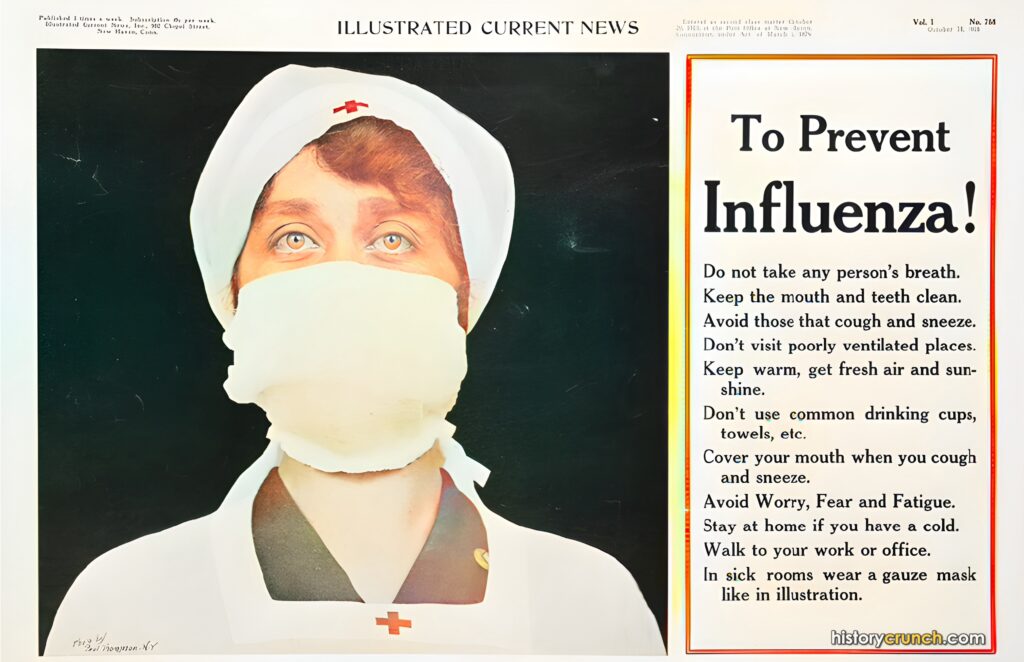
The H1N1 influenza A virus was similar to other influenza viruses in how it spread but was much more infectious and deadly. For instance, it is believed that the virus spread by droplets (and other bodily fluids) that were created when people coughed or sneezed. This was a contributing factor to how the virus was able to spread worldwide and become a deadly pandemic. Furthermore, there was no vaccine at the time for the virus, so societies were only able to combat the pandemic with other measures, such as: physical distancing, masks, and hygiene etiquette.

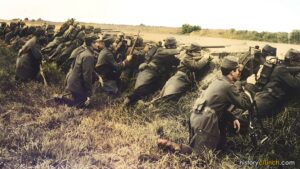
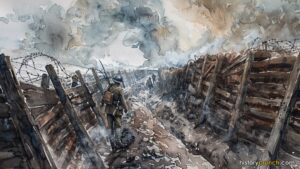
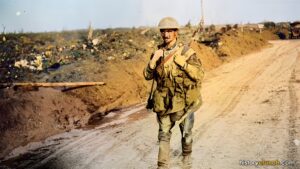
Another factor for the spread of the virus was the events of World War I. In 1918, the fighting of World War I was still occurring and set the stage for the pandemic. For example, soldiers who were fighting in the European trenches of World War I were living in close quarters, which helped the virus spread easily. As well, many of the soldiers were suffering from poor nutrition and dirty conditions which may have lessened the ability of their immune systemsThe body’s natural defense network that fights off viruses and other infections. to fight the virus. Next, due to the nature of the war, the nations of the world were unwilling to work together to publicize or fight the spread of the virus. In fact, the major European powers of the time downplayed its impact as a propagandaInformation spread by a government to shape public opinion, often by hiding or downplaying bad news. technique. Finally, World War I helped spread the virus because soldiers were being transported long distances in close quarters. For instance, many of the soldiers were transported on trains and ships, which meant they were in very close quarters for extended periods. Not only did this help spread the virus between the soldiers, but it also helped the virus spread geographically, which caused it to become a pandemic.
Historians disagree on when and where the virus first emerged. For example, different theories have been put forward on where the virus first began, including: China, Europe and the United States. While there were some earlier cases, the first documented case of the virus occurred on March 4th, 1918 in Kansas, United States. Regardless, it was given the name of the ‘Spanish Flu’ due to the Spanish press being the first to openly document and report on its devastating impacts. Because the name ‘Spanish Flu’ is not necessarily representative of the actual virus, modern historians refer to it as the ‘Flu Pandemic of 1918’.
 FactsthatCrunch
Tap each impact to read what it led to.
Symptoms of the Flu Pandemic of 1918
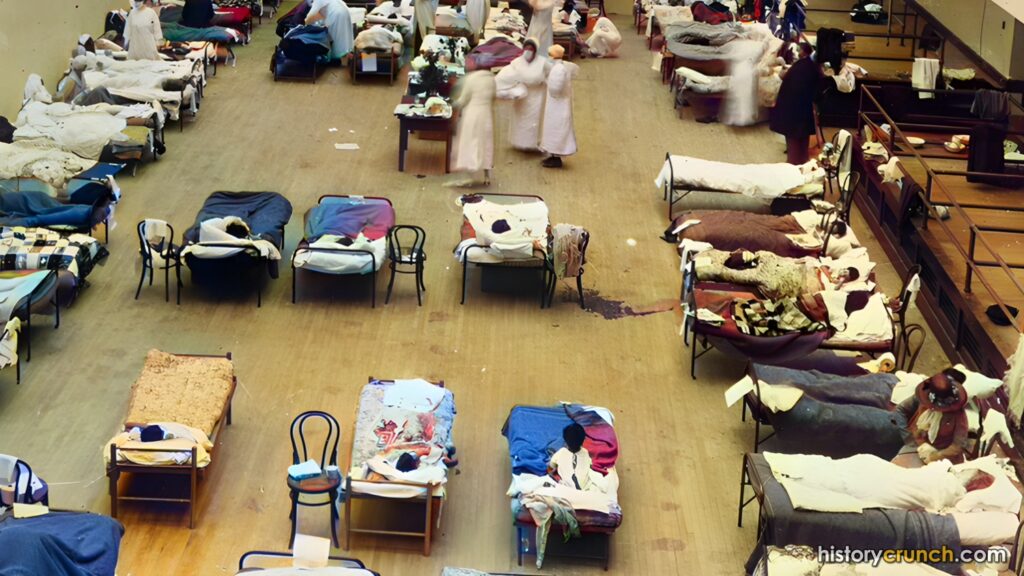
Since the virus that caused the Flu Pandemic of 1918 was an influenza virus, the symptoms were similar to most other types of influenzas. For instance, common symptoms of the 1918 pandemic included: a sore throat, headache, and fever. However, as the virus spread throughout the world it brought with it many other complications. For example, bacterial pneumoniaA dangerous lung infection caused by bacteria, and the main cause of most deaths in the pandemic. was a more common outcome during the deadly second wave of the Flu Pandemic of 1918.
Bacterial pneumonia was a dangerous condition and was the main cause of most of the deaths in the pandemic. People who suffered from bacterial pneumonia during the pandemic had other symptoms, which included: fluid in the lungs, dizziness, confusion, insomnia, loss of hearing or smell, and blurred vision. Another significant symptom was spontaneous bleeding from the nose, mouth, ears, etc. These patients usually presented with discoloration of their skin in several different ways. For instance, a common feature during the pandemic was the presence of mahogany spots on the cheek bones. This was usually followed by a blue coloration of the person’s face and a blackening of the limbs and torso. Those suffering from these more extreme symptoms usually died within hours, from a build up of fluids in their lungs.
 FactsthatCrunch
There are national circumstances in which the major duty is to 'carry on', even when risk to health and life is involved.
Newsholme was explaining why he shelved a July 1918 memo warning the public about the flu so that Britain's war effort could continue, and this official silence in the warring nations is exactly why the disease became known as the Spanish Flu: neutral Spain had no wartime censorship, so its newspapers were the first to report openly on the outbreak, even though the illness did not start there.
History of the Flu Pandemic of 1918
The Flu Pandemic of 1918 unfolded as a series of four waves that stretched from 1918 to 1920. The first wave of the pandemic is considered to have begun in March of 1918 and continued until July of the same year. This is when American military personnel were identified to have the virus in Kansas at Camp Funston. Just a few months later it had spread throughout parts of the United States and Europe. For example, cases of the virus were reported on the Western Front in mid-April of 1918. From there it continued to spread to other parts of the world. For instance, by May of 1918 the virus was reported in areas of North Africa, India, and Japan. China first reported cases in June, while Australia reported cases in July. By this point it had truly become a pandemic, as it impacted the entire globe.
The first wave of the Flu Pandemic of 1918 was mild in comparison to the later waves. In fact, the mortality rateThe rate at which people die from a disease within a given population or time period. (rate of death) was not necessarily worse than previous seasonal flu outbreaks. In total, the United States reported about 75,000 related deaths during the months of the first wave. In comparison, it had suffered about 63,000 influenza related deaths during the same timeframe in 1915. As such, nations of the world did not necessarily take the outbreak seriously and very few measures were put in place to slow the spread of the virus.
The second wave of the Flu Pandemic of 1918 was much more deadly. This wave began in August of 1918 and continued until the end of that year. The second wave saw the virus spread further throughout the United States and Canada. The spread of the virus was made worse by the ongoing events of World War I. Both the United States and Canada were involved in the war, at this point, and the movement of soldiers caused the virus to spread further. For instance, during the second wave, increased cases were reported in Central and Southern Africa, Central America, Southern America and Russia. As it spread, the virus infected millions of people and resulted in many deaths. For instance, during the time frame of the second wave it is estimated that as many as 292,000 Americans died from the virus. This was a sharp increase from the first wave and dramatically higher than in previous years.
The third wave of the pandemic began in January of 1919. During this time, the virus re-emerged in Australia and eventually spread again to Europe and North America. The third wave was devastating for certain areas including Spain, Serbia, Mexico and Great Britain. It is estimated that hundreds of thousands of people died in these countries during the outbreak of the third wave. The United States suffered localized outbreaks during this time in major cities, including Los Angeles, New York City, Memphis, Nashville, San Francisco, and St. Louis. The third wave ended in June of 1919.
The fourth and final wave of the pandemic began in the winter of 1920. This wave was much smaller in scale than the rest and only saw the virus emerge in very localized places. For example, New York City saw a small outbreak of the virus, but it did not spread widely throughout the rest of the region. Austria, Britain and Japan also saw some small-scale outbreaks. The fourth wave ended in the spring of 1920.

Can you put the four waves of the 1918 Flu Pandemic in the order they began?
Impacts of the Flu Pandemic of 1918
In total, it is estimated that 500 million people were infected with the H1N1 influenza A virus during the Flu Pandemic of 1918. This means that around one third of the entire population of the world was infected. As well, it is believed that 50 million people died as a result of the spread of the virus. Although, it should be noted that many historians believe that the virus may have killed as many as 100 million people. Medical record keeping at the time was not efficient enough to provide reliable data. Regardless, the influenza outbreak that lasted from 1918 until 1920 was devastating and the worst known influenza outbreak in human history. In fact, the mortality rate (rate of death) was at least ten times higher than previous seasonal influenzas. As well, historians believe that the virus may have killed as much as 5% of the world’s population at the time. For comparison, it is estimated that World War I resulted in approximately 20 million deaths. Therefore, the number of people who died as a result of the 1918 Flu Pandemic was enormous.
An important aspect of the Flu Pandemic of 1918 was how it impacted different groups of people. For example, most influenza outbreaks (in the past and still today) negatively impact the very young and the very old more than mid-aged adults. However, a unique feature of the Flu Pandemic of 1918 was that while it did negatively impact the very young and very old, it also proved to be quite deadly for people between the ages of 20 to 40. Historians and medical professionals do not fully understand why this occurred but the events of World War I are believed to have played a role. Many of the soldiers in the war were between the ages of 20 and 40 years old and may have been infected at a higher rate due to the conditions under which they lived while fighting in the war. For instance, the soldiers were often in close quarters and sometimes lacked basic nutrition and hygiene.
As an event, the Flu Pandemic of 1918 has become a major source of information for modern people about the nature and impacts of pandemics. In fact, it has been widely studied and helped form responses for more modern pandemics, including the H1N1 outbreak of 2009 and the Covid-19 Pandemic of 2020.
Explore World War I · 1914 – 1918
Keep exploring World War I with these History Crunch resources.
Key Vocabulary
Pandemic
H1N1 influenza A virus
Avian
Mortality rate
Bacterial pneumonia
Immune systems
Propaganda
Frequently Asked Questions
How many people died in the Flu Pandemic of 1918?
About 50 million people are believed to have died in the Flu Pandemic of 1918. Some historians think the true number may have reached 100 million because record keeping was poor. Around 500 million people were infected, which was roughly one third of the world’s population at the time.
Why was it called the Spanish Flu?
It was called the Spanish Flu because the Spanish press was the first to openly report on its deadly impact. Other nations at war downplayed the outbreak, so it seemed to be worse in Spain. The virus did not actually start there, so historians now prefer the name Flu Pandemic of 1918.
How did World War I help spread the virus?
World War I spread the virus by keeping soldiers in close, crowded quarters where illness passed easily. Poor food and dirty conditions weakened the immune systems of many troops. Soldiers were also moved long distances on trains and ships, which carried the virus around the globe.
Why was the pandemic so deadly for young adults?
The pandemic was unusually deadly for people between the ages of 20 and 40, which most flu outbreaks are not. Historians do not fully understand why this happened. The events of World War I likely played a role, since many soldiers in that age group lived in crowded and unhealthy conditions.
How many waves did the Flu Pandemic of 1918 have?
The Flu Pandemic of 1918 came in four waves that stretched from 1918 to 1920. The first wave, in the spring of 1918, was fairly mild. The second wave, from August to the end of 1918, was by far the deadliest and caused most of the deaths.
How was the pandemic fought without a vaccine?
There was no vaccine at the time, so people relied on simple public health measures. These included physical distancing, wearing masks, and good hygiene habits. The lessons learned later helped shape responses to newer outbreaks like the H1N1 flu of 2009 and Covid-19 in 2020.
Cite This Article
To cite this article as a source, use one of the formats below.
MLA: Beck, Elias. “Flu Pandemic of 1918 (Spanish Flu): A Detailed Summary.” HistoryCrunch, 30 September 2026, https://historycrunch.com/flu-pandemic-of-1918-spanish-flu/.
APA: Beck, E. (2026). Flu Pandemic of 1918 (Spanish Flu): A Detailed Summary. HistoryCrunch. https://historycrunch.com/flu-pandemic-of-1918-spanish-flu/
Chicago: Beck, Elias. “Flu Pandemic of 1918 (Spanish Flu): A Detailed Summary.” HistoryCrunch. September 30, 2026. https://historycrunch.com/flu-pandemic-of-1918-spanish-flu/
Sources
- John Keegan, The First World War.
- Fordham Modern History Sourcebook
- Margaret MacMillan, The War That Ended Peace.
- Hew Strachan, The First World War.