The Age of Imperialism was one of the most important periods in modern world history, and it was driven above all by a small group of powerful nations that raced to build empires across the globe. Understanding which countries took part in imperialism, and how each of them expanded, helps explain how so much of the world came under foreign control in a relatively short span of time. These imperial powers included several major European nations, along with the United States and Japan, and together they reshaped the political map of Africa, Asia, and the Pacific. Their competition for land, resources, and influence had lasting effects that can still be seen in the world today.
Imperialism is the term historians use to describe the process by which one country extends its political, economic, or cultural authority over another country or region. A nation that practiced imperialism, sometimes called an imperial power, used its military strength, wealth, and technology to control distant peoples and territories. During the Age of Imperialism, which lasted from about the mid-18th century until the outbreak of World War I in 1914, a handful of nations became the leading imperial powers and divided much of the world among themselves.
Major European Nations of the Age of Imperialism
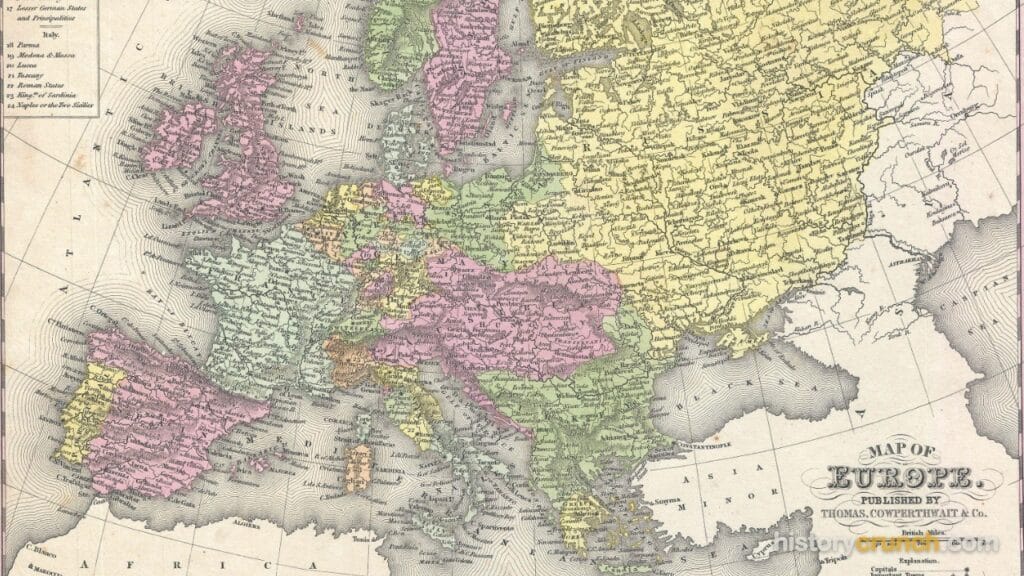
The most powerful imperial nations of the era were located in Western Europe. In fact, the leading European powers of the time included Britain, France, Germany, Belgium, Italy, Portugal, and Spain. Each of these nations built colonies overseas, though some controlled far more territory than others.
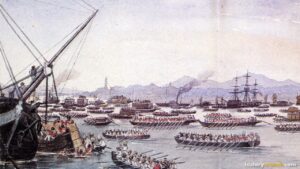
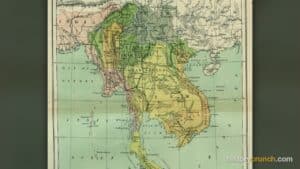
Britain was the largest and most successful of the imperial powers, and its empire became so vast that people often said the sun never set on it. British colonies stretched across every inhabited continent, and included major possessions in India, Africa, and parts of Asia and the Pacific. France ranked as the second great imperial power of the age, with large colonies in West and North Africa as well as in Southeast Asia, a region the French controlled as Indochina.
Germany and Italy became imperial powers later than Britain and France, mainly because both nations had only recently unified in the 19th century. As a result, they arrived late to the competition for colonies and had to claim smaller sections of Africa and the Pacific. Belgium, though a small country, controlled an enormous colony in Central Africa known as the Congo, which was ruled personally by King Leopold II and became infamous for its cruelty. Portugal and Spain, which had been early leaders during the earlier Age of Exploration, still held colonies during this period, but their empires had shrunk compared to earlier centuries.
Rise of the United States as an Imperial Power
Imperialism was not limited to Europe, and the United States also emerged as an imperial power during this period. For most of its early history, the United States had focused on expanding across the North American continent rather than building an overseas empire. By the end of the 19th century, however, the nation had grown wealthy and powerful and began to look beyond its borders for new territory and markets.
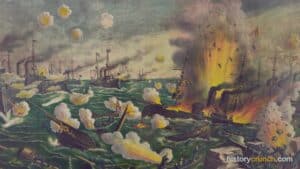
The Spanish-American War of 1898 marked a turning point in American imperialism. As a result of its victory over Spain, the United States gained control of territories such as the Philippines, Guam, and Puerto Rico, and it also expanded its influence over Cuba. Around the same time, the United States annexed the Hawaiian Islands, giving it a strong presence in the Pacific Ocean. In China, American leaders promoted a policy known as the Open Door, which called for equal trading access so that no single power could shut the others out of the Chinese market.
Japan as an Asian Imperial Power
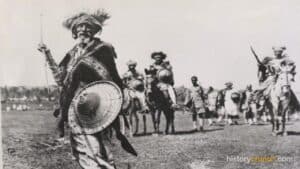
Japan was the one major non-Western nation to become a leading imperial power during the Age of Imperialism. For centuries, Japan had cut itself off from the outside world and avoided foreign contact. This changed in the mid-19th century, when Western pressure forced Japan to open its ports to trade.
Rather than fall under foreign control, Japanese leaders chose to modernize quickly during a period known as the Meiji Restoration. More specifically, Japan built factories, a modern army, and a powerful navy, all modeled on Western nations. With this new strength, Japan began to expand its own empire, defeating China in the First Sino-Japanese War and later defeating Russia in the Russo-Japanese War of 1905. These victories gave Japan control over Korea, Taiwan, and other territories, and made it clear that a non-European nation could compete with the great powers of the West.
Competition Among the Imperial Nations
The relationship between the imperial nations was defined by intense rivalry and competition. In fact, much of the drive to build empires came from the desire of each nation to appear more powerful and prestigious than its rivals. This competitive spirit was closely tied to nationalism, which was the strong sense of pride and loyalty that people felt toward their own country.
The clearest example of this competition was the Scramble for Africa, which took place from about 1870 until 1914. During these years, almost the entire continent of Africa came under the control of the major European powers, including Britain, France, Germany, Belgium, Italy, Portugal, and Spain. As stated above, Britain and France dominated the Scramble for Africa and controlled the largest share of territory, while the other nations claimed smaller sections.
The rivalry grew so tense that the European powers feared it might lead to war among themselves. To reduce these tensions, they held the Berlin Conference of 1884, a meeting in the German capital where the major nations agreed on rules for dividing Africa. More specifically, representatives from 14 nations attended, including Austria-Hungary, Belgium, Britain, France, Germany, Italy, Portugal, Russia, Spain, and the United States. Importantly, no African peoples were invited or consulted, even though the conference decided the future of their homelands.
How the Imperial Nations Controlled Their Empires
The imperial nations used their advantages in technology and organization to conquer and rule distant lands. For instance, weapons such as the machine gun gave European armies an enormous advantage over peoples who lacked modern firearms. In addition, steamships, railroads, and the telegraph allowed the imperial powers to move soldiers and goods quickly and to communicate across great distances.
Once a nation gained control of a territory, it often governed in ways that benefited the imperial power rather than the local people. In many cases, the imperial nations extracted valuable resources such as gold, diamonds, rubber, and other raw materials, and shipped them back home. The imperial powers also imposed their own languages, religions, and political systems on the peoples they ruled, believing that European culture was superior to all others. This belief, sometimes called ethnocentrism, was used to justify the harsh treatment of colonized peoples across Africa and Asia.
Significance of Nations of the Age of Imperialism
The nations of the Age of Imperialism reshaped the world in ways that still matter today. In reality, the borders that these powers drew across Africa and Asia often ignored the histories and cultures of the peoples who lived there, and many of those borders remain in place in the modern world. This has been a source of conflict in many regions long after the imperial powers withdrew.
The rivalry among the imperial nations also had dangerous consequences for global peace. In fact, the intense competition between powers such as Britain, France, and Germany helped create the tensions that eventually contributed to the outbreak of World War I in 1914. As such, the actions of these nations during the Age of Imperialism did not simply affect distant colonies. They also shaped the relationships between the great powers themselves and helped set the stage for one of the deadliest wars in history.
Finally, the era left a lasting mark on the nations that were colonized. Many countries in Africa and Asia gained their independence only in the 20th century, and they continue to deal with the political, economic, and cultural effects of foreign rule. Understanding the nations of the Age of Imperialism is therefore essential to understanding much of the modern world.
Frequently Asked Questions
Which countries were the main imperial powers?
The main imperial powers were Britain, France, Germany, Belgium, Italy, Portugal, Spain, the United States, and Japan. Britain and France held the largest empires, while nations such as Germany and Italy arrived later and claimed smaller territories because they had unified only recently in the 19th century.
Why did Britain have the largest empire?
Britain built the largest empire because it had the strongest navy, an early lead in industry, and a global network of trade. Its wealth and sea power allowed it to control territory on every inhabited continent, which is why people said the sun never set on the British Empire.
How did Japan become an imperial power?
Japan became an imperial power by modernizing rapidly during the Meiji Restoration. After Western pressure forced Japan to open its ports, its leaders built modern factories, an army, and a navy, which allowed Japan to defeat both China and Russia and to expand its own empire in Asia.
Was the United States an imperialist nation?
Yes, the United States became an imperial power near the end of the 19th century. After winning the Spanish-American War in 1898, it took control of territories such as the Philippines, Guam, and Puerto Rico, and it also annexed Hawaii to expand its presence in the Pacific.
Why did the imperial nations compete with each other?
The imperial nations competed mainly because of nationalism and the desire for prestige, resources, and markets. Each country wanted to appear more powerful than its rivals, and this competition, seen clearly in the Scramble for Africa, grew so intense that it helped create the tensions leading to World War I.
Cite This Article
To cite this article as a source, use one of the formats below.
MLA: Millar, B. “Nations of the Age of Imperialism: A Detailed Overview.” HistoryCrunch, 12 August 2026, https://historycrunch.com/nations-of-the-age-of-imperialism-overview/.
APA: Millar, B. (2026). Nations of the Age of Imperialism: A Detailed Overview. HistoryCrunch. https://historycrunch.com/nations-of-the-age-of-imperialism-overview/
Chicago: Millar, B. “Nations of the Age of Imperialism: A Detailed Overview.” HistoryCrunch. August 12, 2026. https://historycrunch.com/nations-of-the-age-of-imperialism-overview/
Sources
- Fordham Modern History Sourcebook
- State Department — Office of the Historian