Imperialism in China

Causes of Imperialism in China.

Causes of Imperialism in China: A Detailed Summary

Imperialism in China reshaped one of the oldest civilizations in the world. Foreign nations were drawn in by economic ambition, the opium trade, and Qing weakness. These causes set off a chain of events that opened China to foreign control.

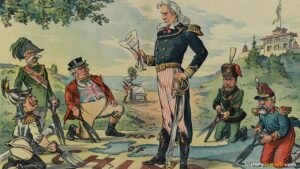
Impacts of Imperialism in China.

Impacts of Imperialism in China: A Detailed Summary

The impacts of imperialism in China reshaped one of the world’s oldest civilizations. Foreign powers forced unequal treaties, spread opium, and divided China into spheres of influence, which weakened the Qing Dynasty and sparked major rebellions. These events helped bring an end to imperial rule and shaped modern China.

Second Opium War

Second Opium War: A Detailed Summary

The Second Opium War (1856-1860) was fought between China and a coalition of British and French forces. It followed the earlier First Opium War and led to China losing again to the European powers.

First Opium War

First Opium War: A Detailed Summary

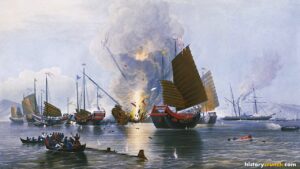
The First Opium War (1839-1842) was a conflict between China and Britain during the period of European imperialism in China. It was triggered by China’s attempts to stop the opium trade, resulting in a British victory and the terms of the Treaty of Nanking.

Boxer Rebellion

Boxer Rebellion: A Detailed Summary

The Boxer Rebellion (1899-1901) was an anti-foreign, anti-colonial uprising in China, led by the ‘Boxers’ who aimed to remove foreign influence from China.

Imperialism in China

Imperialism in China: A Detailed Overview

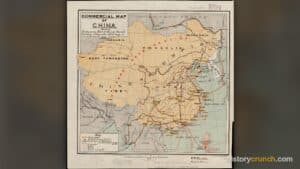
Imperialism in China during the late 19th and early 20th centuries was characterized by foreign powers exploiting China’s resources, establishing spheres of influence, and undermining Chinese sovereignty through unequal treaties and military interventions.