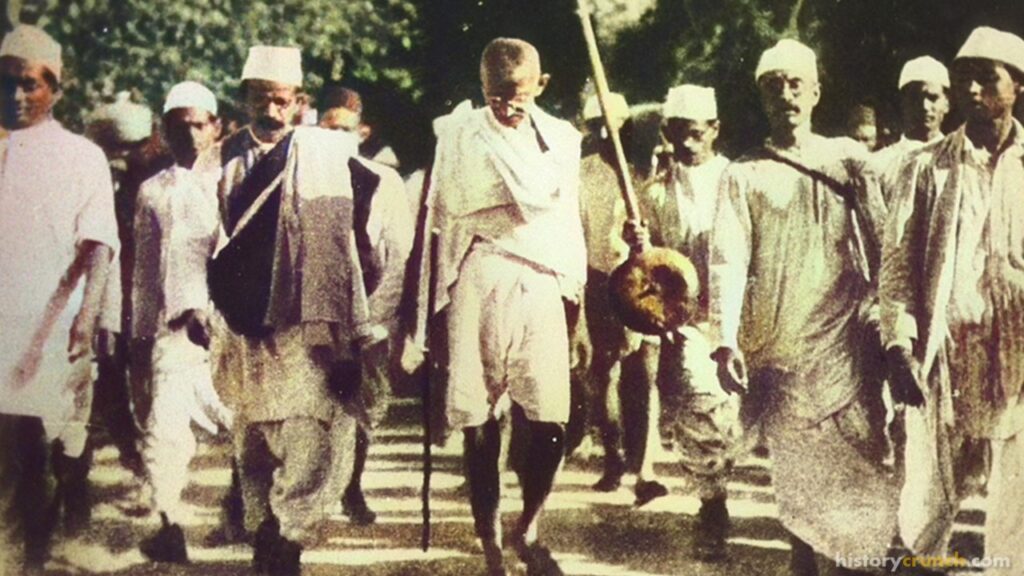
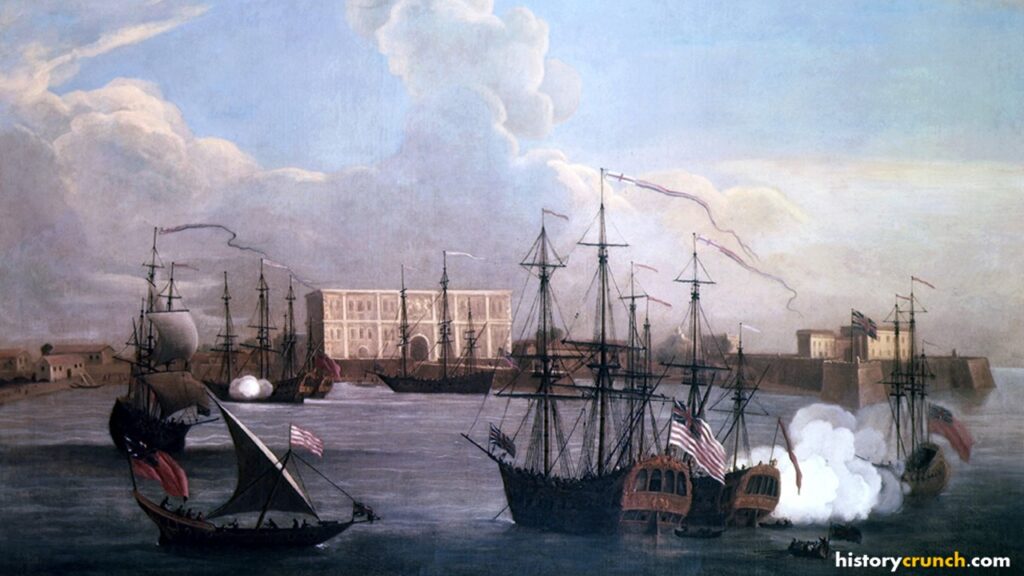
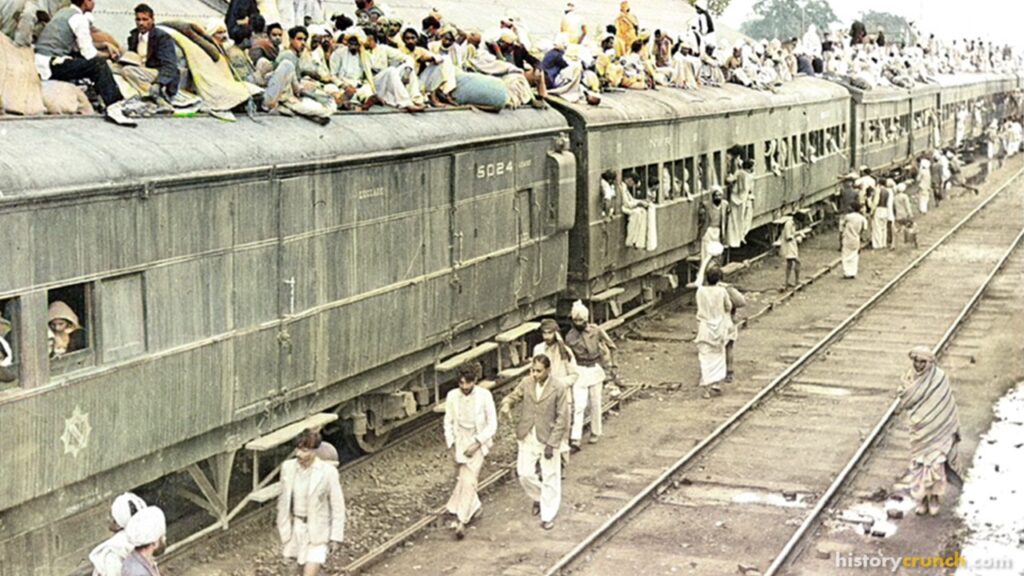
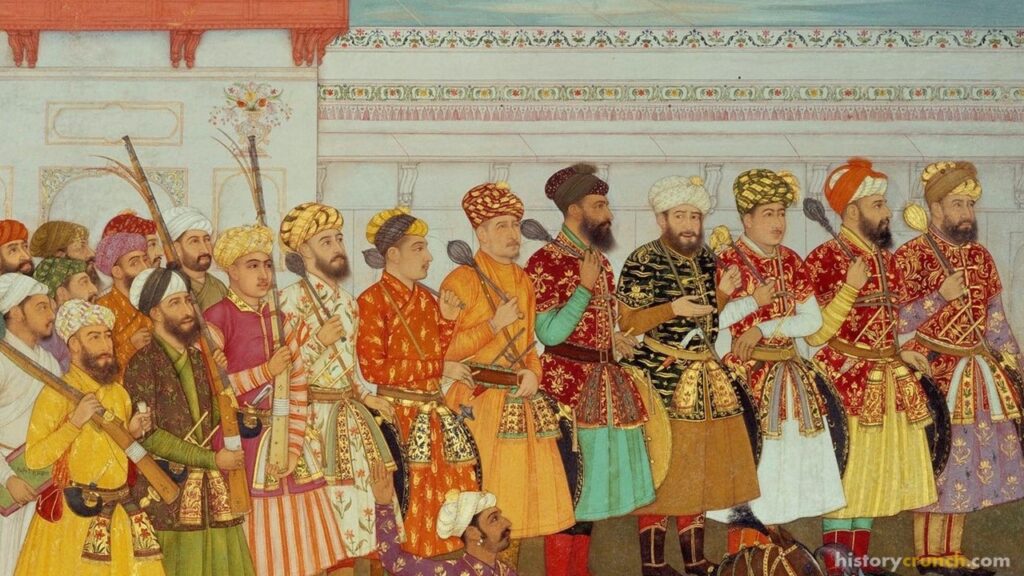
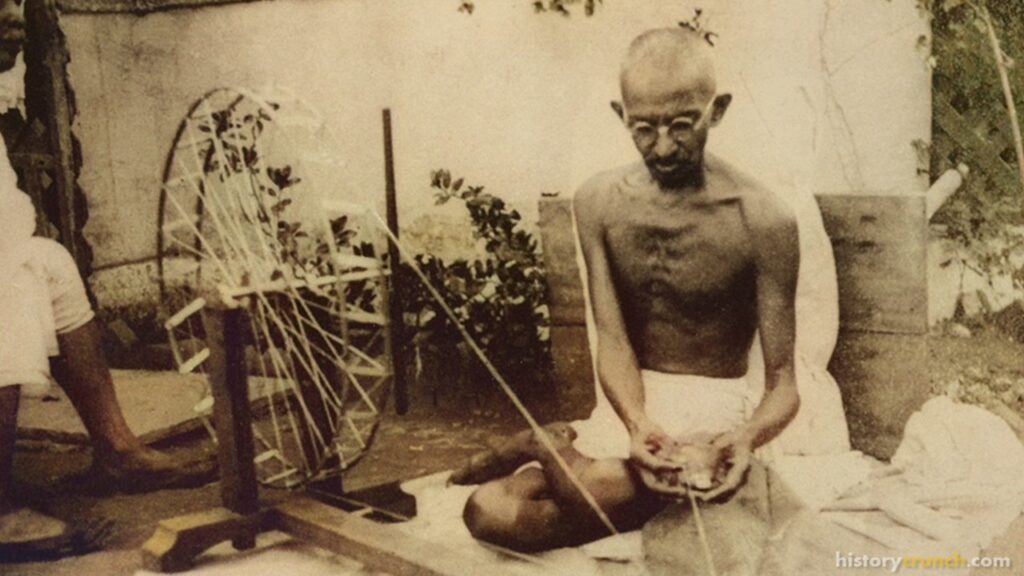
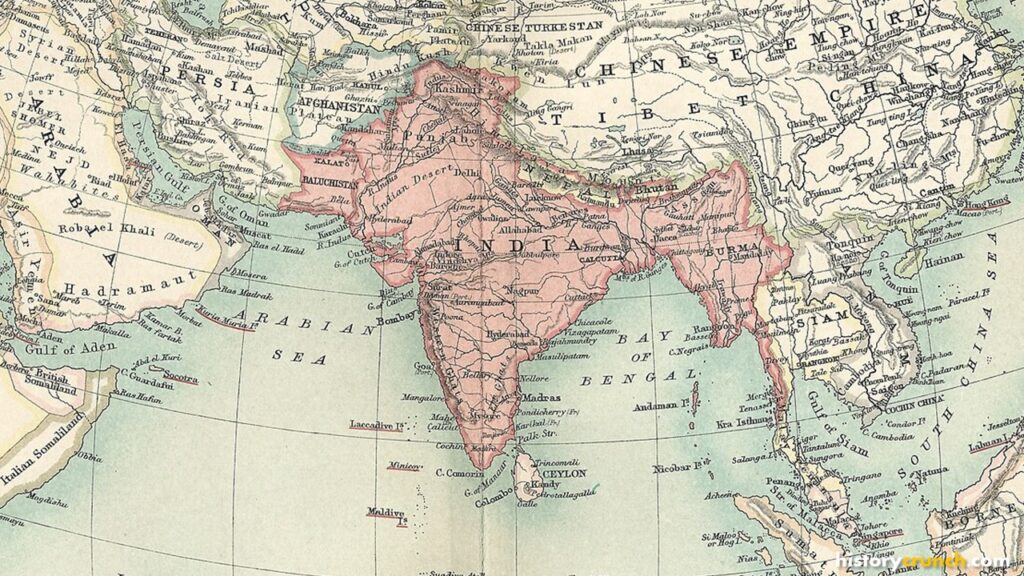
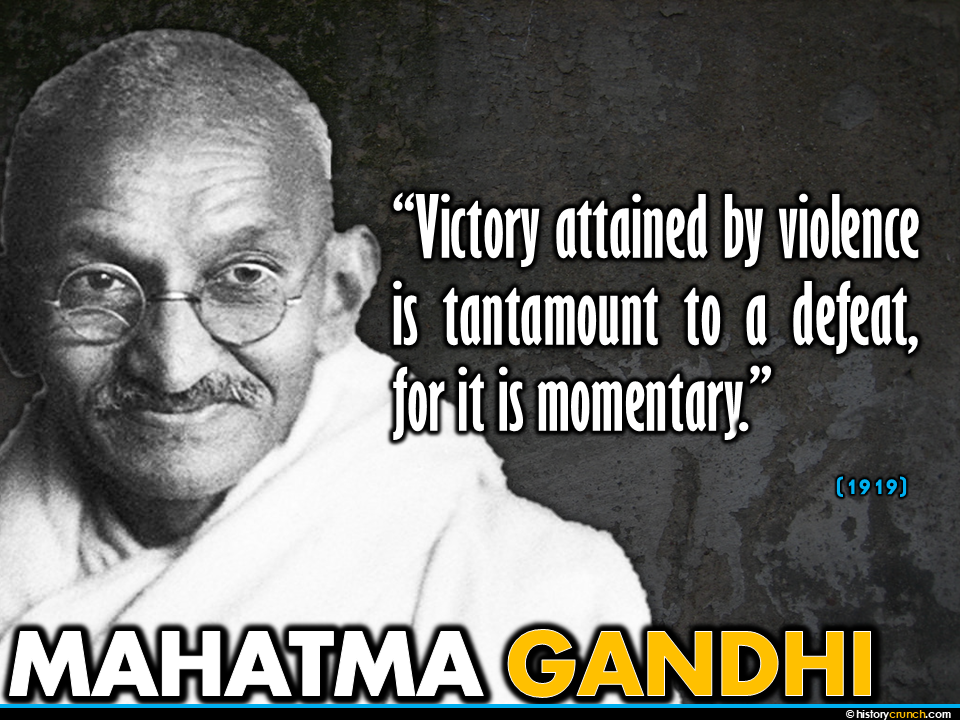
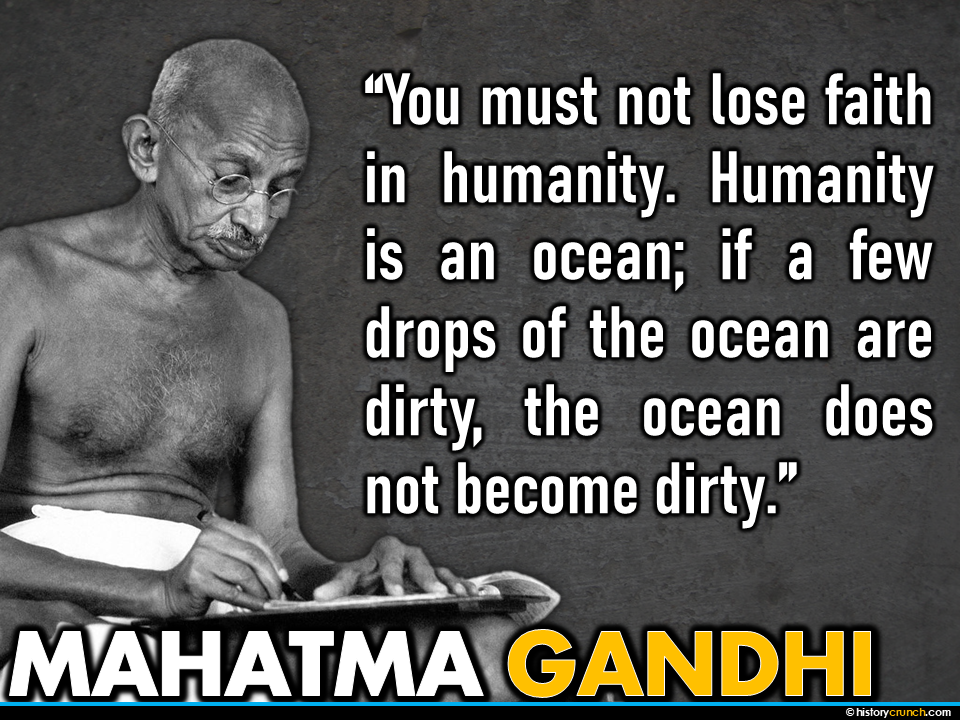
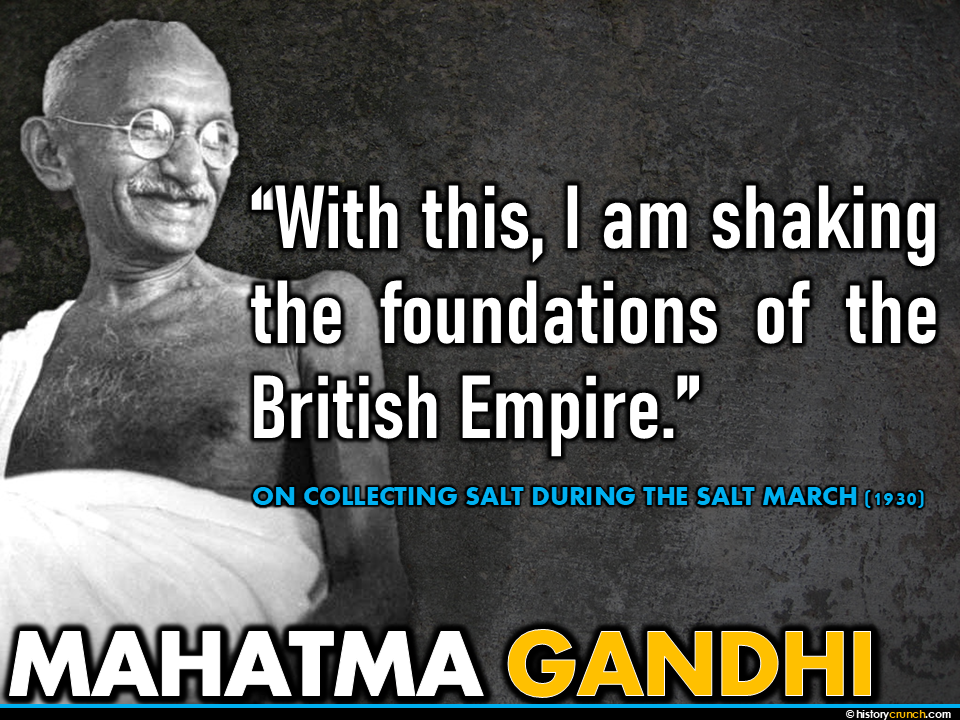
British Imperialism in India was one of the most significant examples of European colonial rule during the Age of Imperialism. Britain’s involvement in India began through the British East India Company, a powerful trading organization that gradually expanded its political and military control over the Indian subcontinent from the 1600s onward. Following the Sepoy Rebellion of 1858, the British government took direct control of India and established what became known as the British Raj, a period of formal colonial rule that lasted from 1858 until Indian independence in 1947. At its height, the British Raj controlled almost all of modern-day India, Pakistan, and Bangladesh, making it one of the largest and most important colonies in the British Empire. India was so valuable to Britain economically that it was often referred to as the “Jewel in the Crown.” British rule had a profound and lasting impact on Indian society, economy, and culture, and it also gave rise to a powerful independence movement led by figures such as Mahatma Gandhi that eventually brought British colonial rule to an end.