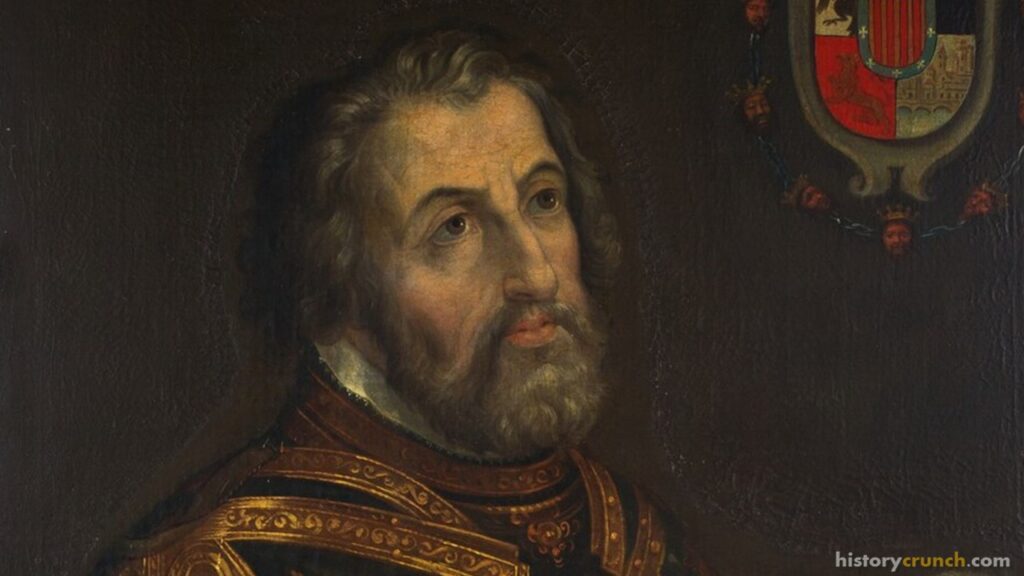
The massacre of the Aztec in the Great Temple was an important event in the history of the Age of Exploration and the Aztec Empire. As part of the conquest the Spanish conquistadors, who were led by Hernan Cortés, took the Aztec leader Moctezuma II captive. Soon after, occurred the massacre of unarmed Aztec citizens by the Spanish. The violent massacre, carried out in the sacred Templo Mayor, sparked outrage and led to a massive Aztec uprising against the Spanish conquistadors. With that said, it also eventually led to the Final Battle of Tenochtitlan and the fall of the Aztec Empire.
BEFORE THE MASSACRE OF THE AZTEC IN THE GREAT TEMPLE
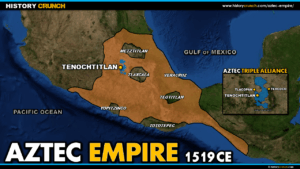
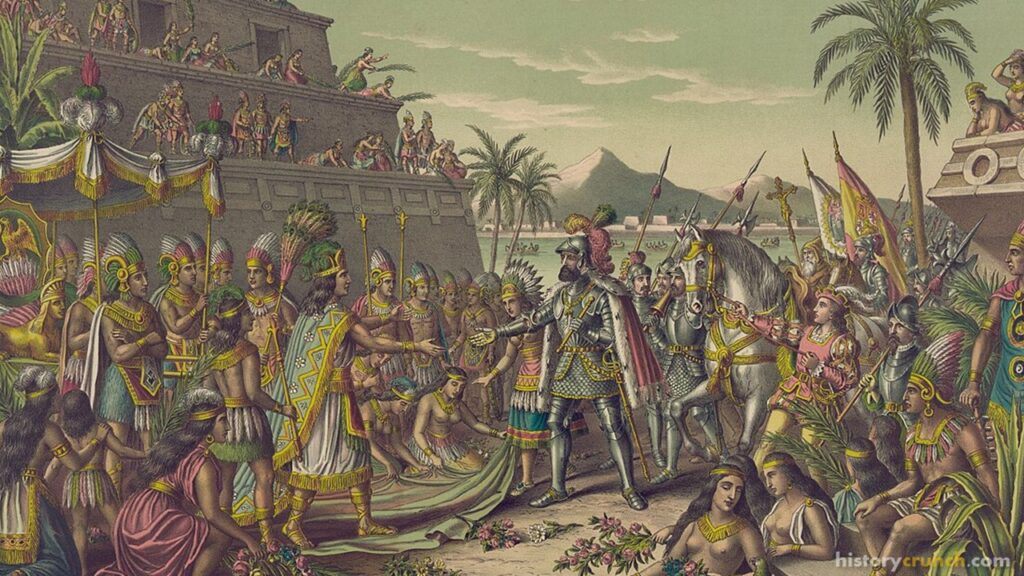
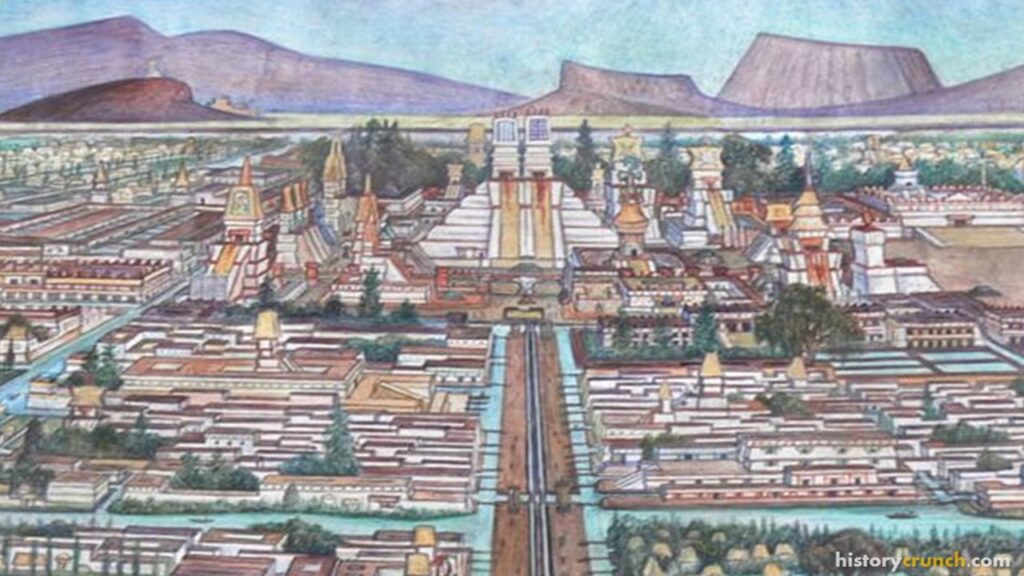
Cortés and the Spanish arrived at the Aztec capital city of Tenochtitlan in November of 1519. While they were accompanied by their new allies, the Tlaxcala, only Cortés and the Spanish were invited into the city. Still believing that Cortés might be Quetzalcoatl, Moctezuma II gave the Spanish many gifts and allowed them to stay as guests in the Aztec capital. During the next week or so the Spanish toured the city and saw the many Aztec temples, markets and palaces. However, soon after, Cortés learned of the death of several of his men from an Aztec attack on the Gulf Coast. The Aztec had attacked one of their rivals, and since the Spanish had allied with many of the Aztecs enemies, they were caught up in the battle. At this point Cortés became fearful that Moctezuma II may order his death and in response he took the Aztec leader captive in the palace that Moctezuma II had prepared for the Spanish in Tenochtitlan.
MASSACRE OF THE AZTEC IN THE GREAT TEMPLE – SUMMARY
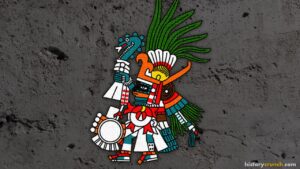
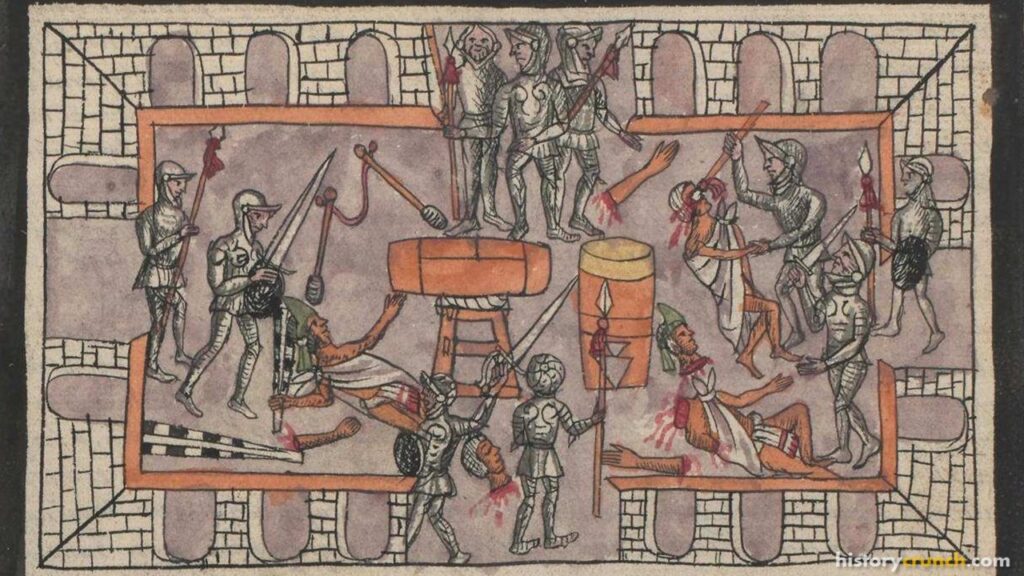
During the months after Moctezuma II was imprisoned in Tenochtitlan, Cortés was forced to leave to handle a different situation. Cortés had been made aware that Diego Velasquez, the Spanish governor of Cuba, had ordered his arrest for disobeying orders in regards to his expedition to Mexico. As such, Cortés left that spring to stop Pánfilo de Narváez and other Spanish men that were sent to arrest him. While he was gone, Pedro de Alvarado was left in charge of the Spanish’s mission in Tenochtitlan. Alvarado was a Spanish conquistador and is famous for participating in expeditions throughout the Caribbean and Central America, including places such as: Cuba, Mexico, Guatemala, Honduras and El Salvador. Several historians have noted the brutality he displayed in these conquests, particularly against the indigenous people of the different regions. Anyways, soon after Cortés left, Moctezuma II requested that his people be allowed to celebrate the festival of Toxcatl. The festival occurred every May and was carried out to honor the Aztec god of Tezcatlipoca. This god was important in Aztec culture and religion and was related to many different concepts, including: the night sky, hurricanes, the earth, obsidian, jaguars, and war. Alvarado agreed, but soon after the Aztec began the celebration he ordered and carried out an attack against the Aztec men, women and children that were participating. This event is referred to as the ‘Massacre of Aztec in the Great Temple of Tenochtitlan’.
Essentially, the Spanish conquistadors attacked the Aztec and killed most of the people, who were unarmed and did not actively fight back. There are differing accounts of why Alvarado carried out the attack, such as: he attacked the Aztec after seeing the gold religious items they brought to the festival or he attacked in an attempt to stop a human sacrifice that was part of the ceremony. Regardless, in both accounts, Alvarado massacred unarmed Aztecs. The massacre led to an increase in hostilities between the Spanish and the Aztec and caused the Spanish to hide in the palace that Moctezuma II provided them with following retaliation by the Aztec warriors. Cortés returned from his victory over Pánfilo de Narváez to find Tenochtitlan in full upheaval and revolt. The Spanish were essentially held captive by the Aztec nobility and warriors in Tenochtitlan following the massacre.
Soon after, Moctezuma II was killed and the Spanish carried out their daring escape from the Aztec capital which the Spanish refer to as Noche Triste.